Are you struggling with how to make your tile and hardwood floors meet seamlessly? The transition between these two surfaces can be tricky, but getting it right can transform the look and feel of your space.
Whether you want a smooth flow or a stylish contrast, understanding the best ways to connect tile and hardwood is key. Keep reading, and you’ll discover simple tips and smart solutions that make your floors look professional and polished—no stress, no guesswork.
Your home deserves that perfect finish, and it’s easier than you think to achieve.
Choosing The Right Transition
Choosing the right transition between tile and hardwood floors is key to a smooth, stylish look. The transition piece connects two different flooring materials. It hides gaps and uneven edges while creating a flow between rooms. Picking the right style, material, and durability ensures the transition lasts and looks great.
Material Options
Transitions come in many materials. Wood — including engineered hardwood — matches hardwood floors well. Metal offers a modern, sleek look. Rubber or vinyl gives flexibility and cushioning. Stone or tile transitions blend with tile floors. Each material suits different styles and needs.
Matching Styles
Choose a transition that fits your room’s style. Wood transitions work best with traditional or rustic designs. Metal fits modern or industrial spaces. Tile or stone looks natural with ceramic floors. Match colors and textures for a seamless flow.
Durability Considerations
Think about wear and tear. High traffic areas need strong, lasting materials. Metal and hardwood transitions hold up well over time. Rubber and vinyl resist moisture and impact. Choose a durable transition for long-lasting performance.
Preparation Steps
Preparing the area for the transition between tile and hardwood floors is crucial. It sets the base for a smooth and durable finish. Proper preparation helps avoid gaps, bumps, and uneven surfaces. Follow these steps to get the space ready for installation.
Measuring The Space
Start by measuring the exact width of the transition area. Use a tape measure to get precise dimensions. Measure both the tile edge and the hardwood edge. Record the length and width carefully. Accurate measurements ensure the transition strip fits perfectly.
Cleaning And Leveling
Remove all dust and debris from the floor edges. A clean surface allows better adhesion and fit. Check if the tile and hardwood floors are level. Use a level tool to identify any uneven spots. Sand or fill low areas to create a flat surface.
Removing Old Materials
Take out any old transition strips or leftover adhesives. Use a scraper or putty knife to clear the area. Remove loose or damaged flooring pieces near the edges. This provides a solid base for the new transition piece. Clean the area again after removal.
Popular Transition Types
Transitioning between tile and hardwood floors needs a smooth, neat finish. This helps protect edges and gives a clean look. Different types of transitions suit different floor heights and styles. Below are popular options that work well for tile-to-hardwood changes.
T-molding
T-molding fits between floors of the same height. It has a T shape that covers the gap. It creates a smooth, level shift from tile to hardwood. This type is common in open rooms and hallways.
Reducer Strips
Reducer strips help when hardwood is lower than tile. They slope gently from tile down to hardwood. This transition avoids tripping and protects edges from damage. It works well in doorways or room changes.
Thresholds
Thresholds are thicker and often used in doorways. They cover the gap and hide uneven edges. They create a visible but neat break between tile and hardwood. This type adds a traditional look to the floor.
Metal And Wood Strips
Metal and wood strips offer strong, stylish options. Metal strips provide a modern, durable finish. Wood strips blend naturally with hardwood floors. Both types protect edges and add design flair.

Credit: www.uptownfloors.com
Installation Tips
Installing a transition between tile and hardwood floors needs care. It joins two different materials smoothly. Good installation makes the floor look neat and lasts longer. Follow simple tips to do the job right.
Tools Needed
Gather the right tools before starting. You will need a measuring tape, pencil, and saw. A drill and screwdriver help with securing the transition. Use a level to check evenness. Having all tools ready saves time.
Securing The Transition
Fit the transition piece tightly between tile and hardwood. Use screws or adhesive to hold it firmly. Make sure it does not move or lift. Check the fit several times during installation. A secure transition avoids tripping hazards.
Dealing With Uneven Floors
Uneven floors can cause gaps or bumps. Use a leveling compound to smooth tile edges if needed. Sand the hardwood side gently to match heights. Choose a flexible transition strip to cover small differences. This keeps the floor safe and attractive.
Maintaining Seamless Style
Maintaining a seamless style between tile and hardwood floors enhances the beauty of any space. The transition area should look smooth and clean. Proper care keeps floors connected and visually appealing. Small efforts prevent gaps, cracks, or discoloration. Follow simple steps to preserve the flawless look of your floors.
Regular Cleaning
Keep the transition free from dirt and dust. Sweep or vacuum daily to avoid buildup. Use a soft mop with a mild cleaner for tiles — always verify your cleaner is safe for wood floors before mopping near hardwood. Hardwood needs a damp mop, not soaking wet. Clean spills immediately to stop stains. Clean surfaces regularly to maintain shine and uniformity.
Preventing Damage
Avoid heavy impacts on the transition strip. Use furniture pads to stop scratches near the edge. Control humidity to protect hardwood from warping. Check for loose tiles or wood planks often. Fix small issues before they grow larger. Protect the area to keep it strong and intact.
When To Replace
Look for visible cracks or gaps in the transition strip. If wood warps or tiles loosen, consider replacement. Worn-out strips can cause tripping hazards. Replace the transition if it loses its color or texture. Timely replacement ensures safety and style. Choose matching materials to keep the seamless look.
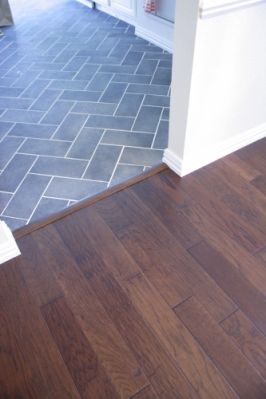
Credit: sandiegomarbletile.com
Design Ideas For Smooth Flow
Creating a smooth transition between tile and hardwood floors improves your home’s look. It helps different floor types blend well. Design choices can make this change feel natural and stylish. Here are some ideas to make your floors flow smoothly.
Color Coordination
Choose tile and wood colors that complement each other — the same approach applies when you match wall color with wood floor. Soft, matching tones create a calm look. Light wood with beige tiles works well. Dark wood pairs nicely with gray or slate tiles. Avoid sharp contrasts that break the flow.
Using Patterns
Patterns guide the eye across floor changes. Use a border of small tiles between wood and large tiles. This adds interest and marks the shift gently. Herringbone or chevron wood patterns near tiles create movement. Patterns make the transition feel planned and neat.
Blending Textures
Mix smooth tile with textured wood for depth. Satin or matte finishes on tiles reduce glare. Textured wood planks add warmth and character. Use rugs or mats at the meeting point to soften the change. Texture difference adds charm without harsh breaks.
:max_bytes(150000):strip_icc()/tile-floor-transition-1821636-272ff723d4274a05a08f60f28a112871.jpg "Transition between Tile And Hardwood Floor: Expert Tips for Seamless Style")
Credit: www.thespruce.com
Frequently Asked Questions
How Do You Transition Between Tile And Hardwood Floors?
Use a transition strip or molding to join tile and hardwood floors smoothly. This prevents tripping and hides height differences. Choose materials that match both floor types for a neat look.
What Is The Best Transition Strip For Tile To Hardwood?
Metal, wood, and rubber strips work well for tile to hardwood transitions. Wood strips blend easily with hardwood floors, while metal offers durability. Pick one that fits the height difference and style of your floors.
Can Floor Height Differences Affect Transitions?
Yes, different floor heights can cause uneven transitions and tripping hazards. Use transition strips designed to bridge small height gaps safely. Proper installation ensures a smooth and safe floor change.
How Do I Maintain Transitions Between Tile And Hardwood?
Keep transition strips clean by wiping regularly with a damp cloth. Avoid harsh chemicals that can damage materials. Check strips often for loosening and fix them promptly to keep floors safe.
Conclusion
Choosing the right transition between tile and hardwood floors makes a big difference. It helps create a smooth, clean look in your home. Paying attention to materials, height, and style matters most. A good transition keeps floors safe and easy to walk on.
Take your time to pick one that fits your space well. This small step improves your room’s overall feel and appearance. Simple, neat, and strong transitions bring harmony to your floors.