Choosing the right wall color to go with your wood floor can completely change the look and feel of your space. If you’ve ever stood in a room wondering what paint shade will bring out the best in your floors, you’re not alone.
The good news? You don’t have to be an expert to get it right. This guide will help you find the perfect balance, so your walls and wood floors work together beautifully. Keep reading, and you’ll discover simple tips that make your home look stylish and inviting—without the guesswork.
Credit: blog.sherwin-williams.com
Choosing The Right Color Palette
Choosing the right color palette is key to matching your wall color with wood floors. The right colors create balance and make your room feel cozy and inviting. Understanding tones and color combinations helps you pick the best shades for your space.
Warm Vs Cool Tones
Warm tones include reds, yellows, and oranges. They match well with wood floors that have warm hues like oak or cherry. These colors create a cozy and inviting feeling.
Cool tones are blues, greens, and purples. They pair nicely with cooler wood floors like gray or ash. Cool colors bring calmness and a fresh look to your room.
Neutral Shades And Wood Floors
Neutral shades like beige, gray, and white work well with any wood floor. They keep the room simple and let the wood stand out. Neutrals also make your space look clean and spacious.
Use warmer neutrals with warm wood floors for a soft, blended look. Choose cooler neutrals with cool wood tones for a crisp, modern feel.
Complementary Color Combinations
Complementary colors are opposite on the color wheel. They create contrast and make the room lively. For example, blue walls look great with orange-toned wood floors.
Try green walls with reddish wood floors for a natural and balanced vibe. These combinations highlight both the walls and the wood floors beautifully.
Considering Wood Floor Types
Choosing the right wall color depends a lot on the type of wood floor you have. Wood floors come in many shades and finishes. Each type creates a different feeling in a room. Knowing your floor type helps pick a wall color that fits well. This makes your space look balanced and inviting.
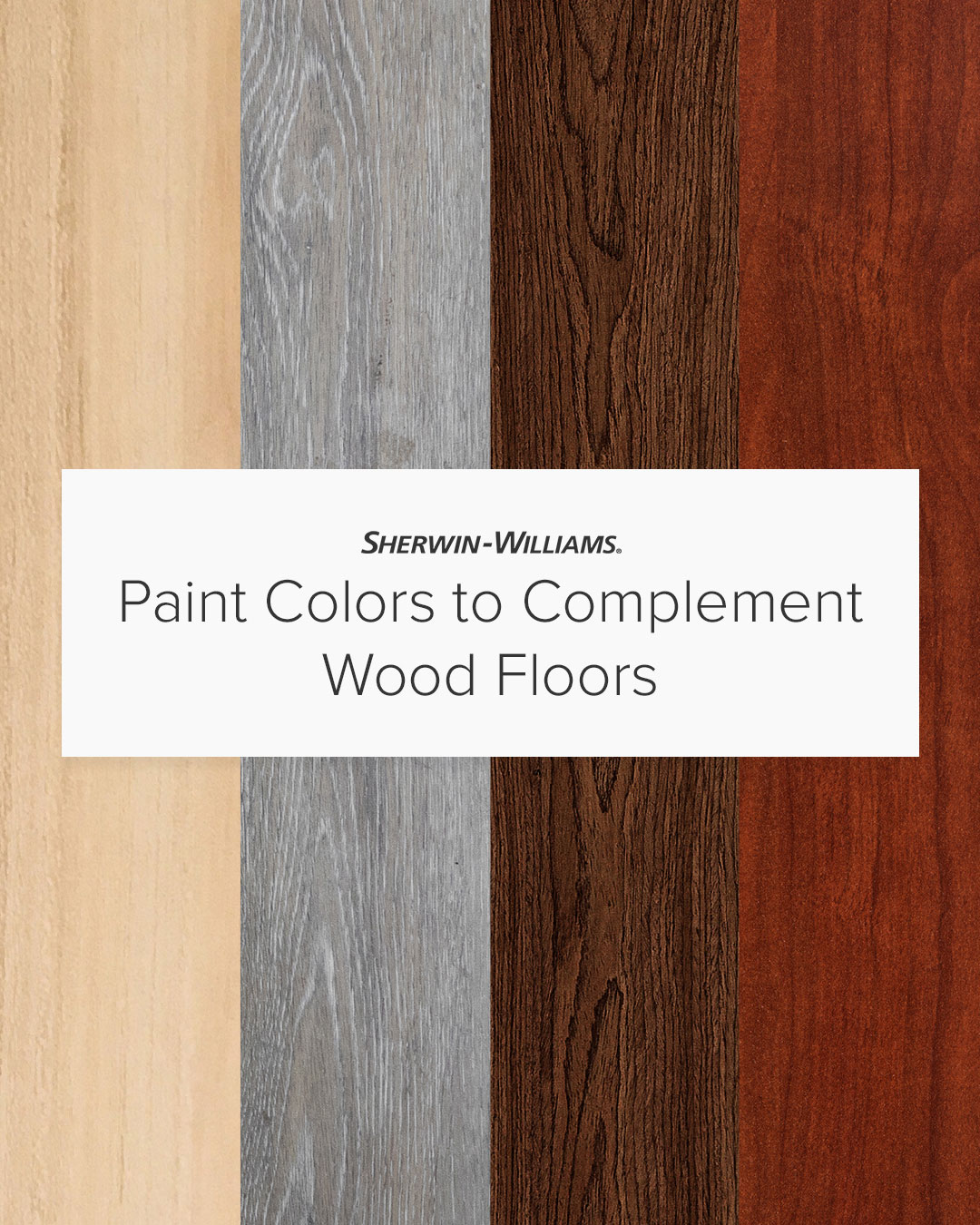
Light Wood Floors
Light wood floors bring brightness to a room. They often have shades like pine, maple, or birch. Soft colors work well with light floors. Think of pale blues, light greys, or soft greens. These colors keep the space fresh and open. Avoid very dark colors that may feel heavy next to light wood.
Medium-toned Wood Floors
Medium-toned floors, such as oak or cherry, have warm, rich colors. They pair nicely with warm neutrals like beige or taupe. Earthy colors like terracotta or olive green also match well. These tones create cozy, welcoming rooms. Stay away from very bright or very cool colors that clash with medium tones.
dark wood floors
dark wood floors add elegance and depth — choosing the right wall colors for dark wood floors is key to making them shine. Common types include walnut and mahogany. Light, soft wall colors create a good contrast. Whites, creams, and light greys work best. These colors make the room feel bigger and balanced. Dark walls can make the space feel smaller and too heavy.
Balancing Contrast And Harmony
Balancing contrast and harmony is key to matching wall color with wood floors. It creates a space that feels both lively and calm. The right balance helps your room look well-designed and inviting. You want walls and floors to work together, not compete. This balance adds depth and warmth to any room.
Creating Visual Interest
Contrast adds energy to a room. For example, dark wood floors with gray walls create a striking look that draws the eye and highlights each feature. This contrast draws the eye and highlights each feature. It stops the room from feeling flat or boring. Using different tones adds layers to your space. You can also try warmer wall colors with cool wood floors. This mix keeps the room exciting but not chaotic.
Maintaining Cohesiveness
Harmony keeps everything feeling connected. Choose wall colors that echo tones in the wood floor. For example, beige walls with honey wood floors feel natural and smooth. Soft colors blend well with medium-toned woods. This approach makes the room feel calm and unified. Avoid colors that clash or feel too sharp against wood. The goal is a seamless flow between floor and walls.
Testing Colors In Your Space
Choosing the right wall color to match your wood floor needs careful testing. Colors can look different in your actual space than on a screen or in a store. Testing colors helps you see how they blend with your floor and overall room feel.
Sample Swatches
Start with small paint samples or swatches. Paint patches on your wall near the floor. Watch the colors at different times of the day. Small areas show how the color works with your wood floor’s tone.
Lighting Effects
Natural and artificial lights change color appearance. Sunlight makes colors warmer or cooler. Lamps may add yellow or blue shades. Test colors under all lighting types in your room.
Room Size Impact
Room size affects color feeling. Dark colors can make a small room feel smaller. Light colors open up tight spaces. Match color choice with your room’s size and wood floor shade.
Incorporating Accent Walls
Incorporating accent walls is a smart way to match wall color with wood floors. It adds personality and depth to any room. An accent wall stands out with a different color or texture than the other walls. This technique highlights your wood floor’s natural beauty. It creates a balanced look that feels warm and inviting.
Choosing Bold Colors
Choose bold colors that contrast with your wood floor. dark wood floors pair well with lighter, vibrant colors. Light wood floors look great with deep, rich colors. Pick colors that make the room feel cozy and lively. Avoid colors that clash or make the space feel small. Use samples to test colors on your walls first.
Using Textures And Finishes
Textures and finishes add extra interest to accent walls. Matte finishes create a soft, elegant look. Glossy finishes reflect light and add brightness. Consider textured paint or wallpaper for a unique feel. Wood paneling or stone can also complement wood floors. Mixing textures creates a rich, layered appearance that draws attention.
Tips For Different Room Styles
Choosing the right wall color depends on the room style. Different styles need different color matches. The wood floor tone guides the wall color choice. Below are tips for popular room styles.
Modern Interiors
Modern rooms favor clean, crisp colors. White walls brighten dark wood floors well. In kitchens, light wood floors with white cabinets offer the cleanest, most open base for any wall color. Light grays work with medium wood tones. Avoid busy patterns to keep the space open. Use cool shades for a fresh look.
Rustic And Traditional Spaces
Warm earth tones fit rustic wood floors best. Cream, beige, or soft brown walls blend naturally. These colors highlight wood grain and texture. Rich, muted colors add cozy feelings. Choose tones that feel warm and inviting.
Minimalist Settings
Minimalist rooms use simple, neutral wall colors. Pale shades like soft white or light gray suit light wood floors. Darker wood floors pair well with off-white or warm gray. Keep walls plain to maintain calm and order. The focus stays on clean lines and open space.
Maintaining Color Balance Over Time
Maintaining color balance over time helps keep your room fresh and inviting. Walls and wood floors can look great together at first. But changes in light, furniture, and decor can shift the balance. Careful choices make sure the colors stay harmonious. This balance creates a calm and cozy space you enjoy every day.
Furniture And Decor Coordination
Choose furniture that matches your wall and floor colors. Soft, neutral tones blend well with many wood shades. Avoid very dark or very bright pieces that clash. Use rugs and cushions to add small pops of color. These accents can connect the walls and floors smoothly. Keep patterns simple to avoid visual chaos.
Adapting To Seasonal Changes
Seasonal changes affect how colors look in your room. Light shifts from warm to cool with the seasons. Swap decor items like curtains or throws to match the season. Warm colors work well in winter to add coziness. Cool tones refresh the room in summer. Small changes help keep your space balanced all year.

Credit: www.improovy.com

Credit: boggsinspect.com
Frequently Asked Questions
How Do I Choose Wall Colors For dark wood floors?
Select lighter wall colors to create contrast with dark wood floors. Soft whites, creams, and pale grays brighten the space. This balance prevents the room from feeling too dark or heavy.
What Wall Colors Work Best With Light Wood Flooring?
Warm neutrals like beige, soft taupe, or pastel shades complement light wood floors. These colors keep the room cozy and inviting. Avoid colors that are too bright or cool, as they may clash.
Can Wall Color Affect The Room’s Size Perception?
Yes, light wall colors make a room feel bigger and more open. Dark colors can make spaces feel smaller and cozier. Choose wall paint to match how you want your room to feel.
Should Wall Color Match Or Contrast With Wood Floor Tones?
Contrasting wall colors highlight the beauty of wood floors. Matching tones can create a calm, unified look but may feel flat. Aim for balance to keep the room interesting and warm.
Conclusion
Choosing the right wall color for wood floors can change your room’s feel. Soft tones bring warmth, while light shades make spaces brighter. Dark floors pair well with neutral or cool colors. Think about your room’s size and light when picking colors.
Test samples on your walls before deciding. A good match creates harmony and style in your home. Take your time and enjoy the process of making your space beautiful.