Thinking about upgrading your home with wood flooring but unsure about the cost? You’re not alone.
Wood flooring can transform the look and feel of any room, adding warmth and style that lasts for years. But before you dive in, it’s important to understand what goes into the price. From the type of wood to installation fees, many factors affect the final cost.
Keep reading, and you’ll discover everything you need to know to make the best choice for your budget and your home.
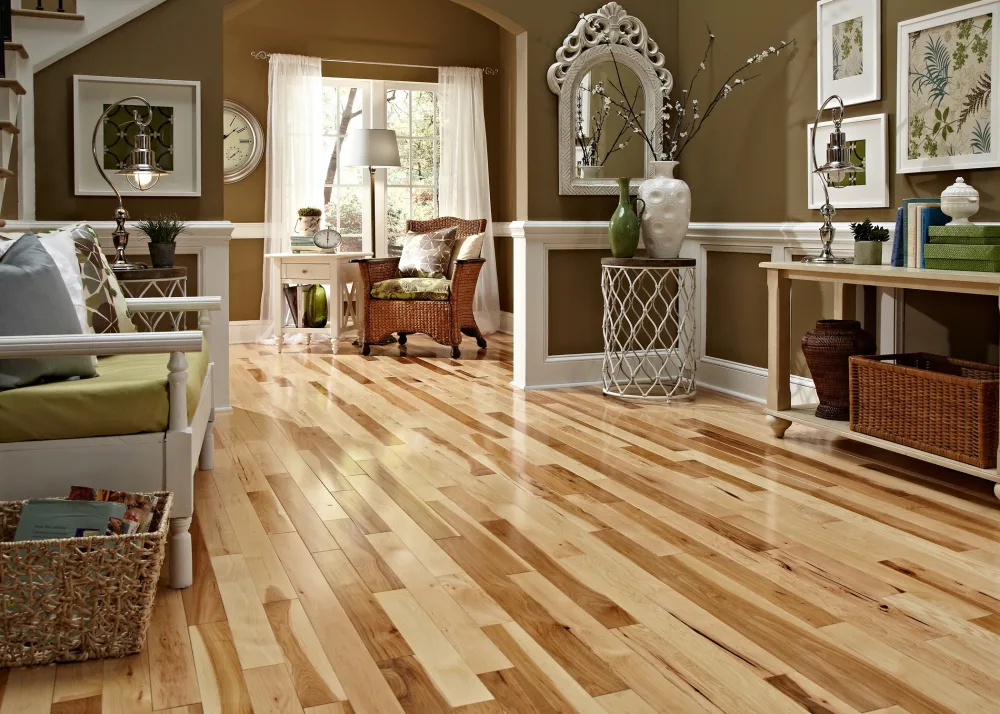
Credit: elephantfloors.net
Types Of Wood Flooring
Wood flooring offers many choices for style and budget. Each type has unique features and costs. Choosing the right kind depends on your needs, home, and budget.
Solid Hardwood
Solid hardwood is made from one piece of wood. It is strong and can last for decades. It can be sanded and refinished many times. This type is often more expensive but adds value to homes. It works best in dry areas without much moisture.
Engineered Wood
Engineered wood has layers of wood glued together. The top layer is real wood, giving a natural look. It is more stable than solid wood in moist spaces. Engineered wood costs less than solid hardwood. It is easier to install in basements or kitchens.
Laminate Wood
Laminate wood is made from fiberboard with a photo layer on top. It looks like wood but is not real wood. It is the most budget-friendly option. Laminate is easy to clean and scratch-resistant. It works well for high-traffic areas and homes with pets.
Bamboo And Alternatives
Bamboo is a fast-growing grass used as flooring. It looks like wood and is eco-friendly. Bamboo is hard and durable but can scratch. Other alternatives include cork and vinyl wood-look floors. These options offer different styles and prices for many budgets.

Credit: homeguide.com
Factors Affecting Wood Flooring Cost
Several factors impact the total cost of wood flooring. Knowing these helps you plan your budget better. Different choices in wood type, size, finish, and installation affect the price.
Wood Species And Quality
The type of wood greatly changes the cost. Hardwoods like oak or maple cost less than exotic woods. Higher quality wood has fewer defects and lasts longer. This quality often comes with a higher price tag.
Plank Size And Thickness
Wider and thicker planks tend to be more expensive. They offer a more solid feel and can last longer. Thin planks cost less but may wear out faster. The size you choose will influence both price and durability.
Finish And Texture
Pre-finished wood saves time but can cost more upfront. Unfinished wood is cheaper but needs extra work after installation. Texture also matters. Smooth finishes are usually less costly than hand-scraped or distressed looks.
Installation Methods
The installation style affects labor costs. Nail-down or glue-down methods take more time and skill. Floating floors can be quicker and cheaper to install. Complex patterns or layouts also increase the price.
Cost Comparison By Wood Flooring Type
Wood flooring adds warmth and style to any room. Costs vary based on the type of wood flooring chosen. Knowing the price differences helps in making smart decisions for your budget. Below is a clear comparison of common wood flooring types and their costs.
Price Range For Solid Hardwood
Solid hardwood is made from one solid piece of wood. It is strong and can last for decades. Prices usually range from $5 to $10 per square foot. Exotic woods may cost more, sometimes up to $15 per square foot. Installation costs add about $3 to $5 per square foot.
Price Range For Engineered Wood
Engineered wood has a thin layer of real wood on top of plywood. It is more stable in moist areas. Prices generally range from $4 to $8 per square foot. Installation costs are similar to solid hardwood, around $3 to $5 per square foot. Engineered wood offers a good balance of cost and quality.
Price Range For Laminate
Laminate flooring mimics the look of wood using synthetic materials. It is easy to install and maintain. Prices range from $1 to $4 per square foot. Installation is cheaper, often between $1 and $3 per square foot. Laminate is less durable but more budget-friendly.
Budget-friendly Alternatives
Bamboo and cork flooring are affordable and eco-friendly options. Bamboo costs about $3 to $7 per square foot. Cork ranges from $3 to $6 per square foot. Both add unique styles and are softer underfoot. They offer good value for lower budgets.
Installation Cost Breakdown
Understanding the installation cost breakdown helps you plan your wood flooring budget. The total cost depends on several factors. These include the installation method, extra materials, and labor charges. Preparing the subfloor also plays a key role. Each part adds to the final expense.
Diy Vs Professional Installation
Installing wood flooring yourself can save money. You avoid paying labor fees. But the process takes time and skill. Mistakes may cost more later. Professional installers work faster and have experience. They ensure the floor looks perfect and lasts longer. The choice affects your total cost and the outcome.
Additional Materials And Supplies
Besides the wood planks, you need other materials. These include nails, glue, and underlayment. Sometimes, trims and moldings are needed too. These items add to the cost. Quality and quantity affect the price. It’s important to include these in your budget.
Subfloor Preparation
The subfloor must be clean and level before installation. Uneven surfaces cause problems later. Fixing the subfloor may require extra work. This can include sanding, patching, or adding plywood. These steps increase the cost but protect your floor. Proper preparation ensures a smooth finish.
Labor Charges
Labor fees vary by location and installer experience. Some charge by the hour, others by the square foot. Complex layouts or difficult rooms cost more. Removing old flooring might add to labor costs. Always get a detailed quote before starting. Knowing labor charges helps avoid surprises.
Maintaining Wood Floors On A Budget
Wood floors add warmth and style to any home. Keeping them beautiful does not have to cost a lot. Simple steps can protect your floors and save money over time. Small efforts now prevent big expenses later. Learn easy ways to maintain wood floors on a budget.
Cleaning Tips
Use a soft broom or vacuum with a wood floor setting. Avoid harsh chemicals that can damage the finish. Clean spills immediately to stop stains. A damp mop with mild soap works well. Do not soak the floor with water. Regular cleaning keeps dirt from scratching the surface.
Repair And Refinishing Costs
Minor scratches and dents can be fixed with wood filler or markers. Deep damage may need sanding and refinishing. Refinishing costs vary but are cheaper than replacing floors. Do small repairs early to avoid bigger problems. Choose a local expert for fair prices.
Protective Measures
Use rugs in high-traffic areas to reduce wear. Felt pads under furniture legs prevent scratches. Keep pet nails trimmed to avoid marks. Control humidity to stop wood from warping. These simple steps protect floors and extend their life.
Cost-saving Tips And Tricks
Wood flooring can be a great choice, but costs may add up quickly. Saving money is possible with smart buying and planning. Some simple tips can help you get quality wood flooring without spending too much. These ideas work well for many budgets.
Buying In Bulk Or Off-season
Purchasing wood flooring in large amounts often lowers the price per square foot. Stores may offer discounts for bulk buys. Also, buying during off-season months can lead to better deals. Fewer customers mean stores reduce prices to sell stock fast.
Choosing Prefinished Options
Prefinished wood flooring costs less than unfinished floors after installation. It saves time and labor because sanding and finishing are done in the factory. This option reduces installation time and the need for extra materials.
Exploring Local Suppliers
Local suppliers can offer lower prices than big chains. They often have unique wood types and flexible shipping options. Buying nearby cuts down on delivery fees and waiting time. Support local businesses and save money.
Considering Reclaimed Wood
Reclaimed wood comes from old buildings and offers a rustic look. It is often cheaper than new wood flooring. Using reclaimed wood helps the environment and adds character to your floors. Inspect carefully to avoid damage or pests.

Credit: www.atlaswoodfloors.net
Frequently Asked Questions
What Is The Average Cost Of Wood Flooring Per Square Foot?
Wood flooring usually costs between $3 and $12 per square foot. Prices vary based on wood type and quality. Installation fees can add to the total cost.
How Does Wood Type Affect Flooring Cost?
Hardwoods like oak or maple cost less than exotic woods like teak. Softer woods tend to be cheaper but less durable. Choose wood type based on budget and use.
Are There Extra Costs Besides Wood Flooring Price?
Yes, extra costs include installation, finishing, and underlayment. Removing old floors can add to expenses. Always budget for these when planning.
How Long Does Wood Flooring Installation Take?
Installation usually takes 2 to 5 days for an average room. The time depends on floor size and complexity. Proper drying time for finishes is needed too.
Conclusion
Wood flooring cost depends on many factors like material and size. Choosing the right type fits your budget and style. Remember to include installation and maintenance expenses too. Quality wood floors add value and beauty to your home. Take your time to compare prices and options carefully.
This helps you make a smart, cost-effective choice. Wood flooring can last many years with proper care. Enjoy the warmth and charm it brings to your space.