Are you tired of the awkward gap where your wood floor meets your carpet? That tricky transition can make your room look unfinished and even cause tripping hazards.
But don’t worry—there’s an easy way to create a smooth, stylish connection between these two surfaces. You’ll discover simple tips and practical solutions to make your wood floor to carpet transition look seamless and polished. Keep reading, and you’ll learn how to upgrade your space with a finish that feels just right under your feet.
Choosing The Right Transition Strip
Choosing the right transition strip between wood floors and carpet is important. It creates a smooth change between two different floor types. The right strip protects edges and improves the room’s look. It also helps avoid tripping hazards. Picking the best transition strip depends on the floor height, style, and material.
Types Of Transition Strips
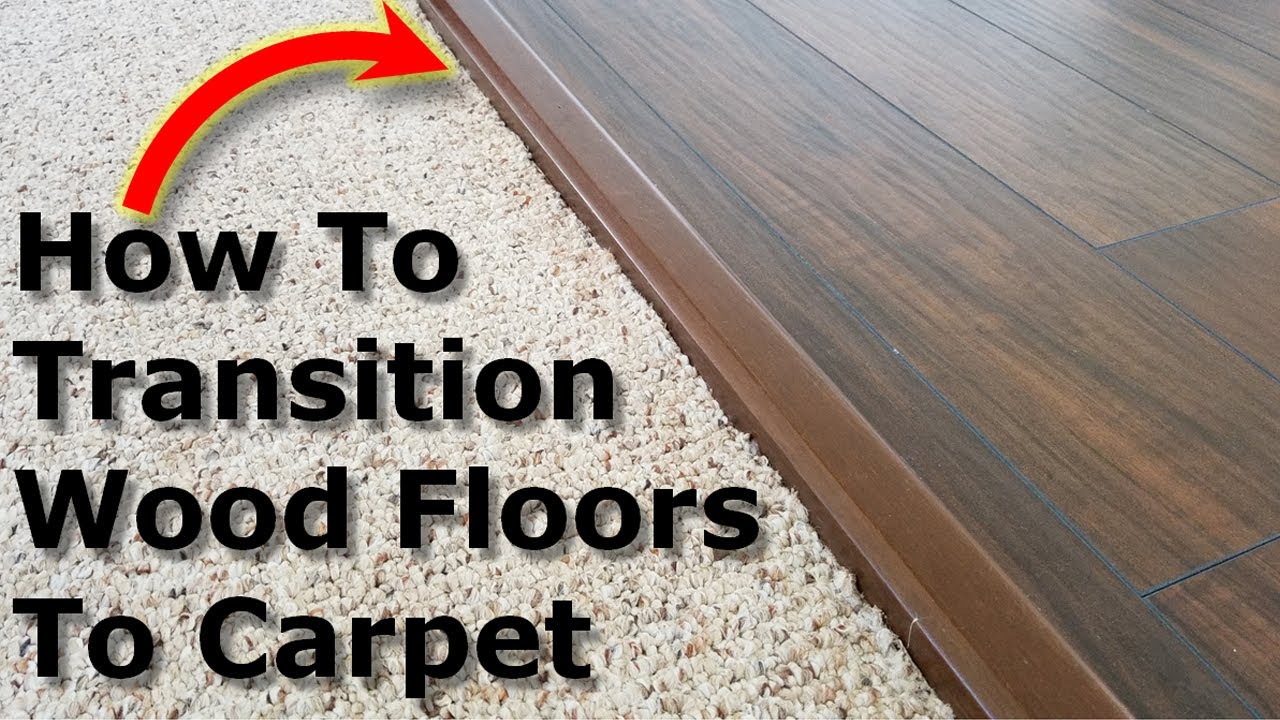
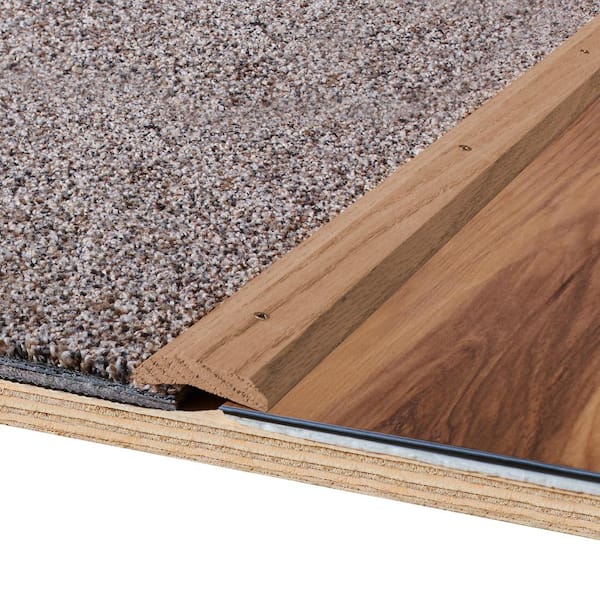
There are several types of transition strips for wood to carpet. T-molding fits between floors of the same height. It creates a clean, even line. Reducer strips work when wood floors are higher than carpet. They slope down gently to meet the carpet. Carpet-to-wood strips have a lip that tucks under the carpet edge. They hold carpet firmly in place. End cap strips finish the edge of the wood floor next to the carpet. Choose the type that best fits the height difference and room style.
Materials And Finishes
Transition strips come in many materials. Wood strips match wood floors for a natural look. Metal strips offer durability and a modern style. Vinyl strips are flexible and easy to install. Finishes vary from glossy to matte. Choose a finish that blends well with both floors. The material should be sturdy to handle foot traffic. Consider moisture resistance, especially in kitchens or bathrooms.
Matching With Flooring Styles
The transition strip should fit the room’s design. For classic wood floors, choose wooden strips with similar stain. Light wood floors pair well with light-colored strips. Dark wood floors look good with dark or contrasting strips. Neutral colors work well with most carpets. Avoid strips that stand out too much. The goal is a smooth, natural transition between floors. This keeps the space looking balanced and neat.
Credit: www.youtube.com
Measuring And Preparing The Space
Preparing the space for a wood floor to carpet transition is a key step. Careful measuring and cleaning create a smooth, safe edge. This helps the new transition look neat and last longer.
Accurate Measurements
Start by measuring the width of both the wood floor and carpet edges. Use a tape measure for exact numbers. Note the height difference between the two floors. This guides choosing the right transition strip size. Double-check all numbers to avoid mistakes.
Cleaning And Leveling The Area
Clear the area of dust and dirt. Sweep or vacuum both floor edges thoroughly. Check for uneven spots or bumps. Use a leveling compound if needed to create a flat surface. A clean, flat space helps the transition fit perfectly.
Removing Old Transition Pieces
Carefully take out any old transition strips or molding. Use a pry bar or screwdriver to lift pieces without damage. Remove nails or glue residue left behind. A clean base allows new materials to stick well and look better.
Installation Techniques
Installing a wood floor to carpet transition strip creates a smooth change between two surfaces. It protects edges and stops tripping. Proper installation ensures durability and a clean look. The process is simple with the right tools and clear steps.
Tools Needed
Gather a hammer, measuring tape, saw, and screwdriver. Use a drill for pilot holes if needed. A utility knife helps trim carpet edges. Have the transition strip and nails or screws ready. A level ensures the strip lies flat.
Step-by-step Installation
Start by measuring the doorway width. Cut the transition strip to fit exactly. Trim carpet edges close to the wood floor. Place the strip over the gap. Check alignment and adjust as needed. Mark holes for nails or screws on the floor. Drill pilot holes to avoid splitting wood.
Securing The Transition Strip
Attach the strip using nails or screws. Press firmly to keep it tight against the floor. Drive nails or screws in straight and flush. Avoid over-tightening to prevent damage. Check for any loose spots and fix them. Clean the area to finish the job neatly.
Handling Height Differences
Handling height differences between wood floors and carpets is key for a smooth transition. Uneven surfaces can cause tripping and damage. Proper solutions keep floors safe and look neat. This section covers practical ways to manage these height gaps.
Using Reducer Strips
Reducer strips are popular for bridging small height differences. They create a gentle slope from wood to carpet. These strips usually match wood flooring color. This helps maintain a consistent look across rooms. Installing reducer strips is quick and affordable. They protect floor edges from wear and tear. Reducer strips work best when the height gap is less than half an inch.
Custom Solutions For Uneven Floors
Some floors need custom solutions due to bigger height gaps. Floor leveling compounds can raise the lower surface before carpet installation. This evens out the height difference safely. Carpeting can also be adjusted with extra padding. Custom trim pieces can cover irregular edges. Hiring a flooring professional ensures the best fit. Custom solutions prevent bumps and improve durability.
Maintaining A Seamless Look
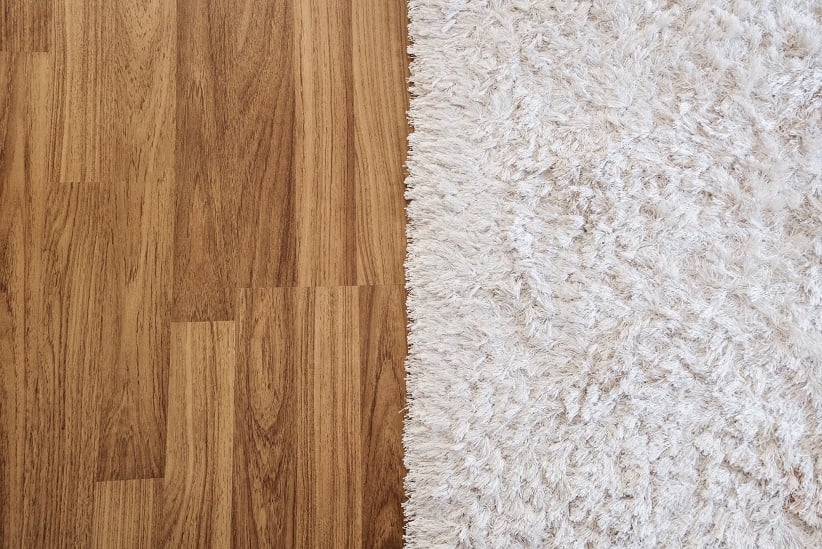
Maintaining a seamless look between wood floors and carpet is key for a neat home appearance. The transition area can easily become a spot where dirt gathers or wear shows. Taking small steps keeps this area clean and looking fresh. A smooth transition helps rooms flow and feel more connected.
Regular Cleaning Tips
Clean the transition strip often to avoid dirt buildup. Use a soft broom or vacuum with a brush attachment. Wipe the area with a damp cloth to remove dust and stains. Avoid harsh chemicals that can damage wood or carpet fibers. Keep both surfaces clean to prevent wear and color fading.
Repairing Minor Damages
Check the transition strip for scratches or dents. Small damages can be fixed with wood filler or touch-up markers. For carpet edges, trim loose fibers carefully to stop fraying. Repair early to avoid bigger problems. A little care keeps the transition strip looking new.
When To Replace Transition Strips
Replace the strip if it cracks, warps, or breaks. If it no longer fits snugly, it can cause tripping hazards. Also, replace when stains or damage cannot be cleaned or repaired. Choose a strip that matches both flooring types. A good fit keeps the look smooth and safe.
Credit: 50floor.com
Creative Design Ideas
Creative design ideas make the wood floor to carpet transition look smooth and stylish. A well-planned transition adds charm to your rooms. It also helps to blend two different flooring types seamlessly. Use colors, patterns, or moldings to create an eye-catching effect. These ideas bring personality and flow to your home.
Color Coordination
Choose colors that match or complement each other. Use carpet shades that blend with wood tones. Light wood pairs well with soft, neutral carpets. Dark wood suits richer, deeper carpet colors. A good match creates harmony and balance. This makes the transition less noticeable and more elegant.
Incorporating Patterns
Patterns add interest to the transition area. Use patterned rugs or carpets near the wood floor edge. Geometric or floral designs work well. Patterns can highlight the border between wood and carpet. They also add texture and style. This design choice brings life and character to your space.
Using Decorative Moldings
Decorative moldings create a neat, finished look. Use wood or metal strips to frame the transition. Moldings protect edges from wear and tear. They also add a touch of sophistication. Choose moldings that match your decor style. This simple addition makes the floor change look intentional and polished.
Credit: www.homedepot.com
Frequently Asked Questions
What Is The Best Way To Transition From Wood Floor To Carpet?
The best way is to use a transition strip that matches both surfaces. It helps cover the gap and creates a smooth edge. This prevents tripping and gives a neat look.
How Do I Choose The Right Transition Strip For Wood To Carpet?
Pick a strip that fits the height difference between wood and carpet. Materials like wood, metal, or rubber work well. Choose a color that blends with your floors for a clean finish.
Can I Install A Wood To Carpet Transition Myself?
Yes, it is possible with basic tools like a saw and screws. Measure carefully and follow instructions for the transition strip. Take your time to ensure a tight and even fit.
How Do I Maintain A Wood To Carpet Transition Strip?
Keep the area clean by vacuuming and wiping regularly. Check for loose screws or damage every few months. Tighten or replace parts to keep it safe and looking good.
Conclusion
Creating a smooth wood floor to carpet transition improves any room’s look. Choose the right tools and materials for a clean finish. Measure carefully to avoid gaps or bumps. Take your time during installation for best results. A neat transition adds comfort and style to your home.
Small details make a big difference in flooring projects. Enjoy the blend of textures and warmth this change brings. Keep your floors safe and attractive with proper care. You can do this with patience and simple steps.