Is your wooden floor making that annoying creaking sound every time you walk across it? You’re not alone.
That squeaky noise can be more than just a minor irritation—it might be a sign of something that needs your attention. Imagine walking barefoot in your home, and every step reminds you of that persistent creak. It’s distracting and can even make your space feel less cozy.
But don’t worry—understanding why your wood floor creaks and how to fix it can bring back the peaceful, quiet home you deserve. Keep reading, and you’ll discover simple, effective ways to stop those creaks for good.
Common Causes Of Floor Creaking
Wood floor creaking is a common problem in many homes. It can be annoying and sometimes cause worry. Understanding the causes helps find the right fix. Creaking sounds come from parts of the floor rubbing or moving. These sounds often mean something is loose or changing inside the floor.
Loose Floorboards
Loose floorboards are a main cause of creaking. Boards can shift or lift slightly over time. Walking on these boards causes them to rub against nails or other boards. This rubbing creates the creaking noise. Tightening or securing loose boards often stops the sound.
Humidity And Temperature Changes
Wood expands and contracts with humidity and temperature. High humidity makes wood swell, while dry air causes it to shrink. These changes cause floorboards to move and rub. This movement leads to creaks. Keeping indoor humidity stable helps reduce this problem.
Subfloor Issues
The subfloor supports the floorboards above. If the subfloor is damaged or uneven, it causes movement. This movement creates friction and noise. Warped or weak subfloors need repair to stop creaking sounds.
Nail And Screw Problems
Old or loose nails and screws can cause floor creaking. Nails may back out or loosen over time. This allows floorboards to move and rub. Replacing or tightening nails and screws reduces these noises.
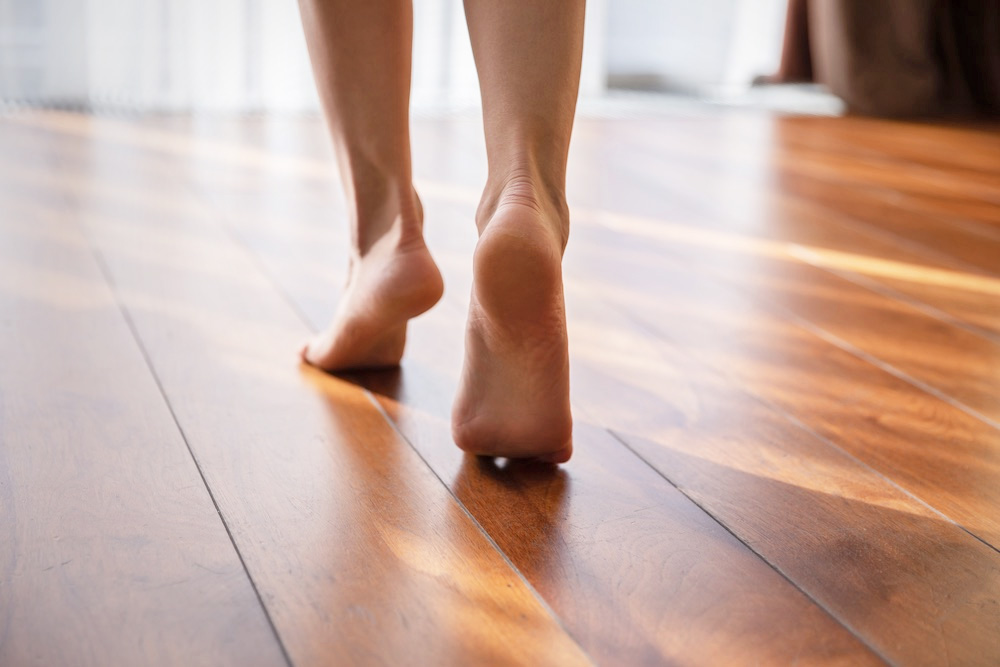
Credit: permapier.com
Quick Fixes For Creaking Floors
Creaking wood floors can be annoying and distracting. Quick fixes help stop those noises fast. Most solutions use easy tools and simple steps. These methods work well for small creaks and squeaks. Try these fixes to make walking on your floors quiet again.
Using Powdered Graphite
Powdered graphite is a dry lubricant. It stops friction between floorboards. Sprinkle graphite into cracks or gaps. Walk on the floor to spread it inside. The powder reduces the noise by easing movement. It does not stain or damage wood.
Applying Talcum Powder
Talcum powder also works to reduce floor creaks. Use a soft brush to push powder into seams. The powder fills tiny spaces and cuts down noise. Sweep away any extra powder on the surface. Talcum powder is cheap and easy to find.
Lubricating With Wd-40
WD-40 helps loosen tight floorboards. Spray a small amount along creaky areas. Use a cloth to wipe off extra liquid. This spray stops wood from rubbing loudly. Test first in a hidden spot to avoid stains.
Tightening Loose Boards
Loose boards often cause floor creaks. Secure them with nails or screws. Drive fasteners into joists under the floor. Make sure screws are flush with the wood. Tight boards move less and stop making noise.
Diy Repairs For Persistent Creaks
Wood floor creaks can be annoying and hard to ignore. Many creaks happen because the wood moves or rubs against other parts. You can fix these noises yourself with some simple tools. These DIY repairs save money and keep your floors quiet. Follow easy steps for lasting results.
Securing With Finishing Nails
Find the creaky spot by walking over the floor. Use a hammer and finishing nails to secure loose boards. Drive nails carefully near the edges of the plank. This pulls the board tight to the joist underneath. Nail heads should be small to avoid damage. Countersink nails slightly, then fill holes with wood putty. This method stops movement and reduces noise.
Adding Wood Shims
Gaps between floorboards and joists cause creaks. Insert thin wood shims into these spaces to stop movement. Use a putty knife to gently tap shims in tight spots. Trim any excess shim material with a knife. Avoid forcing shims too hard, or wood may split. Shims fill empty space, making the floor firmer and quieter.
Replacing Damaged Boards
Sometimes, boards wear out or crack and cause creaks. Remove the damaged board carefully by prying it up. Cut a new board to fit the empty space exactly. Secure the new board with finishing nails or glue. Sand the edges smooth for a neat finish. Replacing old boards restores strength and stops creaking sounds.

Credit: www.discountflooringdepot.co.uk
Preventing Future Floor Creaks
Preventing future floor creaks is important for a quiet and comfortable home. Creaks often appear due to changes in wood or loose boards. Taking steps to stop these noises saves time and money. Simple actions can keep floors stable and silent for years.
Controlling Indoor Humidity
Wood expands and shrinks with humidity changes. Too much moisture makes wood swell and creak. Dry air causes gaps and loose boards. Use a humidifier in dry seasons. A dehumidifier helps during wet months. Keep indoor humidity between 35% and 55% for best results. This balance protects wood and prevents creaks.
Regular Floor Maintenance
Check floors often for loose nails or screws. Tighten any that are loose to stop movement. Clean floors gently to avoid damage. Use a soft broom or vacuum with a hardwood setting. Avoid water or harsh cleaners that can warp wood. Small repairs done early stop bigger problems later.
Proper Installation Tips
Good installation reduces creaks from the start. Leave space for wood to expand near walls. Use the right nails or staples at correct depths. Secure the subfloor tightly under the wood. Avoid installing wood in very humid or wet areas. Hiring experienced installers also helps ensure quiet floors.
When To Call A Professional
Wood floor creaking is common. Small noises may seem harmless. Yet, some sounds signal bigger problems. Knowing when to call a professional saves time and money. Experts can spot hidden damage early. They use tools and skills to fix issues right. Don’t ignore persistent or loud creaks. These may mean serious damage below.
Structural Concerns
Strong creaks can mean structural problems. Floors may shift or sag. Support beams might weaken or crack. These issues affect home safety. Professionals inspect the whole floor frame. They find weak spots that need repair. Early action prevents costly damage later.
Extensive Subfloor Damage
Subfloor damage causes major creaking sounds. Water leaks, pests, or age may cause decay. Soft spots under the wood are clear signs. Professionals check under the floorboards carefully. They replace or reinforce damaged areas. Fixing subfloor damage stops creaks and protects floors.
Large-scale Repairs
Some problems need wide repairs. Multiple boards or large floor sections may move. Patchwork fixes do not last long. Professionals remove and replace damaged parts properly. They ensure the floor is level and stable. Large repairs keep floors safe and quiet for years.

Credit: www.youtube.com
Frequently Asked Questions
Why Does My Wood Floor Creak When I Walk On It?
Wood floors creak due to movement between floorboards or subfloor. Changes in humidity make wood expand and contract, causing noise. Loose nails or screws can also cause creaking sounds.
How Can I Stop My Wood Floor From Creaking?
Identify loose floorboards and secure them with nails or screws. Use talcum powder or graphite between boards to reduce friction. Maintaining stable humidity levels helps prevent creaking over time.
Is Wood Floor Creaking A Sign Of Damage?
Creaking alone does not always mean damage. It often results from normal wood movement or loose fasteners. Persistent or worsening creaks might need a professional inspection.
Can Humidity Affect Wood Floor Creaking?
Yes, wood expands in high humidity and shrinks in dry air. This natural movement can cause boards to rub and creak. Using a humidifier or dehumidifier can help control creaking issues.
Conclusion
Wood floor creaking can be annoying but often easy to fix. Small gaps or loose boards usually cause the noise. Tightening screws or adding lubricant might help stop the creaks. Keep checking your floor regularly to catch problems early. Quiet floors make your home feel more comfortable and peaceful.
Simple care and attention can keep wood floors sound and strong. Don’t let creaking floors disturb your daily life or rest. A little effort goes a long way in maintaining your wood floor.