Are you thinking about upgrading your floors but don’t know where to start? LVP flooring might be exactly what you need.
It’s stylish, durable, and surprisingly affordable. But what is LVP flooring, and why is it becoming so popular? You’ll discover everything you need to know about LVP flooring—how it looks, why it lasts, and how it can transform your space.
Keep reading, because understanding this flooring option could change the way you think about your home’s floors forever.
Credit: liveatgateway.com
Lvp Flooring Basics
LVP flooring basics reveal why this type of flooring is popular. LVP stands for Luxury Vinyl Plank. It looks like real wood but is made from vinyl. It offers an affordable and durable option for many homes.
People choose LVP for its water resistance and easy maintenance. It fits well in busy areas and places with moisture, like kitchens and bathrooms. Understanding LVP’s material, making process, and uses can help you decide if it suits your space.
Material Composition
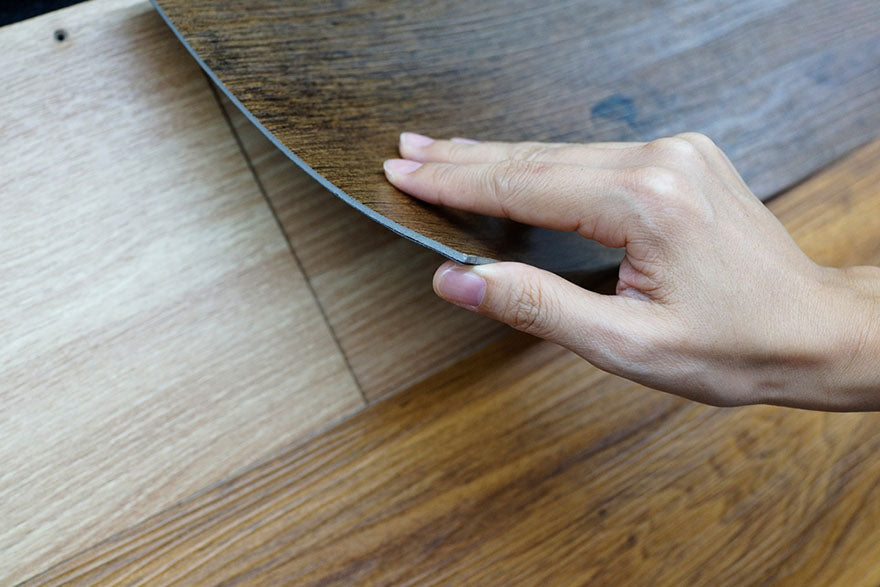
LVP is made from several layers. The top layer is a clear protective coating. This layer guards against scratches and stains. Below it is a printed vinyl layer that shows the wood design. A core layer adds strength and stability. The bottom layer provides support and helps with sound absorption.
How Lvp Is Made
Manufacturers use a process called extrusion to make LVP. Vinyl materials melt into sheets or planks. These planks get printed with wood-like patterns. Then, layers are pressed together under heat and pressure. This method creates strong and flexible flooring planks.
Common Uses
LVP works well in homes, offices, and retail spaces. Its water resistance makes it ideal for kitchens, bathrooms, and basements. It also fits high-traffic areas because it resists wear. Many people choose LVP to get the look of wood without the cost or upkeep.
Design Options
LVP flooring offers many design choices. It fits many styles and rooms. The variety lets you find the perfect look for your home. You can pick colors, patterns, textures, and finishes that suit your taste. This flexibility makes LVP a popular flooring option.
Colors And Patterns
LVP comes in many colors. From light to dark shades, there is something for everyone. You can choose simple, solid colors or bold, eye-catching patterns. Some designs mimic classic tiles or geometric shapes. This variety helps match any room’s style and mood.
Textures And Finishes
LVP flooring offers different textures to touch and see. Some have a smooth finish, while others feel rough or grainy. You can find matte, glossy, or satin finishes. These options add depth and character to your floor. The texture also helps prevent slipping.
Imitating Natural Materials
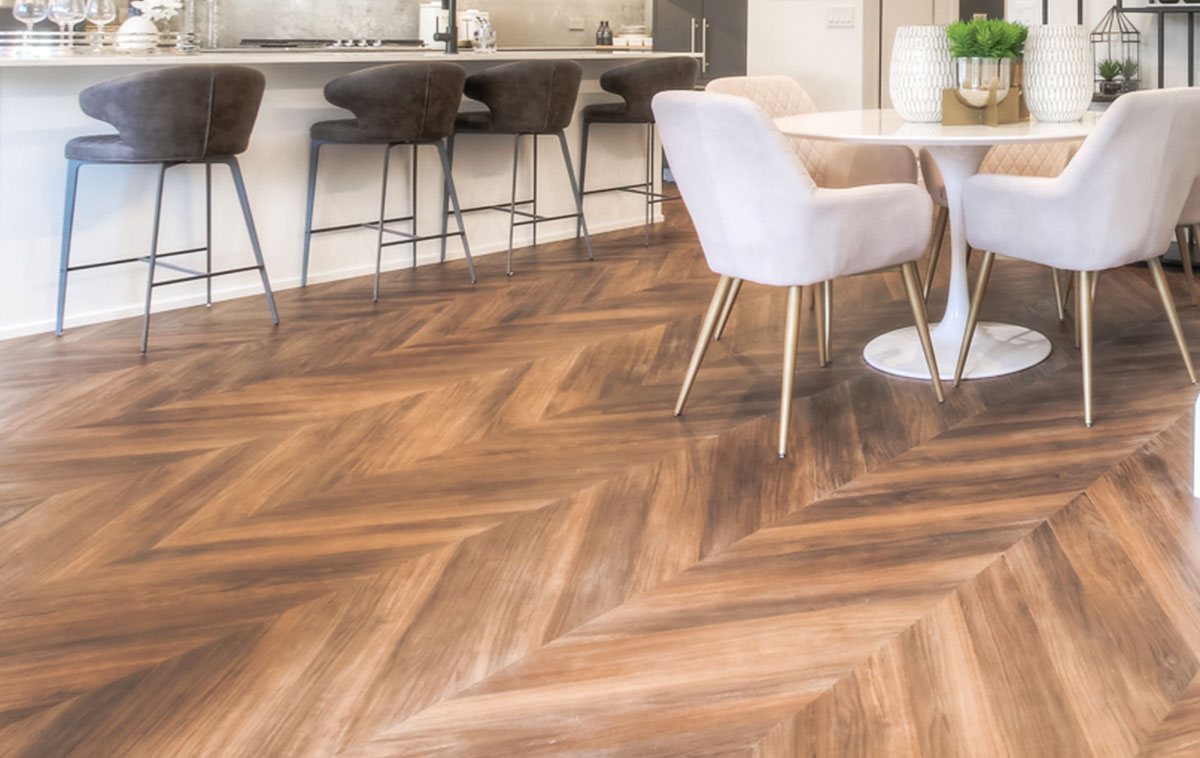
LVP often copies natural materials like wood, stone, or tile. The designs look real and add warmth to your space. Wood-like planks show grains and knots for a natural feel. Stone patterns display veins and color changes. This makes LVP a stylish yet affordable choice.
Durability Features
Luxury Vinyl Plank (LVP) flooring is known for its strong durability. It can handle daily wear and tear well. This makes it a popular choice for busy homes and commercial spaces. Let’s explore the key durability features that make LVP flooring reliable and long-lasting.
Water Resistance
LVP flooring resists water and moisture effectively. Its core material does not absorb water. This prevents swelling, warping, and damage from spills or humidity. Bathrooms, kitchens, and basements benefit from this feature. You can clean LVP floors with water without worry.
Scratch And Stain Resistance
The top layer of LVP flooring protects against scratches and stains. It shields against pet claws, furniture, and foot traffic. Stains from food, drinks, and dirt wipe off easily. This keeps the floor looking new for years. It is a smart choice for active households.
Impact And Wear Tolerance
LVP flooring absorbs impact from dropped objects well. It resists dents and marks better than many other floors. The wear layer guards against fading and surface damage. This helps maintain its appearance over time. It stands up to heavy use without losing charm.
Credit: www.thewcsupply.com
Installation Methods
Luxury Vinyl Plank (LVP) flooring offers several ways to install it. Each method changes how the floor feels and how long it takes to finish. Knowing the options helps you choose the best fit for your project and skill level.
Floating Floors
Floating floors do not attach to the subfloor. Instead, planks lock together and rest on a foam underlayment. This method is quick and easy for beginners. It also allows the floor to expand and contract with temperature changes.
Glue-down Installation
This method uses adhesive to stick the planks directly to the floor. Glue-down installation creates a firm, stable surface. It suits areas with heavy traffic and uneven subfloors. Proper drying time is important to avoid shifting.
Click-lock Systems
Click-lock systems have planks that snap together. No glue or nails are needed. This system is simple and fast to install. It provides a tight fit, reducing movement and gaps over time.
Maintenance Tips
Maintaining LVP flooring keeps it beautiful and durable. Proper care helps avoid costly repairs and keeps your floor looking fresh. Follow simple steps to clean and protect your flooring every day.
Cleaning Techniques
Sweep or vacuum regularly to remove dust and dirt. Use a soft broom or vacuum without a beater bar. Mop with a damp cloth or mop using warm water and mild soap. Avoid harsh cleaners or abrasive tools that can scratch the surface. Wipe spills immediately to prevent stains or damage.
Preventing Damage
Place felt pads under furniture legs to avoid scratches. Use rugs or mats in high-traffic areas and entryways. Avoid walking on LVP flooring with sharp or heavy shoes. Keep pet nails trimmed to prevent marks. Do not drag heavy items across the floor; lift them instead.
Long-term Care
Check flooring regularly for signs of wear or damage. Repair small scratches with a vinyl floor repair kit. Keep your home’s humidity between 40% and 60% to prevent floor warping. Avoid exposure to direct sunlight for long periods. Rotate rugs and furniture to ensure even wear across the floor.
Cost Considerations
Cost is a big factor when choosing LVP flooring. It affects your budget and the quality you get. Understanding the costs helps you make a smart choice. Let’s break down the price details and compare LVP to other floors.
Price Range
LVP flooring prices vary based on quality and brand. Basic options start around $2 per square foot. Higher-end styles can reach $7 or more per square foot. Installation costs add about $1 to $3 per square foot. Overall, LVP fits many budgets due to its range.
Comparing With Other Flooring
LVP is usually cheaper than hardwood and tile. Hardwood floors often cost $5 to $10 per square foot. Tile prices vary, but many styles cost $3 to $7 per square foot. Carpet can be cheaper but wears out faster. LVP offers a good balance of price and durability.
Value For Money
LVP flooring lasts long and resists water and scratches. It needs little maintenance and looks like real wood or stone. These benefits save money over time. LVP combines beauty, strength, and cost-effectiveness. It gives solid value for the price paid.
Environmental Impact
Luxury Vinyl Plank (LVP) flooring is popular for its look and durability. Its environmental impact is an important factor to consider. Understanding how LVP affects the planet helps in making better choices for your home and the earth.
Sustainability Factors
LVP flooring uses less natural resources than hardwood. It requires less water and energy during production. Some manufacturers use recycled materials in their LVP products. This lowers the need for new raw materials. LVP can last many years, reducing waste from frequent replacements.
Recyclability
Recycling LVP is challenging but possible. Some facilities accept used vinyl flooring for recycling. Recycled LVP can be turned into new flooring or other products. Proper disposal helps keep vinyl out of landfills. It is important to check local recycling options for LVP.
Eco-friendly Options
Some LVP brands offer eco-friendly versions. These use fewer harmful chemicals and safer manufacturing processes. Low-VOC (volatile organic compound) LVP improves indoor air quality. Look for products with environmental certifications. Choosing these options supports healthier homes and a cleaner planet.
:max_bytes(150000):strip_icc()/plank-vinyl-for-self-install-floor-covering-1821633-481f81f35cee46f19ff4df2fe0b0caf1_1-c64854cc3ce441a084dab7971e6a9aae.jpg)
Credit: www.thespruce.com
Best Rooms For Lvp
LVP flooring fits many rooms well. It is tough, water-resistant, and looks great. Many homeowners choose LVP for its balance of style and function. The right room can benefit a lot from LVP’s features. Below are some top rooms where LVP shines.
Kitchens And Bathrooms
Kitchens and bathrooms face moisture and spills daily. LVP handles water better than wood or carpet. It resists stains and cleans easily. The flooring stays strong under heavy foot traffic. Its waterproof nature keeps the floor safe from damage. LVP also adds warmth and comfort to these spaces.
Living Areas
Living rooms and family rooms need floors that last. LVP offers a soft feel underfoot with great durability. It comes in many styles to match any décor. The flooring holds up well to pets and kids. LVP’s noise reduction helps keep these areas quiet and cozy. It is an affordable way to update living spaces.
Commercial Spaces
Businesses need floors that look good and stand up to use. LVP offers a professional appearance with high durability. It resists scratches and dents from daily wear. Easy maintenance saves time and money for business owners. LVP’s quick installation reduces downtime in busy areas. It suits offices, shops, and other commercial places well.
Common Myths
Many people have wrong ideas about LVP flooring. These myths can stop them from choosing it. Understanding the facts helps in making better decisions. Let’s clear up some common myths about LVP flooring.
Durability Misconceptions
Some think LVP flooring wears out fast. This is not true. LVP is made to resist scratches and dents. It stands strong in busy homes. Water and stains do not harm it easily. It lasts many years with proper care.
Appearance Doubts
People doubt LVP looks natural. The truth is LVP copies wood and stone well. It has real textures and patterns. It can look very close to real floors. Many choose LVP for its beauty and style.
Installation Challenges
Many believe LVP is hard to install. Actually, it is easy and quick to place. It often comes with click-lock edges. No glue or nails are needed. This makes it a popular choice for DIY projects.
Frequently Asked Questions
What Is Lvp Flooring Made Of?
LVP flooring is made from several layers of vinyl materials. It has a tough top layer that protects against scratches and stains. The core layer gives it strength and durability.
How Durable Is Lvp Flooring?
LVP flooring is very durable and resists water and wear well. It can handle heavy foot traffic and is scratch-resistant. This makes it ideal for kitchens and bathrooms.
Is Lvp Flooring Easy To Install?
Yes, LVP flooring is easy to install with click-lock or glue-down methods. It can often be placed over existing floors. Many homeowners can do it themselves without special tools.
Can Lvp Flooring Look Like Real Wood?
LVP flooring can closely mimic the look of real wood. It comes in many colors and patterns to match wood grains. It offers a realistic appearance without the high cost of hardwood.
Final Words
LVP flooring offers a durable and stylish option for any home. It looks like real wood but costs less and resists water. Easy to install and clean, it suits busy families well. Many colors and patterns fit different tastes. This type of flooring can improve a room’s feel quickly.
Choosing LVP means getting beauty and strength together. It works well in kitchens, bathrooms, and living spaces. Now, you understand what makes LVP flooring popular today. Consider it for your next flooring project.