Are you thinking about installing LVP flooring but unsure what goes underneath it? Knowing what to put under your luxury vinyl plank can make all the difference in how your floor looks, feels, and lasts.
Whether you want to avoid creaks, add comfort, or protect against moisture, the right underlayment is key. You’ll discover exactly what goes under LVP flooring and why it matters for your home. Keep reading to make sure your floor installation is smooth and your new floor stays beautiful for years to come.
Lvp Flooring Basics
Luxury Vinyl Plank (LVP) flooring is a popular choice for many homes. It combines style and durability. Understanding its basics helps you make better decisions. This section covers the key points about LVP flooring.
Material Composition
LVP flooring is made mostly of vinyl. It has several layers that protect it. The top layer is a clear wear layer. It keeps the floor safe from scratches. Below this is the design layer. This layer shows the wood or stone look. The core layer provides strength and stability. The bottom layer helps with moisture resistance.
Common Uses
LVP flooring fits well in many rooms. It works great in kitchens and bathrooms. These areas need water-resistant floors. Many people use LVP in living rooms too. It gives a warm, natural look. LVP is also good for basements. It handles moisture better than wood or carpet.

Credit: www.reddit.com
Subfloor Preparation
Preparing the subfloor is the first step before installing LVP flooring. A strong and smooth base helps the flooring last longer. It also prevents issues like gaps and uneven surfaces. Proper preparation makes the installation easier and results better.
Types Of Subfloors
Different floors need different bases. Common subfloors include plywood, concrete, and existing vinyl. Plywood is popular in wood-frame homes. Concrete is common in basements and ground floors. Existing vinyl can sometimes work if it is flat and firm. Knowing your subfloor type helps choose the right prep method.
Cleaning And Leveling
Cleaning removes dirt, dust, and debris. A clean surface helps the flooring stick better. Use a broom or vacuum to clean the area well. Leveling is very important. Use a leveling compound to fill holes or cracks. Check for bumps and sand them down if needed. A flat surface prevents damage and wear.
Underlayment Options
Choosing the right underlayment for LVP flooring is important. It helps protect the floor and makes it last longer. Underlayment also adds comfort and reduces noise. Different types of underlayment work best for different needs.
This section explains the main underlayment options for LVP flooring. Learn about their purpose, types, and the role of moisture barriers.
Purpose Of Underlayment
Underlayment creates a smooth surface for LVP flooring. It hides small bumps or cracks in the subfloor. It also adds cushioning, making floors softer underfoot. Noise reduction is another key benefit. Underlayment can stop sounds from echoing in a room. It helps protect the floor from damage caused by moisture. This extends the life of your LVP flooring.
Types Of Underlayment
Foam underlayment is common and affordable. It provides good cushioning and sound absorption. Felt underlayment is denser and offers better soundproofing. Cork underlayment is natural and eco-friendly. It is soft and reduces noise well. Rubber underlayment is thicker and durable. It works well in areas with heavy foot traffic. Some underlayments come with built-in moisture barriers.
Moisture Barriers
Moisture barriers stop water from reaching LVP flooring. They prevent mold and floor damage. These barriers are important on concrete subfloors. Plastic sheets or special films often serve as moisture barriers. Some underlayments include moisture protection layers. Moisture barriers help maintain a dry and safe floor.

Credit: www.reddit.com
Soundproofing Layers
Soundproofing layers play a key role under LVP flooring. They help to reduce noise and make rooms quieter. These layers block sounds from footsteps and other movements. They also stop sounds from traveling between floors. Choosing the right soundproofing layer improves comfort in your home or office.
Reducing Noise Transmission
Noise travels through hard floors easily. Soundproofing layers absorb these sounds. They act like cushions that soften footfalls. This reduces echoes and loud noises in rooms. The layers lower the impact noise from walking or dropping things. They also stop sound from passing to lower floors. This creates a peaceful and quiet space.
Best Materials For Soundproofing
Cork is a popular choice. It is soft, durable, and naturally quiet. Foam underlayment also works well. It is lightweight and absorbs sound effectively. Rubber mats offer strong noise reduction. They are dense and last a long time. Felt pads are affordable and easy to install. Each material suits different budgets and needs. Choosing the right one depends on your space and noise level.
Moisture Protection
Moisture protection is key under LVP flooring. It keeps floors dry and safe from damage. Water or dampness can ruin the floor and cause mold. A good moisture barrier stops moisture from reaching the LVP. This keeps the floor strong and looking good for years.
Importance Of Moisture Barriers
Moisture barriers stop water from moving up through concrete or wood. Without this, moisture can cause warping or swelling of the floor. It also prevents mold and mildew growth under the floor. This keeps the air clean and safe in your home. Moisture barriers help the flooring last longer. They protect your investment and keep your home healthy.
Installation Techniques
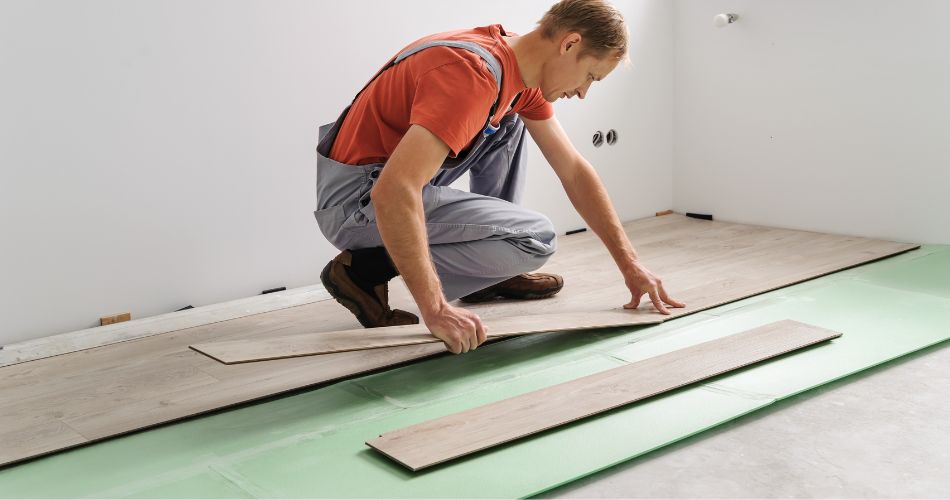
Place the moisture barrier directly on the subfloor. Make sure it covers the entire surface without gaps. Overlap the edges and tape them to seal well. Use a plastic sheet or special underlayment designed for moisture. Smooth out wrinkles to avoid uneven flooring. Follow the product instructions for best results. Proper installation stops moisture and keeps the floor stable.
Thermal Insulation
Thermal insulation plays a key role under LVP flooring. It helps keep your home warm in winter and cool in summer. Proper insulation reduces energy bills and creates a comfortable living space. It also protects the floor from moisture and cold air coming from below.
Benefits Of Insulation Under Lvp
Insulation improves indoor comfort by maintaining steady temperatures. It lowers heat loss through the floor, saving on heating costs. During hot months, it blocks heat from entering your rooms. Insulation also reduces noise, making your home quieter. It protects against dampness that can damage your flooring. Overall, insulation extends the life of your LVP floor.
Suitable Insulation Materials
Cork underlayment is popular for its natural insulation and soundproofing. Foam padding offers good thermal resistance and cushioning. Rubber underlay works well for moisture control and durability. Felt pads provide basic insulation and are eco-friendly. Choose materials that are compatible with LVP flooring and your home’s needs.
Installation Tips
Installing luxury vinyl plank (LVP) flooring requires careful attention to what goes underneath. Proper preparation ensures the floor looks great and lasts longer. Follow these simple tips to make your installation smooth and successful.
Layer Alignment
Align the underlayment and subfloor layers precisely. Even surfaces prevent uneven planks and gaps. Make sure seams in underlayment do not line up with plank seams. This reduces the risk of bumps or weak spots. Always lay layers flat without wrinkles or folds.
Securing Layers
Secure each layer firmly to avoid movement. Tape underlayment seams with recommended adhesive tape. Nail or screw the subfloor properly to stop squeaks and shifting. Avoid loose or loose-fitting layers. Tight layers help the LVP flooring stay stable and last longer.
Common Mistakes To Avoid
Do not install LVP over wet or uneven surfaces. Moisture causes damage and warping. Skip old carpet or padding; they create an unstable base. Avoid overlapping underlayment layers. This can cause lumps and affect plank locking. Always follow manufacturer instructions for best results.
Credit: www.jonapanels.com
Frequently Asked Questions
What Type Of Underlayment Is Best For Lvp Flooring?
A moisture barrier underlayment is ideal for LVP flooring. It protects against dampness and adds cushioning for comfort.
Do I Need A Vapor Barrier Under Lvp Flooring?
Yes, a vapor barrier helps prevent moisture from damaging the floor. It is essential in basements or areas with high humidity.
Can Lvp Flooring Go Directly On Concrete?
You can install LVP directly on clean, dry, and level concrete. Use an underlayment or vapor barrier to protect against moisture.
What Thickness Should The Underlayment Be For Lvp Floors?
An underlayment between 1mm and 2mm thick works well with LVP. It provides support without raising the floor too much.
Final Words
Choosing the right underlayment for LVP flooring matters a lot. It protects the floor and keeps it stable. A good underlayment reduces noise and adds comfort. It also helps with moisture control under the floor. Make sure to pick materials that fit your needs and budget.
Proper installation ensures your floor lasts longer and looks great. Remember, a strong base supports a beautiful floor. Take your time and prepare well before laying LVP flooring. Your floor will thank you later.