If you’re thinking about upgrading your floors, you’ve probably come across the term “LVP” and wondered what it means. Understanding what LVP stands for in flooring can help you make smarter choices for your home or office.
This type of flooring is gaining popularity for its unique benefits, but do you really know why? Keep reading, and you’ll discover what makes LVP a top choice and whether it’s the right fit for your space. Your next flooring decision could be easier than you think.

Credit: www.reallycheapfloors.com
Luxury Vinyl Plank Basics
Luxury Vinyl Plank, or LVP, is a popular choice for many homeowners. It offers the look of real wood but costs less and lasts longer. LVP is easy to install and maintain, making it a favorite in busy homes. This flooring works well in kitchens, bathrooms, and basements because it resists water and scratches.
Understanding the basics of LVP helps you choose the right floor for your space. The material, design, and durability all play a role in its appeal. Below, learn more about what LVP is and the history of vinyl flooring.
What Is Lvp?
LVP stands for Luxury Vinyl Plank. It is a type of vinyl flooring made to look like wood planks. Each plank has several layers. These layers include a wear layer, a design layer, a core, and a backing. The wear layer protects the floor from scratches and stains. The design layer shows the wood pattern. The core gives strength and stability. The backing supports the entire plank.
LVP is waterproof and easy to clean. It is softer underfoot than hardwood or tile. Many styles and colors are available to match different decors. The plank shape makes it simple to install, often with a click-lock system. This flooring suits both DIY projects and professional installation.
History Of Vinyl Flooring
Vinyl flooring first appeared in the 1930s. It was made as a low-cost alternative to natural materials. Early vinyl floors were simple sheets that covered entire rooms. Over time, technology improved the material’s look and durability.
In the 1980s, luxury vinyl tiles (LVT) and planks (LVP) were developed. These new products copied the appearance of wood and stone more closely. Manufacturers added layers for better wear and water resistance. Today, vinyl flooring is a top choice for many homes and businesses due to its versatility and price.
Types Of Lvp Flooring
Luxury Vinyl Plank (LVP) flooring comes in different types. Each type offers unique benefits and suits different needs. Understanding these types helps you choose the right flooring for your space.
LVP is popular for its durability and stylish look. It mimics real wood but costs less and is easier to maintain. Here are the main types of LVP flooring.
Rigid Core Lvp
Rigid Core LVP has a strong, thick core. This core makes the flooring firm and stable. It handles heavy foot traffic well and resists dents. Ideal for kitchens and busy rooms. It often includes waterproof features. Installation is usually simple, with click-lock systems.
Benefits Of Lvp
Luxury Vinyl Plank, or LVP, offers many benefits for flooring. It combines style and practical features. This makes it a popular choice for homes and businesses. LVP fits various needs and budgets. Here are key benefits to consider.
Durability And Longevity
LVP is strong and built to last. It can handle heavy foot traffic without damage. Scratches and dents are rare. This makes it ideal for busy areas. The material maintains its look for years. Less wear means less need for repairs.
Water Resistance
LVP resists water better than many floors. It works well in kitchens and bathrooms. Spills and moisture do not cause swelling. It prevents mold and mildew growth. This feature protects your home and health.
Ease Of Installation
LVP is easy to install by many people. It often comes in click-lock designs. No glue or nails are needed. This saves time and effort. Some homeowners install it themselves, saving money.
Cost-effectiveness
LVP offers good value for the price. It looks like real wood or stone but costs less. Maintenance expenses are low. It requires no special cleaners or treatments. This keeps your budget in check over time.
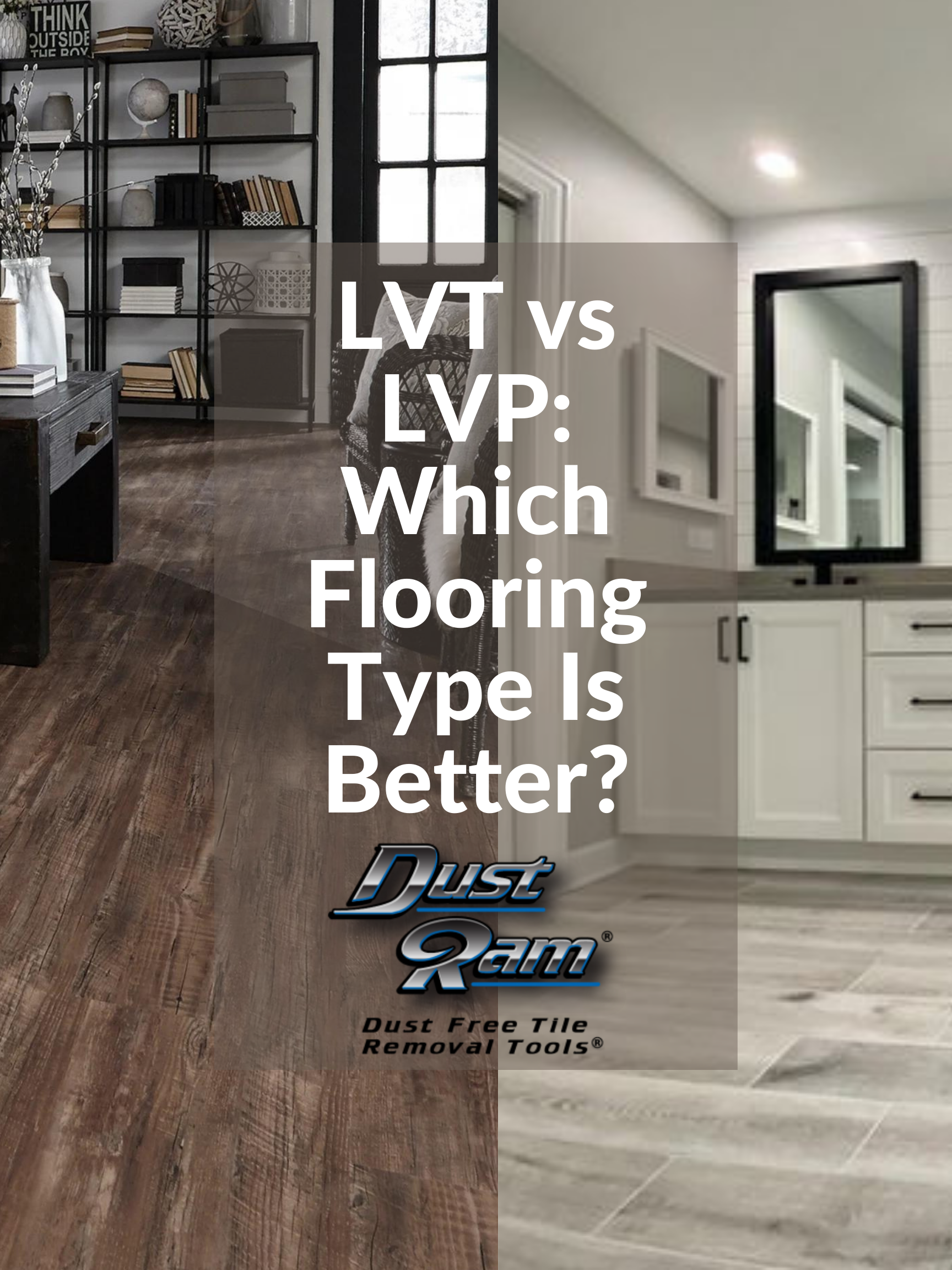
Credit: www.dustram.com
Design And Style Options
Luxury Vinyl Plank (LVP) flooring offers many design and style options. It fits various home styles and budgets. This versatility makes it a popular choice for many rooms. You can find designs that mimic natural materials closely. LVP also comes in different colors and textures. These choices help create the perfect look for your space.
Wood Look Planks
LVP often mimics real wood very well. You can find planks that look like oak, maple, or walnut. The grain patterns and knots add realism. These planks suit both modern and traditional rooms. They provide warmth and natural beauty without wood’s cost or maintenance.
Stone And Tile Patterns
Besides wood, LVP comes in stone and tile designs. Marble, slate, and ceramic tile patterns are common. These styles bring a clean, elegant look to kitchens and bathrooms. LVP stone and tile options are easier to install and maintain than real stone.
Color And Texture Variations
LVP flooring includes many colors, from light to dark shades. You can choose matte or glossy finishes. Textured surfaces mimic real materials closely. These features add depth and interest to floors. Color and texture variations help match any decor style.
Installation Methods
Luxury Vinyl Plank (LVP) flooring offers several installation methods. Each method suits different needs and skill levels. Understanding these helps you pick the best option for your space.
Click-lock Installation
Click-lock installation is popular for DIY projects. The planks have edges that snap together tightly. No glue or nails are needed. This method creates a strong, floating floor. It is quick and clean to install. You can easily remove or replace planks later.
Glue-down Installation
Glue-down installation uses adhesive to fix planks to the subfloor. This method provides a very stable and durable floor. It works well on concrete and plywood surfaces. Glue-down is best for high-traffic areas. It requires more time and skill than click-lock.
Floating Floors
Floating floors rest on the subfloor without attachment. The planks connect by click-lock or glue-free systems. A foam underlayment often goes beneath for cushioning. This method allows the floor to expand and contract. It suits uneven surfaces and is easy to install.
Maintenance Tips
Maintaining LVP flooring is simple with the right care. It keeps the floor looking new and lasts longer. Small daily actions protect the surface and prevent damage. Follow these tips to keep your floor in great shape.
Cleaning Techniques
Use a soft broom or vacuum to remove dust and dirt. Avoid using a vacuum with a beater bar. Mop with a damp cloth or mop. Use warm water and mild cleaner made for LVP floors. Do not use harsh chemicals or abrasive tools. Dry the floor after mopping to stop water damage.
Preventing Damage
Place felt pads under furniture legs to avoid scratches. Use rugs or mats in high-traffic areas. Avoid walking on the floor with high heels or sharp shoes. Clean spills immediately to prevent stains and warping. Keep pet nails trimmed to reduce scratches on the floor.
Repairing Scratches And Dents
Small scratches can be fixed with a vinyl floor repair kit. Follow the kit instructions for best results. For deeper dents, use a colored wax stick that matches the floor. Apply wax gently and wipe off excess. Replace damaged planks if repairs do not work well.
Comparing Lvp With Other Flooring
Choosing the right flooring can change the look and feel of any room. LVP, or Luxury Vinyl Plank, is a popular choice. It offers a balance of style, durability, and cost. Comparing LVP with other flooring types helps understand its benefits and drawbacks.
Each flooring type has its own features. Some focus on natural beauty, others on strength or ease of care. Knowing how LVP stacks up against hardwood, laminate, and tile can guide your decision.
Lvp Vs Hardwood
Hardwood floors provide a classic and warm look. They are made from real wood and can last for decades. LVP mimics wood but costs less. It resists water and scratches better than hardwood. Hardwood needs regular polishing and can be damaged by moisture. LVP is easier to maintain and works well in kitchens and bathrooms.
Lvp Vs Laminate
Laminate flooring looks like wood or stone but is made from compressed fiberboard. It is affordable and simple to install. LVP is more water-resistant and flexible. Laminate can swell if wet, while LVP holds up in moist areas. Both offer many design options. LVP feels softer and quieter underfoot compared to laminate’s harder surface.
Lvp Vs Tile
Tile floors are very durable and come in many styles. They work well in wet areas like bathrooms. LVP is warmer and softer than tile, making it comfortable to walk on. Tiles can crack if heavy objects fall. LVP resists impact better. Tile grout can stain and needs cleaning, unlike LVP which is easier to keep clean.
Environmental Impact
Understanding the environmental impact of LVP flooring helps make better choices. Flooring affects natural resources and waste levels. Choosing materials with less harm supports a healthier planet.
Sustainability Of Lvp
LVP stands for Luxury Vinyl Plank. It is made mostly from PVC, a type of plastic. Producing PVC uses fossil fuels and energy. This process can release harmful chemicals. LVP lasts a long time, reducing the need for frequent replacement. Long-lasting products help lower waste over time.
Recycling Options
LVP recycling is limited but growing. Some facilities accept vinyl flooring for recycling. The process breaks down vinyl to make new products. Recycling reduces landfill waste and saves resources. Check with local programs before disposing of old LVP.
Eco-friendly Alternatives
Alternatives to LVP include bamboo, cork, and natural wood. These options use renewable materials. They usually have lower chemical content and less pollution. Some offer recycling or composting after use. Choosing eco-friendly flooring helps protect air and water quality.
Cost Factors
Cost factors play a big role in choosing LVP flooring. Knowing these costs helps you plan your budget. LVP stands for Luxury Vinyl Plank, a popular flooring choice. The price depends on several things. Understanding these will guide your decision.
Material Costs
LVP material prices vary by quality and brand. Higher quality planks last longer and look better. Thicker planks usually cost more but offer better durability. Some designs mimic wood or stone, which can raise prices. Buying in bulk can sometimes lower the cost per plank.
Installation Expenses
Installation costs depend on the floor size and complexity. Professional installation ensures a smooth, long-lasting floor. Some homeowners install LVP themselves to save money. Additional costs include removing old flooring and preparing the subfloor. Uneven floors may need extra work, raising the price.
Long-term Value
LVP flooring is affordable and durable, saving money over time. It resists scratches, stains, and water damage well. Low maintenance means fewer repair costs. The floor’s lifespan can exceed 20 years with care. Choosing quality LVP adds value to your home.

Credit: standupflooring.com
Choosing The Right Lvp
Choosing the right LVP (Luxury Vinyl Plank) for your home is important. It affects how your floors look and how they perform. Not all LVP flooring fits every space or style. Think about what each room needs. Consider your style and budget. This helps you pick flooring that works well and looks great.
Assessing Room Requirements
Different rooms have different flooring needs. High-traffic areas need durable LVP. Kitchens and bathrooms need water-resistant options. Bedrooms can have softer textures. Measure the room size. Check the subfloor condition. These details guide your LVP choice.
Matching Style Preferences
LVP comes in many colors and patterns. Wood-look planks are popular. Stone and tile designs add variety. Choose colors that match your walls and furniture. Consider the room’s lighting. Pick textures that feel right underfoot. Style matters for a cohesive home look.
Budget Considerations
LVP prices vary by quality and brand. Set a budget before shopping. Balance cost with durability and design. Cheaper options may wear out faster. Higher-quality LVP often lasts longer. Think about installation costs too. Spending wisely saves money over time.
Frequently Asked Questions
What Does Lvp Stand For In Flooring?
LVP stands for Luxury Vinyl Plank. It is a type of vinyl flooring designed to look like hardwood.
How Is Lvp Different From Lvp Flooring?
LVP refers to Luxury Vinyl Plank, a specific style of vinyl flooring. It mimics wood planks, unlike other vinyl types.
Why Choose Lvp Flooring Over Other Options?
LVP is water-resistant, durable, and easy to install. It also looks like real wood without the high cost.
Is Lvp Suitable For Bathrooms And Kitchens?
Yes, LVP is waterproof and handles moisture well. This makes it ideal for bathrooms and kitchens.
Final Words
LVP stands for Luxury Vinyl Plank, a popular flooring choice. It looks like real wood but costs less. This type of flooring is easy to install and clean. It works well in many rooms, even kitchens and bathrooms. People like LVP for its durability and water resistance.
Choosing LVP means getting a stylish floor that lasts long. Now, you know what LVP means and why it’s a good option. Simple, practical, and attractive flooring for your home.