Choosing the right colors for your walls and wood floors can completely transform the feel of your home. When these two elements work in harmony, your space feels balanced, inviting, and stylish.
But how do you find that perfect match? You might be wondering if warm tones or cool shades suit your floors better, or how to avoid clashing colors that make a room feel off. You’ll discover simple tips and expert advice to create stunning color harmony between your walls and wood floors—making your home look effortlessly beautiful.
Keep reading, and you’ll soon feel confident in making color choices that bring out the best in your space.
Choosing Wall Colors
Choosing the right wall color is key to creating harmony with wood floors. The wall color sets the mood and balances the space. It can make wood floors look warmer or cooler. The choice depends on the style and feel you want in your room. Below are some popular wall color options that work well with wood floors.
Neutral Tones For Versatility
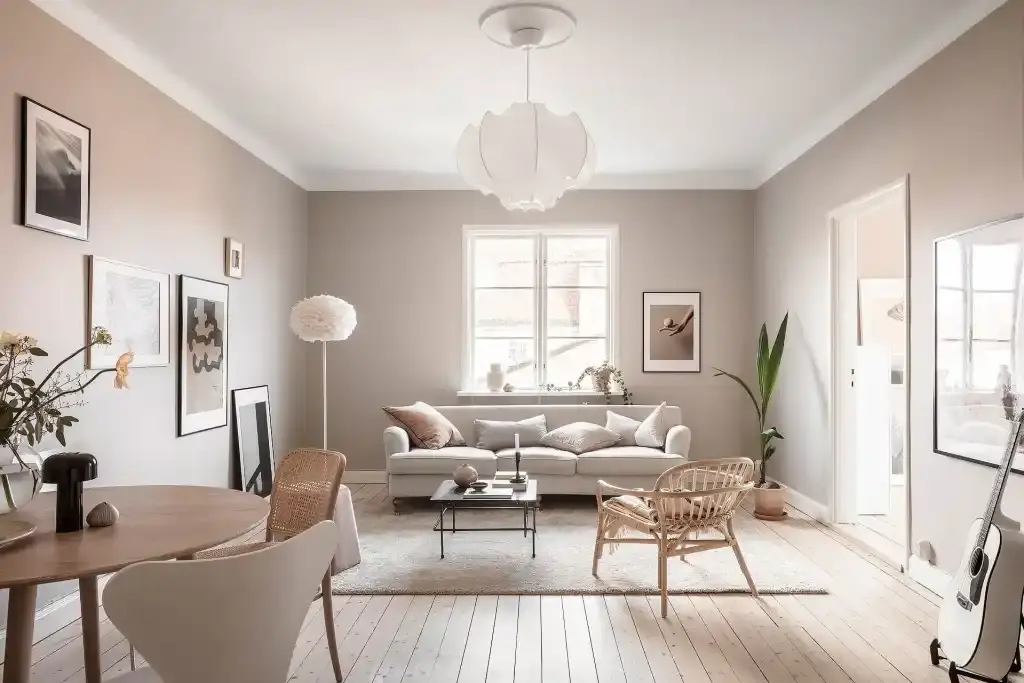
Neutral wall colors blend easily with wood floors. Shades like beige, gray, and soft white create a calm, balanced look. They let the natural beauty of the wood shine. Neutral tones suit many decor styles and furniture colors. These colors make rooms feel spacious and bright. They work well in living rooms, bedrooms, and kitchens.
Bold Colors For Impact
Bold wall colors add energy and style to any room. Deep blues, rich greens, or vibrant reds create strong contrast with wood floors. These colors draw attention and add personality. Bold colors pair well with lighter wood tones. Choose bold walls to make a statement or highlight a feature wall.
Pastels For Softness
Pastel wall colors bring a gentle, soothing vibe. Light pinks, soft blues, and pale greens create a fresh look. Pastels complement wood floors by adding subtle color without overwhelming. They work well in bedrooms, nurseries, and cozy spaces. Pastels brighten rooms while keeping a warm, inviting feel.
Credit: ecoflooringusa.com
Selecting Wood Floor Shades
Selecting the right wood floor shade affects the look of any room. Wood floors set the tone for wall colors and furniture. Choose a shade that blends well with the walls for a balanced feel. Wood floor color harmony makes spaces feel calm and inviting. Understanding different wood floor tones helps in making smart choices.
Each wood shade creates a unique style. Light, medium, and dark wood floors all bring different moods. Learn about these shades to match walls perfectly. Find the best wood floor shade for your home’s style and light.
Light Wood Floors
Light wood floors brighten rooms and open up spaces. They pair well with soft wall colors like pastels and creams. Light floors make small rooms look larger and airier. Use light wood floors to create a fresh, clean look. They work great in modern and Scandinavian designs.
Medium Wood Floors
Medium wood floors offer warm, natural tones that suit many styles. They balance well with both light and dark wall colors. Medium floors add warmth without overpowering the room. This shade fits classic, rustic, and transitional interiors. It provides a cozy, welcoming atmosphere in any space.
dark wood floors
dark wood floors create a rich, dramatic effect. They contrast nicely with light walls for a striking look. Dark floors add depth and elegance to large rooms. Use them with neutral or bold wall colors for style. dark wood floors suit traditional and contemporary homes well.
Matching Walls With Light Floors
Matching walls with light floors creates a fresh and open feeling in any room. Light floors brighten spaces and make them feel larger. Choosing the right wall color enhances this effect and brings harmony to the room. The wall color sets the mood and style while complementing the light floor. Understanding the tones that work best helps create a balanced look.
Cool Wall Colors
Cool colors like soft blues, pale greens, and gentle grays pair well with light floors. These colors create a calm and soothing atmosphere. They keep the room feeling airy and bright. Cool tones often highlight the natural light, making spaces feel peaceful. Use cool colors in bedrooms or living rooms for a restful vibe.
Warm Wall Colors
Warm colors include shades like soft yellows, peach, and light terracotta. These tones add warmth and coziness to rooms with light floors. Warm walls bring a welcoming and friendly feel. They balance the brightness of light floors with a touch of softness. Choose warm colors in kitchens or dining rooms for comfort.
Contrasting Colors
Contrasting colors create bold and exciting looks with light floors. Darker shades like navy, charcoal, or deep green stand out against pale floors. This contrast adds depth and drama to the space. Use contrasting colors for accent walls or smaller areas. It creates a stylish and modern feel without overwhelming the room.
Pairing Walls With Medium Floors
Pairing walls with medium floors creates a balanced and inviting space. Medium floors have warmth and depth. They work well with many wall colors. Choosing the right wall color can highlight the floor’s tone. It also sets the room’s mood. The key is harmony and contrast in the right measure.
Earthy Wall Tones
Earthy tones like soft browns, muted greens, and warm beiges complement medium floors nicely. These colors echo natural elements and create a cozy feel. Earthy walls bring out the wood’s richness without overpowering it. They make rooms feel calm and grounded. Perfect for living rooms or bedrooms.
Rich Color Choices
Deep colors such as navy blue, charcoal gray, or forest green add drama to medium floors. These shades create a strong visual contrast. They make floors stand out and add character. Rich colors work well in dining areas or offices. These walls add depth and style to any space.
Subtle Contrast Options
Soft grays, pale blues, or gentle creams offer subtle contrast with medium floors. These hues keep the space light and airy. They highlight the floor’s natural patterns gently. Subtle contrasts suit open spaces and rooms with lots of light. A great choice for kitchens and bathrooms.
Combining Walls With Dark Floors
Combining walls with dark floors creates a strong and stylish look. Dark floors add depth and richness to any room. Choosing the right wall color can balance or highlight these floors. The right mix makes your space feel cozy, open, or dramatic. Below are some ideas for pairing walls with dark wood floors.
Light Wall Colors For Contrast
Light walls brighten rooms with dark floors. Shades like soft white, pale gray, or cream work well. They create a clear contrast that opens the space. Light walls reflect natural light, making rooms feel larger. This contrast also highlights the dark floor’s beauty. It gives a clean and fresh look to any room.
Deep Wall Colors For Drama
Deep wall colors add rich drama with dark floors. Navy blue, forest green, or charcoal gray create cozy vibes. These colors blend with dark floors for a warm feel. Dark walls make rooms feel intimate and inviting. Use this combo in living rooms or bedrooms. It creates a stylish and bold space.
Metallic And Accent Walls
Metallic or accent walls add sparkle and texture. Gold, bronze, or silver tones add luxury with dark floors. Accent walls in bold colors bring focus to one area. They break the darkness without overwhelming the space. This adds personality and interest to your room. Use accent walls in small areas for best effect.

Credit: roomdsign.com
Tips For Color Balance
Balancing wall and wood floor colors creates a cozy and inviting space. Choosing the right colors helps the room feel connected and calm. Small changes in color can make a big difference in how a room looks and feels. Use these simple tips to find the perfect color balance for your walls and floors.
Using Color Wheels
A color wheel shows how colors relate to each other. Opposite colors on the wheel create contrast and energy. Colors next to each other give a soft, calm look. Choose colors from the wheel to match or contrast your floor and walls. This method keeps colors balanced and pleasant to the eye.
Considering Room Size And Light
Small rooms need lighter colors to feel open and bright. Dark floors can make a room feel smaller if walls are also dark. Natural light changes color appearance during the day. Test paint samples on walls and observe them in different light. Adjust colors to keep the room feeling comfortable and spacious.
Incorporating Textures
Textures add depth and interest to color schemes. Matte walls with shiny wood floors create a nice contrast. Rough textures soften bright colors and smooth textures highlight soft colors. Mix textures to balance colors and add warmth to the room. This makes the space feel more natural and inviting.
Popular Color Combos
Choosing the right wall and wood floor colors creates a balanced, beautiful space. Popular color combos help homeowners and designers pair colors that work well together. These combinations improve room mood and style without much effort.
Gray Walls With Oak Floors
Gray walls offer a calm and modern backdrop. Oak floors add warmth with their natural golden tones. This combo feels fresh and inviting. It works well in living rooms and bedrooms. Light gray walls with light oak floors brighten spaces nicely.
Blue Walls With Walnut Floors
Blue walls bring a cool, peaceful vibe. Walnut floors provide rich, dark contrast. This pairing creates depth and elegance. It suits dining areas or offices perfectly. Navy blue with dark walnut floors feels strong and stylish.
Cream Walls With Cherry Floors
Cream walls glow softly and feel warm. Cherry floors offer a deep reddish-brown color. Together, they create a cozy, classic look. This combo fits well in traditional or rustic homes. Light cream walls with cherry floors brighten rooms gently.

Credit: www.diverseflooring.ca
Avoiding Color Clashes
Choosing wall and wood floor colors requires care to avoid clashes. Colors that do not match well can make a room feel chaotic and uncomfortable. Harmony between walls and floors creates a calm and inviting space.
Understanding how colors work together helps create balance. This section covers common mistakes, testing paint samples, and adjusting with decor to keep colors in sync.
Common Mistakes
One common mistake is using colors that are too similar but not quite the same. This creates a dull, muddy look. Another error is pairing warm wood tones with cool wall colors. This clash makes the room feel off. Bright, bold walls often fight with natural wood floors. This causes visual tension and distraction.
Testing Paint Samples
Always test paint colors before painting entire walls. Paint small sections near the floor to see how colors interact. Observe the samples in different lighting throughout the day. Natural and artificial light can change how colors appear. Testing helps avoid surprises and ensures harmony between walls and floors.
Adjusting With Decor
Decor can help balance wall and floor colors. Use rugs to soften strong floor tones. Add pillows or curtains that match wall colors. These elements create a smooth transition between surfaces. Decor offers flexibility to fix minor color clashes without repainting.
Frequently Asked Questions
What Wall Colors Match Light Wood Floors Best?
Soft, neutral shades like beige, cream, or pale gray work well. These colors create a warm, balanced look. Avoid very dark colors that can feel heavy.
How To Pair dark wood floors With Wall Paint?
Light, cool colors such as soft blues or light grays contrast nicely with dark floors. This makes the room feel open and bright. Warm tones can also add coziness.
Can Wall And Floor Colors Be The Same?
Using the same color for walls and floors can make a room feel bigger. Choose different shades or textures to avoid a flat look. This creates a calm, unified space.
What Colors Create Harmony With Wood Floors?
Earth tones like greens, browns, and warm neutrals blend smoothly with wood floors. These colors highlight the natural beauty of wood. They help make a room feel cozy and inviting.
Conclusion
Choosing the right wall and wood floor colors creates a balanced space. Soft, warm tones bring comfort and calm. Cool shades add freshness and light. Contrast helps highlight features without overwhelming the room. Think about natural light and room size too.
Small rooms benefit from lighter colors. Dark floors pair well with pale walls. Test samples before final decisions. This simple step avoids costly mistakes. Color harmony makes your home feel inviting. It reflects your style and mood clearly. Enjoy the process of creating your perfect space.