Are you wondering how to create a smooth and stylish transition between your wood and tile floors? That small space where two different flooring materials meet can make a big difference in the look and feel of your home.
If you want your floors to flow seamlessly without gaps or uneven edges, understanding the right threshold options is key. You’ll discover simple solutions that protect your floors, enhance your space, and make your home feel complete. Keep reading to find out how to master the threshold between wood and tile floors with ease.

Credit: www.arizonatile.com
Choosing The Right Transition
Choosing the right transition between wood and tile floors makes your space look complete. It protects floor edges and hides gaps. The perfect threshold creates a smooth flow from one room to another. It also helps prevent tripping and damage to both floors.
Material Options
Transition strips come in many materials. Wood matches wood floors well. Metal, like aluminum or brass, offers a modern look. Vinyl and rubber provide flexibility and durability. Choose a material that suits your style and wear needs.
Matching Styles
Keep the transition style close to your floor designs. A natural wood threshold blends well with hardwood floors. Sleek metal strips fit tile with a modern style. Simple, low-profile transitions work best for small spaces. The goal is to make the transition look natural and neat.
Height Differences
Wood and tile floors often have different heights. Transition strips help bridge the gap smoothly. Some strips are angled to ease the step between floors. Others have a T-shape to fit flush between surfaces. Measure the height difference carefully before choosing a threshold.
Tools And Materials Needed
Creating a smooth transition between wood and tile floors needs specific tools and materials. These help make the threshold strong and look neat. Using the right items saves time and avoids mistakes.
Essential Tools
You need a tape measure to check the space size. A pencil helps mark where to cut. A saw or a jigsaw cuts the threshold piece. A drill with bits makes holes for screws. Screwdrivers help fasten screws tightly. A hammer might be needed for small adjustments. Sandpaper smooths rough edges. A level checks that the threshold sits flat.
Recommended Materials
Choose a threshold strip that fits the height difference. Wood or metal are common options. Wood matches wood floors well. Metal works better for heavy traffic. Use screws to fix the strip firmly. Wood glue adds extra hold for wooden thresholds. Caulk seals gaps to stop dirt and moisture. Finish with paint or stain to match floors. Felt pads under the threshold protect floors from scratches.
Preparing The Floor Edges
Preparing the floor edges is a key step in creating a smooth transition between wood and tile floors. This process ensures the threshold fits well and looks clean. Proper preparation prevents gaps and uneven surfaces. It also helps the threshold last longer without damage.
Cleaning And Leveling
Start by cleaning the edges of both floors. Remove dirt, dust, and old adhesive. Use a vacuum or broom to clear small debris. A clean surface helps materials stick better.
Next, check the height of each floor. Use a level tool to find uneven spots. Sand down high areas on the wood floor carefully. Add thin layers of leveling compound to low tile areas. The goal is to make both surfaces even.
Trimming And Smoothing
Trim any loose or rough wood edges with a saw or utility knife. Remove splinters and sharp parts that could cause injury.
Smooth the edges using sandpaper or a sanding block. This step creates a neat finish and helps the threshold fit tightly. Smooth edges also reduce the chance of cracks or gaps over time.
Installing Different Threshold Types
Installing different threshold types helps create a smooth transition between wood and tile floors. Each threshold type fits specific height differences and flooring styles. Choosing the right one makes your floors look neat and prevents tripping. Below are simple steps for installing common threshold types.
T-molding Installation
T-molding works well when wood and tile floors are the same height. It fits into a gap between the two floors. First, clean the area and make sure the gap is even. Then, measure and cut the T-molding to fit the length. Press it firmly into the gap, using adhesive if needed. T-molding creates a clean, level border between floors.
Reducer Strip Setup
Reducer strips connect floors of different heights. They slope gently from the higher floor to the lower one. Start by measuring the length needed. Cut the reducer strip to size. Attach it with nails or adhesive along the edge of the higher floor. The reducer strip hides the height difference and offers a smooth step down.
Overlap Threshold Placement
Overlap thresholds cover the edge of one floor overlapping onto the other. They work well if one floor is slightly higher. Measure the length of the doorway or transition space. Cut the overlap threshold to fit. Secure it by screwing or gluing onto the subfloor. This threshold protects edges and creates a clean finish.
Finishing Touches
Finishing touches make the threshold between wood and tile floors look neat and complete. They hide gaps, protect edges, and create a smooth transition. Careful attention to these details improves the overall look and durability of your floors.
Sealing Gaps
Sealing gaps prevents dirt and moisture from getting under the floors. Use a flexible sealant made for wood and tile. Apply it evenly along the threshold to fill spaces. This step keeps the area clean and helps avoid damage.
Color Matching
Color matching the threshold helps blend the two floor types. Choose a trim or molding that matches the wood or tile color. This makes the transition less noticeable and more stylish. Paint or stain can also help if exact matches are hard to find.
Maintenance Tips
Keep the threshold clean by sweeping and wiping regularly. Avoid harsh chemicals that can damage the seal or finish. Check for cracks or gaps every few months. Prompt repairs keep the threshold looking good and extend its life.

Credit: www.fireclaytile.com
Common Mistakes To Avoid
Installing a threshold between wood and tile floors seems simple. Many make avoidable mistakes that cause problems later. These errors affect the look and durability of the threshold. Knowing common mistakes helps create a smooth, lasting transition.
Incorrect Measurements
Wrong measurements lead to gaps or overlaps. Measure both floor heights carefully. Check the width of the doorway too. Cut the threshold to fit exactly. Too long or too short pieces look unprofessional. Take your time measuring before cutting anything.
Ignoring Floor Movement
Wood and tile expand and contract differently. Ignoring this movement causes cracking or lifting. Leave a small gap for natural floor changes. Use flexible materials or special adhesives. Allow the threshold to move without damage. This step extends the life of the threshold.
Poor Adhesion
Using the wrong glue weakens the bond. Some adhesives do not work on tile or wood. Clean surfaces before applying any glue or nails. Choose adhesive made for mixed flooring types. Press the threshold firmly and let it dry fully. Poor adhesion results in loose or shifting thresholds.
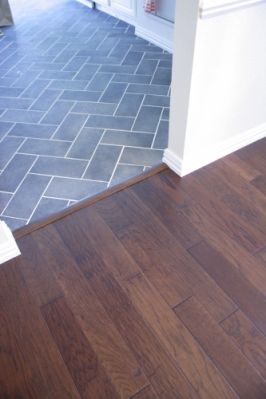
Credit: sandiegomarbletile.com
Frequently Asked Questions
What Is A Threshold Between Wood And Tile Floors?
A threshold is a strip that joins wood and tile floors. It covers the gap and creates a smooth transition. It also helps prevent tripping.
Why Use A Threshold Between Wood And Tile Flooring?
Thresholds protect floor edges from damage and wear. They hide uneven height differences between wood and tile. This keeps the floor safe and looking good.
What Materials Are Best For Thresholds Between Wood And Tile?
Common materials include wood, metal, and vinyl. Wood matches wood floors well, while metal offers strong durability. Vinyl is flexible and easy to install.
How To Choose The Right Threshold For Your Floor?
Measure the height difference between wood and tile first. Pick a threshold material that matches your floor style. Consider durability and ease of installation too.
Conclusion
Choosing the right threshold between wood and tile floors matters a lot. It protects edges and gives a neat look. Different materials and styles fit various rooms and tastes. A good threshold makes your floor last longer and look better.
Think about durability, color, and height when deciding. Simple steps lead to a smooth floor transition. Small details can change the whole room’s feel. Take your time to pick what suits your space best. A well-chosen threshold adds both function and style.