If you’re installing laminate flooring, there’s one small tool that can make a big difference: spacers. You might wonder why these tiny pieces are so important.
Without them, your floor could buckle, warp, or look uneven. Using the right spacers ensures your flooring stays perfect for years to come. You’ll discover exactly what spacers are, why you need them, and how to use them to get a flawless finish.
Keep reading to avoid common mistakes and make your flooring project easier and more successful.

Credit: www.amazon.com
Why Spacers Matter
Spacers play a key role in installing laminate flooring. They keep a small gap between the floor and the wall. This gap allows the floor to expand and contract with temperature and humidity changes. Without spacers, the floor can buckle or warp. Understanding why spacers matter helps ensure a long-lasting floor.
Role In Expansion Gaps
Laminate flooring expands and shrinks naturally. Walls and fixed structures don’t move. Spacers create a clear space for this movement. The expansion gap stops the floor from pushing against walls. This prevents buckling and keeps the floor flat. The gap size depends on the room size and floor type.
Preventing Floor Damage
Without spacers, the floor can press hard against walls. This pressure causes the floor to lift or crack over time. Spacers reduce stress on floorboards. They help maintain the floor’s shape and strength. Spacers also protect the edges from damage during installation. Using spacers is a simple step that saves costly repairs later.
Types Of Spacers
Spacers play a key role in laminate flooring installation. They keep a small gap between the floor and walls. This gap allows the floor to expand and contract with temperature changes. Different types of spacers suit different needs and preferences. Choosing the right type helps ensure a smooth installation process.
Plastic Spacers
Plastic spacers are common and easy to use. They come in various sizes and shapes. They are lightweight and durable. Plastic spacers do not absorb moisture, making them ideal for humid areas. They snap easily between planks or between the floor and the wall. These spacers are reusable and cost-effective.
Wooden Spacers
Wooden spacers offer a natural feel and sturdy support. They are simple wooden blocks cut to size. These spacers are easy to adjust by trimming. Wooden spacers provide a firm hold during installation. They might absorb moisture, so storage in dry places is best. Many installers prefer wooden spacers for their reliability.
Foam Spacers
Foam spacers are soft and flexible. They compress easily to fit tight spaces. Foam spacers protect the floor edges from damage. They are lightweight and easy to handle. These spacers help in uneven wall areas. Foam spacers are a good choice for delicate or fragile floors.
Choosing The Right Spacer Size
Choosing the right spacer size is essential for a smooth laminate flooring installation. Spacers keep the floor slightly apart from the wall. This small gap allows the floor to expand and contract with changes in temperature and humidity. Without the correct spacer size, the floor may buckle or warp over time.
Room Size And Climate Impact
Room size affects the amount of expansion space needed. Larger rooms require bigger gaps to allow for more movement. Small rooms can use smaller spacers. Climate also plays a big role. Rooms in areas with high humidity or large temperature swings need larger gaps. This prevents the floor from pressing too hard against the walls and causing damage.
Manufacturer Recommendations
Always check the manufacturer’s guide for spacer size. Each brand may suggest different sizes based on their product. Following these recommendations ensures the warranty stays valid. The guide helps avoid common mistakes in spacing. Manufacturers test their products to find the best expansion gap size. Using their advice leads to a longer-lasting floor.
How To Position Spacers
Placing spacers correctly is key to a perfect laminate floor. Spacers keep the right gap between the floor and the walls. This gap allows the floor to expand and contract with temperature and humidity changes. Incorrect spacer placement can cause buckling or gaps later. Below are tips on where to position spacers during installation.
Along Walls And Cabinets
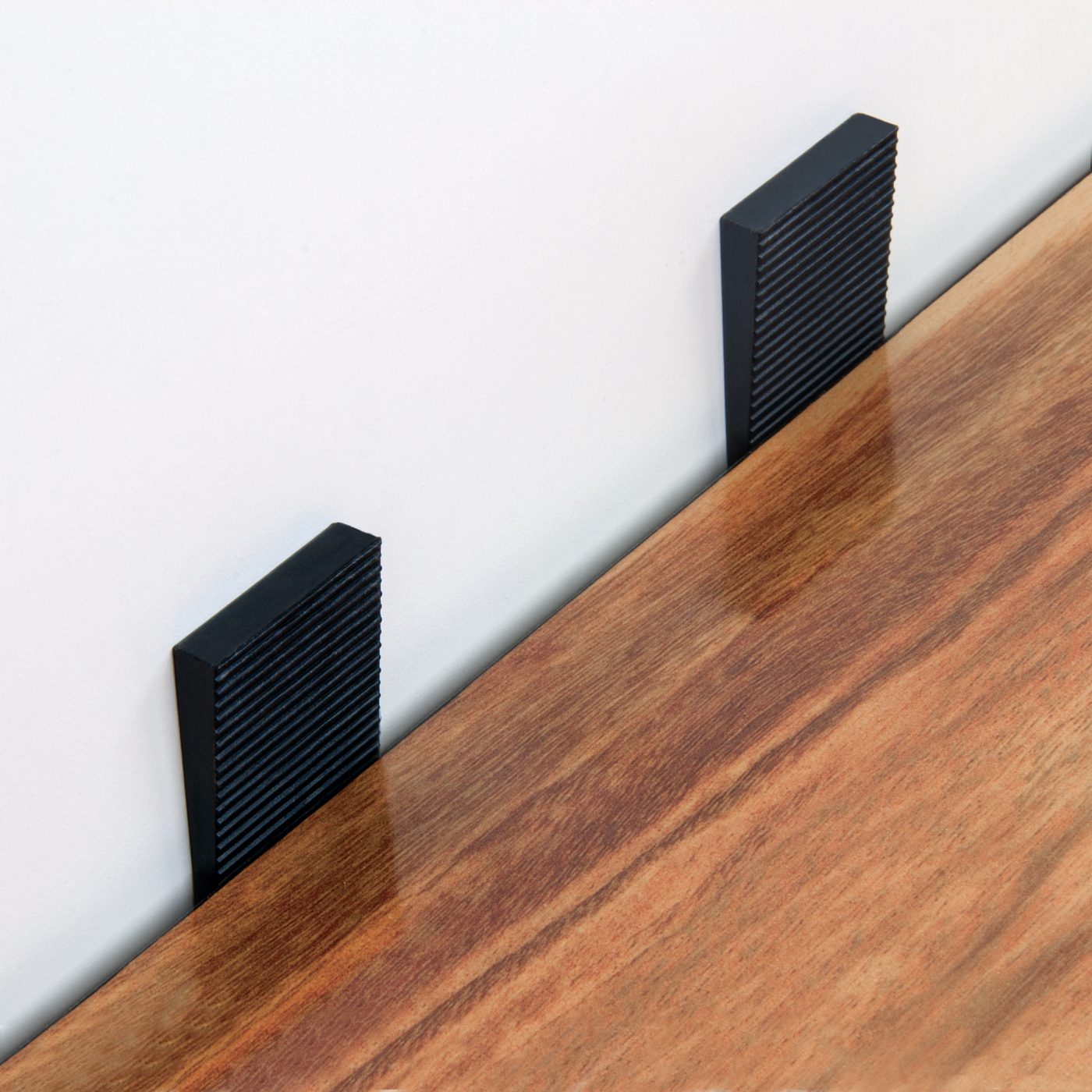
Place spacers every 12 to 16 inches along walls. This keeps the expansion gap consistent. Use spacers between the floor and baseboards or cabinet edges. Make sure spacers are tight against the wall. Avoid leaving large spaces where the floor can shift. Check that spacers do not move while laying planks. Remove spacers only after the floor is fully installed.
Near Doorways And Fixtures
Use spacers around door frames and fixed objects. Doorways need the same expansion gap as walls. Place spacers at the edges of door jambs. For pipes or vents, keep a small gap using spacers. Cut spacers to fit odd shapes or tight spots. This prevents the floor from pushing against fixtures. Correct spacing near doorways avoids noisy floors and damage.
Common Installation Mistakes
Installing laminate flooring seems simple but mistakes happen often. Using spacers correctly is important. Spacers keep a gap between the floor and the wall. This gap allows the floor to expand and contract with changes in temperature and humidity. Missing or wrongly placed spacers can cause problems later.
Skipping Spacers
Some skip using spacers to save time or money. Without spacers, the floor can press against the wall. This stops natural movement and causes buckling or warping. Floors may lift or create gaps over time. Skipping spacers leads to costly repairs or replacing parts of the floor.
Incorrect Spacer Placement
Placing spacers in the wrong spot also causes issues. Spacers must be evenly spaced along all edges. Too few or unevenly placed spacers let some areas touch the wall. This creates pressure points and uneven expansion. The floor may squeak or become uneven. Correct placement ensures a smooth, stable floor.
Credit: www.robertsconsolidated.com
Removing Spacers After Installation
Removing spacers after installing laminate flooring is a key step. Spacers keep the right gap between the floor and wall. This gap allows the floor to expand and contract safely. Taking out spacers at the right time helps maintain this gap. It also prevents damage to your new floor and walls.
Timing And Techniques
Remove spacers only after the laminate has settled. Usually, this is right after installation or within a few hours. Use gentle pressure to pull them out. Avoid forcing spacers out fast. This prevents shifting or damaging floor edges. Use a flat tool if spacers are stuck. Move slowly to keep the floor intact.
Ensuring Gap Consistency
Check the gap after spacer removal. The space should be even all around the room. Use a ruler or tape measure for accuracy. If gaps are uneven, adjust baseboards or moldings. Consistent gaps prevent floor buckling and damage. Keep the expansion space clear of debris and dust.
Additional Tips For Smooth Installation
Spacers play a key role in laminate flooring installation. They keep a small gap between the floor and the wall. This gap allows the floor to expand and contract with temperature changes. Following some extra tips can make the installation smoother and the floor last longer.
Tools To Use
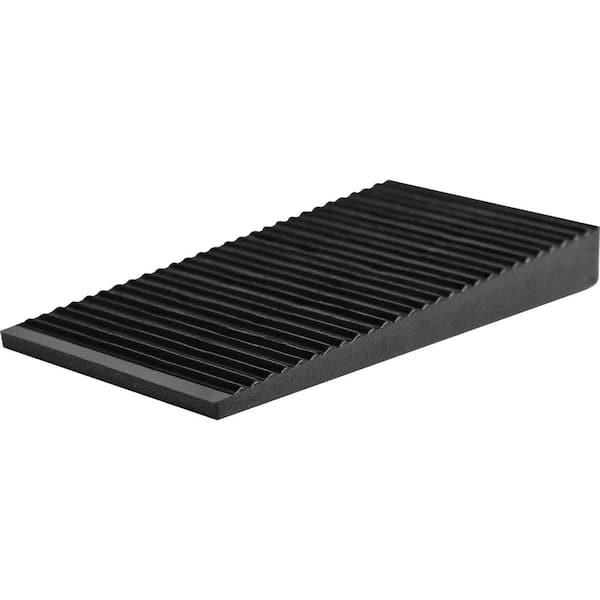
Choose the right tools for easy and precise work. A tape measure helps to get exact measurements. Use a rubber mallet to gently tap boards into place without damage. A pull bar can help fit boards tight near walls. Spacers should be sturdy and fit well between the wall and flooring. A tapping block protects the edges of the laminate boards during installation.
Maintaining Floor Level
Check the subfloor for evenness before laying laminate. Use a level to find any high or low spots. Fix uneven areas with leveling compound or sanding. Uneven floors can cause gaps or creaks in laminate. Keep the floor level for a smooth and stable surface. Proper leveling also helps the spacers do their job well.
Credit: www.homedepot.com
Frequently Asked Questions
What Are Spacers For Laminate Flooring Used For?
Spacers keep a small gap between the floor and walls. This gap allows the floor to expand and contract with temperature changes. Without spacers, the floor could buckle or warp.
How Do I Choose The Right Spacers For Laminate Floors?
Pick spacers based on the size of the expansion gap needed. Usually, 1/4 inch to 1/2 inch spacers work best. Check your flooring instructions for the exact size.
Can I Reuse Spacers After Installing Laminate Flooring?
Most plastic or foam spacers can be reused if they are not damaged. Keep them safe during installation for future projects. Wooden spacers may wear out faster and may not be reusable.
Do Spacers Affect The Final Look Of Laminate Flooring?
Spacers are hidden under baseboards or molding, so they do not show. They help keep the floor neat and prevent damage. Proper use of spacers ensures a clean, professional finish.
Final Words
Spacers keep laminate flooring gaps consistent and allow for floor expansion. They help avoid buckling and damage over time. Using spacers is simple and saves future repairs. Choose the right size for your flooring type. Remember, proper installation leads to a long-lasting, beautiful floor.
Small tools, big difference. Don’t skip this easy step for a perfect finish.