Choosing the right flooring for your home or office can feel overwhelming. You want something durable, stylish, and easy to maintain.
That’s where rigid vinyl flooring and luxury vinyl plank (LVP) come into play. But which one is truly the best fit for your space? You’ll discover the key differences between rigid vinyl flooring and LVP. By the end, you’ll feel confident about making a choice that suits your lifestyle and budget perfectly.
Keep reading—you’re just one step away from transforming your floors!
Rigid Vinyl Flooring Basics
Rigid vinyl flooring is a popular choice for many homeowners. It offers a modern look with practical benefits. This flooring type combines strength and style in one product. It is different from traditional vinyl planks. Understanding its basics helps in choosing the right flooring for your space.
Below, we explore the key features of rigid vinyl flooring. These include its material makeup, durability, and how it is installed.
Material Composition
Rigid vinyl flooring is made from multiple layers. The core layer is usually a mix of limestone and PVC. This mix creates a rigid, solid base. The top layer has a printed design that mimics wood or stone. A clear wear layer protects this design from scratches and stains. This structure makes rigid vinyl strong and attractive.
Durability Features
Rigid vinyl flooring resists dents and scratches well. It handles moisture better than many other floors. This makes it great for kitchens and bathrooms. The wear layer keeps the surface looking new for years. It also resists fading from sunlight. This flooring stands up to daily wear and tear.
Installation Methods
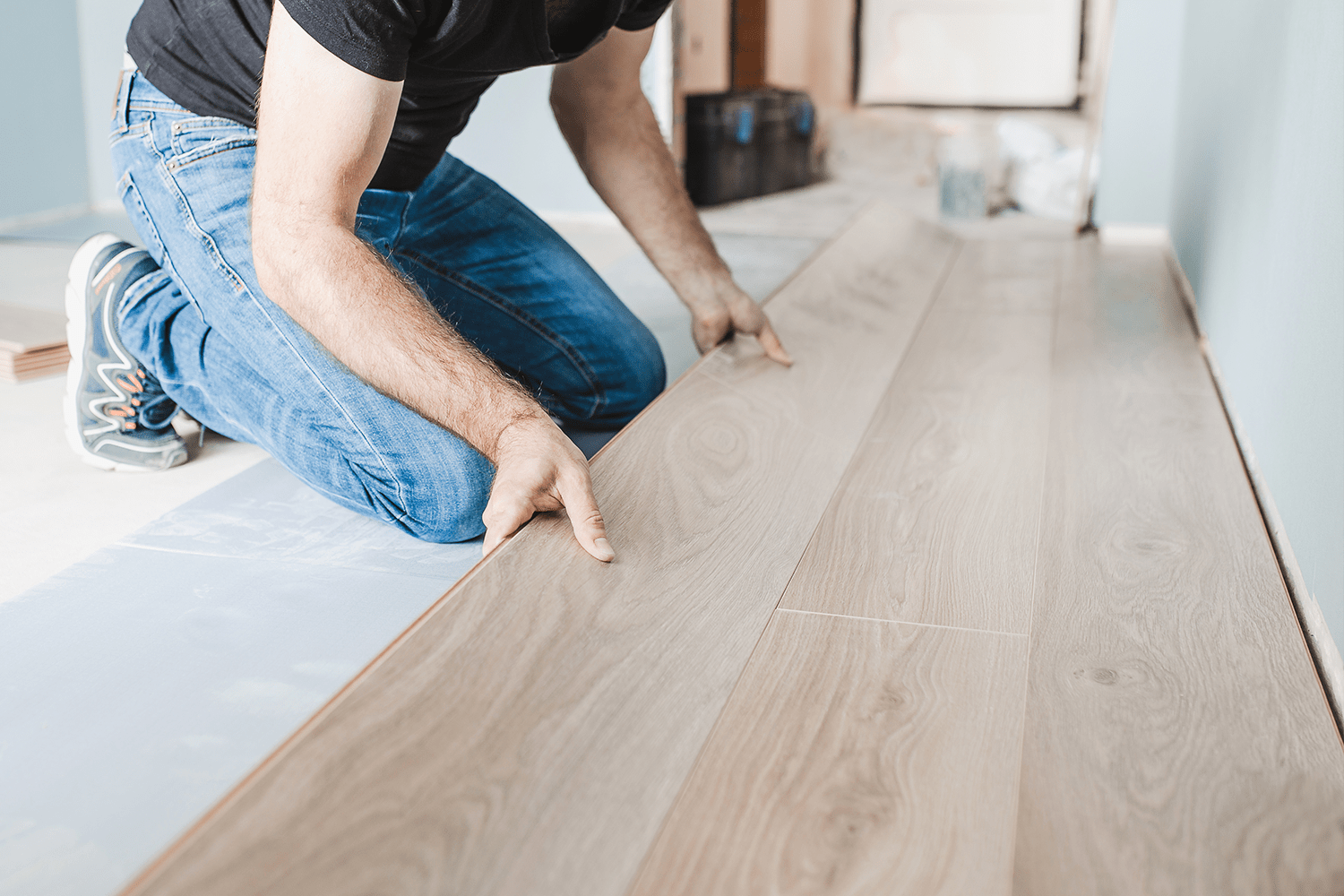
Rigid vinyl flooring is easy to install. It often comes with a click-lock system. This allows planks to snap together without glue. You can install it over many existing floors. Some types come with adhesive backing for peel-and-stick installation. This flexibility saves time and money during setup.
Luxury Vinyl Plank Essentials
Luxury Vinyl Plank (LVP) offers a modern flooring choice that combines style and function. It mimics natural wood and stone with great detail. This makes LVP popular in homes and offices. Understanding its key features helps in choosing the right flooring.
LVP is known for its easy installation and durability. It suits many rooms, including kitchens and bathrooms. The following points explain the essentials of luxury vinyl plank flooring.
Design And Texture Options
LVP comes in many colors and patterns. You can find planks that look like oak, maple, or even slate. Textures vary too, from smooth to rough wood grain. This variety lets you match any décor style easily. The realistic look adds warmth to any space.
Water Resistance
LVP is highly water-resistant, making it great for wet areas. It does not warp or swell like real wood. This flooring works well in bathrooms, kitchens, and basements. Its waterproof core protects against spills and moisture damage. A strong choice for long-lasting floors.
Ease Of Maintenance
Cleaning LVP is simple and quick. Regular sweeping and occasional mopping keep it fresh. It does not need special cleaners or treatments. Stains and dirt wipe away easily. This low-maintenance feature saves time and effort daily.
Comparing Durability And Performance
Durability and performance are key factors in choosing flooring materials. Both rigid vinyl flooring and luxury vinyl plank (LVP) offer strong options. Understanding their strengths helps pick the best fit for your home or office.
Scratch And Dent Resistance
Rigid vinyl flooring is highly resistant to scratches and dents. It stands up well to heavy foot traffic and moving furniture. LVP also offers good scratch resistance but may be less durable under sharp impacts. For homes with pets or kids, rigid vinyl can handle more wear and tear.
Wear Layer Thickness
The wear layer protects the floor surface from damage. Rigid vinyl flooring often has a thicker wear layer than LVP. A thicker wear layer means longer-lasting floors and better protection. LVP wear layers vary but generally are thinner, making them less ideal for very busy spaces.
Impact On Different Environments
Rigid vinyl flooring performs well in moist and humid areas like kitchens and bathrooms. It resists water damage and stays stable over time. LVP is also water-resistant but may expand or contract more with temperature changes. For basements or rooms with fluctuating humidity, rigid vinyl is a safer choice.
Credit: www.familyhandyman.com
Cost Factors And Value
Cost is a key factor when choosing between rigid vinyl flooring and LVP. Both offer good value but differ in price and expenses over time. Understanding these costs helps you pick the best option for your budget and needs.
Let’s explore the initial investment, long-term costs, and return on investment for both flooring types.
Initial Investment
Rigid vinyl flooring usually costs less per square foot than LVP. It is thinner and simpler to make, which lowers the price. LVP tends to be thicker and has more layers, raising its cost.
Installation costs vary. Rigid vinyl often installs faster, cutting labor expenses. LVP may need more preparation and time, increasing initial costs.
Long-term Costs
Rigid vinyl is durable but can scratch more easily than LVP. Repairs might be needed sooner. LVP offers stronger wear layers and better moisture resistance, lasting longer without damage.
Maintenance costs for both are low. Regular cleaning keeps them in good shape. LVP’s higher durability may reduce future repair expenses.
Return On Investment
LVP adds more value to a home because of its premium look and durability. Buyers often prefer it, making resale easier. Rigid vinyl still offers good value but may not boost home price as much.
Choosing the right floor depends on your budget and goals. Both floors provide good quality for the price paid.
Installation Differences
Rigid vinyl flooring and luxury vinyl plank (LVP) differ in how they are installed. These differences affect cost, time, and effort. Understanding these points helps you choose the right option for your project.
Diy Vs Professional
Rigid vinyl flooring is easier for beginners. It often uses click-lock systems that snap together. This makes DIY installation possible. LVP may require more skill due to glue or precise fitting. Hiring a professional for LVP can ensure a smooth finish.
Subfloor Requirements
Rigid vinyl flooring works well over uneven surfaces. It has a solid core that hides minor bumps. LVP needs a very flat subfloor. Small imperfections can show through LVP’s thinner design. Preparing the subfloor is more important with LVP.
Time And Complexity
Rigid vinyl floors install faster because of their simple locking design. LVP installation takes longer, especially if glue is involved. The extra steps increase complexity. Time spent varies with room size and experience.
Aesthetic Appeal And Styles
Aesthetic appeal plays a big role in choosing flooring. Both rigid vinyl flooring and luxury vinyl plank (LVP) offer various styles. Each type brings unique looks and options. Understanding these can help pick the best fit for your space.
Color And Pattern Variety
Rigid vinyl flooring comes in many colors and patterns. It includes wood, stone, and abstract designs. LVP also offers a wide range of colors. It often mimics natural wood grains and stones closely. Both types can suit modern or classic styles easily.
Authenticity Of Look
LVP is known for its realistic appearance. It often has a textured surface that feels like real wood or stone. Rigid vinyl flooring looks good but sometimes feels less natural. The depth and detail in LVP designs often create a more authentic look.
Customization Options
Both flooring types allow some customization. You can choose plank size, finish, and edge style. Rigid vinyl may have fewer options than LVP. LVP often lets you mix and match patterns for unique designs. Customizing helps match the flooring to any room style.
Maintenance And Longevity
Maintenance and longevity are key factors when choosing flooring. Both rigid vinyl flooring and luxury vinyl plank (LVP) offer practical benefits. Understanding how to care for them and their lifespan helps make a smart decision. Each type has unique cleaning needs and durability.
Cleaning Tips
Rigid vinyl flooring cleans easily with a damp mop. Use mild soap and water for stains. Avoid harsh chemicals that can damage the surface. LVP also requires simple cleaning. Sweep or vacuum regularly to remove dirt. Mop with a gentle cleaner to keep it shiny. Both floors resist water, making spills easy to wipe up.
Common Repairs
Scratches on rigid vinyl can be buffed out or repaired with putty. Deep gouges may need plank replacement. LVP repairs involve replacing damaged planks. Both floors resist dents but sharp objects can cause harm. Regular care reduces the chance of damage. Fix small issues quickly to prevent bigger problems.
Lifespan Expectations
Rigid vinyl flooring often lasts 15 to 20 years with care. LVP has a similar lifespan, usually 10 to 20 years. Both depend on foot traffic and maintenance. Proper cleaning and timely repairs extend life. Choosing quality materials also boosts durability. Expect long-lasting beauty and function from both floors.

Credit: www.reallycheapfloors.com
Environmental Impact
Choosing flooring affects the environment in many ways. Both rigid vinyl flooring and luxury vinyl plank (LVP) have unique impacts. Understanding these helps make smarter choices for a greener home. Let’s explore their environmental effects under three key areas.
Material Sustainability
Rigid vinyl flooring often uses a mix of materials. Some include recycled content, reducing waste. LVP usually contains more vinyl, a type of plastic made from petroleum. Vinyl production can harm the environment due to chemical use. Sustainable options for both types are growing but still limited.
Recyclability
Rigid vinyl flooring can be harder to recycle because of layers and adhesives. LVP also faces recycling challenges for similar reasons. Few facilities accept used vinyl flooring for recycling. This means most old vinyl floors end up in landfills. Finding recyclable or recyclable-backed products is important.
Health And Safety
Both flooring types may release volatile organic compounds (VOCs) after installation. VOCs can affect indoor air quality and health. Look for low-VOC or no-VOC certified products. Proper ventilation during installation helps reduce risks. Some brands focus on safer chemicals for better health.
Choosing Based On Room Type
Choosing the right flooring depends on the room’s use. Different rooms need different flooring features. Rigid vinyl flooring and luxury vinyl plank (LVP) offer unique benefits. Understanding these helps pick the best fit for each room.
High Traffic Areas
Rigid vinyl flooring handles heavy foot traffic well. It resists dents and scratches better. This makes it great for hallways and entryways. LVP is durable but may wear faster in busy spots. Choose rigid vinyl for long-lasting strength in busy rooms.
Moisture-prone Spaces
Bathrooms and kitchens need floors that resist water. Both rigid vinyl and LVP are water-resistant. Rigid vinyl offers a tighter seal against moisture. This helps prevent water damage and mold. LVP works well too but check the product’s water resistance. Rigid vinyl suits wet areas slightly better.
Comfort And Sound
LVP feels softer underfoot than rigid vinyl. It offers better sound absorption, reducing noise in rooms. This makes LVP ideal for bedrooms and living rooms. Rigid vinyl is firmer and can feel colder. Choose LVP for comfort and quieter spaces.
:max_bytes(150000):strip_icc()/how-does-luxury-vinyl-flooring-differ-from-standard-vinyl-4119903_hero_0391-8254adb9618a4005b9638b4b86e0262b.jpg)
Credit: www.thespruce.com
Buyer’s Decision Guide
Choosing between rigid vinyl flooring and luxury vinyl plank (LVP) can feel tricky. Each type has strong points that suit different homes and lifestyles. This buyer’s decision guide helps clear the confusion. Focus on what matters most for your space and budget. Follow this guide to make a smart choice that fits your needs well.
Prioritizing Needs
Think about where you will install the floor. Rigid vinyl is very sturdy and water-resistant. It works well in kitchens and bathrooms. LVP offers more style options and a softer feel underfoot. It fits living rooms and bedrooms nicely.
Consider how much foot traffic the area gets. Rigid vinyl handles heavy use better. LVP suits moderate traffic areas. Also, check if you want easy DIY installation. Both types can be installed without special tools, but rigid vinyl is often easier for beginners.
Budget Considerations
Rigid vinyl flooring usually costs less per square foot than LVP. You get durability without spending a lot. LVP is slightly pricier due to its detailed designs. It mimics natural wood or stone more closely.
Think about installation costs too. Both can be installed by homeowners. Hiring a professional adds to the total price. Factor in long-term costs like maintenance and repairs. Rigid vinyl tends to last longer with less upkeep.
Final Tips For Smart Buying
Test samples before buying. Feel the texture and check the color in your space. Check warranty details carefully. A longer warranty often means better quality.
Read reviews from other buyers. Their experiences can reveal practical issues. Choose a product that matches your lifestyle and tastes. This approach leads to satisfaction with your flooring choice.
Frequently Asked Questions
What Is The Difference Between Rigid Vinyl And Lvp Flooring?
Rigid vinyl flooring has a thicker core for extra durability, while LVP is thinner and more flexible. Both mimic wood or stone looks but vary in wear resistance and price.
Which Flooring Type Is Better For Moisture Resistance?
Rigid vinyl flooring handles moisture better due to its solid core, making it ideal for bathrooms. LVP is water-resistant but less effective in very wet areas.
How Do Installation Methods Differ For Rigid Vinyl And Lvp?
Rigid vinyl often uses click-lock installation for a tight fit, while LVP may be glued or floated. Both are DIY-friendly but rigid vinyl offers more stability.
Is There A Price Difference Between Rigid Vinyl And Lvp?
LVP usually costs less and is easier to find in stores. Rigid vinyl tends to be pricier but offers longer life and durability.
Final Words
Rigid vinyl flooring offers strong durability and easy maintenance. LVP provides a softer feel and more design choices. Both types resist water and scratches well. Think about your budget and room use before choosing. Each option fits different needs and styles.
Choose what suits your home best. Either way, you get a stylish, practical floor.