Are you ready to transform your space but stuck with old vinyl flooring glued to your concrete? Removing vinyl flooring from concrete can feel like a tough, messy job.
But what if you knew the easiest, most effective way to get it done without headaches or damage? You’ll discover simple steps and insider tips to help you strip away that old vinyl smoothly and prepare your concrete for a fresh new look.
Keep reading—you’re closer than you think to a cleaner, updated floor!
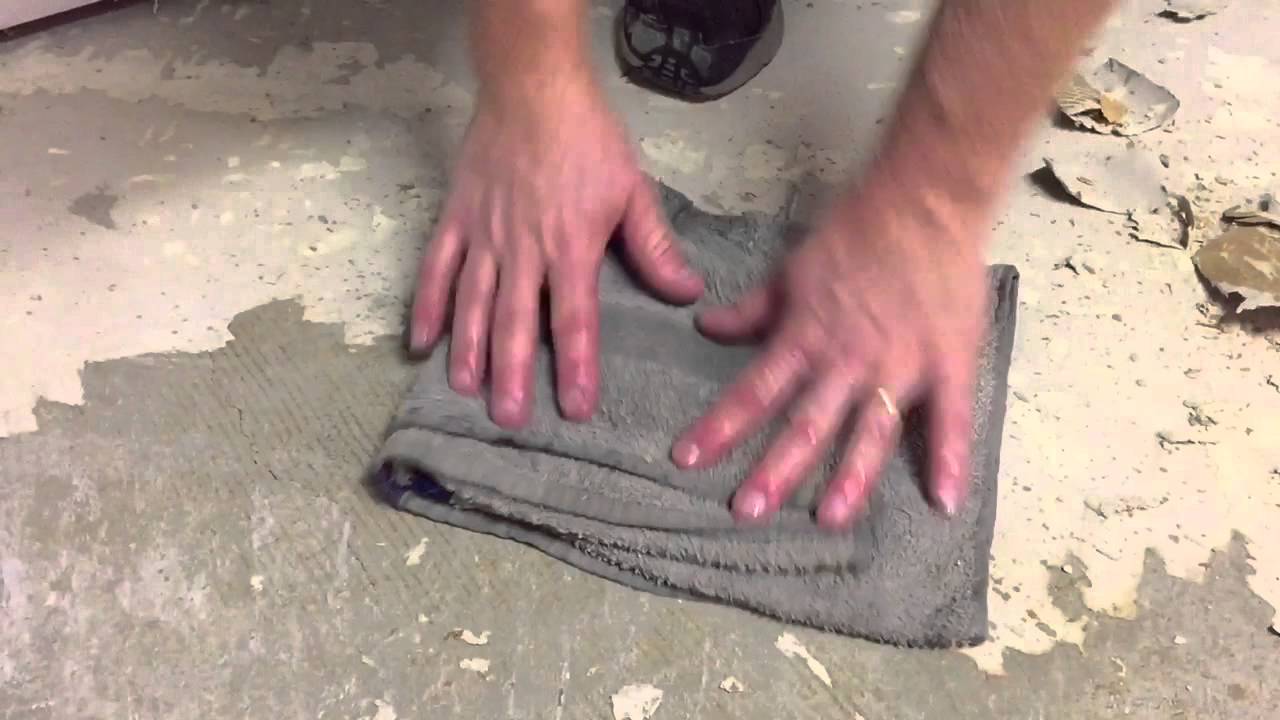
Credit: www.youtube.com
Prepare The Workspace
Preparing the workspace is the first step to remove vinyl flooring from concrete safely and efficiently. A clean and organized area helps avoid accidents and speeds up the work. Taking time to prepare makes the process smoother and less stressful.
Clear The Area
Remove all furniture, rugs, and decorations from the room. Make sure nothing is left that can get in the way. Clear space gives you room to move and work freely. It also prevents damage to your belongings during the removal process. Check corners and closets for any hidden items.
Gather Necessary Tools
Collect all tools needed before you start. Common tools include a utility knife, floor scraper, heat gun, and gloves. Having everything ready saves time and keeps you focused. Check if your tools are in good condition. Prepare a trash bin or bags for debris disposal. Proper tools make the job easier and safer.
Soften The Vinyl Adhesive
Removing vinyl flooring from concrete can be tough. The vinyl adhesive sticks hard. Softening the adhesive helps make the process easier. It loosens the grip between the vinyl and concrete. This step saves time and effort. Use heat or solvents to soften the glue. Both methods work well for different situations.
Use A Heat Gun Or Hair Dryer
Apply heat to the vinyl adhesive with a heat gun or hair dryer. Heat melts the glue, making it softer and easier to scrape. Keep the heat source moving to avoid damage. Hold it a few inches above the surface. Heat the adhesive for several minutes. Test the vinyl by lifting a corner gently. If it peels easily, the adhesive is soft enough. This method works best for thin or small areas.
Apply Solvent If Needed
Use a solvent to soften tough vinyl adhesive. Choose a solvent designed for adhesive removal. Apply it carefully with a cloth or brush. Let the solvent sit for 10 to 15 minutes. It breaks down the glue, making it less sticky. Avoid overusing solvent to protect the concrete. After softening, scrape the vinyl off with a putty knife. Always wear gloves and ensure proper ventilation when using chemicals.
Lift And Peel The Vinyl
Removing vinyl flooring from concrete starts with lifting and peeling the vinyl. This step takes patience and care. Doing it right protects your concrete surface underneath. The goal is to separate the vinyl without causing damage or leaving too much residue behind.
Begin by finding a spot where you can easily lift the vinyl. This makes the peeling process smoother. Some parts may come off easily, while others might need extra effort. Using the right tools helps you work efficiently and safely.
Start At The Edges
Edges are the easiest place to begin lifting vinyl flooring. Use your fingers or a flat tool to get under the vinyl. Gently pull upward to create a small flap. This flap gives you a handle to continue peeling. Take your time to avoid tearing the vinyl or harming the concrete.
Use A Floor Scraper
A floor scraper is a key tool for removing stubborn vinyl pieces. Hold the scraper at a low angle to slide it under the vinyl. Push the scraper forward to lift the vinyl away from the concrete. Work in small sections to keep control. This method reduces the risk of scratching the concrete surface.

Credit: www.amazon.com
Remove Residual Adhesive
After removing vinyl flooring, sticky adhesive often stays on the concrete. Removing this residue is important for a clean, smooth surface. This step prepares the floor for new finishes or coatings. Proper adhesive removal prevents bumps and uneven spots.
Apply Adhesive Remover
Choose a good adhesive remover made for concrete. Spread it evenly over the sticky areas. Let it sit for the time shown on the product label. This softens the adhesive, making it easier to remove. Use a brush to work the remover into the residue.
Scrape Off Residue
Use a floor scraper or putty knife to lift the softened glue. Hold the tool at a low angle to avoid scratching the concrete. Work in small sections for better control. Remove all residue until the surface feels smooth. Clean the area with warm water to finish.
Clean The Concrete Surface
Cleaning the concrete surface after removing vinyl flooring is crucial. Dirt and leftover glue can cause problems later. A clean surface ensures any new flooring sticks well. It also keeps the floor looking smooth and fresh.
Sweep And Vacuum Debris
Start by sweeping the floor to gather loose dirt and dust. Use a broom with stiff bristles for best results. After sweeping, vacuum the floor to pick up smaller particles. This step removes bits that sweeping misses. A clean floor helps reveal any spots that need extra attention.
Wash With Mild Detergent
Mix a mild detergent with warm water in a bucket. Use a mop or sponge to wash the concrete surface gently. Avoid harsh cleaners that can damage the floor. Rinse the floor with clean water to remove soap. Let the floor dry completely before moving to the next step.
Smooth The Concrete Floor
Smoothing the concrete floor is a key step after removing vinyl flooring. A smooth surface prepares the floor for new coverings. It also helps avoid bumps and uneven spots. Taking time to fix cracks and grind rough areas ensures a clean, flat base. This step improves the look and durability of your new floor.
Patch Cracks And Holes
Cracks and holes in concrete can cause problems later. Use a concrete patching compound to fill these gaps. Clean the area well before applying the patch. Press the compound firmly into the cracks. Smooth it out with a putty knife. Let it dry completely. This creates a solid, even surface ready for grinding.
Grind Rough Spots
Rough spots and high areas can affect your floor’s finish. Use a concrete grinder or sander to smooth these parts. Move the tool evenly across the floor. Check often to avoid over-grinding. Wear safety gear to protect yourself from dust. Grinding makes the floor flat and smooth for the next step.
Final Inspection
After removing vinyl flooring from concrete, the final inspection is crucial. This step ensures the surface is ready for the next phase. Checking the floor carefully can prevent future problems. Take your time and examine every part of the concrete floor.
Check For Remaining Adhesive
Look closely for any leftover glue or adhesive on the floor. Sticky spots can cause issues with new flooring. Use a scraper or adhesive remover to clear these areas. Make sure the concrete is clean and smooth before moving on.
Ensure Surface Is Dry And Even
Confirm the concrete surface is dry. Moisture can damage new flooring materials. Also, check that the floor is flat and level. Uneven surfaces may cause cracks or bumps later. Use a level tool to test the floor’s evenness. Fix any low or high spots before installing new flooring.
Credit: www.reddit.com
Frequently Asked Questions
How Do I Start Removing Vinyl Flooring From Concrete?
Begin by cleaning the floor to remove dirt and debris. Use a utility knife to cut the vinyl into smaller strips. This makes peeling easier.
What Tools Do I Need To Remove Vinyl Flooring?
You will need a utility knife, floor scraper, heat gun, and gloves. These tools help loosen and lift the vinyl safely.
How Can I Remove Adhesive Left On Concrete?
Apply a commercial adhesive remover or warm soapy water. Scrub gently with a stiff brush until the residue softens and lifts.
Is It Safe To Use A Heat Gun On Vinyl Flooring?
Yes, a heat gun softens the vinyl for easier removal. Keep it moving to avoid damaging the concrete underneath.
Final Words
Removing vinyl flooring from concrete takes patience and care. Start by loosening the edges and peeling the vinyl slowly. Use the right tools to avoid damaging the concrete below. Clean the surface well after removal to prepare for new flooring.
Taking your time helps prevent mistakes and extra work. A smooth, clean concrete floor gives you a great base for any new floor. Keep safety in mind and work step by step. This simple process can save money and improve your space.