Are you ready to transform your space by laying beautiful tiles over your wood floor? Before you start, there’s an important step you can’t skip: preparing your wood floor properly.
If you miss this, your tiles might not stick well, crack, or even come loose over time. But don’t worry—this guide will walk you through simple, clear steps to get your wood floor ready for tiling. By following these tips, you’ll ensure your new floor looks stunning and lasts for years.
Keep reading to discover how to make your tiling project a true success.
Assess The Wood Floor Condition
Assessing the wood floor condition is the first step before tiling. It helps to identify problems that could affect the tile installation. A solid and dry base ensures the tiles stay strong and last longer.
Check For Damage And Rot
Look closely for cracks, holes, or soft spots on the wood surface. These signs show damage or rot. Damaged areas need repair or replacement. Tiles over weak wood may crack or loosen.
Ensure Structural Stability
Walk on the floor and feel for any movement or bounce. The wood must be stable and firm. Loose boards or weak joists can cause tile failure. Tighten or reinforce any unstable parts to create a steady base.
Measure Moisture Levels
Use a moisture meter to check the wood’s moisture content. Wood with high moisture can cause tiles to lift or crack. The ideal moisture level is below 12%. Dry the floor if moisture is too high before tiling.
Credit: www.youtube.com
Clean And Clear The Surface
Preparing a wood floor for tiling starts with a clean and clear surface. Dirt, old finishes, and dust can stop tiles from sticking well. Cleaning the floor well helps tiles stay in place longer. This step also makes the floor safer and smoother to work on. Follow these simple tasks to get the floor ready.
Remove Dirt And Debris
Start by sweeping away all loose dirt and debris. Use a broom or a brush to clear dust, hair, and small pieces. Check corners and edges where dirt collects. Remove nails, staples, or anything that sticks out. This makes the surface flat and ready for the next steps.
Strip Old Finishes
Old paint, varnish, or sealant can stop tiles from sticking. Use a chemical stripper or sandpaper to remove these finishes. Work in small areas and follow safety rules for chemicals. Make sure to wipe off all residue after stripping. A bare wood floor holds tile adhesive much better.
Vacuum Thoroughly
After removing dirt and finishes, vacuum the entire floor carefully. Use a vacuum with a brush attachment for better cleaning. This removes tiny dust particles and leftover debris. Vacuuming ensures a clean surface for strong tile adhesion. Check the floor once more before starting the tiling process.
Repair And Level The Floor
Repairing and leveling the floor is crucial before tiling over wood. A smooth, stable surface ensures tiles stick well and last longer. Uneven floors cause tiles to crack or pop loose. Fixing the floor first saves time and money later.
Fill Gaps And Cracks
Check the floor for gaps and cracks. Use wood filler or putty to fill them. Press the filler firmly into the gaps. Let it dry completely before moving on. This prevents tile damage and unevenness.
Sand Uneven Areas
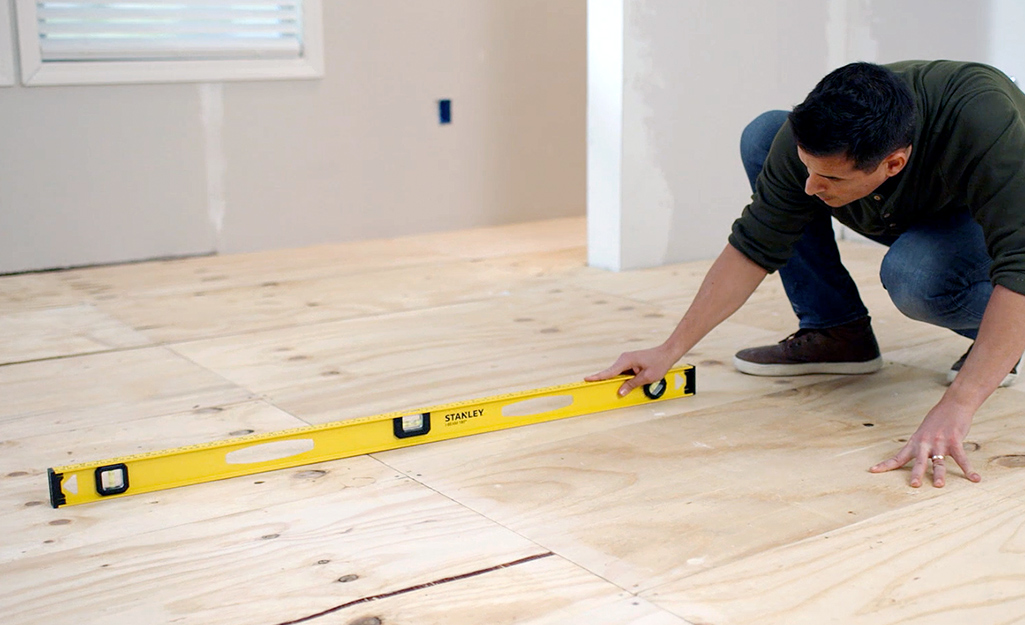
Sand down high spots and rough patches. Use a floor sander or sanding block. Sand until the surface feels flat and smooth. Remove dust with a vacuum or damp cloth. A level floor helps tiles lay flat and stick well.
Install Additional Support If Needed
Check the floor’s strength by walking across it. If it feels weak or bouncy, add more support. Install extra joists or plywood under the wood floor. This makes the floor sturdy and stable for tiling.

Credit: www.national-tile.com
Install A Suitable Underlayment
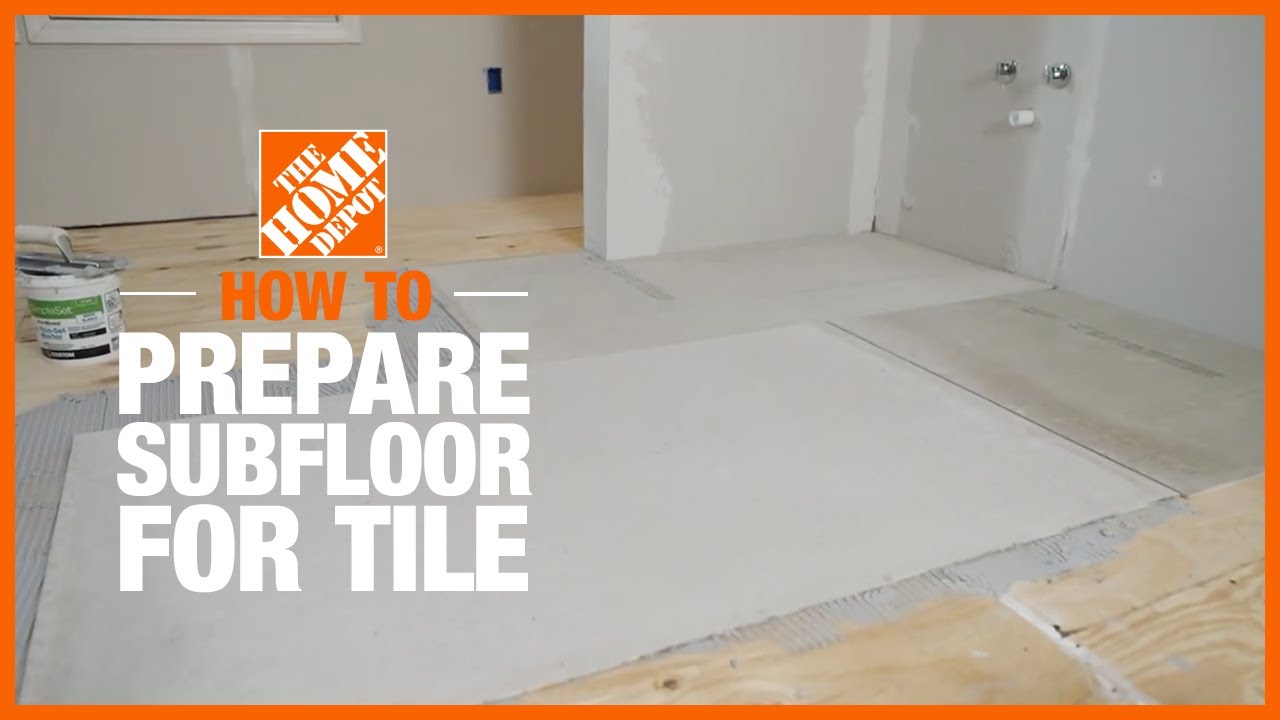
Installing a suitable underlayment is a key step before tiling over a wood floor. The underlayment creates a stable, smooth base. It also protects the tiles from cracks caused by floor movement. Choosing and fitting the right underlayment helps your tile last longer and look better.
Choose The Right Underlayment Type
Select an underlayment designed for wood floors and tile installation. Cement backer boards are popular for their durability and moisture resistance. Another option is a plywood underlayment, which adds stability. Some use specialized membranes that reduce cracks and provide waterproofing. Match the underlayment to your floor’s needs and the type of tile you plan to use.
Cut And Fit Underlayment
Measure the floor area carefully before cutting the underlayment. Use a straightedge and utility knife or saw for precise cuts. Fit each piece tightly against the walls and other boards. Leave a small gap around the edges for expansion. Proper fitting prevents movement and ensures a flat surface for tiling.
Secure Underlayment Properly
Fasten the underlayment with screws or nails recommended by the manufacturer. Space the fasteners evenly to avoid loose spots. Countersink screws slightly below the surface to avoid bumps. Seal joints with thin-set mortar or tape for extra strength. Secure underlayment stops shifting and protects the tile from damage.
Apply Waterproofing Measures
Applying waterproofing measures is key before tiling a wood floor. Wood can absorb moisture, which damages both the wood and tiles. Proper waterproofing protects the floor and keeps the tile adhesive strong. This step helps prevent warping and mold growth.
Use Moisture Barriers
Start with a moisture barrier between the wood and tile. Use a plastic sheet or special membrane. Lay it flat and cover the entire floor area. This barrier stops moisture from rising up into the wood. It also keeps the tile adhesive dry and effective.
Seal Wood Surfaces
Seal the wood with a waterproof primer or sealant. This adds a protective layer over the wood. Apply evenly with a brush or roller. Let it cover all cracks and joints. Sealing stops water from soaking into the wood.
Check For Proper Drying Time
Allow enough time for all waterproofing layers to dry. Follow the product instructions carefully. Rushing this step can cause tile adhesion problems later. A fully dry surface ensures the best tile bond and floor durability.
Credit: www.homedepot.com
Plan Tile Layout
Planning the tile layout is an important step before starting the tiling process. It helps create a balanced and neat appearance. Proper planning avoids mistakes and reduces tile waste.
Mark Reference Lines
Start by marking reference lines on the wood floor. Use a chalk line or pencil to draw straight lines. These lines guide tile placement. Begin from the center of the room for even tile distribution. Mark both directions to form a grid. This grid helps keep tiles aligned and straight.
Dry Lay Tiles
Place tiles on the floor without adhesive. This is called dry laying. It shows how tiles fit the space. Arrange tiles along the reference lines. Check gaps and alignment. Dry laying helps spot issues early. Adjust tile positions before fixing them permanently.
Adjust For Aesthetics And Cuts
Look at tile placement carefully. Aim for balanced cuts at edges. Avoid very small tile pieces. Move the grid lines slightly if needed. This adjustment improves the room’s look. Plan for tile cuts around obstacles. Mark cut lines clearly to ease cutting later.
Frequently Asked Questions
How Do You Prepare A Wood Floor For Tile Installation?
Start by cleaning the wood floor and removing all debris. Check for damage and repair or replace any weak boards. Then, sand the surface to create a rough texture for better tile adhesion.
What Materials Are Needed To Prep Wood Floors For Tiling?
You will need a plywood underlayment, screws, a drill, a level, and a primer. These materials help create a strong, flat base for the tile. The underlayment prevents wood movement that can crack tiles.
Can I Tile Directly On A Wood Floor?
Tiling directly on wood is not recommended. Wood flexes and moves, which can cause tiles to crack or come loose. Installing a proper underlayment ensures a stable surface for tiling.
How Long Should The Wood Floor Dry Before Tiling?
Make sure the wood floor is completely dry before tiling. Drying time depends on humidity but usually takes at least 24 hours. A dry floor prevents moisture problems under the tiles.
Conclusion
Preparing a wood floor for tiling takes some care and attention. Clean the floor well and fix any loose boards. Use a proper underlayment to protect the wood and keep tiles stable. Check for moisture to avoid future problems. Take your time with each step.
This helps your tiles last longer and look better. A good foundation means a strong, beautiful tiled floor. Follow these tips to make your project a success.