Choosing the right flooring can change the entire look and feel of your home. If you’re stuck between LVT and LVP flooring, you’re not alone.
Both options look great and offer durability, but there are key differences that could impact your decision. What if you could easily spot which one fits your lifestyle, budget, and style? Keep reading, because by the end of this article, you’ll know exactly which flooring choice will transform your space and make your life easier.
Credit: elementflooring.com
Lvt And Lvp Basics
LVT and LVP are popular flooring types in many homes. Both offer a stylish look and strong durability. Knowing their basics helps you choose the best for your space. This section explains what they are made of and how they are made.
Material Composition
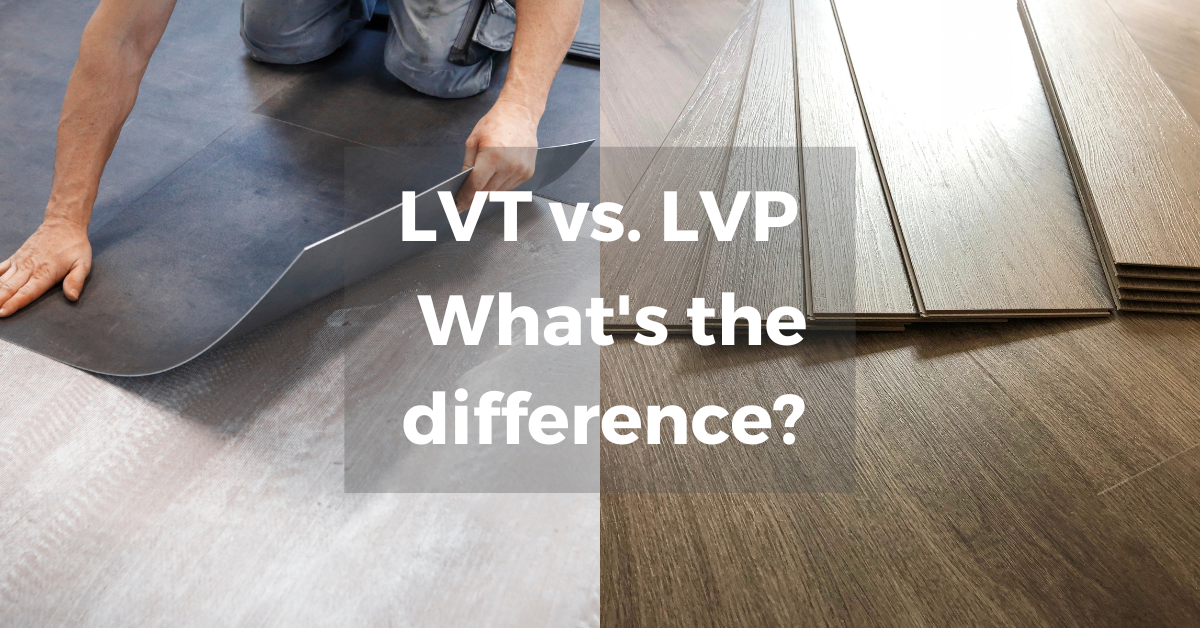
LVT stands for Luxury Vinyl Tile. It has several layers. The top layer is clear and protects the floor. Below is the design layer that shows wood or stone patterns. The core layer adds strength and stability. The bottom layer keeps the floor balanced and flat.
LVP means Luxury Vinyl Plank. It has similar layers to LVT. The main difference is in shape. LVP looks like wood planks. It has the same protective top layer and strong core. Both types use vinyl, making them water-resistant and easy to clean.
Manufacturing Process
LVT and LVP start as raw vinyl materials. These materials are heated and pressed into sheets. The design layer is printed on top with high-resolution images. This process gives realistic wood or stone looks.
Next, a clear protective layer is added. It guards against scratches and stains. The layers are bonded tightly using heat and pressure. This makes the flooring durable and long-lasting.
Finally, the sheets are cut into tiles or planks. Each piece is checked for quality before packaging. This careful process ensures good performance in homes.
Design And Appearance
Design and appearance play a big role in choosing the right flooring. Both LVT and LVP offer styles that suit many homes. Each type brings unique looks that can match different tastes. The choice depends on the color, pattern, texture, and finish you prefer.
Color And Pattern Variety
LVT flooring comes in many colors and patterns. It often mimics wood, stone, or tile very well. You can find light, dark, or neutral shades easily. Patterns range from simple to complex designs. This variety helps create the style you want.
LVP flooring also offers a wide color range. It tends to have bolder and brighter options. Patterns may include traditional and modern looks. LVP suits rooms needing a fresh or lively feel. Both options give freedom to match any decor.
Texture And Finish Options
LVT flooring features realistic textures that feel like natural materials. You can choose smooth, matte, or embossed finishes. These finishes add depth and realism to the floor. The texture helps prevent slipping and adds comfort.
LVP flooring usually has a smoother surface. It offers glossy or semi-gloss finishes. This makes cleaning easier and adds shine to the room. While less textured, LVP still feels soft underfoot. Both LVT and LVP provide good options for style and function.
Durability And Performance
Durability and performance are key factors when choosing flooring. Both LVT and LVP offer strong options for homes and businesses. Understanding how they resist damage and handle moisture helps pick the right floor.
Scratch And Wear Resistance
LVT and LVP are made to handle daily wear and tear. Both have a tough top layer that protects against scratches. LVT tends to be slightly thicker, offering extra resistance to dents. LVP is also durable but may show scratches more easily in high-traffic areas. Both types stand up well to pets and furniture movement.
Water And Moisture Handling
Water resistance is important for kitchens, bathrooms, and basements. LVP is fully waterproof, making it great for wet areas. It does not absorb water or swell. LVT is water-resistant but not always fully waterproof. Small spills wipe away easily on LVT, but standing water can cause damage over time. For areas with high moisture, LVP performs better.
Installation Methods
Choosing between LVT and LVP flooring involves understanding their installation methods. Both types offer different ways to lay the floor. Knowing these methods helps in picking the right option for your space and skill level.
Glue-down Vs Click-lock
Glue-down installation requires adhesive to stick the flooring to the subfloor. This method creates a solid, permanent floor. It works well in high-traffic areas and rooms with moisture.
Click-lock flooring snaps together without glue. This method is easier and faster for DIY projects. It allows the floor to float above the subfloor, which can reduce noise.
LVT often uses glue-down installation for stability. LVP commonly features click-lock for easy setup. Both methods provide durability, but your choice depends on your needs.
Subfloor Requirements
Both LVT and LVP need a clean, flat subfloor. Uneven surfaces can cause damage over time. The subfloor should be dry to prevent moisture issues.
Glue-down floors need a very smooth and dry subfloor. Any bumps can affect the adhesive bond. Click-lock floors can tolerate minor imperfections due to their floating nature.
Proper subfloor preparation extends the life of your flooring. Check for cracks or dirt before installation. A good foundation makes a big difference in performance.
Maintenance And Cleaning
Maintaining and cleaning LVT and LVP flooring is simple. Both types of flooring resist moisture and stains well. This makes them ideal for busy homes and offices. Proper care keeps the floors looking new for many years. It also helps avoid costly repairs or replacements later.
Routine Care Tips
Sweep or vacuum floors daily to remove dirt and dust. Use a soft broom or vacuum without a beater bar. Mop the floor weekly with a damp mop. Use warm water mixed with a gentle cleaner made for vinyl floors. Avoid harsh chemicals or abrasive scrubbers. They can damage the floor surface. Place mats at entrances to catch dirt and moisture. Clean spills quickly to prevent stains.
Stain And Damage Repair
For stains, use a soft cloth with mild soap and water. Rub gently to avoid scratching. Tough stains like ink or paint may need a special vinyl floor cleaner. Avoid bleach or strong solvents. Small scratches can be fixed with a vinyl floor repair kit. For deeper damage, replace the affected plank or tile. Regular care reduces the chances of stains and damage.
Credit: www.dolphincarpet.com
Cost Comparison
Comparing costs helps you choose the right flooring for your budget. LVT and LVP have different price points. Understanding these can guide your decision. Costs depend on materials and installation. Let’s break down each.
Material Price Range
LVT (Luxury Vinyl Tile) usually costs more per square foot. It mimics natural stone or ceramic tiles. Prices range from $3 to $7 per square foot. LVP (Luxury Vinyl Plank) looks like wood. It is often cheaper, between $2 and $5 per square foot.
The price difference comes from design details and texture. LVT offers more variety but costs more. LVP is simpler and budget-friendly.
Installation Expenses
Installation fees also affect total costs. LVT installation can be pricier due to precise fitting. It may cost $2 to $5 per square foot for installation. LVP is easier to install and often cheaper. Installation prices range from $1.50 to $4 per square foot.
Some flooring types need special underlayment or tools. This can increase the price. Basic installation for both remains affordable for most homeowners.
Ideal Use Cases
Choosing the right flooring depends on where it will be used. Both LVT and LVP flooring have strengths that fit different spaces. Understanding their ideal use cases helps in making the best choice. This section explores where each type works best.
Residential Applications
LVT flooring suits homes with heavy foot traffic. It feels soft underfoot and shows patterns clearly. It works well in living rooms, kitchens, and bedrooms. LVP flooring is also good for homes. It is water-resistant, making it ideal for bathrooms and basements. Both options offer comfort and style for residential spaces.
Commercial Settings
LVT is popular in commercial places like offices and retail stores. It handles wear and tear from many people. Its design options help create professional looks. LVP is great for areas needing water resistance. It fits well in gyms, medical offices, and restaurants. Both types provide durability and easy maintenance for businesses.
Environmental Impact
Understanding the environmental impact of LVT and LVP flooring helps make better choices. Both flooring types have different effects on the planet. Knowing these can guide you toward a greener home.
Sustainability Factors
LVT and LVP use vinyl, a plastic material made from fossil fuels. This means their production relies on non-renewable resources. Some manufacturers add recycled content to lower this impact. LVP often has a thinner wear layer, which can reduce raw material use. Both types last long, reducing the need for frequent replacement. Longevity helps lower waste and resource use over time.
Recycling And Disposal
Recycling options for LVT and LVP are limited. Vinyl flooring is hard to recycle due to mixed materials. Most old vinyl floors end up in landfills. There, they can take decades to break down. Burning vinyl releases harmful chemicals. Proper disposal is important to reduce pollution. Some programs accept vinyl flooring for recycling, but they are rare. Choosing flooring with take-back or recycling programs helps the environment.
Making The Final Choice
Choosing between LVT and LVP flooring can feel tricky. Both types offer great looks and durability. Understanding your needs helps narrow down the best fit for your space. Think about what matters most for your home and lifestyle. This makes the final choice clearer and more confident.
Personal Preferences
Style plays a big role in your decision. LVT often mimics natural materials like wood and stone. It has a smooth, flat surface that feels soft underfoot. LVP looks similar but usually has a thicker, more textured feel. Consider which texture and design match your taste best. Color and pattern options also vary. Choose what fits your home’s look and your personal style.
Budget And Lifestyle Considerations
Cost is important. LVP tends to be a bit cheaper than LVT. Think about how much you want to spend. Also, consider your daily activities. LVP is often better for busy areas because it resists scratches well. LVT can handle moisture better, making it good for kitchens and bathrooms. Check the warranty and lifespan too. Pick the option that fits your budget and lifestyle needs.

Credit: www.reallycheapfloors.com
Frequently Asked Questions
What Is The Main Difference Between Lvt And Lvp Flooring?
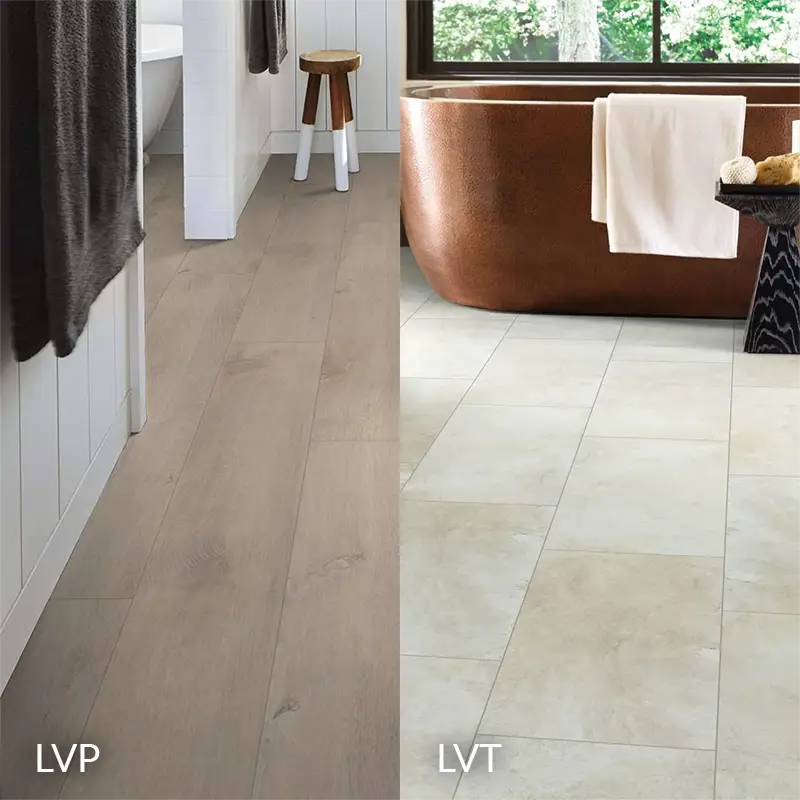
LVT stands for Luxury Vinyl Tile and mimics stone or ceramic tiles. LVP means Luxury Vinyl Plank and looks like wood planks. Both are vinyl but differ mainly in design style.
Which Flooring Is More Durable, Lvt Or Lvp?
Both LVT and LVP are strong and water-resistant. LVT tiles can be thicker, offering slightly better durability. LVP is flexible but still holds up well under daily use.
Is Lvt Or Lvp Easier To Install At Home?
LVP usually comes in longer planks that click together, making it easier for DIY projects. LVT tiles may require more precision but can be glued or clicked. Both can be installed without professional help.
Which Flooring Type Is Better For Wet Areas, Lvt Or Lvp?
Both LVT and LVP resist water, making them good for kitchens and bathrooms. LVT’s tile format can offer better grip in wet spots. Either choice works well if properly installed.
Final Words
Both LVT and LVP offer strong, stylish flooring choices. LVT focuses on luxury tile looks, while LVP mimics wood well. Both resist water and wear, making them great for busy homes. Your choice depends on style and room needs. Either option gives a durable, affordable floor.
Choose what fits your space and budget best. Flooring that lasts and looks good. Easy to clean and simple to maintain. A smart choice for any home.