Are you trying to decide between LVP flooring and hardwood for your home? Choosing the right floor can change how your space looks and feels every day.
You want something durable, stylish, and worth your investment. But which option fits your lifestyle and budget best? This article will help you understand the key differences, benefits, and drawbacks of LVP and hardwood floors. By the end, you’ll have a clear idea of which flooring suits your needs perfectly.
Keep reading to make the smartest choice for your home.
Lvp Flooring Basics
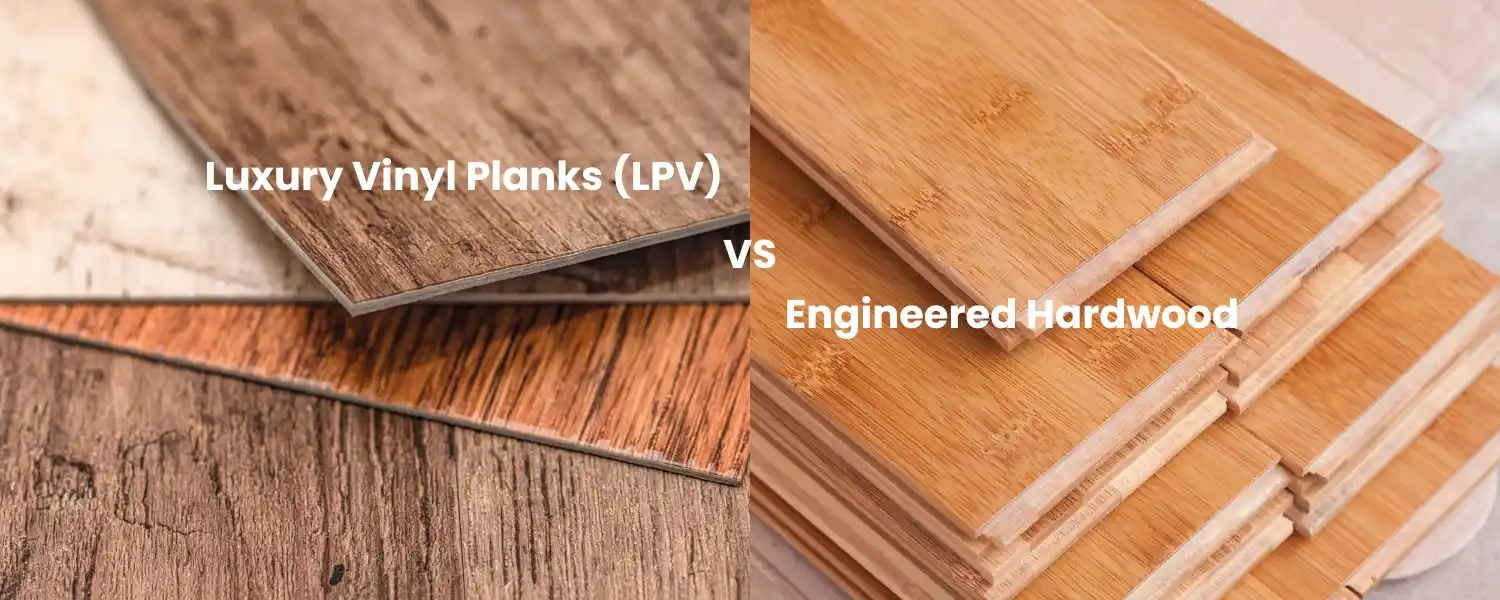
LVP flooring, or Luxury Vinyl Plank, is a popular choice for many homeowners. It offers a look similar to hardwood but at a lower cost. This type of flooring is made to be strong and easy to care for. It fits well in areas with high traffic and moisture. Understanding the basics helps decide if LVP suits your space.
Materials And Construction
LVP consists of several layers. The top layer is a clear wear layer that protects against scratches and stains. Below it lies a printed design layer that mimics wood or stone. The core is made from vinyl, which gives durability and water resistance. Some LVP floors have an attached underlayment for extra comfort and sound absorption.
Durability And Maintenance
LVP flooring holds up well in busy homes. It resists dents, scratches, and water damage. Cleaning is simple with regular sweeping and occasional mopping. No need for special cleaners or waxing. Its water resistance makes it great for kitchens and bathrooms. LVP can last many years with proper care.
Style And Design Options
LVP comes in many colors and patterns. It can look like oak, maple, or even exotic woods. Some designs include textured surfaces to feel like real wood. Planks vary in length and width to fit different tastes. This variety helps match any home style, from modern to traditional.
Hardwood Flooring Essentials
Hardwood flooring has a timeless charm and strong presence in many homes. It offers warmth and natural beauty that few other floors can match. Understanding the basics of hardwood flooring helps in making an informed choice for your space.
From types to care and style, these essentials guide you through the key points of hardwood floors.
Types Of Hardwood
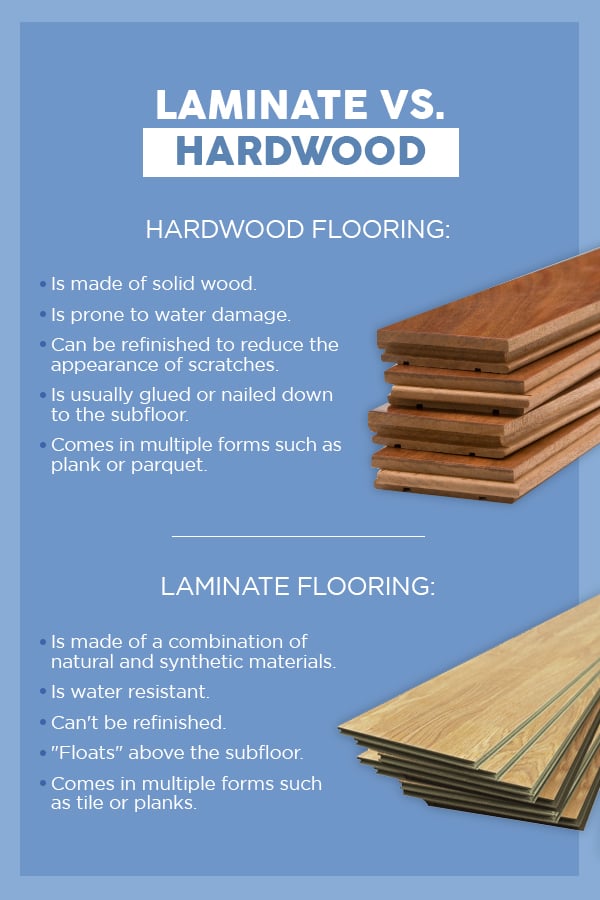
Hardwood floors come in various wood species. Oak, maple, cherry, and walnut are popular choices. Each type has its own color and grain pattern. Some woods are harder and more durable than others. You can choose between solid hardwood and engineered hardwood. Solid hardwood is made from one piece of wood. Engineered hardwood has layers for better stability.
Longevity And Care
Hardwood floors can last for decades with proper care. Regular cleaning keeps dust and dirt away. Use a soft broom or vacuum designed for hard floors. Avoid water spills as they can damage the wood. Refinishing restores the floor’s shine and removes scratches. This process can be done several times over the floor’s life.
Aesthetic Appeal
Hardwood adds warmth and character to any room. Its natural grains create unique patterns. The wood’s color can brighten or deepen a space. Hardwood works well with many design styles. It can look rustic, modern, or classic. Over time, the wood ages and gains a richer look.
Cost Comparison
Comparing costs is important when choosing between LVP flooring and hardwood. Both have different price points and expenses over time. Knowing these costs helps you make a smart choice for your budget.
Initial Investment
LVP flooring usually costs less upfront than hardwood. The price of LVP ranges from $2 to $7 per square foot. Hardwood often costs between $5 and $15 per square foot. Installation for LVP is simpler and cheaper. Hardwood installation needs special tools and skills, so it costs more. Choosing LVP lowers your first expense.
Long-term Expenses
Hardwood requires regular maintenance like sanding and refinishing. These jobs add to its long-term cost. LVP is more durable and needs less care. It resists scratches and water better than hardwood. Over years, hardwood may need repairs or replacement faster. LVP saves money on maintenance and repairs. Both floors last long, but LVP costs less to keep.
Credit: villagiowoodfloors.com
Installation Process
The installation process plays a big role in choosing between LVP flooring and hardwood. It affects cost, time, and the skills needed. Both options have unique steps and challenges. Understanding these can help in making the right choice for your home.
Diy Vs Professional
LVP flooring is easier for a DIY project. Its click-lock design fits together without glue or nails. This makes it simple for beginners to install. Hardwood needs more skill. Cutting, nailing, and sanding require experience. Many prefer hiring professionals for hardwood to avoid mistakes. Professionals can also finish hardwood with stains and sealants. DIY is possible but takes practice and proper tools.
Time And Effort
LVP flooring installs faster than hardwood. It often takes a few hours or a day for a room. Hardwood installation can take several days. This is because of the extra steps like sanding and finishing. LVP requires less prep work. Hardwood needs a clean, smooth subfloor and acclimation time. Effort for hardwood is higher due to heavy materials and precise cuts. LVP is lighter and easier to handle.
Performance In Different Environments
Choosing the right flooring depends on where it will be installed. Floors face different challenges depending on the environment. Performance varies between luxury vinyl plank (LVP) flooring and hardwood in these conditions. Understanding their strengths helps pick the best option for each space.
Moisture Resistance
LVP flooring resists moisture very well. It does not warp or swell when wet. This makes it ideal for kitchens, bathrooms, and basements. Hardwood is more sensitive to water. It can absorb moisture and expand or crack over time. Hardwood needs careful maintenance to avoid damage from spills or humidity. For damp areas, LVP offers a safer choice.
Suitability For High Traffic Areas
LVP flooring handles heavy foot traffic better than hardwood. It wears well and keeps its look even after long use. Hardwood can scratch and dent easily in busy spaces. It may require refinishing to maintain appearance. LVP’s durability suits homes with children or pets. It also works well in commercial spaces with many visitors daily.
Credit: 50floor.com
Environmental Impact
Choosing flooring affects the environment in many ways. It involves materials, production, and waste. Understanding environmental impact helps make better choices. Both LVP (Luxury Vinyl Plank) and hardwood have pros and cons in this area.
Sustainability Factors
Hardwood comes from trees, a natural resource. Sustainable forestry means cutting trees carefully and planting new ones. This helps forests regrow and absorb carbon dioxide. Some hardwood flooring is certified by groups that check these practices.
LVP is made mostly from plastic, which comes from fossil fuels. Its production uses more energy and creates more pollution. Some brands use recycled materials in LVP, reducing new plastic use. Still, plastic is less renewable than wood.
Recyclability And Disposal
Hardwood flooring is biodegradable and can be reused or recycled. Old hardwood can become mulch or new wood products. It breaks down naturally over time in landfills.
LVP is harder to recycle due to mixed plastics and chemicals. Most LVP ends up in landfills and takes many years to break down. Few recycling programs accept LVP flooring today.
Resale Value Influence
The choice between LVP flooring and hardwood affects a home’s resale value. Flooring is a key factor buyers notice. It shapes their first impression and impacts their offer price.
Both LVP and hardwood have unique appeal. Their influence on resale value depends on buyer tastes and market trends. Understanding these elements helps sellers make smart flooring decisions.
Homebuyer Preferences
Many buyers prefer hardwood for its natural look. It adds warmth and elegance to rooms. Hardwood is seen as a sign of quality and style.
Others choose LVP for its durability and low maintenance. It resists scratches and moisture better than hardwood. Families with pets or children often favor LVP flooring.
Some buyers want a balance. They like hardwood’s beauty but need LVP’s practicality. The right flooring can attract a wider range of buyers.
Market Trends
Market trends influence which flooring adds more value. Hardwood prices tend to stay stable or rise over time. It is often seen as a long-term investment.
LVP has grown in popularity due to its cost-effectiveness. Many builders now include LVP in new homes. It offers a modern look with easy upkeep.
In some regions, hardwood remains the top choice. In others, LVP leads due to lifestyle needs. Knowing local trends helps sellers choose wisely.
Making The Right Choice
Choosing between LVP flooring and hardwood involves more than just style. Consider your daily life, budget, and home design. These factors help find the best fit for your space and needs.
Lifestyle Considerations
Think about your home’s traffic and use. LVP flooring is great for busy areas and homes with pets. It resists water and scratches well. Hardwood offers warmth and natural beauty but may need more care. Kids or pets can cause dents on hardwood floors. Choose based on your activity level and maintenance willingness.
Budget Alignment
LVP flooring usually costs less upfront than hardwood. Installation costs for LVP are often lower too. Hardwood is an investment that can add value to your home. It may last longer with proper care. Balance initial cost with long-term benefits. Decide what fits your financial plan best.
Design Compatibility
Hardwood floors offer a timeless and classic look. They come in many wood types and finishes. LVP mimics wood styles but with more variety in patterns. It fits modern and casual designs well. Pick the option that matches your home’s style. Your choice should enhance your room’s overall feel.
Frequently Asked Questions
What Are The Main Differences Between Lvp And Hardwood Flooring?
LVP is made from vinyl and is water-resistant, while hardwood is natural wood and can scratch easily. LVP is usually cheaper and easier to install than hardwood.
Which Flooring Is More Durable, Lvp Or Hardwood?
LVP is more resistant to water, stains, and dents, making it very durable. Hardwood can last longer if well cared for but is sensitive to moisture.
How Does The Cost Of Lvp Compare To Hardwood Flooring?
LVP generally costs less than hardwood for materials and installation. Hardwood is more expensive but can increase home value more over time.
Can Lvp Flooring Look As Good As Hardwood?
Modern LVP comes in many styles that closely mimic real wood grain. It offers a similar look at a lower price and with easier upkeep.
Final Words
Choosing between LVP flooring and hardwood depends on your needs. LVP is affordable, water-resistant, and easy to maintain. Hardwood offers natural beauty and can last for decades. Both add value and style to your home. Think about your budget, lifestyle, and room use.
This helps you make the best choice. Both floors have pros and cons, so weigh them carefully. Whichever you pick, quality installation matters a lot. Enjoy your new floors and the comfort they bring.