Have you ever wondered if eucalyptus is a hardwood? It’s a question that might seem simple but can actually be quite confusing.
If you’re thinking about using eucalyptus for your next project or just curious about its properties, understanding whether it’s classified as hardwood or not is important. Knowing this can help you make better choices for your furniture, flooring, or outdoor needs.
Keep reading, and you’ll discover the truth about eucalyptus and why it matters to you.

Credit: exoticwoodzone.com
Eucalyptus Wood Basics
Eucalyptus wood is popular in many parts of the world for furniture and construction. It comes from trees that grow quickly and are easy to find. Understanding eucalyptus wood helps you know if it is hardwood or not.
This wood has unique features. It is strong and durable, making it useful for many projects. Learning about its types and growth helps explain its qualities.
Types Of Eucalyptus Species
There are over 700 types of eucalyptus trees. Some are used for wood, while others are mainly for oil. Common species for wood include Eucalyptus globulus and Eucalyptus camaldulensis. These types have dense wood that can work like hardwood.
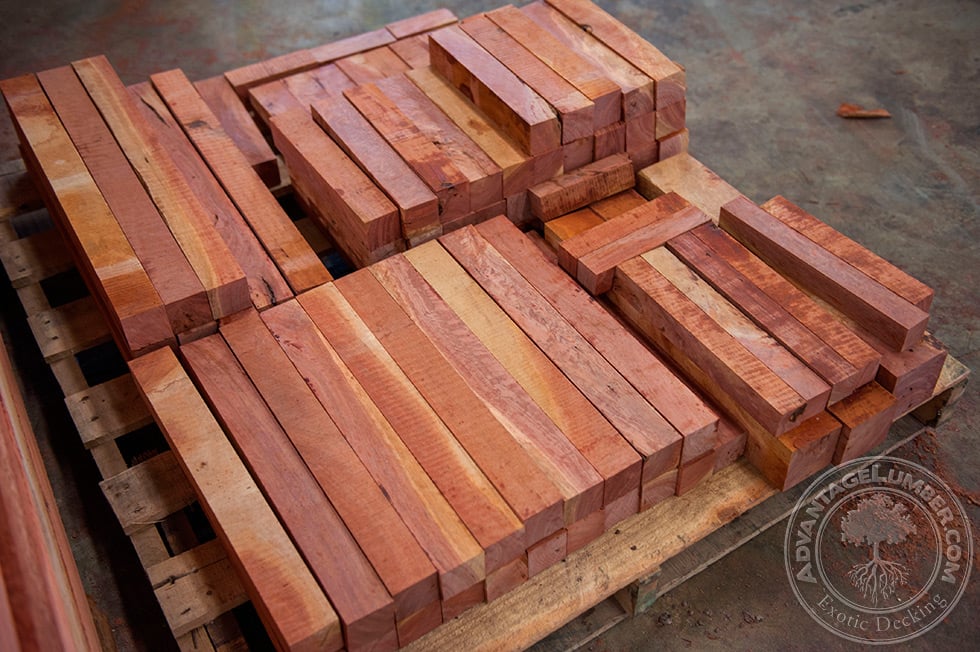
Different species offer different wood colors and textures. Some are reddish, while others are pale. The wood hardness depends on the species and how fast the tree grows.
Growth Characteristics
Eucalyptus trees grow very fast. They can reach full size in 10 to 15 years. This fast growth makes them a renewable resource. The wood fibers are tight, which makes the wood strong.
The tree’s bark peels off regularly, revealing fresh layers. This helps the tree stay healthy. The wood’s density varies based on soil and climate. Denser wood is harder and more durable.

Credit: jardina.com
Hardwood Vs Softwood
Understanding the difference between hardwood and softwood helps in choosing the right wood for projects. These two types come from different kinds of trees. Each has unique features that affect durability and use.
Key Differences
Hardwood comes from trees that lose their leaves each year. Softwood comes from evergreen trees that keep their needles. Hardwoods usually have denser wood fibers. This makes them stronger and heavier. Softwoods grow faster and are lighter. Hardwoods often have a more complex grain pattern. Softwoods have a simpler, straighter grain.
Classification Criteria
The main classification is based on the tree type, not hardness. Hardwoods are from angiosperm trees. These trees have broad leaves. Softwoods come from gymnosperm trees, mostly conifers. Wood hardness can vary inside each group. Some softwoods can be harder than certain hardwoods. The difference lies in the cell structure of the wood. Hardwoods have vessels or pores. Softwoods mainly have resin canals. This affects how the wood feels and performs.
Eucalyptus Classification
Eucalyptus trees belong to a large group of flowering plants native to Australia. They grow fast and are used widely in timber production. Understanding their classification helps clarify whether eucalyptus wood is hardwood or softwood. This knowledge guides choices for construction, furniture, and other wood uses.
Classification depends on the tree’s biology, wood structure, and density. Eucalyptus wood varies among species but mostly shares common traits. Let’s explore how eucalyptus fits into the hardwood and softwood categories.
Is Eucalyptus Hardwood Or Softwood?
Eucalyptus is classified as hardwood. It comes from angiosperm trees with broad leaves. Hardwoods differ from softwoods, which come from conifers with needles. Eucalyptus trees have a complex cell structure, typical of hardwoods. Their wood is strong and dense, suitable for many uses.
People often confuse hardwood with hard wood. Hardwood does not always mean hard. Some hardwoods are softer than softwoods. Eucalyptus wood ranges from medium to very hard. This makes it a versatile hardwood choice.
Wood Density And Structure
Density measures how heavy wood is for its size. Eucalyptus wood has high density, often above 600 kg/m³. This density gives eucalyptus strength and durability. It resists wear and damage well. The wood fibers are tightly packed.
The structure includes vessels, fibers, and rays. Eucalyptus has large vessels for water transport. These vessels make the wood porous but strong. The fibers add toughness and flexibility. This structure supports heavy loads and long-lasting use.
Strength Of Eucalyptus Wood
Eucalyptus wood is known for its remarkable strength and durability. This makes it a popular choice for many uses, including furniture and construction. The wood’s strength comes from its dense fiber structure. It can handle heavy loads and resist wear better than many other woods.
Understanding the strength of eucalyptus helps in choosing the right wood for projects. It also explains why eucalyptus is often classified as a hardwood. Below, we explore its mechanical properties and compare it with other hardwoods.
Mechanical Properties
Eucalyptus wood has high density, which means it is heavy and strong. Its hardness rating is above average, making it resistant to dents and scratches. The wood’s bending strength is excellent, allowing it to hold shape under pressure. It also has good shock resistance, useful in flooring and heavy-use furniture. Eucalyptus dries well and remains stable, reducing the risk of warping or cracking.
Comparisons With Other Hardwoods
Compared to oak, eucalyptus is often harder and denser. It sometimes outperforms maple in strength tests. While teak is known for durability, eucalyptus offers similar toughness at a lower cost. Eucalyptus is also more resistant to rot than many common hardwoods. These qualities make eucalyptus a strong competitor in the hardwood market.
Durability And Resistance
Eucalyptus wood is well-known for its strong durability and resistance. These qualities make it a popular choice for many uses, including furniture and flooring. The wood’s natural properties help it last longer and stay strong under tough conditions.
Natural Resistance To Pests
Eucalyptus has a natural defense against many pests. Its oils and density make it hard for insects to damage the wood. Termites and beetles usually avoid eucalyptus. This natural resistance reduces the need for chemical treatments. It makes eucalyptus a safe and eco-friendly option for outdoor projects.
Weather And Decay Resistance
Eucalyptus wood resists weather changes well. It handles rain, sun, and wind without losing strength quickly. The wood’s tight grain helps keep moisture out. This slows down decay and rot. Eucalyptus is a smart choice for outdoor furniture and decks. It stays durable longer even in wet or humid places.
Common Uses Of Eucalyptus Wood
Eucalyptus wood is strong and versatile. It serves many purposes across different industries. Its durability and attractive grain make it popular worldwide. The wood is also easy to work with and lasts long. Below are some common uses of eucalyptus wood.
Furniture And Flooring
Eucalyptus wood creates beautiful furniture pieces. Chairs, tables, and cabinets often use this wood. Its smooth texture and rich color give a warm look. Hardwood flooring made from eucalyptus resists wear and tear. It handles heavy foot traffic well. The wood also holds stains and finishes nicely.
Construction And Outdoor Applications
Builders use eucalyptus wood in many construction projects. It is strong enough for framing and beams. The wood resists decay, making it good for outdoor use. Fences, decks, and garden structures often feature eucalyptus wood. It stands well against weather and insects. This wood provides a natural, sturdy option for outdoor needs.
Sustainability And Environmental Impact
Eucalyptus trees have gained attention for their impact on the environment. Understanding their sustainability helps us make better choices. This section explores how eucalyptus affects the planet and its role in forestry.
Growth Rate And Harvesting
Eucalyptus trees grow very fast compared to many hardwoods. Some species can reach maturity in just 7 to 10 years. This quick growth allows for faster harvesting cycles. Farmers and companies can plant and cut eucalyptus more often. This helps meet wood demand without long waits. Harvesting methods focus on replanting after cutting. This practice supports forest renewal and reduces land degradation.
Eco-friendly Aspects
Eucalyptus plantations can absorb large amounts of carbon dioxide. This helps reduce greenhouse gases in the atmosphere. The trees also provide habitat for some wildlife species. Using eucalyptus wood reduces pressure on slower-growing hardwood forests. It offers an alternative that protects natural forests from overharvesting. Some concerns exist about water use and soil health. Responsible management can limit these negative effects. Sustainable eucalyptus farming balances economic and environmental needs.
Credit: www.advantagelumber.com
Frequently Asked Questions
Is Eucalyptus Classified As Hardwood Or Softwood?
Eucalyptus is classified as hardwood because it comes from broad-leaved trees. These trees have dense, strong wood used in furniture and flooring.
What Makes Eucalyptus Wood Durable And Strong?
Eucalyptus wood has a tight grain and natural oils that resist wear and decay. This makes it sturdy and long-lasting for many uses.
Can Eucalyptus Wood Be Used For Outdoor Projects?
Yes, eucalyptus wood is good for outdoor use due to its natural resistance to moisture and pests. It often needs sealing to last longer outside.
How Does Eucalyptus Compare To Other Hardwoods?
Eucalyptus is usually cheaper and grows faster than many hardwoods. It is tough but can be less smooth than woods like oak or maple.
Conclusion
Eucalyptus wood is often called hardwood because it grows from a broadleaf tree. Its density and durability make it suitable for many uses. Builders and craftsmen appreciate its strength and natural resistance. The wood works well for furniture, flooring, and outdoor projects.
Choosing eucalyptus means getting a reliable and strong material. It offers good value without sacrificing quality. Understanding its properties helps you make the best choice. Simple, strong, and versatile—eucalyptus fits many needs.