Choosing the right flooring for your home can feel overwhelming, especially when you’re stuck between engineered hardwood and luxury vinyl plank (LVP). You want something that looks great, lasts long, and fits your lifestyle.
But which one truly delivers the best value and style for your space? You’ll discover the key differences, benefits, and drawbacks of both options. By the end, you’ll have a clear idea of which flooring suits your needs perfectly—so you can make a confident choice without any second guessing.
Keep reading to find out if engineered hardwood really is better than LVP for your home.
Engineered Hardwood Basics
Engineered hardwood is a popular flooring option that combines beauty and durability. It offers a real wood surface with a stable base. This makes it a great choice for many homes. Understanding its basics helps you decide if it fits your needs.
Let’s explore the key features of engineered hardwood, including what it is made of, the types of wood used, and how it is made.
Composition And Layers
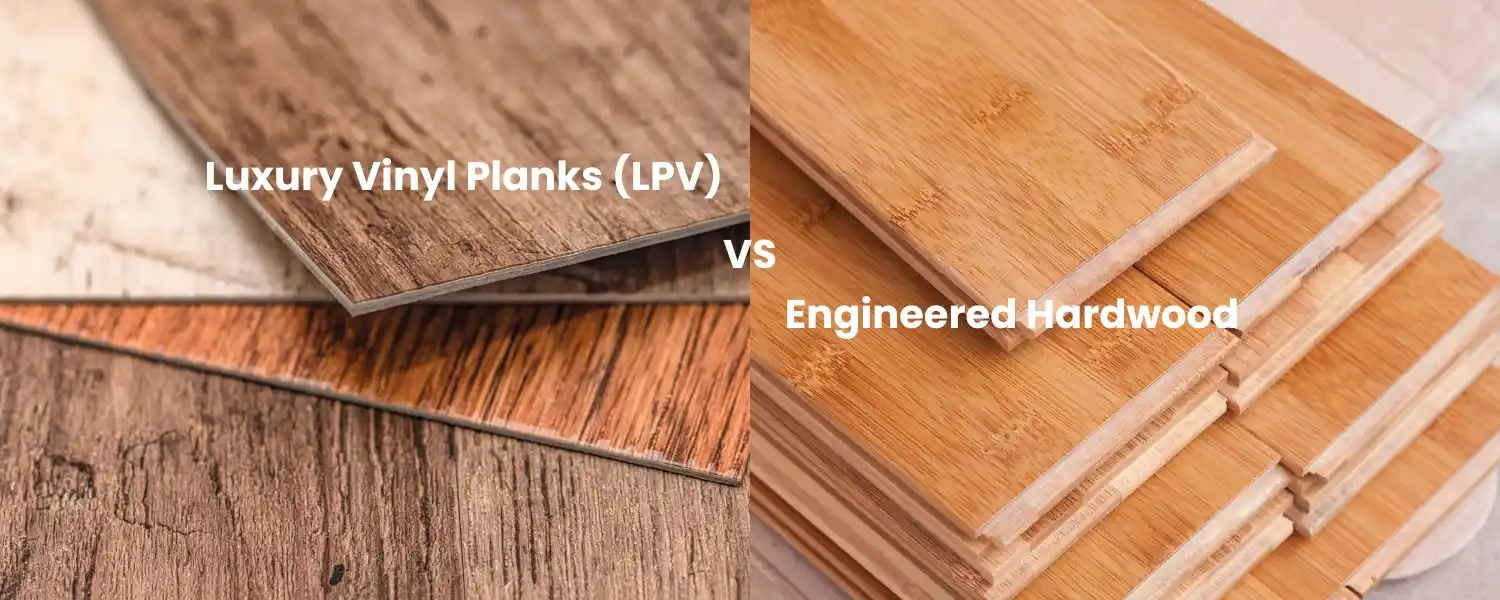
Engineered hardwood has multiple layers of wood glued together. The top layer is real hardwood. It shows the wood grain and gives the floor its look. Below the top, layers of plywood or high-density fiberboard support the surface. These layers add strength and reduce warping. This layered design makes engineered hardwood more stable than solid wood.
Common Wood Species
Many wood types are used for engineered hardwood tops. Oak is the most common due to its durability and look. Maple, cherry, and walnut are also popular for their unique colors and patterns. Each wood species gives a different style. You can find floors that suit both modern and traditional homes.
Manufacturing Process
The making of engineered hardwood starts with slicing thin wood layers. These layers are dried to remove moisture. They are then glued under heat and pressure to form strong boards. The top hardwood layer is carefully cut and finished. This process ensures a smooth and durable floor surface. Quality control checks happen throughout to maintain standards.
Lvp Essentials
Luxury Vinyl Plank (LVP) is a popular flooring choice for many homes. It offers a mix of style and durability. Understanding its basics helps decide if LVP suits your needs.
Here are some key points about LVP essentials to consider.
Material And Structure
LVP is made from multiple layers of vinyl. The top layer is a clear wear layer that protects against scratches and stains. Below it lies a printed design layer that looks like wood or stone. The core layer provides strength and waterproof qualities. The backing layer adds stability and prevents moisture from seeping up.
Variety Of Styles
LVP comes in many colors and patterns. You can find designs that mimic oak, maple, and even exotic woods. Some planks have textured surfaces to feel like real wood. This variety helps match any room’s look and style.
Installation Methods
Installing LVP is simple and fast. Many options use a click-lock system that snaps planks together. Some types come with adhesive backing for easy peel and stick. LVP can be placed over concrete, wood, or existing floors. This flexibility makes it popular for DIY projects.
Durability And Lifespan
Durability and lifespan are key factors when choosing between engineered hardwood and luxury vinyl plank (LVP). Both flooring types offer unique strengths. Understanding these qualities helps make the best choice for your home. This section breaks down how each holds up over time.
Wear Resistance
Engineered hardwood has a tough top layer made from real wood. This layer resists daily wear well but can show signs of use over many years. LVP features a strong wear layer that protects against scratches and stains. It handles high traffic areas with less visible damage. Both offer good wear resistance, but LVP tends to keep its look longer in busy spaces.
Water And Moisture Tolerance
Engineered hardwood resists moisture better than solid wood. It can handle small spills and humidity changes. Still, excess water may cause damage or warping. LVP is highly water-resistant and often waterproof. It works well in bathrooms, kitchens, or basements. For wet areas, LVP offers a clear advantage in durability.
Scratch And Dent Resistance
Engineered hardwood is softer than LVP and can dent or scratch more easily. Pets, furniture, or heavy objects may leave marks. LVP has a resilient surface that resists scratches and dents better. It is ideal for homes with kids or pets. Scratch and dent resistance make LVP a practical choice for active households.

Credit: www.reallycheapfloors.com
Appearance And Design
Appearance and design play a big role in choosing flooring. Both engineered hardwood and LVP offer unique looks. They can change the whole feel of a room. Let’s explore how each performs in these areas.
Natural Look And Feel
Engineered hardwood offers a real wood surface. It feels warm and natural under your feet. The grain patterns and texture mimic solid wood closely. LVP tries to copy wood but uses plastic. It can look good but often lacks the natural warmth. Some high-end LVP options feel softer, but still not like real wood.
Color And Texture Options
LVP comes in many colors and patterns. It can mimic wood, stone, or tile with ease. This variety suits many design tastes. Engineered hardwood has fewer color choices. It focuses on natural wood shades and grains. The texture is real wood, which many prefer for authenticity.
Customization Possibilities
Engineered hardwood can be sanded and refinished. This allows changes in color or finish later on. LVP cannot be sanded or refinished. Its design is fixed once installed. Custom cuts and patterns are easier with hardwood. LVP offers limited customization but fits tight spaces well.
Maintenance And Care
Maintenance and care play a big role in choosing between engineered hardwood and LVP. Both flooring types need regular attention to keep their look and last longer. Understanding how to clean, repair, and maintain these floors helps you decide which suits your lifestyle better.
Cleaning Techniques
Engineered hardwood requires gentle cleaning. Use a soft broom or vacuum without a beater bar. Avoid excess water to prevent damage. A damp mop with a cleaner made for wood floors works well. Avoid harsh chemicals or abrasive tools.
LVP is easier to clean. Sweep or vacuum regularly to remove dirt. Use a damp mop with mild soap and water. It resists water damage, so spills are less of a worry. Avoid abrasive cleaners to keep the surface smooth.
Repair And Refinishing
Engineered hardwood can be repaired and refinished several times. Minor scratches can be buffed out. Deep dents may need sanding and re-staining. This keeps the floor looking fresh for years.
LVP does not refinish well. Damaged planks usually need full replacement. Small scratches and dents can be hidden with special repair kits. Repair is simpler but not as long-lasting as hardwood.
Long-term Upkeep
Engineered hardwood needs periodic maintenance to stay strong. Avoid standing water and use furniture pads. Regular cleaning and refinishing extend its life.
LVP offers low maintenance over time. It resists stains and moisture better. This makes it a good choice for busy homes or areas with heavy foot traffic.
Cost Comparison
Comparing the costs of engineered hardwood and luxury vinyl plank (LVP) helps you make a smart flooring choice. Both options suit different budgets and needs. Understanding the cost differences saves money and avoids surprises.
Initial Investment
Engineered hardwood usually costs more per square foot than LVP. The wood layer and craftsmanship add to the price. LVP is made from plastic, making it cheaper to produce. You can find affordable LVP options that still look great.
Installation Expenses
Installing engineered hardwood often requires professional help. It may need special tools and more time. LVP is easier to install and can be a DIY project. This lowers installation costs for LVP compared to hardwood.
Value Over Time
Engineered hardwood can increase home value and last for decades. It may need refinishing to keep its look. LVP resists scratches and water but may wear out faster. Over time, hardwood might offer better long-term value despite higher initial costs.
Environmental Impact
The environmental impact of flooring choices matters to many homeowners. Both engineered hardwood and luxury vinyl plank (LVP) have different effects on the planet. Understanding these differences helps make a better decision for your home and the earth.
Sustainability Factors
Engineered hardwood uses real wood layers. Wood is a natural, renewable resource if harvested responsibly. Forest management practices affect sustainability. Some manufacturers source wood from well-managed forests.
LVP is made from plastic materials. Plastic comes from fossil fuels, which are not renewable. Production of LVP uses more energy than wood flooring. This can increase its carbon footprint.
Recyclability
Engineered hardwood is easier to recycle or reuse. Wood can be repurposed or decomposed naturally. It breaks down without harming the environment.
LVP is harder to recycle due to mixed plastic types. Most recycling centers do not accept vinyl flooring. This often leads to landfill waste that lasts for many years.
Eco-friendly Certifications
Look for certifications that prove eco-friendly practices. Engineered hardwood may have Forest Stewardship Council (FSC) certification. FSC ensures wood is from sustainable forests.
LVP may carry certifications like FloorScore, which shows low chemical emissions. These certifications help reduce indoor pollution and improve air quality.

Credit: buildmyplace.com
Best Uses And Applications
Choosing the right flooring depends on where you plan to install it. Both engineered hardwood and LVP have specific strengths. Knowing their best uses helps you pick the perfect option for each room.
Each material fits certain environments better. This section explains which rooms suit engineered hardwood and LVP. It also covers how each handles different climates.
Ideal Rooms For Engineered Hardwood
Engineered hardwood works great in living rooms and bedrooms. It adds warmth and natural beauty to these spaces. It is also good for dining rooms where style matters. Avoid using it in bathrooms or basements due to moisture.
Ideal Rooms For Lvp
LVP shines in kitchens, bathrooms, and basements. It handles water and humidity well. This makes it perfect for wet areas and high-traffic zones. LVP also fits mudrooms and laundry rooms where durability is key.
Suitability For Different Climates
Engineered hardwood handles temperature changes better than solid wood. It suits dry and moderate climates well. LVP tolerates humidity and moisture without warping. It is ideal for coastal or humid regions. Both can perform well if installed correctly.
Credit: villagiowoodfloors.com
Frequently Asked Questions
What Are The Main Differences Between Engineered Hardwood And Lvp?
Engineered hardwood has a real wood top layer, while LVP is made of vinyl. Hardwood looks more natural, but LVP is more water-resistant. Both offer good durability but suit different needs.
Which Flooring Is More Durable, Engineered Hardwood Or Lvp?
LVP is generally more durable against scratches and moisture than engineered hardwood. Hardwood can dent and is less water-resistant. For busy areas, LVP often lasts longer.
How Do Engineered Hardwood And Lvp Compare In Cost?
Engineered hardwood usually costs more than LVP. LVP is budget-friendly and easier to install. Hardwood adds more value to homes but needs higher upfront investment.
Is Engineered Hardwood Better For Resale Value Than Lvp?
Homes with engineered hardwood often sell faster and for more money. Hardwood floors are seen as high quality by buyers. LVP is practical but less preferred for resale.
Conclusion
Choosing between engineered hardwood and LVP depends on your needs. Engineered hardwood offers natural beauty and warmth. LVP is durable, water-resistant, and budget-friendly. Both have pros and cons to consider. Think about your lifestyle, space, and budget. Either option can enhance your home’s look.
The key is picking what fits you best. Take your time and decide wisely. Your floor should match your daily life and style.