If you have cedar wood in your home or garden, you know how beautiful and durable it can be. But to keep it looking great and lasting for years, you need to treat it the right way.
Treating cedar wood isn’t hard, but doing it correctly makes all the difference. You’ll discover simple, effective steps to protect your cedar from weather, pests, and wear. Follow along, and you’ll learn how to keep your cedar wood strong, fresh, and stunning—so you can enjoy it for a long time.
Ready to give your cedar the care it deserves? Let’s dive in!

Credit: www.reddit.com
Preparing Cedar Wood
Preparing cedar wood properly is key to a long-lasting finish. It helps the wood absorb treatments evenly. Clean, smooth, and repaired wood shows off its natural beauty best. Taking time to prepare cedar wood will save effort later.
Cleaning The Surface
Start by removing dirt and dust from the cedar. Use a soft brush or cloth to wipe off loose debris. For stubborn stains, mix mild soap with water. Gently scrub the surface without soaking the wood. Let the cedar dry completely before moving on.
Sanding Techniques
Sanding smooths the wood and opens its pores for better treatment. Begin with medium-grit sandpaper, about 120 grit. Sand along the grain to avoid scratches. Finish with fine-grit sandpaper, around 220 grit, for a soft surface. Always wipe off dust after sanding.
Repairing Imperfections
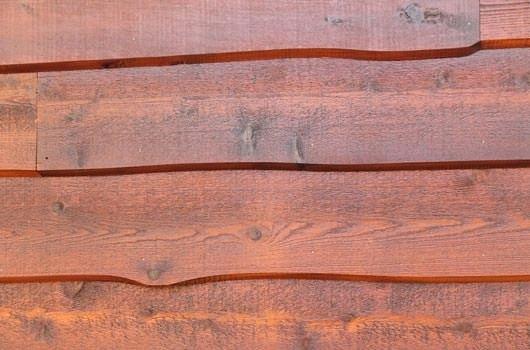
Inspect the cedar for cracks, holes, or rough spots. Fill small holes with wood filler that matches cedar’s color. Allow the filler to dry fully, then sand it smooth. For larger cracks, use wood glue and clamps to secure the wood. Repairing flaws ensures a neat, even finish.
Credit: www.longhousecedar.com
Choosing The Right Treatment
Choosing the right treatment for cedar wood is important to keep it strong and beautiful. Cedar is a soft wood that can get damaged by water, sun, and insects. Using the right product helps protect it from these problems. It also keeps the wood looking fresh and new for many years.
Types Of Wood Sealers
Wood sealers stop water from soaking into cedar. They form a thin layer on the surface. Some sealers are clear, showing the wood’s natural color and grain. Others add a slight tint to enhance the wood’s look. Sealers are easy to apply and dry quickly. They work best on cedar that is already smooth and clean. Sealers need to be reapplied every few years to keep the wood protected.
Stains Vs. Paints
Stains soak into the wood, adding color but not hiding the grain. They help protect cedar from the sun and moisture. Paints cover the wood completely, hiding the natural look. Paint creates a thick barrier that protects well. But it can peel or crack over time. Stains are better for cedar if you want to keep its natural beauty. Paints are good for a bold color and strong protection.
Natural Oils For Cedar
Natural oils like linseed and tung oil soak deep into cedar. They protect the wood without covering its texture. Oils bring out the warm, rich color of the wood. They also keep the wood from drying out and cracking. Applying oil is simple. It needs more frequent reapplication than sealers or stains. Oils are a good choice for a natural, healthy finish on cedar wood.
Applying Treatments Effectively
Applying treatments effectively to cedar wood protects it from weather and damage. Proper application helps the wood last longer and keeps its natural beauty. Follow simple steps to ensure the treatment soaks in well and covers every part of the wood.
Tools And Equipment
Gather the right tools before starting. You need a paintbrush or sprayer for even coverage. Use sandpaper to smooth the wood surface first. A clean cloth helps wipe off dust. Wear gloves to protect your hands from chemicals. Have a container to hold the treatment liquid ready.
Step-by-step Application
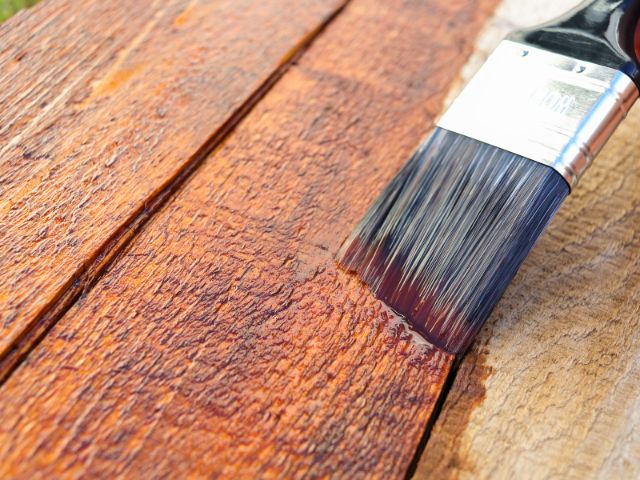
Start by sanding the cedar wood lightly. Wipe away dust with a clean cloth. Apply the treatment with a brush or sprayer. Work along the grain of the wood for better absorption. Cover all sides, including edges and corners. Avoid thick layers to prevent drips and uneven drying. Let the first coat dry fully before applying another.
Drying And Curing Time
Let the treated wood dry in a well-ventilated area. Drying time depends on temperature and humidity but usually takes 24 hours. Avoid touching or using the wood during this time. Full curing can take several days. Curing strengthens the protection and hardens the treatment. Patience ensures the best results for long-lasting cedar wood.
Maintenance Tips For Longevity
Keeping cedar wood in good shape takes regular care. Proper maintenance helps the wood last longer and stay beautiful. Simple steps can protect cedar from damage and wear over time.
Follow these tips to keep your cedar wood strong and looking fresh.
Regular Cleaning Routine
Clean cedar wood often to remove dirt and dust. Use a soft brush or cloth with mild soap. Avoid harsh chemicals that can harm the wood. Rinse with water and let it dry naturally. Regular cleaning stops mold and mildew growth.
Reapplying Treatments
Apply wood treatments every few years to protect cedar. Use oils, stains, or sealants made for cedar wood. These products keep moisture out and prevent cracking. Follow product instructions for the best results. Reapplying treatments keeps the wood healthy and vibrant.
Protecting From Weather Damage
Shield cedar wood from extreme weather to avoid damage. Use covers or place wood in shaded areas when possible. Make sure water drains away from the wood surface. Avoid direct contact with snow or standing water. Protecting cedar helps prevent warping and fading.
Preventing Common Issues
Preventing common issues is key to keeping cedar wood in good shape. Cedar is strong but can face problems like mold, cracks, and sun damage. Taking simple steps can stop these problems early. Protecting your cedar wood helps it last longer and look better.
Avoiding Mold And Mildew
Mold and mildew grow in damp, dark places. Keep cedar dry by placing it where air flows well. Clean the wood regularly to stop dirt buildup. Use a mild soap and water mix for washing. Let the wood dry fully after cleaning. Applying a wood preservative can block mold growth.
Handling Wood Cracks
Cracks often form when wood loses moisture fast. Keep cedar wood from drying too quickly by shading it. Use wood oil or sealer to keep moisture inside. Fill small cracks with wood filler for a smooth surface. Check the wood often and fix cracks quickly to avoid bigger problems.
Preventing Uv Damage
Sunlight can fade cedar and make it brittle. Use a UV-protective finish to shield the wood. Reapply the finish every year or as needed. Place cedar in spots with some shade if possible. Cover wood during strong sun periods. These steps keep cedar looking fresh and strong.
Credit: pergoladepot.com
Frequently Asked Questions
How Do I Prepare Cedar Wood Before Treatment?
Clean the wood with a soft brush to remove dirt and dust. Let it dry completely before applying any treatment.
What Type Of Finish Works Best On Cedar Wood?
Use a clear or lightly tinted wood sealer. It protects while showing cedar’s natural color and grain.
How Often Should Cedar Wood Be Treated?
Treat cedar wood every 2 to 3 years. This keeps it protected from moisture and sun damage.
Can I Use Regular Wood Stains On Cedar Wood?
Special cedar stains are better as they allow wood to breathe. Regular stains may trap moisture and cause damage.
Conclusion
Treating cedar wood keeps it strong and looking fresh. Clean the wood gently and let it dry well. Apply a protective finish to guard against weather damage. Repeat treatment every few years for best results. Proper care helps cedar last a long time.
Enjoy the natural beauty of your cedar wood. Simple steps make a big difference in wood care. Keep your cedar safe and beautiful with regular attention. Easy to do, and worth every effort. Your cedar will thank you with lasting charm.