Are your wood floors looking tired and worn out? You don’t have to go through the messy, time-consuming process of sanding to bring them back to life.
Imagine giving your floors a fresh, beautiful shine without the dust and hassle. You’ll discover simple, effective ways to renew your wood floors quickly and easily. Keep reading, and you’ll learn how to transform your space with steps you can handle yourself—no sanding required.
Your floors will thank you!

Credit: www.youtube.com
Assess Floor Condition
Before renewing your wood floors without sanding, start by assessing their condition. This step helps you understand what needs attention and how to proceed safely. A careful check can save time and effort later. It also ensures the new finish will stick well and look great.
Check For Damage
Look closely at your floor for scratches, dents, or deep stains. Notice any areas where the wood feels soft or weak. These spots might need repair before renewing. Also, check for gaps between boards or signs of water damage. Fixing damage first keeps the floor strong and even.
Identify Finish Type
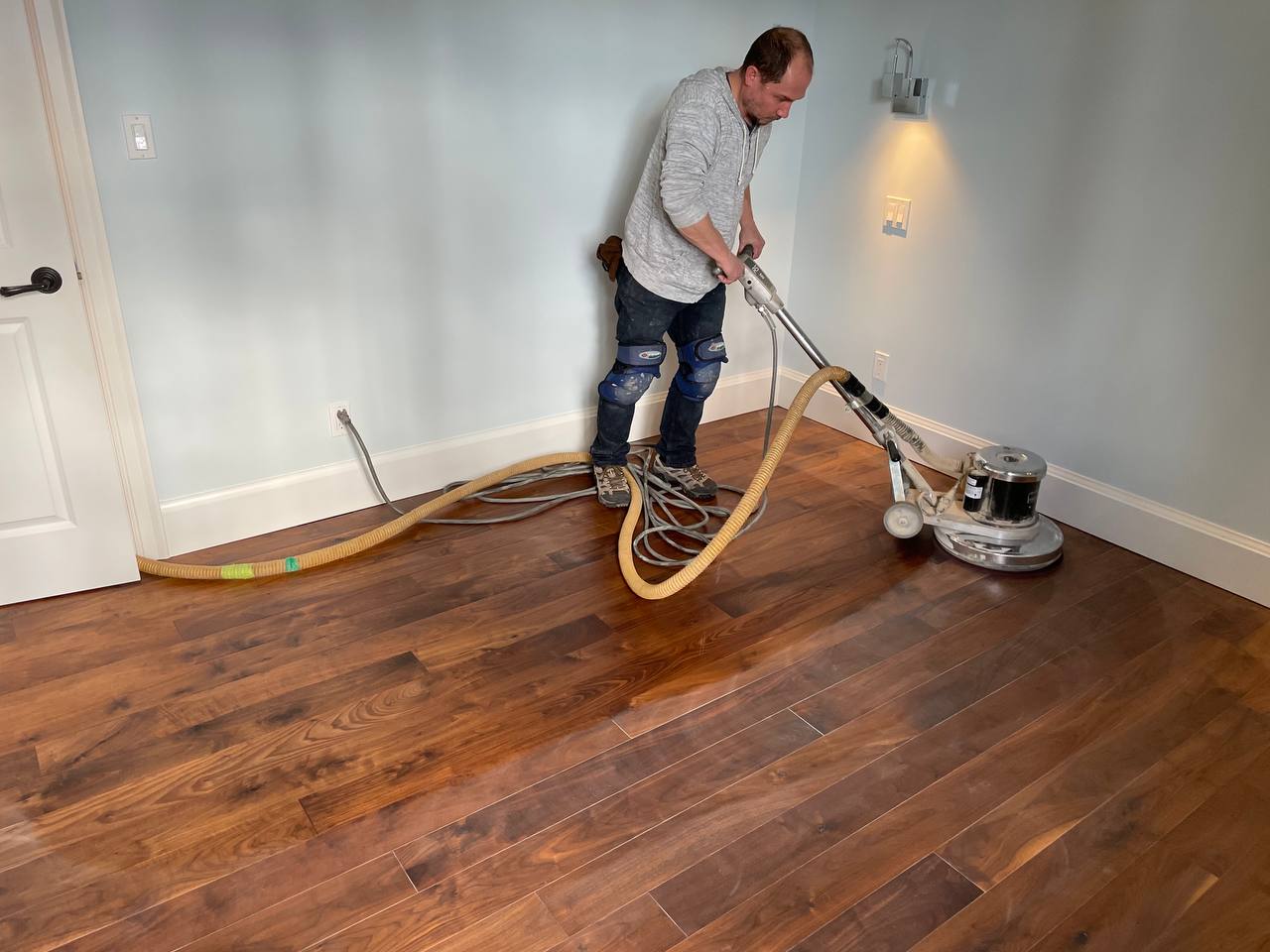
Knowing your floor’s finish helps pick the right products. Common finishes include polyurethane, wax, or shellac. You can test a small hidden spot with a bit of alcohol or water. If the finish softens or changes, you will know its type. This step avoids using wrong cleaners or coatings that cause problems.
Credit: 1dayrefinishing.com
Clean Floors Thoroughly
Cleaning wood floors well is the first step to renewing them without sanding. Dirt and grime can hide in small cracks. Removing all surface dust helps new finishes stick better. A clean floor looks brighter and feels smooth to touch.
Use the right cleaning methods to protect the wood. Harsh chemicals can damage the finish. Gentle cleaning keeps wood safe and ready for the next step. Clean floors also show true wear and spots that need attention.
Remove Dirt And Grime
Start by sweeping or vacuuming the floor. This removes loose dust and debris. Use a soft broom or a vacuum with a floor brush. Avoid hard bristles that may scratch the surface.
Next, mop with a damp cloth or mop. Use cool or lukewarm water only. Avoid soaking the floor with water. Water can seep into wood and cause damage.
For sticky or oily spots, rub gently with a soft cloth. Use small circular motions. Do not scrub hard. This keeps the finish intact and prevents scratches.
Use Gentle Cleaning Solutions
Choose mild soaps made for wood floors. Mix a small amount with water. Avoid harsh detergents, bleach, or ammonia-based cleaners.
Dampen a mop or cloth with the solution. Wring it well to avoid excess water. Clean the floor in small sections. Rinse the mop often to avoid spreading dirt.
Dry the floor immediately with a clean towel. This stops water spots and keeps the wood healthy. A clean, dry floor is ready for polishing or sealing.
Repair Scratches And Dents
Repairing scratches and dents is key to renewing wood floors without sanding. These flaws make floors look old and worn. Fixing them brings life back to your floors quickly. You can use simple tools and materials to hide these marks. This saves time and keeps your floors smooth.
Apply Wood Fillers
Wood fillers fill deep scratches and dents well. Choose a filler close to your floor color. Clean the damaged area first. Press the filler into the scratch or dent. Use a putty knife to smooth it out. Let it dry fully before touching it. After drying, lightly rub the area with fine sandpaper. This helps blend the filler with the floor.
Use Wax Sticks Or Markers
Wax sticks and markers hide small scratches fast. They come in many wood tones for a good match. Rub the wax stick over the scratch gently. For markers, color inside the scratch with the tip. Wipe off extra wax or marker with a soft cloth. These tools fill scratches and make them less visible. They work best on minor surface damage.
Apply Wood Brighteners
Applying wood brighteners is a smart way to renew wood floors without sanding. These products restore the floor’s natural color and remove dullness. They work by cleaning deep into the wood pores and lifting stains. Using brighteners can make old floors look fresh and vibrant again.
Choose Safe Brightening Products
Select brighteners made for wood floors to avoid damage. Pick products that are non-toxic and eco-friendly. Check labels for safe ingredients that do not harm wood or finish. Avoid harsh chemicals that can weaken the floor’s surface. Safe brighteners protect your home and improve floor life.
Techniques For Even Application
Apply brighteners evenly to avoid streaks and blotches. Use a soft brush or mop for smooth spreading. Work in small sections for better control. Follow product instructions on how long to leave it on. Rinse carefully to remove residue and reveal a bright, clean floor.
Use Refinishing Products
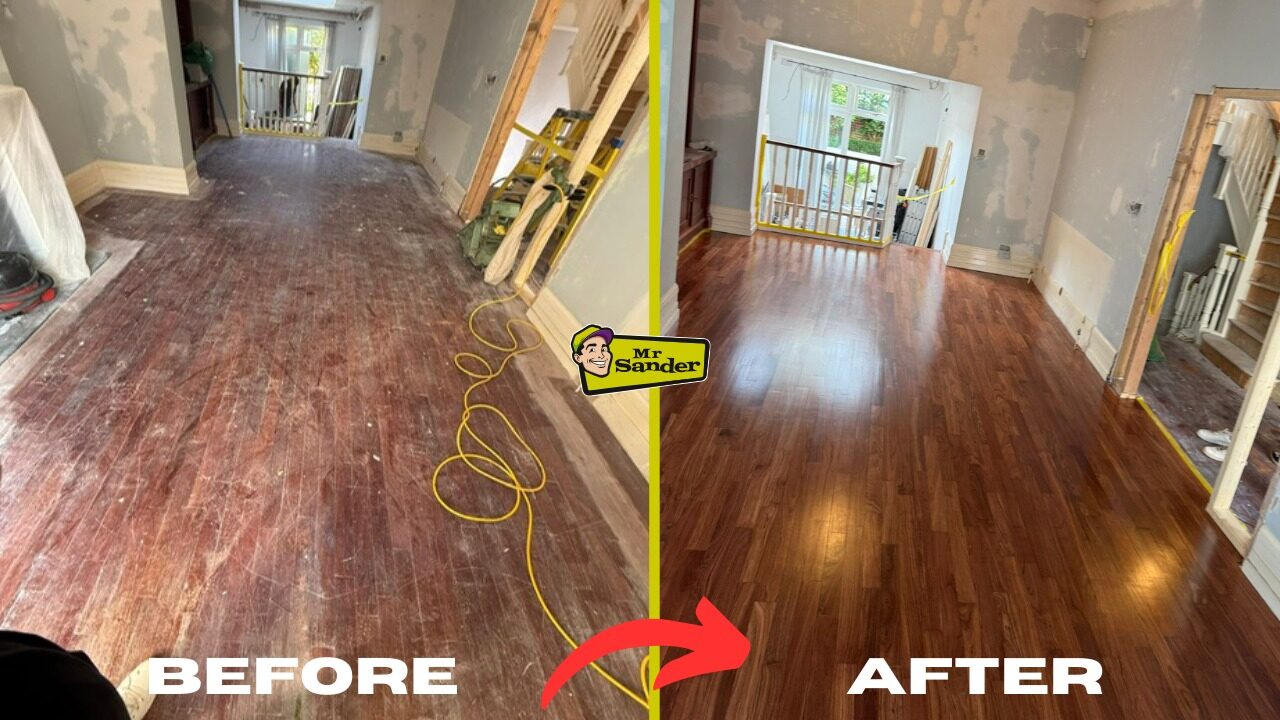
Renewing wood floors without sanding saves time and effort. Using refinishing products refreshes the surface and hides scratches. These products add shine and protect the wood from damage. Choosing the right product depends on your floor’s condition and desired look. Below are two common types of refinishing products.
Water-based Polyurethane Options
Water-based polyurethane dries quickly and has low odor. It creates a clear, durable layer over the wood. This finish keeps the floor looking natural and bright. You can apply it with a brush or roller. It resists scratches and stains well. This product is great for floors that need a fresh coat without sanding.
Restorative Floor Finishes
Restorative finishes restore worn wood by filling small scratches and dull spots. They blend with the old finish, hiding marks. These finishes often contain oils and waxes for added shine. Applying them is simple and requires no sanding. They suit floors with light damage or fading. Use them to bring life back to tired wood floors.
Credit: mrsander.co.uk
Enhance Shine And Protection
Enhancing the shine and protection of wood floors brings new life to old surfaces without sanding. This process boosts the floor’s appearance and extends its lifespan. Simple steps can restore beauty and guard wood from damage.
Apply Floor Polish
Floor polish adds a bright, glossy finish to wood floors. It fills small scratches and hides dull spots. Use a clean mop or cloth to spread polish evenly. Let it dry fully before walking on the floor. Repeat as needed for lasting shine.
Use Protective Coatings
Protective coatings create a strong layer over the wood surface. They stop water, dirt, and wear from reaching the floor. Choose water-based or oil-based coatings based on your floor type. Apply with a brush or roller in thin coats. Allow each coat to dry before adding another.
Maintain Renewed Floors
Maintaining renewed wood floors keeps them looking fresh and beautiful. Proper care helps protect the surface and extends the floor’s life. Simple daily habits make a big difference over time.
Focus on gentle cleaning and avoiding damage. Small actions prevent scratches and dullness. Keep the shine and smooth feel longer with easy steps.
Regular Cleaning Tips
Sweep or vacuum floors often to remove dirt and dust. Use a soft broom or vacuum with a floor brush. Avoid harsh chemicals that can harm the finish.
Clean with a damp mop using water or a mild wood floor cleaner. Wring out the mop well to avoid water damage. Dry floors quickly to stop moisture from seeping in.
Preventive Care Methods
Place felt pads under furniture legs to stop scratches. Use rugs at entrances to catch dirt and grit. Keep pet nails trimmed to avoid marks on the floor.
Avoid walking on wood floors with high heels or heavy boots. Maintain stable indoor humidity to prevent wood from expanding or shrinking. Regular checks help catch problems before they worsen.
Frequently Asked Questions
How Can I Refresh Wood Floors Without Sanding?
You can clean, spot repair, and apply a new finish to refresh wood floors. Using floor polish or a wood restorer helps brighten the surface. This method saves time and avoids dust from sanding.
What Products Work Best For Renewing Floors Without Sanding?
Water-based polyurethane and wood floor restorer products work well for renewal. These products protect and shine floors without heavy sanding. Choose a product that matches your floor’s finish.
How Long Does It Take To Renew Wood Floors Without Sanding?
Renewing floors without sanding usually takes a few hours to a day. It depends on the floor size and drying time of the finish. This method is faster than full sanding and refinishing.
Can I Fix Scratches On Wood Floors Without Sanding?
Yes, small scratches can be fixed with wood markers or fillers. These products blend scratches into the floor’s color. For deeper damage, spot repair and refinishing may be needed.
Conclusion
Renewing wood floors without sanding saves time and effort. You can brighten floors using simple products and gentle methods. This approach protects your wood and keeps it looking fresh. Small fixes make a big difference in floor appearance. Try these easy tips to refresh your floors today.
Your home will feel warmer and more inviting. No need for dust or loud machines. Just clean, repair, and shine. A fresh floor lifts any room’s style. Give your wood floors a new life now.