Are you ready to give your space a fresh new look by removing your old wood flooring? Whether you want to replace worn-out boards or change your room’s style, removing wood flooring can seem like a big challenge.
But don’t worry—you have the power to do it yourself, step by step. In this guide, you’ll discover simple, clear instructions that make the process easier than you think. Keep reading to learn how to remove wood flooring safely and efficiently, so you can move on to your next home improvement project with confidence.
Credit: www.youtube.com
Tools Needed
Removing wood flooring needs the right tools for a smooth job. Using proper tools saves time and effort. It also helps protect your floor and walls during removal. Prepare all tools before you start to make work easier.
Essential Hand Tools
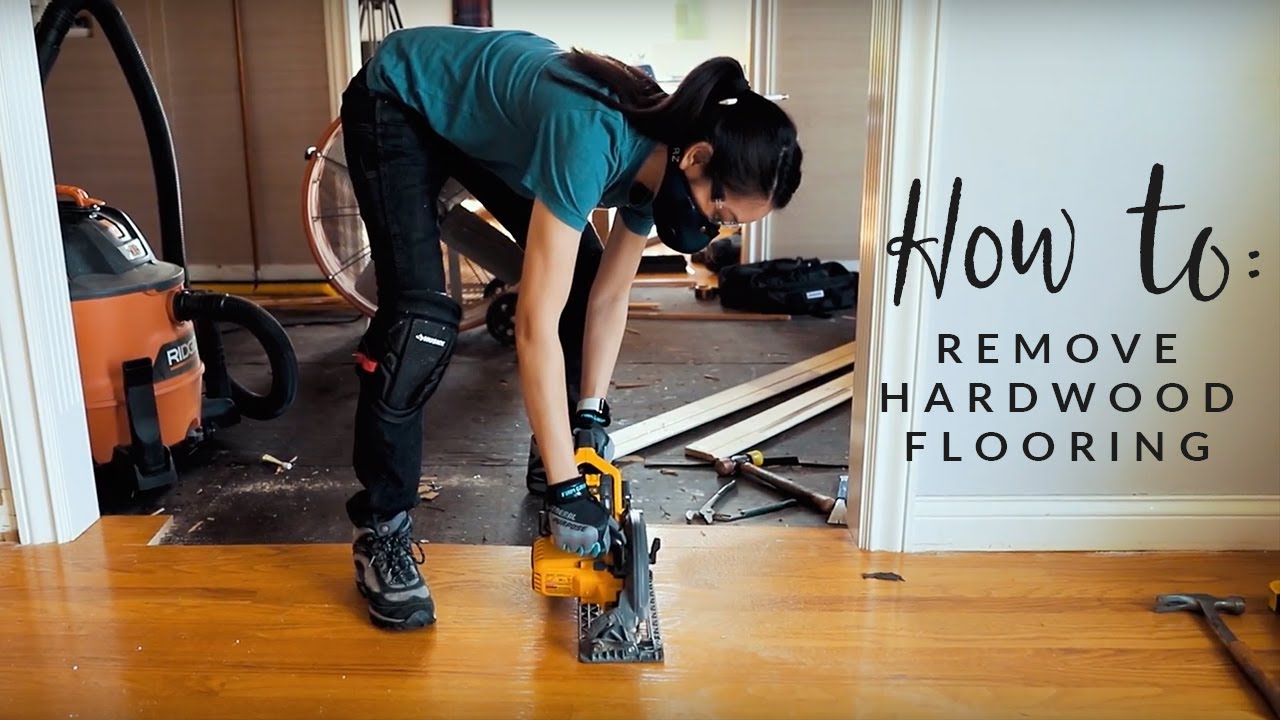
Start with basic hand tools. Pry bars help lift and remove wood planks. A hammer is useful for tapping and prying loose nails. A utility knife cuts through carpet or underlayment. Use a flat bar to separate boards carefully. Gloves protect your hands from splinters and sharp edges.
Power Tools For Efficiency
Power tools speed up the removal process. A circular saw cuts wood planks quickly. Set the blade depth to avoid damage below the flooring. An oscillating multi-tool helps remove stubborn nails and glue. A power drill with a screwdriver bit removes screws fast. These tools reduce manual effort and save time.
Safety Gear
Safety is important during floor removal. Wear safety goggles to protect your eyes from dust and debris. Use a dust mask to avoid breathing harmful particles. Ear protection helps against loud tool noise. Wear sturdy shoes to protect your feet from falling objects. Use knee pads to reduce pressure while working on the floor.
Preparing The Room
Preparing the room is the first step before removing wood flooring. It helps keep the process safe and clean. Proper preparation also protects your home and tools from damage. Follow these simple steps for a smooth start.
Clearing The Space
Remove all furniture and items from the room. Empty cabinets or shelves near the floor. This creates a clear work area. It also prevents damage to your belongings. A tidy space allows easy movement and access.
Protecting Surfaces
Cover floors and walls with drop cloths or plastic sheets. Use painter’s tape to secure covers in place. Protect baseboards and door frames from scratches. This stops dust and debris from settling on surfaces. Clean-up becomes faster and easier.
Turning Off Utilities
Switch off electricity in the room to avoid accidents. Check for heating or cooling vents near the floor. Turn off any water supply if plumbing runs under the floor. Safety is key when working with tools and materials.
Removing Baseboards And Trim
Removing baseboards and trim is a key step before taking out wood flooring. These pieces protect walls and cover gaps between floor and wall. Taking them off carefully saves them for reuse or recycling. It also prevents damage to walls and floors. This part of the process needs patience and the right tools.
Using Pry Bars
Choose a small pry bar or putty knife to start. Slide it gently under the baseboard. Tap the handle lightly with a hammer. Move the pry bar along the trim in small sections. Work slowly to loosen the nails holding the trim. Use a block of wood between the pry bar and wall. This protects the wall from dents. Remove nails as the trim lifts away. Keep the trim flat to avoid bending.
Avoiding Damage
Protect walls by placing painter’s tape along the trim edges. Avoid pulling too hard on the baseboards. This can crack drywall or chip paint. Use a heat gun to soften old paint if needed. Pull nails straight out with pliers, not at an angle. Store removed trim carefully to prevent warping. Check for hidden nails or staples before pulling. Take your time to keep everything intact.
Credit: re-store.org
Detaching Wood Flooring
Detaching wood flooring is the first big step in removing old floors. It involves carefully separating the boards from the subfloor. Doing this right helps avoid damage to both the wood and the base underneath.
Take your time and work methodically. Each type of wood floor may need a slightly different approach. This part of the process sets the stage for a smooth removal.
Identifying Flooring Type
Check the wood flooring type before starting. Solid hardwood, engineered wood, and laminate floors all detach differently. Solid hardwood often has nails or staples. Engineered wood can be glued down. Laminate usually clicks together over a foam layer.
Knowing the flooring type helps choose the best tools. It also guides the removal steps to avoid extra damage.
Removing Nails And Staples
Look for nails or staples holding the boards. Use a pry bar or hammer claw to pull them out. Work slowly to avoid bending or breaking the wood. If nails are hidden under the boards, gently lift edges to access them.
Keep a container for nails and staples. Removing these fasteners makes lifting the boards easier and safer.
Lifting The Boards
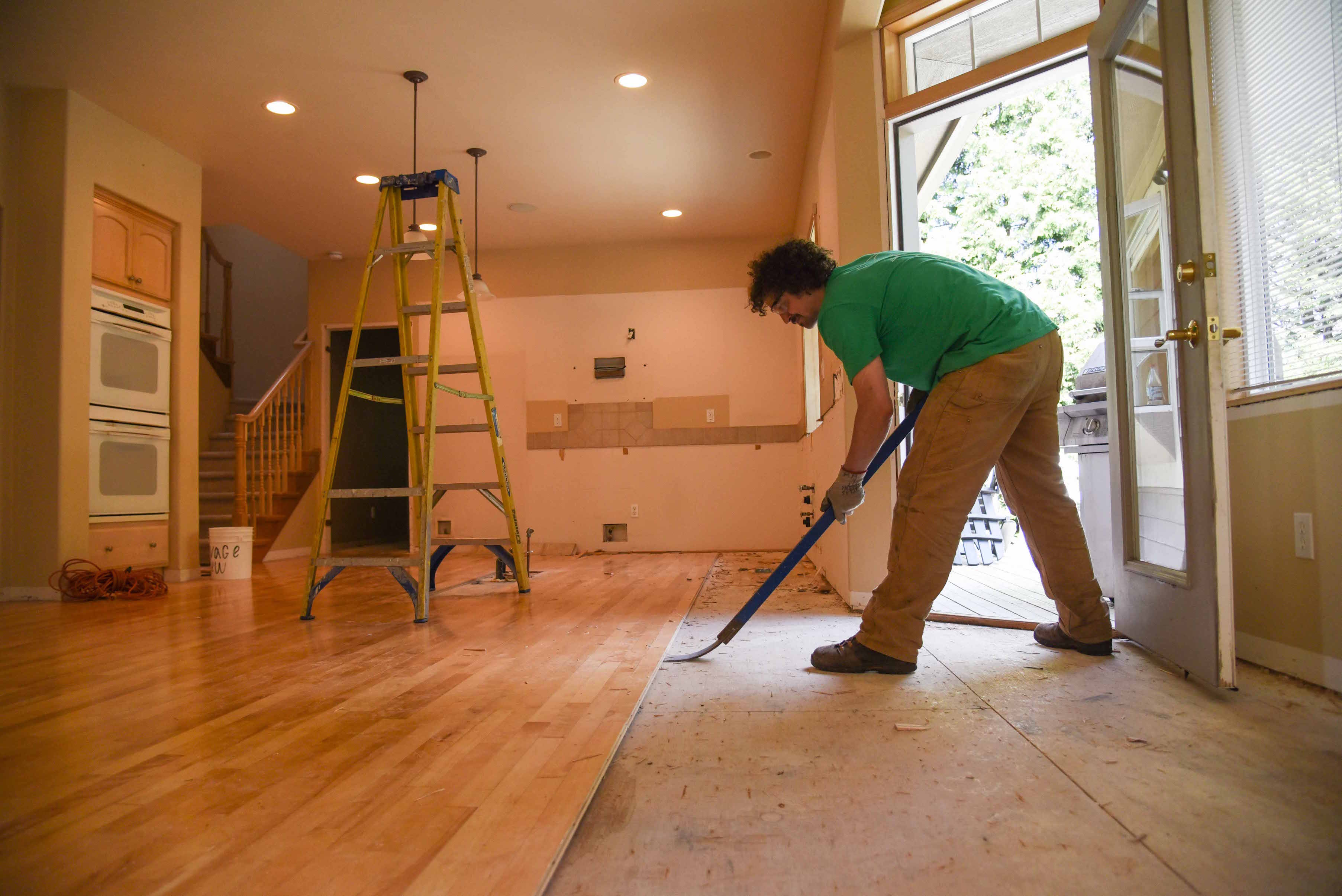
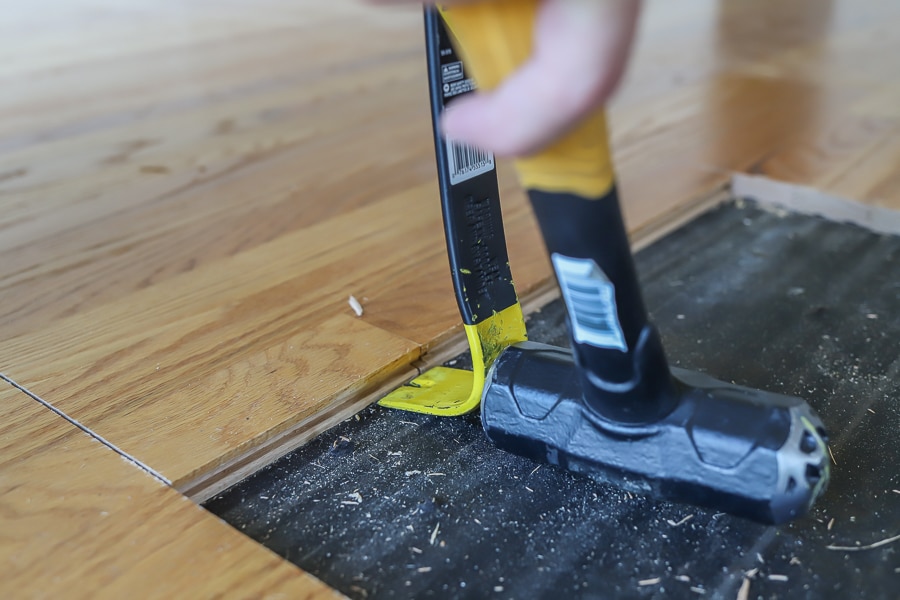
Start at a corner or edge of the room. Slide a flat pry bar under the first board. Lift gently to loosen it from the subfloor. If the board resists, check for missed nails or glue spots.
Lift each board carefully and lay it aside. Avoid snapping or cracking the wood. This keeps boards reusable or easier to dispose of.
Handling Adhesive Or Glue
Removing wood flooring often means dealing with adhesive or glue left behind. This sticky residue can make the job harder. Removing it carefully protects the subfloor and prepares the surface for new flooring. Patience and the right method help get rid of adhesive without damage.
Softening Adhesive
Softening the adhesive makes scraping easier and less damaging. Heat works well to loosen glue. Use a heat gun or a hairdryer to warm the glue. Keep the tool moving to avoid burning the floor. Let the adhesive soften for a few minutes before scraping. Some adhesives also respond to special solvents. Test a small area first to check for damage.
Scraping Techniques
Use a putty knife or a floor scraper to remove softened glue. Hold the scraper at a low angle to avoid gouging the floor. Apply steady pressure and work in small sections. Clean the blade often to keep it sharp and effective. For tough spots, repeat heating and scraping. Dispose of glue pieces properly to keep the workspace clean.
Cleaning The Subfloor
After removing wood flooring, cleaning the subfloor is important. A clean subfloor helps prepare for new flooring. It also keeps the floor strong and safe. Dirt, glue, and damage can cause problems later. Spend time making the subfloor smooth and clean. This step saves effort during new floor installation.
Removing Residue
Start by clearing leftover glue and dirt. Use a scraper to lift stubborn glue spots. Scrape gently to avoid damaging the subfloor. For sticky areas, apply a solvent made for glue removal. Let it sit briefly, then scrape again. Sweep or vacuum all loose debris and dust. A clean surface helps new adhesive stick better.
Repairing Damages
Check the subfloor for cracks, holes, or soft spots. Small holes can fill with wood filler or patching compound. For larger damage, replace the affected subfloor section. Use a hammer and nails to secure loose boards. Sand rough patches to create an even surface. A strong subfloor prevents future floor problems and squeaks.
Disposing Of Old Flooring
Removing old wood flooring leaves you with a big question: what to do with the scraps? Disposing of old flooring is an important step. It helps keep your space clean and supports the environment. Proper disposal also avoids fines or problems with local rules. Here’s how to handle your old wood flooring the right way.
Recycling Options
Wood from old floors can be recycled. Many communities have recycling centers that take wood. They turn old wood into new products like mulch or particle board. Some places accept only untreated wood. Painted or treated wood might need special handling.
Search for local recycling programs before you throw anything away. Some companies offer wood pickup services. This saves you time and effort. Recycling wood reduces waste and helps nature.
Safe Disposal Methods
Not all wood can be recycled. Treated or damaged wood often needs safe disposal. Check your city’s guidelines about wood waste. Some areas have special drop-off points for hazardous materials.
Cut wood pieces into smaller sizes. This makes transport easier. Avoid burning old flooring wood. It can release harmful chemicals into the air.
Use heavy-duty trash bags or containers for disposal. Label them clearly if the wood is treated. This helps waste workers handle it safely. Following rules prevents harm to people and the environment.
Preparing For New Flooring
Preparing for new flooring starts with a clean and stable surface. Removing old wood flooring leaves the subfloor exposed. This base must be smooth, dry, and even. Proper preparation helps the new floor last longer and look better. Two key steps are leveling the subfloor and testing for moisture. Both steps protect your investment and ensure a solid foundation.
Leveling The Subfloor
Check the subfloor for bumps or dips. Use a straight edge or level tool. Mark any uneven spots. Sand down high areas carefully. Fill low spots with a leveling compound. Let the compound dry completely. A flat surface prevents gaps and squeaks in the new floor. It also helps the flooring glue or nails hold better.
Moisture Testing
Test the subfloor for moisture before installing new flooring. Use a moisture meter for quick results. High moisture can cause warping or mold. Concrete subfloors need special attention. Follow the flooring manufacturer’s moisture guidelines. If moisture is too high, install a vapor barrier or wait. Dry floors ensure the new floor stays strong and beautiful.
Credit: jenwoodhouse.com
Frequently Asked Questions
How Do I Safely Remove Wood Flooring?
Start by clearing the room and wearing safety gear like gloves and goggles. Use a pry bar to lift boards carefully to avoid damage. Work slowly to remove nails and adhesive.
What Tools Do I Need To Remove Wood Flooring?
You will need a pry bar, hammer, utility knife, and safety gloves. A floor scraper or crowbar helps with glued floors. A dust mask is useful for debris.
Can I Remove Wood Flooring Myself Or Hire A Professional?
Removing wood floors is doable for most homeowners with patience. Hiring a professional saves time and ensures proper removal, especially with glued floors. Consider your skill level and tools available.
How Do I Dispose Of Old Wood Flooring?
Check local waste rules for wood disposal or recycling options. Broken wood can often go to recycling centers or landfill. Some companies offer pickup services for large amounts.
Conclusion
Removing wood flooring takes time and some effort. Start by clearing the room and gathering tools. Work carefully to avoid damaging the subfloor. Take breaks to stay safe and focused. Dispose of old wood properly or recycle it. This process helps prepare your space for new flooring.
With patience, you can complete this task yourself. A clean, smooth floor is ready for your next project. Easy steps make the job less overwhelming. Now, you can enjoy a fresh look in your home.