Have you ever noticed those annoying white or cloudy spots on your wood floors after a spill or a splash? Water stains can ruin the natural beauty of your floors and make your home look less inviting.
But don’t worry—removing these stains is easier than you might think. You’ll discover simple, effective ways to bring back the shine and warmth of your wood floors. Keep reading, and you’ll learn how to tackle water stains quickly, saving your floors and your peace of mind.
Identify Water Stains
Identifying water stains on wood floors is the first step to fixing the problem. Water marks can cause permanent damage if you do not act fast. Knowing how to spot these stains helps protect your floor’s beauty and value.
Water stains look different depending on their cause and how long they have been there. Some stains are easy to miss until they grow larger. Early detection can save time and money on repairs.
Types Of Water Stains
Water stains come in several forms. White rings appear after brief water contact, like a glass left on the floor. Dark stains mean water soaked deep into the wood. These are harder to remove and may need sanding. Sometimes, stains show as cloudy patches, signaling moisture trapped under the finish.
Spotting Early Damage
Check your floors often for small water spots. Look near doors, sinks, or pet areas where water spills happen. Feel for rough or soft spots on the wood surface. Early damage might also cause the finish to peel or bubble. Catching stains early stops further wood decay and costly repairs.
Gather Necessary Materials
Gathering the right materials is the first step to remove water stains from wood floors. Having everything ready makes the process faster and easier. Some materials are common household items. Others are specialized cleaning products made for wood care. Both types help restore your floor’s beauty.
Common Household Items
Many water stains can be treated with items you already have at home. Soft cloths or microfiber towels help gently rub the stain. White vinegar mixed with water acts as a mild cleaner. Baking soda can lift stains when made into a paste. Toothpaste (non-gel) is useful for light marks. Olive oil can restore shine after cleaning. These items are easy to find and cost little.
Specialized Cleaning Products
Some stains need stronger solutions designed for wood floors. Wood floor cleaners remove dirt without damage. Stain removers target tough water marks specifically. Furniture polish can help protect the surface after cleaning. Always choose products labeled safe for wood floors. Test any product on a small area first. Using the right cleaner prevents further harm and keeps your floor looking good.
Basic Cleaning Methods
Basic cleaning methods are the first step to remove water stains from wood floors. These methods help clean the surface gently without damaging the wood. Using simple tools and cleaners can restore the floor’s look quickly. Follow easy steps to clean and dry the floor properly. This stops stains from getting worse and keeps the wood strong.
Using A Soft Cloth And Mild Cleaner
Start with a soft cloth to avoid scratching the wood. Choose a mild cleaner made for wood floors or mix a small amount of dish soap with water. Dampen the cloth slightly with the cleaner. Wipe the stained area gently in a circular motion. Avoid soaking the wood. Too much moisture can harm the floor. Rinse the cloth and wipe again to remove any soap. This helps clear dirt and light stains safely.
Drying Techniques
Dry the floor right after cleaning. Use a dry, soft cloth to soak up any wet spots. Air drying works but can take longer. Use a fan to speed up drying. Avoid walking on the floor until it is fully dry. Proper drying stops water from seeping deeper into the wood. This prevents new stains and warping of the floorboards. Always keep the wood dry after cleaning for best results.
Credit: www.reddit.com
Home Remedies For Stains
Water stains on wood floors can be stubborn and spoil the beauty of your home. Many home remedies use simple ingredients found in most kitchens. These remedies are safe and cost-effective. They help restore your wood floor’s natural shine and remove marks without harsh chemicals.
Try these easy methods to tackle water stains quickly. Each uses a gentle approach to protect your wood while cleaning.
Vinegar And Olive Oil Mix
Mix equal parts white vinegar and olive oil in a small bowl. Dip a soft cloth into the mix. Rub the cloth on the water stain gently in the direction of the wood grain. Vinegar helps break down the stain. Olive oil nourishes the wood and adds shine. Wipe off any excess with a clean cloth. Repeat if the stain is still visible.
Baking Soda Paste
Make a paste with baking soda and water. Use just enough water to form a thick paste. Apply the paste on the water stain using a soft cloth. Rub gently in a circular motion. Baking soda acts as a mild abrasive to lift the stain. After rubbing, wipe the area with a damp cloth. Dry the spot well with a soft towel. This method works well on light stains.
Toothpaste Application
Use a non-gel, white toothpaste for this method. Squeeze a small amount onto a damp cloth. Rub the toothpaste on the water stain gently. Toothpaste contains mild abrasives that can remove the mark. After rubbing, wipe the area with a clean, damp cloth. Dry the floor completely to prevent new stains. Repeat as needed for better results.
Dealing With Tough Stains
Water stains on wood floors can be stubborn and hard to remove. Some stains sit deep in the wood grain. These require careful effort to fix without damaging the floor. This section shows safe ways to handle tough stains.
Light Sanding Techniques
Light sanding helps remove surface stains gently. Use fine-grit sandpaper, like 220 grit. Sand the stained area with small, circular motions. Avoid sanding too hard or deep. This keeps the wood smooth and intact.
After sanding, wipe the area with a clean cloth. This removes dust and prepares the wood for finishing. Light sanding can reduce or remove white water rings and discoloration. Always test in a small, hidden spot first.
Using Steel Wool Gently
Steel wool works well on tough water stains. Choose very fine grade, such as 0000. Rub the stained spot gently along the wood grain. Too much pressure can scratch the wood surface.
Clean the area with a soft cloth after using steel wool. This removes any residue left behind. Steel wool can lift deep stains without heavy sanding. Use it carefully to protect your wood floors.
Preventing Future Water Damage
Preventing future water damage is key to keeping wood floors beautiful. Water stains not only look bad but can also weaken the wood over time. Taking steps to protect your floors helps avoid costly repairs and keeps your home safe and dry.
Proper Floor Maintenance
Clean floors regularly with a dry or slightly damp mop. Avoid using too much water during cleaning. Wipe up spills right away. Use soft cloths to prevent . Check floors often for signs of moisture or damage. Early action stops stains from forming.
Using Protective Coatings
Apply sealants or varnishes designed for wood floors. These coatings create a barrier against water. Reapply the protective layer as recommended by the product. Choose finishes that suit your floor type. A strong coating reduces water absorption and staining.
Controlling Humidity Levels
Keep indoor humidity between 30% and 50%. Use a dehumidifier in damp areas. Proper ventilation helps dry moist air quickly. Avoid placing wood floors in very humid rooms. Balanced humidity prevents wood from swelling or warping.
When To Call A Professional
Sometimes water stains on wood floors need expert help. Small marks can be cleaned at home. Deep damage or large stains often need a professional’s touch. Knowing when to call a pro saves time and protects your floor.
Signs Of Severe Damage
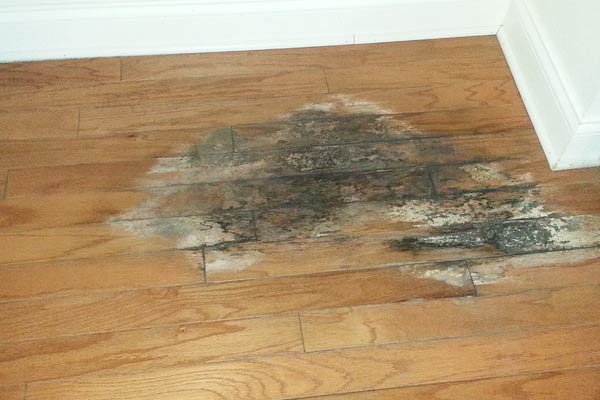
Look for dark spots that do not fade. Warped or swollen wood means water soaked deep. Peeling or bubbling finish shows moisture trapped inside. Creaking or loose boards might indicate structural harm. These signs need a professional inspection fast.
Restoration Options
Professionals can sand and refinish floors to remove stains. They use special tools and products for deep cleaning. Sometimes they replace damaged boards to restore beauty. Experts can also seal floors to prevent future stains. Their work brings back your floor’s original look.
Credit: jgflooring.co.uk

Credit: shop.truckmountforums.com
Frequently Asked Questions
How Do I Remove White Water Stains From Wood Floors?
White water stains usually come from moisture trapped under the finish. Use a soft cloth and a small amount of toothpaste or baking soda paste to gently rub the stain. Wipe clean and dry the area well.
Can I Use Vinegar To Clean Water Stains On Wood Floors?
Vinegar mixed with water can help remove light water stains. Use a damp cloth with the mix and gently rub the stain. Dry the floor immediately to avoid damage.
What Household Items Help Remove Water Rings On Wood Floors?
Common items like toothpaste, baking soda, or mayonnaise can remove water rings. Apply a small amount and rub gently with a soft cloth. Clean and dry the area after treatment.
How To Prevent Water Stains From Damaging Wood Floors?
Wipe spills quickly and use mats near doors and sinks. Avoid placing wet items directly on the floor. Regularly clean and polish wood floors to protect the finish.
Conclusion
Removing water stains from wood floors takes patience and care. Use gentle cleaning methods and avoid harsh chemicals. Small stains respond well to home remedies like vinegar or baking soda. For deeper marks, sanding and refinishing may help. Always dry the floor thoroughly after cleaning.
Regular maintenance keeps your wood floors looking great. Remember, prompt action prevents permanent damage. Your floors can stay beautiful with simple, steady effort. Keep these tips in mind for lasting results.