Have you just spotted paint splatters on your beautiful wood floors and wondered how to get rid of them without causing damage? Removing paint from wood can feel tricky, but you don’t have to stress.
Whether it’s a small drip or a stubborn stain, the right approach can restore your floors quickly and safely. You’ll discover simple, effective methods to make your wood floors look flawless again. Keep reading—you’re just a few steps away from saying goodbye to unwanted paint marks for good.
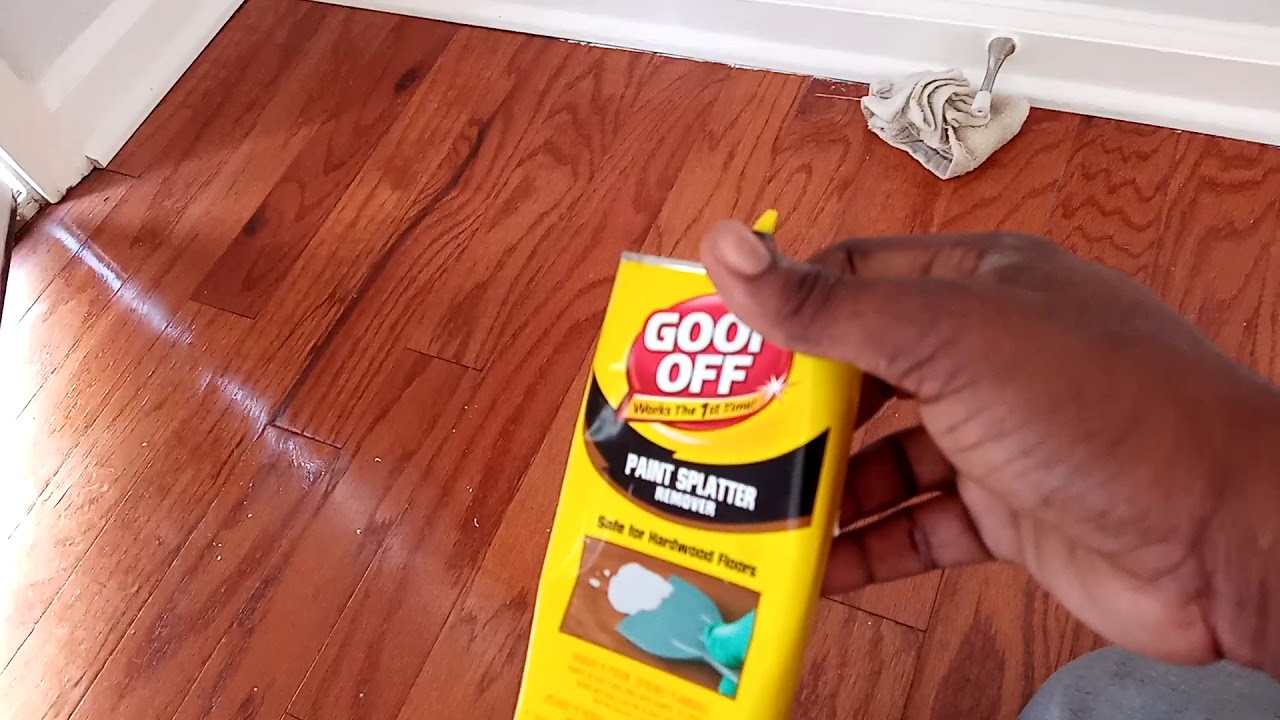
Credit: www.youtube.com
Assessing The Paint Type
Removing paint from wood floors starts with knowing the type of paint. Different paints need different methods and products. Identifying the paint type helps protect your wood and saves time.
Water-based Vs Oil-based Paint
Water-based paint is easy to spot. It feels softer and washes off with water when wet. It dries faster and smells less strong. Oil-based paint is thicker and sticky. It takes longer to dry and has a strong smell. Knowing this helps choose the right remover.
Checking Paint Thickness
Look closely at the paint layer on the wood. Thin layers are easier to remove and may come off with gentle scrubbing. Thick paint might need stronger chemicals or tools. Check for peeling or cracking paint. This can mean the layer is old and brittle. Being careful prevents damage to the wood floor.
Preparing The Workspace
Preparing the workspace is a key step before removing paint from wood floors. A clean, organized area helps work go smoothly and safely. Taking time to prepare protects your home and makes the process easier.
Clearing The Area
Start by moving furniture out of the room or to one side. Remove rugs, mats, and any loose items on the floor. This creates space to work freely and prevents paint from spilling on belongings. Clear the floors completely to avoid tripping hazards.
Protecting Surrounding Surfaces
Cover baseboards, walls, and nearby furniture with plastic sheets or drop cloths. Use painter’s tape to secure the coverings in place. Protecting these surfaces stops paint remover or paint chips from causing damage. Proper protection saves time and cleanup later.
Using Heat To Soften Paint
Using heat to soften paint on wood floors helps make removal easier. Heat breaks down the paint’s bond with the wood. This makes scraping off paint less damaging to the surface. The process requires care and the right tools. A heat gun is a common choice for this task.
Choosing A Heat Gun
Select a heat gun with adjustable temperature settings. This allows control over the heat applied to the wood. Avoid very high temperatures that might burn or discolor the floor. Look for a model with a comfortable grip for better handling. Some heat guns come with different nozzles to focus the heat. These can help work on small or detailed areas.
Safe Heating Techniques
Keep the heat gun moving constantly over the paint. Holding it in one spot can burn the wood. Maintain a distance of about 2 to 3 inches from the floor. Test heat on a small area before starting the entire project. Work in a well-ventilated room to avoid inhaling fumes. Wear safety gloves and eye protection during the process. After heating, use a scraper gently to lift the softened paint. Repeat as needed until the paint is removed.
Applying Chemical Paint Strippers
Applying chemical paint strippers is a common way to remove paint from wood floors. These products break down the paint, making it easier to scrape off. Using chemical strippers requires care and the right approach to protect your wood and get good results.
Selecting The Right Stripper
Choose a stripper made for wood surfaces. Some strippers are too strong and can damage wood. Look for water-based or low-VOC strippers that are safe for indoor use. Avoid products with harsh chemicals if possible. Test the stripper on a small, hidden spot first. This helps check for any damage or discoloration.
Application And Waiting Time
Apply the stripper evenly with a brush or cloth. Cover the painted area fully. Follow the instructions on the product label carefully. Let the stripper sit for the recommended time. This can be from 15 minutes to several hours. The paint should start bubbling or softening. Do not rush; waiting allows the stripper to work well.
Safety Precautions
Wear gloves and eye protection to avoid contact with chemicals. Work in a well-ventilated area or open windows. Keep pets and children away from the work zone. Avoid breathing in fumes by using a mask if needed. Dispose of paint waste and used materials safely. Clean tools with water or the recommended solvent after use.
Scraping Paint Off Wood
Scraping paint off wood floors is a common way to clean up old or spilled paint. This method works best for small paint spots or thick layers that peel easily. Scraping removes the paint without harsh chemicals.
Careful scraping helps protect the wood under the paint. It takes patience and the right tools. The goal is to lift the paint without damaging the floor.
Tools For Scraping
Use a putty knife or paint scraper with a sharp edge. Plastic scrapers work well for delicate wood. Metal scrapers are strong but can scratch if used carelessly.
A utility knife helps cut paint edges before scraping. A sanding block can smooth rough spots after scraping. Keep all tools clean and sharp for best results.
Avoiding Wood Damage
Scrape gently at a low angle to protect the wood. Push the scraper under the paint, not into the wood. Stop scraping if you see scratches or dents forming.
Test tools on a hidden spot first. Work slowly to avoid gouging the floor. Use light pressure and short strokes for better control.

Credit: athomewithashley.com
Using Sandpaper For Residue Removal
Using sandpaper is a simple and effective way to remove paint residue from wood floors. It helps smooth the surface and get rid of leftover paint spots. This method works best for small areas or places where paint is thin. Sandpaper removes paint without damaging the wood underneath. It also prepares the floor for new finishes or stains. Knowing the right grit and technique improves results and saves time.
Choosing Grit Levels
Start with coarse grit sandpaper, like 60 or 80 grit. It removes thick paint layers quickly. Be gentle to avoid scratching the wood deeply. After most paint is gone, switch to medium grit, such as 120 grit. This smooths out rough spots and removes smaller paint bits. Finish with fine grit, like 220 grit, to polish the wood surface. Using the right grit helps clean the floor without damage.
Sanding Techniques
Sand in the direction of the wood grain. This prevents scratches and keeps the floor smooth. Use light pressure and small, even strokes. Check your progress often to avoid over-sanding. Change sandpaper as it wears out for better results. Wipe the floor with a damp cloth after sanding to remove dust. Proper technique makes paint removal easier and protects the wood floor.
Natural Paint Removal Methods
Natural paint removal methods use safe, simple ingredients. They protect wood floors without harsh chemicals. These methods are gentle and eco-friendly. They help keep your home healthy and clean.
These solutions are easy to find. They work well on small paint spots. Patience and care are important for best results.
Vinegar And Baking Soda
Vinegar and baking soda create a mild cleaning paste. Mix equal parts of vinegar and baking soda. Apply the paste to the paint stain. Let it sit for 10 to 15 minutes. Gently scrub with a soft cloth or brush. Wipe away the residue with a damp cloth. Repeat if needed. This method softens paint without damaging wood.
Olive Oil And Lemon Juice
Olive oil and lemon juice can loosen paint on wood. Mix two tablespoons of olive oil with one tablespoon of lemon juice. Apply the mixture to the paint spots. Wait for 10 minutes to let it soak. Rub gently with a soft cloth in circular motions. Clean the area with a dry cloth afterward. This blend nourishes wood while removing paint.
Cleaning And Finishing The Floor
Cleaning and finishing the floor is a key step after removing paint from wood floors. This process helps restore the wood’s natural beauty and protects it from future damage. Proper care makes your floor look fresh and clean.
Removing Residue
After paint removal, some sticky or dusty residue might remain. Use a soft cloth dampened with warm water and mild soap. Gently wipe the floor to clear any leftover debris. Avoid soaking the wood to prevent damage. Dry the surface with a clean, dry cloth. This step ensures the floor is ready for polishing or finishing.
Applying Wood Polish Or Finish
Choose a wood polish or finish that matches your floor type. Apply a small amount with a soft cloth or brush. Work in the direction of the wood grain for best results. Let the polish dry fully before walking on the floor. This adds shine and protects the wood from scratches and stains. Repeat the process if needed for extra protection.
Preventing Future Paint Spills
Preventing paint spills on wood floors saves time and effort. It keeps floors clean and damage-free. Simple habits and tools can stop spills before they start. Protecting your floors helps maintain their beauty for years.
Using Drop Cloths
Drop cloths are a must for painting projects. Lay them over floors before starting any work. They catch drips and splatters easily. Use cloths made of canvas or plastic for best results. Secure edges with tape to avoid slipping. This simple step stops paint from reaching the wood.
Quick Cleanup Tips
Clean spills right away to prevent stains. Keep a damp cloth or sponge nearby. Blot the paint gently without rubbing. Use warm water and mild soap for water-based paints. For oil-based paints, use a proper solvent carefully. Fast action reduces damage and keeps floors spotless.
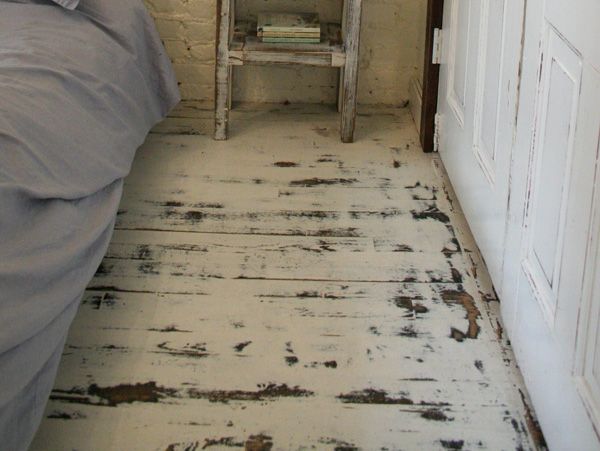
Credit: esbflooring.com
Frequently Asked Questions
How Can I Safely Remove Paint From Wood Floors?
Use a gentle paint remover designed for wood surfaces. Test it on a small spot first. Avoid harsh chemicals to protect the wood finish.
What Tools Work Best For Removing Paint On Wood Floors?
Soft scrapers, fine steel wool, and cloths work well. Avoid metal tools that can scratch the wood. Use gentle pressure to lift paint without damage.
Can I Remove Dried Paint Without Sanding The Floor?
Yes, use a warm, damp cloth and mild soap to soften dried paint. Carefully scrape with a plastic scraper. Sanding is a last option to avoid floor damage.
How To Prevent Damage While Cleaning Paint From Wood Floors?
Work slowly and test cleaning methods on hidden spots. Use mild, non-toxic cleaners and avoid soaking the wood. Always dry the area quickly to stop water damage.
Conclusion
Removing paint from wood floors takes patience and the right steps. Use gentle methods first to protect your wood. Test any cleaner or tool on a small spot. Work slowly and carefully to avoid damage. Clean up residue completely for a smooth finish.
With time and care, your floor will look better. Keep your wood safe by avoiding harsh chemicals. A clean floor makes your home feel fresh and bright. Try these tips to restore your wood floors today.