Are your wood floors making you worry about slipping and falling? Slippery floors can be a hidden danger in your home, putting you and your loved ones at risk every day.
But don’t worry—there are simple, effective ways to make your wood floors safer without losing their beautiful shine. You’ll discover easy tips and practical solutions that will help you reduce slipperiness and protect your family. Keep reading to learn how you can enjoy your wood floors confidently and safely.
Credit: www.zerorez.com
Causes Of Slippery Wood Floors
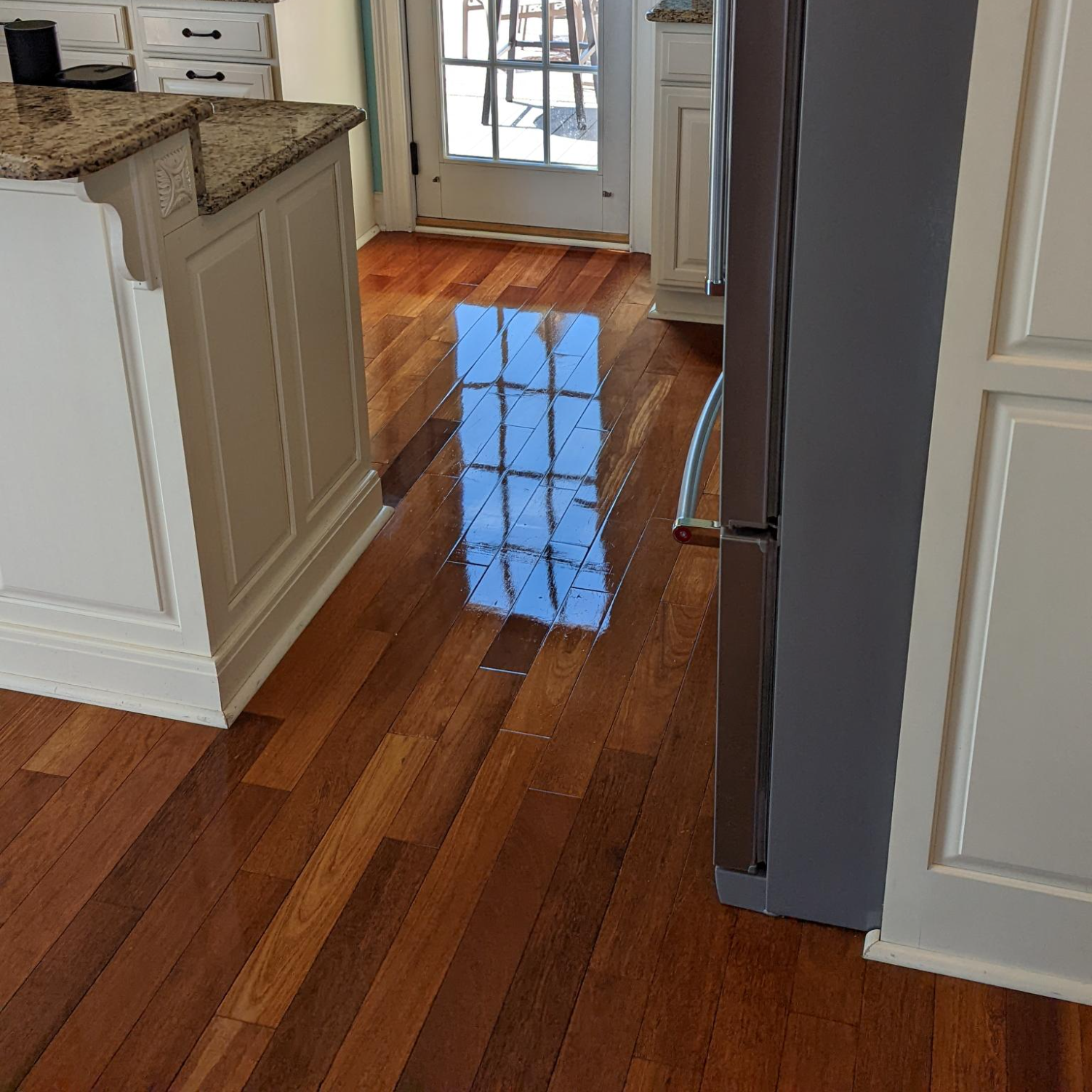
Slippery wood floors can cause falls and injuries. Understanding why floors become slippery helps you prevent accidents. Several common factors make wood floors unsafe to walk on.
Moisture And Spills
Water and other liquids create slick surfaces on wood floors. Even small spills can make floors slippery. Moisture from shoes or pets also adds to the risk. Wet floors need quick cleaning to stay safe.
Polishes And Waxes
Some floor polishes and waxes make floors shiny but slick. Overuse or the wrong product causes a slippery layer. Polishes that claim to add shine may reduce traction. Choose products designed to keep floors safe.
Wear And Tear
Old floors can lose their grip over time. Scratches and smooth spots increase slipperiness. Heavy foot traffic wears down protective coatings. Regular maintenance helps keep floors grippy and secure.
Credit: www.coit.com
Effective Cleaning Techniques
Effective cleaning plays a big role in reducing slipperiness on wood floors. Dirt and residue can make floors slick and unsafe. Keeping floors clean helps maintain their natural grip and shine. Use simple steps to clean properly without damaging the wood.
Choosing The Right Cleaner
Select a cleaner made specifically for wood floors. Avoid harsh chemicals and waxy products. These can leave a slippery film on the surface. Use pH-neutral cleaners that remove dirt and grime gently. Test cleaners on a small area before full use.
Proper Mopping Methods
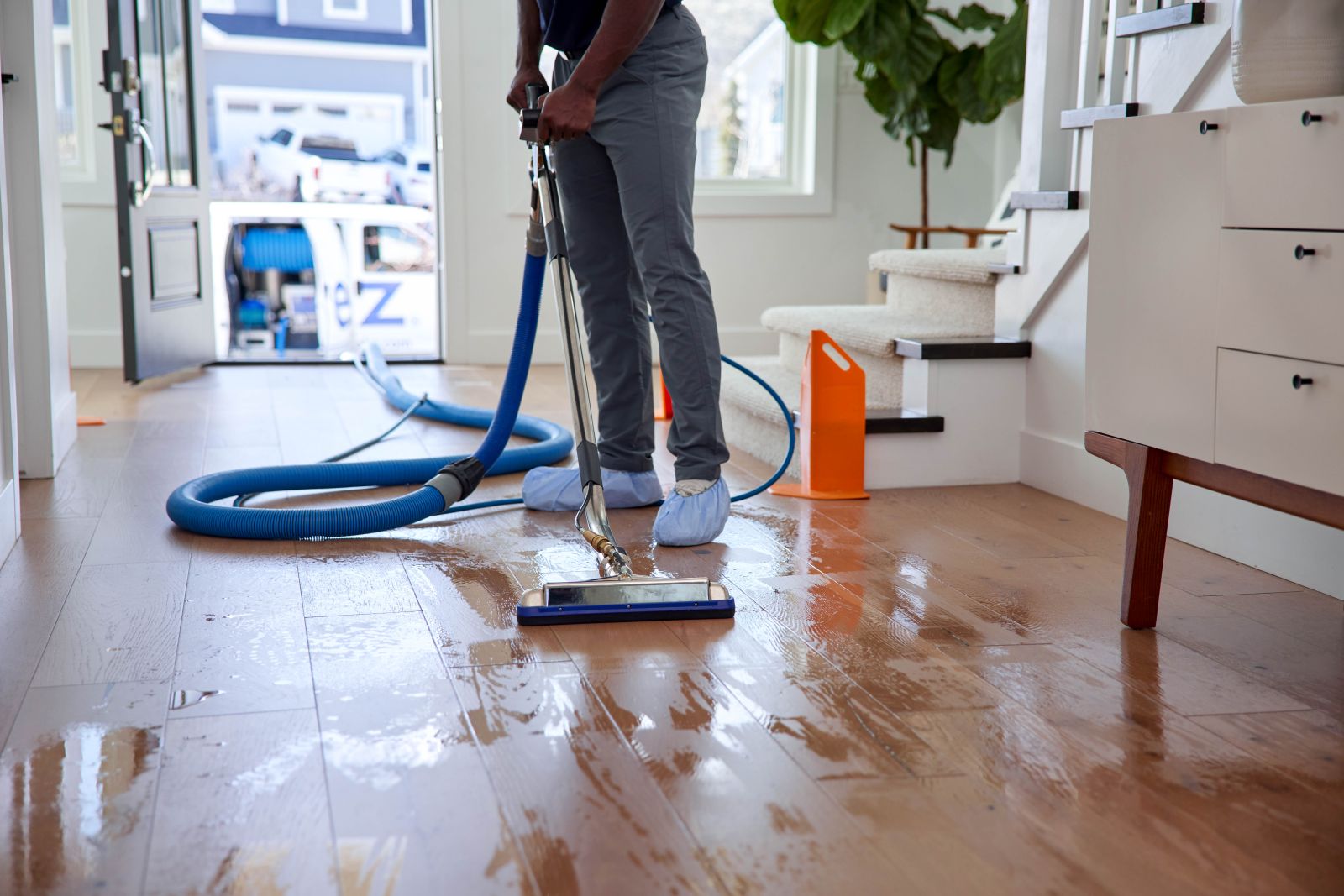
Use a soft mop or microfiber cloth for cleaning. Avoid abrasive tools that can scratch the wood. Mop in the direction of the grain for best results. Change mop water frequently to prevent spreading dirt. Dry the floor quickly after mopping.
Avoiding Excess Water
Too much water can damage wood and cause slipping. Use a damp mop, not a soaking wet one. Wring out the mop well before cleaning. Standing water can warp wood and create slippery spots. Always dry floors immediately after mopping.
Anti-slip Treatments
Slippery wood floors can cause accidents and injuries. Anti-slip treatments make floors safer without ruining their look. These treatments improve grip and reduce the risk of falls. Choose options that match your floor type and style.
Non-slip Coatings
Non-slip coatings are clear liquids applied to wood floors. They add a thin, rough layer — similar to the protective barrier created when you waterproof wood floors, which also reduces surface slickness while guarding against moisture. These coatings keep the wood’s natural beauty visible. They are easy to apply with a brush or roller. Once dry, the floor becomes safer to walk on.
Anti-slip Mats And Rugs
Placing mats and rugs is a quick way to reduce slip risks. Use mats with rubber backing to prevent movement. Rugs add style and safety to your wood floors. Clean them regularly to keep grip strong and avoid dirt buildup. Ideal for entryways and high-traffic areas.
Grip-enhancing Products
Grip-enhancing products include sprays, tapes, and pads. These products increase friction between shoes and wood floors. Anti-slip tape works well on stairs and slippery spots. Sprays create a fine layer that improves traction. Pads can be placed under furniture legs to stop sliding.
Credit: www.zerorez.com
Routine Maintenance Tips
Keeping wood floors safe means regular care. Routine maintenance helps reduce slipperiness. Small steps make a big difference in floor safety.
Regular Inspections
Check your wood floors often. Look for worn spots or shiny areas. These spots can be slippery. Early detection helps prevent accidents. Use a soft cloth and good light for inspection.
Prompt Spill Cleanup
Clean spills right away. Water, oil, or food can make floors slick. Use a dry or slightly damp cloth. Avoid harsh cleaners that leave residue. Quick cleanup keeps floors dry and safe.
Floor Refinishing
Refinish floors when they look worn. Old finishes can become slippery — the best long-term fix is to refinish wood floors with a fresh coat that restores both appearance and grip. Sanding and applying new finish adds grip. Choose a finish with anti-slip properties. Refinishing keeps floors smooth but not slick.
Additional Safety Measures
Reducing slipperiness on wood floors involves more than just treatments and coatings. Additional safety measures can provide extra protection and peace of mind. These steps help prevent slips and falls, making your home safer for everyone.
Proper Footwear
Choosing the right shoes can reduce slipping risks on wood floors. Shoes with rubber soles offer better grip. Avoid smooth or worn-out soles that slide easily. Indoor slippers with non-slip bottoms work well too. Always encourage family members to wear safe footwear inside the house.
Installing Handrails
Handrails add stability on stairs and hallways. They give people something to hold onto for balance. Place handrails along staircases and near slippery areas. Make sure they are securely fixed to the wall. This simple step can prevent many falls.
Improving Lighting
Good lighting helps spot slippery spots and obstacles. Use bright bulbs in hallways and staircases. Add nightlights in dark corners and near entrances. Natural light also helps, so keep windows clean. Clear visibility reduces accidents on wood floors.
Frequently Asked Questions
How Can I Make Wood Floors Less Slippery?
Use non-slip mats or rugs in high-traffic areas to add grip. Clean floors regularly to remove dust and dirt that cause slipperiness. Applying a non-slip coating designed for wood floors also helps.
What Products Help Reduce Slipperiness On Wood Floors?
Non-slip floor treatments and anti-slip sprays are effective. Look for water-based, clear products that won’t damage the wood finish. Avoid oily or waxy substances as they can increase slipperiness.
Does Cleaning Method Affect Wood Floor Slipperiness?
Yes, using the right cleaner is important. Avoid wax-based or oily cleaners that leave residue. Use a mild, water-based cleaner and dry floors completely after cleaning.
Can Floor Mats Prevent Slipping On Wood Floors?
Yes, mats with non-slip backing prevent slips and falls. Place them at entrances or slippery spots. Mats also protect floors from wear and dirt.
Conclusion
Reducing slipperiness on wood floors keeps your home safe and comfortable. Use rugs or mats in places where floors get wet. Clean floors regularly to remove dust and spills. Apply non-slip treatments to add grip without damaging wood. Small steps make a big difference in preventing falls.
Your wood floors can stay beautiful and safe at once. Try these tips and enjoy safer walking every day.