Are you tired of hearing those annoying creaks every time you walk across your wood floors? That constant squeaking can be distracting and even embarrassing when guests are over.
Luckily, you don’t have to live with it. You can take simple steps to stop your floors from creaking and enjoy the quiet comfort of your home. Keep reading, and you’ll discover easy, effective ways to silence those noisy boards for good.
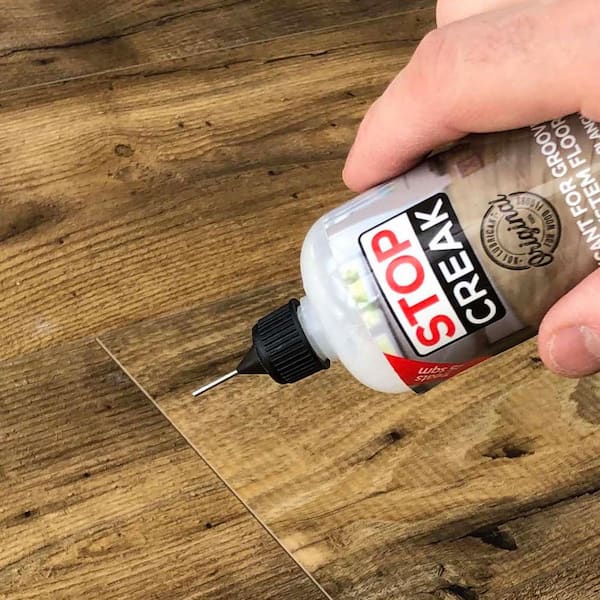
Credit: www.homedepot.com
Causes Of Creaking Wood Floors
Creaking wood floors can be annoying. Understanding the causes helps prevent them. Several factors make wood floors creak. Some are natural, others come from wear or moisture. Knowing these causes helps keep your floors quiet and strong.
Natural Wood Movement
Wood expands and contracts with temperature changes. This movement causes the boards to rub against each other. Such friction creates the creaking sound. Natural wood movement is normal in all wood floors.
Loose Floorboards
Floorboards that are not tight can shift when stepped on. This movement causes creaking noises. Nails or glue may loosen over time. Loose boards need fixing to stop the noise.
Subfloor Issues
The subfloor supports the wood floor above. If it is uneven or damaged, floors can creak. Gaps between the subfloor and wood also cause movement. Checking the subfloor helps find hidden problems.
Humidity And Moisture
Wood absorbs moisture from the air or spills. This causes swelling and warping of the boards. As wood dries, it shrinks, leading to gaps. Both swelling and shrinking cause creaking sounds.
Simple Diy Fixes
Wood floors creak because of friction or loose parts. Simple DIY fixes can stop these noises fast. These fixes need few tools and little time. Anyone can do them without special skills. Keep your floors quiet with these easy steps.
Applying Powdered Graphite
Powdered graphite works well to reduce friction. Sprinkle it in the gaps between floorboards. Use a soft brush to push it down. Graphite acts as a dry lubricant. It stops wood parts from rubbing loudly. This method is clean and does not stain. It works best on hardwood floors.
Using Talcum Powder
Talcum powder is another option to quiet creaks. Sprinkle it over the noisy areas. Rub the powder into the seams with a soft cloth. Talcum powder absorbs moisture and reduces friction. This prevents wood from swelling and creaking. It is safe and easy to apply. Talcum powder also helps older floors.
Securing Loose Boards With Nails
Loose boards cause many creaks. Use finishing nails to secure them. Gently lift the board and nail it down. Place nails near the edges for a tight fit. Countersink nails and fill holes with wood filler. This stops movement and noise. Use a hammer carefully to avoid damage.
Adding Wood Glue For Stability
Wood glue adds strong support to loose floorboards. Lift the board slightly and apply glue underneath. Press the board down firmly and wipe excess glue. Place weights on the area until glue dries. This binds boards tightly and stops creaking. Choose glue made for wood floors for best results.
Tools And Materials Needed
Fixing creaky wood floors requires the right tools and materials. Having everything ready makes the job easier and faster. Gather these items before you start. They help you work safely and get good results.
Basic Hand Tools
Start with simple hand tools. A hammer helps tap loose boards back in place. A screwdriver tightens screws that hold floorboards. A pry bar lifts boards gently when needed. A measuring tape ensures you cut materials to size. A utility knife trims small pieces cleanly. These tools form the foundation of your repair kit.
Lubricants And Powders
Lubricants reduce friction between wood boards. They stop creaks caused by rubbing wood. Use powdered graphite or talcum powder. Sprinkle it into cracks and gaps. It moves deep inside the joints. This makes floors quieter without heavy work. Avoid oily lubricants that attract dirt and dust.
Adhesives And Fasteners
Strong adhesives hold loose boards firmly. Wood glue works well for small gaps. Apply it under lifted boards. Nails and screws fasten boards tightly to the subfloor. Use finishing nails for a neat look. Choose screws designed for wood flooring. They provide lasting hold and reduce movement.
Preventive Maintenance Tips
Preventive maintenance helps keep wood floors quiet and in good shape. Small steps taken regularly stop creaks before they start. Careful attention to moisture, cleaning, and floor use extends the life of wood floors.
Controlling Indoor Humidity
Wood reacts to moisture by expanding and shrinking. This movement causes creaking sounds. Keep indoor humidity between 30% and 50%. Use a humidifier or dehumidifier as needed. Proper humidity control reduces wood movement and creaks.
Regular Cleaning Practices
Dirt and dust can cause floorboards to rub and creak. Sweep or vacuum floors often to remove debris. Use a damp mop with a cleaner made for wood floors. Avoid excess water, which can damage wood and cause creaking.
Avoiding Heavy Impact
Dropping heavy items can loosen floorboards and cause creaks. Lift furniture when moving it instead of dragging. Use felt pads under chair and table legs. These steps protect the wood and keep floors silent.
When To Call A Professional
Knowing when to call a professional can save your wood floors and your money. Some creaking issues need expert attention. Early action prevents bigger problems. Here are signs that mean it is time to get help from a pro.
Structural Damage Signs
Look for cracks in the walls near the floor. Doors and windows that stick or do not close right are warning signs. Uneven floors or large gaps between boards may show serious damage. These are not small issues. They need a professional’s eye.
Extensive Subfloor Problems
Creaking from deep under the floor can mean subfloor trouble. Moisture, rot, or loose nails cause big problems below. If you see sagging or hear loud noises, the subfloor might be weak. A professional can check and fix this safely.
Persistent Creaking Despite Fixes
Trying simple fixes but still hearing creaks? This means the problem runs deeper. Loose boards, worn fasteners, or hidden damage may cause ongoing noise. Professionals have tools and skills to find and solve these tricky issues.

Credit: www.youtube.com

Credit: www.youtube.com
Frequently Asked Questions
Why Do Wood Floors Start Creaking Over Time?
Wood floors creak when the boards rub against each other or nails loosen. Changes in humidity cause wood to expand and contract, leading to noise.
How Can I Stop Wood Floor Creaks Without Removing Boards?
Sprinkle talcum powder or graphite between floorboards to reduce friction and quiet creaks. Tighten loose nails or screws to secure the boards firmly.
Does Humidity Affect Wood Floor Creaking?
Yes, high humidity makes wood swell and tight spaces cause creaking. Using a dehumidifier helps keep moisture levels stable and reduces noise.
Can Regular Cleaning Prevent Wood Floor Creaking?
Cleaning removes dirt that can cause friction between boards. Use a soft broom or vacuum and avoid excessive water to protect the wood.
Conclusion
Preventing wood floors from creaking takes small, steady steps. Keep floors clean and dry to avoid damage. Use the right tools to tighten loose boards quickly. Regular checks catch problems before they grow. Simple fixes save money and keep your home quiet.
Enjoy smooth, creak-free floors every day. A little care goes a long way. Start today and feel the difference.