Are you ready to transform your space without spending a fortune? Painting your hardwood floor can give your room a fresh, new look that feels both stylish and inviting.
But maybe you’re wondering if it’s too hard or if you’ll make mistakes along the way. Don’t worry—you’re in the right place. This guide will walk you through every step, making it easy to achieve professional results. By the end, you’ll feel confident and excited to bring your vision to life.
Keep reading to discover how simple it can be to turn your hardwood floor into a stunning centerpiece of your home.
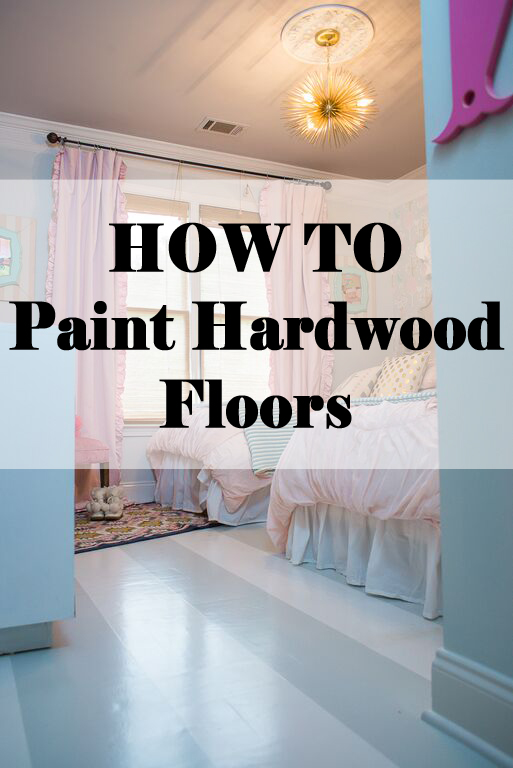
Credit: addisonswonderland.com
Choosing The Right Paint
Choosing the right paint is key to a successful hardwood floor makeover. The paint must be durable and safe for foot traffic. The right type also protects the wood and enhances its look. Consider the finish and color to match your room’s style. This step sets the foundation for a beautiful, long-lasting floor.
Types Of Paint For Hardwood Floors
Use paint designed for floors. Floor paint is thicker and more durable. Oil-based paints are strong but take longer to dry. Water-based paints dry quickly and have less odor. Both types resist wear and stains. Avoid regular wall paint; it chips easily on floors.
Selecting The Best Finish
Choose a finish that fits your needs. Glossy finishes reflect light and show scratches. Satin finish offers a soft shine and hides marks well. Matte finish looks natural and hides imperfections best. Pick a finish based on how much traffic the floor gets.
Color Choices And Trends
Neutral colors like white, gray, and beige are popular. They brighten rooms and match many styles. Dark colors add drama but show dust more. Pastel shades create a calm, cozy feel. Choose colors that fit your room’s mood and lighting.
Preparing The Floor
Preparing the floor is the first step to a beautiful paint job on hardwood floors. A well-prepared surface helps the paint stick better and last longer. Skipping this step can cause peeling and uneven color. Proper preparation takes time but pays off with a smooth, clean finish.
Cleaning And Clearing The Surface
Start by removing all furniture and rugs from the room. Sweep the floor thoroughly to get rid of dust and dirt. Use a vacuum cleaner to remove debris from cracks and corners. Mop the floor with a mild cleaner to remove stains and grease. Let the floor dry completely before moving to the next step.
Sanding Tips For Smoothness
Sanding creates a rough surface that helps paint stick well. Use medium-grit sandpaper for the first pass. Sand along the grain of the wood to avoid scratches. After the first sanding, use fine-grit sandpaper for a smoother finish. Wipe the floor with a damp cloth to remove dust after sanding.
Repairing Damages And Gaps
Check for cracks, holes, or loose boards on the floor. Fill small gaps and holes with wood filler using a putty knife. Allow the filler to dry fully, then sand it smooth. For larger damages, replace or secure loose boards before painting. This step ensures an even surface and prevents paint from cracking.
Gathering Tools And Materials
Before starting to paint a hardwood floor, gather all necessary tools and materials. Proper preparation saves time and helps achieve a smooth finish. Having everything ready makes the job easier and faster.
Essential Painting Tools
Start with quality paintbrushes and rollers. Use a 3 to 4-inch angled brush for corners and edges. A roller with a short nap works best on hardwood floors. Get a paint tray to hold the paint. Sandpaper or a floor sander is important to prepare the surface. Also, have a scraper or putty knife to remove old paint or debris.
Safety Gear To Use
Protect yourself with safety gear. Wear gloves to keep paint off your skin. Use a mask to avoid inhaling dust and fumes. Safety goggles protect your eyes from splashes. Wear old clothes or a paint suit to avoid stains. Good ventilation is important, so open windows or use fans.
Additional Supplies
Keep extra items handy. Painter’s tape helps create clean edges. Drop cloths protect furniture and floors from spills. A bucket of water and rags are useful for quick cleanups. Wood filler fixes cracks or holes. A stir stick mixes the paint well before use.
Applying Primer
Applying primer is a crucial step before painting a hardwood floor. It helps the paint stick better and lasts longer. Primer also covers stains and prevents wood tannins from bleeding through the paint. Skipping this step can lead to peeling and uneven color. Proper priming makes your floor look smooth and professional.
Choosing The Right Primer
Select a primer made for hardwood floors. Oil-based primers work well on wood because they seal the surface. Water-based primers dry faster and have less odor. Consider your paint type and room use. For high-traffic areas, choose a durable primer. Always check product labels to match primer and paint.
Techniques For Even Coverage
Use a high-quality brush or roller for smooth application. Start painting along the edges and corners first. Then cover the larger floor area with even strokes. Avoid thick layers; thin coats dry better and avoid bubbles. Work in small sections to keep a wet edge. This prevents lines and uneven spots.
Drying Time And Tips
Allow the primer to dry completely before painting. Drying time depends on the primer type and room temperature. Usually, it takes 2 to 4 hours. Avoid walking on the floor until dry. Keep windows open for good air flow. Check the primer label for exact drying times.
Painting The Floor
Painting a hardwood floor can change the look of a room quickly. It brightens old floors and protects the wood. This step needs care and the right tools. Doing it properly means the paint lasts longer and looks smooth.
Using Brushes Vs. Rollers
Brushes help paint edges and corners well. They give control in small areas. Rollers cover large spaces fast. They create an even coat without streaks. Use a brush for edges, and a roller for open areas. This mix works best for hardwood floors.
Painting In Sections
Divide the floor into small sections. Paint one section at a time. It helps to keep the paint wet and smooth. Work quickly but carefully. Overlap slightly to avoid gaps. Painting in parts makes the job easier and cleaner.
Avoiding Common Mistakes
Don’t paint over dirty floors. Clean and sand first for good paint hold. Avoid thick paint layers; they take long to dry. Don’t walk on wet paint. Use light coats for best results. These tips help your floor look neat and last longer.
Adding Protective Coats
Adding protective coats is a key step after painting a hardwood floor. These layers protect the paint and wood from damage. They help the floor last longer and keep it looking fresh.
Protective coats also make cleaning easier. They guard against scratches, spills, and wear from daily use. Without these layers, the paint can chip or peel quickly.
Types Of Sealants
There are several types of sealants for painted hardwood floors. Water-based sealants dry fast and have low odor. Oil-based sealants create a harder finish but take longer to dry. Acrylic sealants offer good protection and clear finish. Choose a sealant based on the floor’s use and your preference.
Applying Polyurethane
Polyurethane is a popular sealant for painted floors. Use a clean brush or foam applicator for smooth coats. Apply thin, even layers to avoid bubbles. Let each coat dry fully before adding the next. Usually, two to three coats give strong protection.
Curing Time For Durability
Allow the floor to cure for best durability. Curing means the sealant hardens completely. This can take several days to a week. Avoid heavy traffic and furniture during this time. Proper curing keeps your floor protected and looking good longer.
Maintaining Painted Floors
Maintaining painted floors keeps them looking fresh and bright for years. Regular care helps protect the paint and the wood underneath. Simple habits can extend the life of your painted hardwood floor.
Cleaning Tips
Use a soft broom or vacuum with a brush attachment daily. Avoid harsh chemicals or abrasive cleaners that can damage the paint. A damp mop with mild soap works well for deeper cleaning. Always dry the floor quickly to prevent water damage.
Avoiding Damage
Place felt pads under furniture legs to stop scratches. Avoid dragging heavy items across the floor. Use rugs in high-traffic areas to protect the paint. Keep pet nails trimmed to reduce scratches. Avoid wearing high heels or shoes with sharp soles indoors.
Touch-up Techniques
Keep extra paint for small repairs. Clean the spot before applying paint. Use a small brush for precise touch-ups. Let the paint dry completely before walking on it. For larger areas, lightly sand the surface first to help the new paint stick.
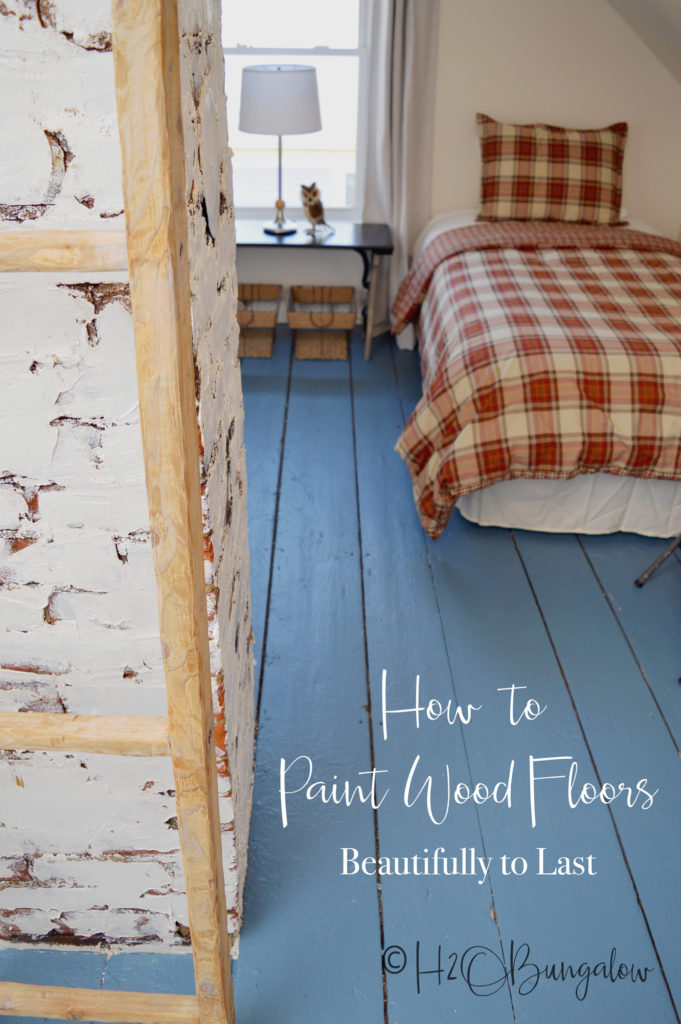
Credit: h2obungalow.com

Credit: everestpaints.com
Frequently Asked Questions
How Do I Prepare Hardwood Floors For Painting?
Start by cleaning the floor well to remove dust and dirt. Sand the surface lightly to help paint stick better. Fill any gaps or cracks with wood filler for a smooth finish.
What Type Of Paint Is Best For Hardwood Floors?
Use a durable, water-based floor paint or porch paint. These paints resist wear and dry quickly. Avoid regular wall paint as it can chip easily on floors.
How Many Coats Of Paint Should I Apply On Hardwood Floors?
Apply at least two coats for good coverage and durability. Let the first coat dry completely before adding the second. More coats may be needed for deep color or high traffic areas.
How Long Should I Wait Before Using Painted Hardwood Floors?
Wait at least 24 to 48 hours after the last coat dries. This ensures the paint cures and hardens fully. Avoid heavy furniture or foot traffic during this time to prevent damage.
Conclusion
Painting a hardwood floor can change a room’s look quickly. Clean and prepare the floor well before you start. Choose the right paint for good results. Take your time and apply paint evenly. Let each coat dry fully to avoid mistakes.
A painted floor adds color and personality to your space. Small steps lead to big improvements. Enjoy the fresh, new feel under your feet. Simple care keeps the floor looking great longer. Try it yourself and see the difference. Painting hardwood floors is a smart, affordable update.