Are you struggling to find the perfect hardwood flooring that fits your style and space? Matching hardwood flooring can feel tricky, but it doesn’t have to be.
Whether you’re updating one room or blending new floors with existing ones, knowing how to match wood tones, grains, and finishes will save you time and money. Keep reading, and you’ll discover simple, practical tips to make your floors look seamless and stunning—turning your home into a place you truly love.

Credit: www.reddit.com
Choosing The Right Hardwood
Choosing the right hardwood is the first step in matching hardwood flooring. The right choice sets the foundation for a beautiful and lasting floor. Several factors affect the choice, such as wood type, color, and grain. These details help create a seamless look that fits your space.
Types Of Hardwood
Hardwood comes in many types, each with unique features. Oak is popular and durable, great for heavy traffic areas. Maple offers a smooth finish and lighter shade. Walnut has rich, dark tones that add warmth. Knowing the types helps you pick one that suits your style and use.
Color And Grain Matching
Matching color and grain is vital for a consistent floor. Wood color can vary from light to dark shades. Grain patterns can be straight, wavy, or knotty. Choose wood that has similar color and grain to your existing floor. This choice avoids noticeable differences and blends well.
Considering Wood Species
Different wood species react differently to wear and moisture. Some species expand or shrink more with weather changes. Hardness varies among species, affecting durability. Pick a wood species that matches your climate and floor use. This ensures your floor stays beautiful longer.
Assessing Existing Flooring
Matching hardwood flooring requires a clear understanding of your current floor. Assessing the existing flooring helps find the right match. This step avoids color clashes and texture problems. It also saves time and money during installation.
Identifying Wood Type
Start by finding out the wood species. Common types include oak, maple, cherry, and walnut. Each wood has unique grain patterns and hardness. Look closely at the grain direction and texture. This helps narrow down your wood options. You can also check old purchase receipts or ask a flooring expert.
Measuring Color And Finish
Next, observe the floor color carefully. Sunlight changes wood color over time. Check the floor at different times of the day. Note if the finish is glossy, matte, or satin. The finish affects the floor’s shine and feel. Matching both color and finish ensures a seamless look.
Checking Floor Condition
Inspect the floor for scratches, dents, or wear. Older floors may have faded or darkened areas. This affects how new wood blends in. Note any damaged spots that may need repair. Understanding the floor condition guides your wood selection. It also helps decide if sanding or refinishing is needed.
Selecting Matching Materials
Selecting matching materials is a key step when working with hardwood flooring. It ensures the new floor blends well with the existing one. Choosing the right wood, stain, and finish makes the space look uniform and beautiful.
This process starts by finding wood planks that look alike. Then, it continues with matching the stain and finish perfectly. Using sample boards helps check the match before installation. Each step improves the final result.
Finding Similar Wood Planks
Look for wood species that closely match the original floor. Pay attention to grain patterns and plank width. Different tree types have unique textures and colors. Buy wood from the same supplier when possible. This increases the chance of a good match.
Check the age and cut style of the wood. Older floors may use different cuts than new ones. Try to find planks that mimic these features. This helps the new floor fit naturally.
Matching Stain And Finish
Stain color changes the wood’s appearance. Test small samples of stain on new planks first. Compare these with your existing floor under natural light. This reveals the closest match.
Choose a finish that matches the sheen of the old floor. Options include matte, satin, and glossy finishes. A matching finish keeps the look consistent across all planks. Avoid mixing finishes, which can look uneven.
Using Sample Boards
Sample boards show how new wood looks with stain and finish. Prepare several boards with different stains and finishes. Place them next to your current floor for comparison.
View samples at different times of day. Light changes can affect color perception. This step prevents surprises after installation. Sample boards give confidence in your material choices.
Credit: www.floorsave.co.uk
Preparing For Installation
Preparing your hardwood flooring for installation sets the stage for a smooth process. Proper preparation helps avoid problems like warping or uneven surfaces. It ensures your floors look great and last longer.
Acclimating Wood
Hardwood needs time to adjust to your home’s temperature and humidity. Leave the wood in the room where it will be installed for at least 3 to 5 days. This step prevents the wood from expanding or shrinking after installation. Stack the planks with space between them for air circulation. Check the moisture content with a meter to confirm readiness.
Prepping Subfloor
The subfloor must be clean, dry, and flat. Remove any debris, nails, or old flooring materials. Use a level to find high or low spots. Sand down high areas and fill low spots with a leveling compound. A smooth subfloor helps the hardwood lay evenly and prevents squeaks.
Gathering Tools
Have all your tools ready before starting. Common tools include a tape measure, saw, hammer, and nailer. You will also need spacers, a chalk line, and a pry bar. Organize the tools in one place to work efficiently. Preparation saves time and reduces frustration during installation.
Blending New Flooring Seamlessly
Blending new hardwood flooring with old flooring takes skill and patience. The goal is to create a smooth look without visible breaks. Small details make a big difference.
Careful planning helps the new floor fit naturally. The right techniques make the transition less obvious. Color and texture also play key roles in blending.
Transition Techniques
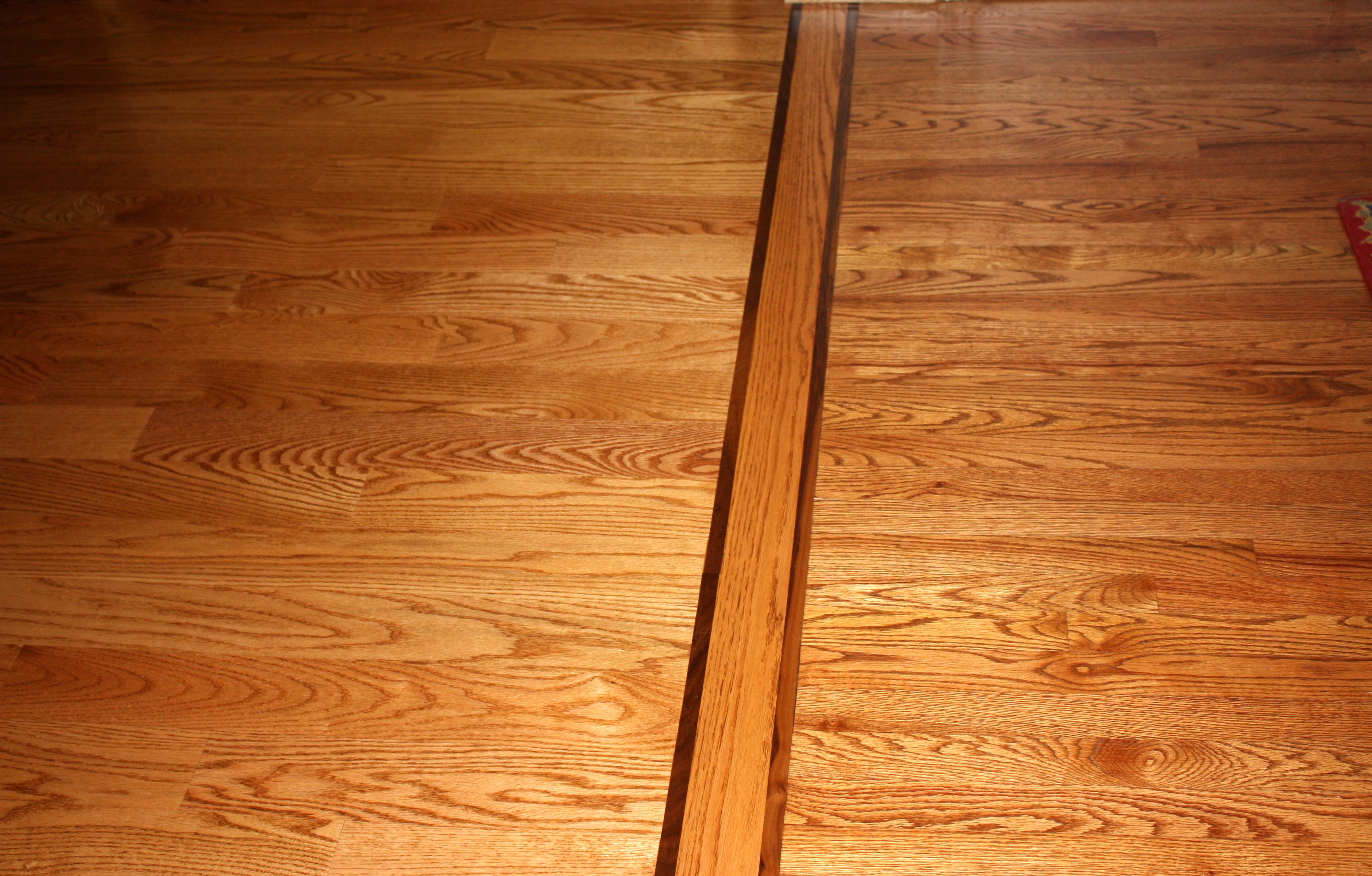
Use transition strips to connect different floors. These strips cover gaps and protect edges. Choose strips that match the wood color for a neat look.
Another option is to use a border or inlay. This adds a design element while hiding the seam. Keep the transition narrow to avoid drawing attention.
Color Blending Tips
Select new wood that matches the old floor’s tone. Test samples in the room’s light before buying. Light changes the wood’s color appearance.
Stain the new planks to match the old floor. Use light sanding before staining for better absorption. Blend edges by gently feathering the stain.
Dealing With Grain Differences
Wood grain varies by species and cut type. Pick new flooring with similar grain patterns to old flooring. This helps the floors look more alike.
For slight differences, arrange planks so grain flows naturally. Avoid placing clashing grains side by side. This reduces visual breaks and creates harmony.
Finishing Touches
Finishing touches bring out the beauty of matched hardwood floors. These steps protect your floor and keep it looking fresh for years. Proper care at this stage ensures your floors remain smooth and shiny.
Sanding And Refinishing
Sanding removes old finish and smooths the surface. It helps blend new wood with existing flooring. Use fine-grit sandpaper to avoid deep scratches. After sanding, apply a matching stain if needed. This step evens out color differences for a uniform look.
Applying Protective Coatings
Protective coatings guard your floor against scratches and spills. Choose from polyurethane, varnish, or oil-based finishes. Apply thin, even coats with a brush or roller. Let each coat dry fully before applying the next. This builds a strong, lasting layer of protection.
Routine Maintenance Advice
Clean floors regularly with a soft broom or vacuum. Avoid wet mops that can damage the wood. Use mats at entrances to catch dirt and grit. Place furniture pads under legs to prevent scratches. Quick cleanup of spills stops stains and water damage.
Common Mistakes To Avoid
Matching hardwood flooring can be tricky. Avoiding common mistakes helps keep your floor looking great. These errors can cause problems later. Knowing what to avoid saves time and money. Here are three key mistakes to watch out for.
Ignoring Wood Movement
Wood expands and contracts with changes in temperature and humidity. Ignoring this natural movement can cause gaps or buckling. Always leave space for wood to move. Use proper installation techniques to handle expansion and contraction. This prevents damage and keeps floors stable.
Mismatching Finishes
Different finishes can create a patchy look. Using the wrong finish on new or repaired boards makes floors look uneven. Match the sheen and color of the existing finish. Test samples before applying. A consistent finish ensures the floor appears smooth and uniform.
Skipping Professional Help
Hardwood flooring installation and matching require skill. Skipping experts often leads to mistakes. Professionals know how to blend new and old wood perfectly. They can also spot hidden issues early. Hiring help improves results and protects your investment.

Credit: www.reddit.com
Frequently Asked Questions
How Do I Find The Exact Color Match For Hardwood Flooring?
Start by comparing your floor sample to wood stain charts or samples. Natural light helps reveal true colors. Small differences can be fixed with custom stain mixing.
What Is The Best Way To Match Wood Grain Patterns?
Look closely at the grain direction and pattern type of your existing floor. Use wood species with similar grain lines for a seamless look. Grain matching makes repairs less noticeable.
Can I Match Hardwood Flooring From Different Batches Or Brands?
Different batches may vary slightly in color and finish. Test samples side by side before buying a large amount. Blending new and old planks can reduce visible differences.
How Important Is Plank Width In Matching Hardwood Floors?
Plank width affects the overall floor appearance significantly. Matching the width keeps the floor uniform and visually balanced. Using different widths may make the new floor sections stand out.
Conclusion
Matching hardwood flooring takes careful attention to color and grain. Choose samples that closely resemble your existing floor. Test pieces in natural light before buying. Small differences can affect the final look. Keep wood type and finish consistent for the best results.
Take your time and plan each step. This helps create a smooth and attractive floor. With patience, your hardwood floor will look seamless and beautiful.