Are you tired of constantly adjusting your rug because it keeps sliding all over your wood floors? It can be frustrating and even dangerous when your rug slips unexpectedly.
But don’t worry—you’re not alone, and there are simple, effective ways to keep your rugs firmly in place. You’ll discover easy tricks and proven solutions that will stop your rugs from moving, protect your floors, and make your space safer and more comfortable.
Keep reading to find out how you can enjoy your beautiful rugs without the hassle of sliding.
Choose The Right Rug Pad
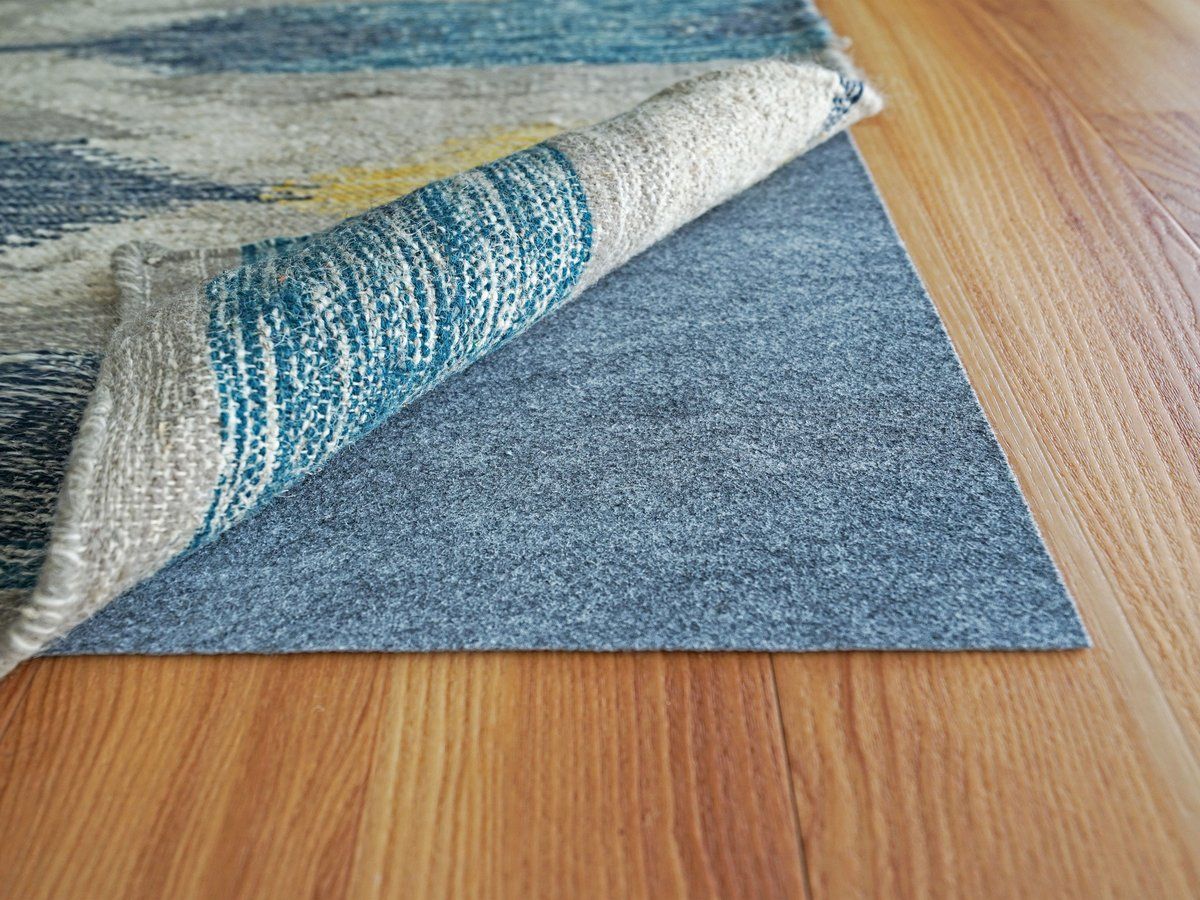
Choosing the right rug pad is key to stopping your rug from sliding on wood floors. A good pad holds the rug firmly, protecting both the rug and the floor. It also adds comfort underfoot and helps the rug last longer.
Materials That Grip Wood Floors
Look for rug pads made from natural rubber or latex. These materials stick well to wood floors without causing damage. Avoid pads with synthetic backing that can trap moisture and harm the wood. Felt pads with rubber bottoms offer a good balance of grip and cushioning.
Size And Thickness Matters
Choose a rug pad slightly smaller than your rug. This prevents the edges from curling up. A thickness of 1/4 inch is ideal for most wood floors. It provides enough cushion without making the rug unstable. Thicker pads may cause the rug to shift more easily.
Credit: www.rugpadusa.com
Use Double-sided Rug Tape
Double-sided rug tape keeps rugs firmly in place on wood floors. It prevents slipping and sliding, making your space safer. This tape is easy to use and does not damage floors when handled properly. It works well with most rugs and hardwood surfaces.
Applying Tape Correctly
Clean the floor area before applying the tape. Dirt and dust reduce tape’s stickiness. Cut strips of tape to fit under your rug edges. Press the tape firmly on the floor. Place the rug over the tape, pressing down to secure it. Check all edges to ensure full contact.
Removing Tape Without Damage
Pull the rug gently from one corner. Slowly peel the tape off the floor. Use a hairdryer to warm the tape if it feels sticky. Warm tape releases adhesive more easily. Clean any leftover residue with a soft cloth and mild cleaner. Avoid harsh scrubbing to protect wood finish.
Try Non-slip Rug Grippers
Non-slip rug grippers help keep rugs firmly in place on wood floors. They prevent slipping and sliding, making your space safer. These grippers come in many styles and materials for different needs. Using them correctly ensures your rug stays flat and steady.
Types Of Grippers Available
Rug grippers come as pads, tapes, or corners. Pads are soft and placed under the rug’s edges. They add extra grip without damaging floors. Tape sticks directly to the floor and rug bottom. It holds the rug tight but can leave residue. Corner grippers clip on rug corners for simple use. Some are reusable, others are one-time use. Choose based on your rug size and floor type.
Placement Tips For Stability
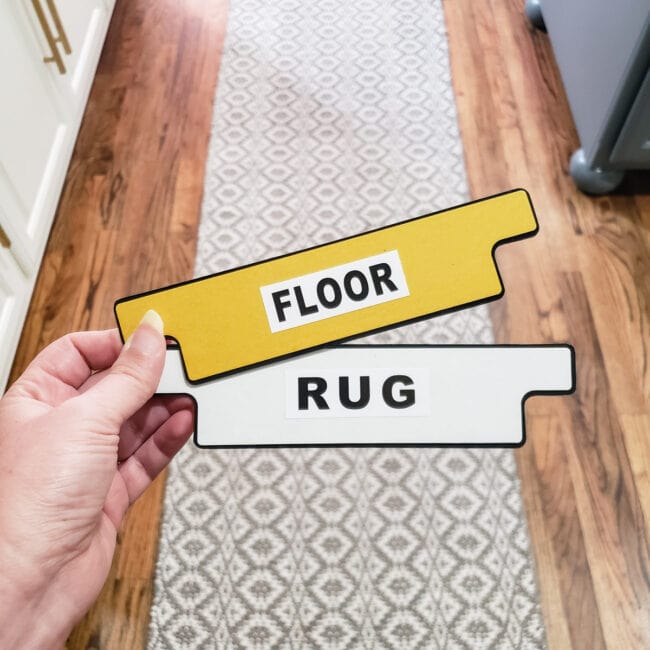
Place grippers evenly under all rug corners. Add extra pads along long edges for large rugs. Press firmly to make sure they stick well. Avoid placing grippers on dirty or wet floors. Clean the floor first for best results. Check grippers regularly and replace if they lose grip. Proper placement stops the rug from bunching or moving.
Credit: www.polishedhabitat.com
Opt For Rugs With Natural Backing
Choosing rugs with natural backing can help keep them steady on wood floors. Natural materials provide a better grip on smooth surfaces. These rugs reduce slipping without extra pads or tapes. They also feel softer and look more inviting. Opting for natural backing blends safety with style in your home.
Benefits Of Natural Fibers
Natural fibers like jute, cotton, and wool offer many benefits. They are durable and last longer on wood floors. These fibers absorb moisture, preventing slipping caused by sweat or spills. Rugs made from natural fibers breathe well, reducing mold and odors. They add a warm, cozy look to any room.
How Backing Affects Grip
The rug’s backing plays a key role in grip on wood floors. Natural backing creates friction between the rug and floor. This friction stops the rug from sliding around. Synthetic or smooth backings can cause slipping problems. Choosing a rug with rough, natural backing improves safety and comfort in your space.
Clean And Maintain Floors And Rugs
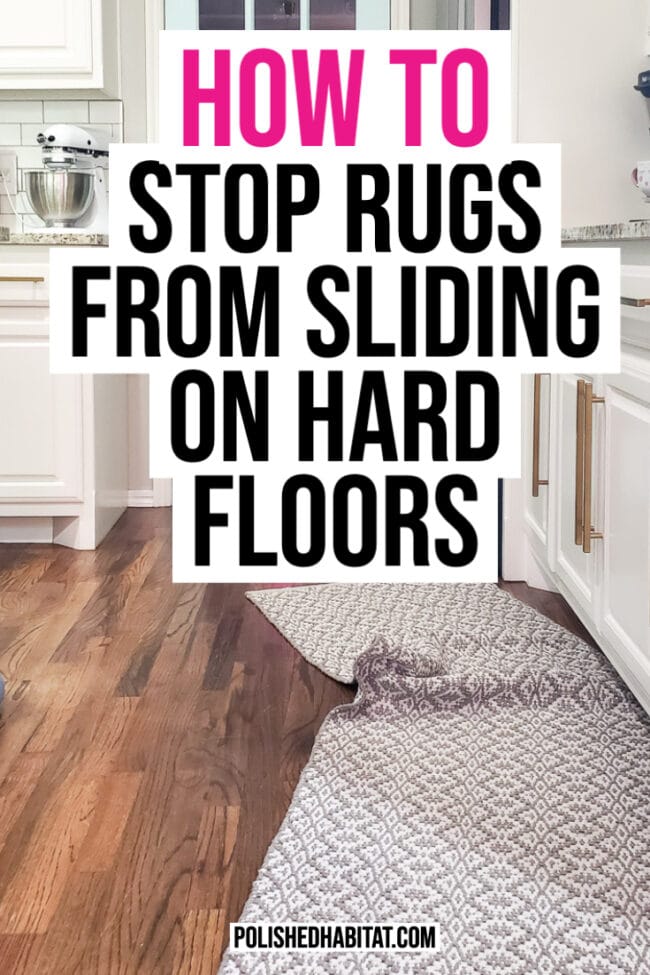
Keeping floors and rugs clean helps stop rugs from sliding on wood floors. Dirt and dust can make rugs slip more. Clean floors and rugs give better grip. This also protects your wood floors from damage. A clean surface means rugs stay put longer.
Removing Dust And Debris
Dust and debris reduce rug grip on wood floors. Sweep or vacuum floors daily to remove loose dirt. Clean the back of rugs too. Use a vacuum with a brush attachment for rugs. Dirt stuck under rugs can cause slipping.
Regular Maintenance Routine
Set a cleaning schedule for floors and rugs. Mop wood floors with a damp cloth weekly. Avoid using too much water to protect wood. Shake out rugs outside to clear dust. Rotate rugs often to spread wear evenly. Regular care keeps rugs stable and floors safe.
Credit: www.polishedhabitat.com
Consider Rug Weight And Size
Choosing the right rug weight and size plays a key role in keeping rugs from sliding on wood floors. A heavy rug naturally stays in place better. The rug’s size also affects how well it grips the floor. Both factors help reduce movement and improve safety. Understanding these points makes it easier to pick a rug that fits your space and stays put.
Heavier Rugs Stay Put Better
Heavy rugs press down firmly on wood floors. This weight creates more friction. Friction helps stop slipping and sliding. Lightweight rugs often shift around with foot traffic. Thick materials like wool or dense fibers add weight. These rugs hold their spot longer. Choosing a heavier rug reduces the need for extra grips.
Choosing The Right Rug Size
Size matters for rug stability. Small rugs tend to move easily. Large rugs cover more floor and spread weight. A rug that fits the room better stays flat. It also reduces the chance of edges curling. Make sure the rug matches the area size. This balance helps keep the rug from sliding.
Avoid High-traffic Slipping Areas
Rugs on wood floors can slip easily, especially in busy areas. Avoid placing rugs where people walk the most. High-traffic spots cause rugs to slide and create hazards. Choosing the right location helps keep rugs steady and safe.
Placing Rugs Strategically
Place rugs in low-traffic areas like bedrooms or sitting rooms. Use smaller rugs in hallways where people walk less. Position rugs away from doors and entryways to reduce slipping risks. Keep rugs near furniture to help hold them in place. These simple steps reduce movement and keep floors safe.
Alternative Solutions For Busy Spots
Use non-slip pads under rugs in high-traffic zones. Choose rugs with a rough backing for better grip. Consider runner rugs with built-in grip for hallways. Hard floor mats are a good option near entryways. These alternatives help keep rugs secure on wood floors.
Frequently Asked Questions
How Can I Stop My Rug From Sliding On Wood Floors?
Place a non-slip rug pad underneath the rug. It grips both the floor and rug to keep it in place. This is a simple and effective way to prevent sliding.
What Materials Work Best For Rug Pads On Hardwood Floors?
Natural rubber and felt are great choices. Rubber prevents slipping, while felt adds cushioning without scratching floors. Avoid pads with adhesives that can damage wood.
Can Double-sided Tape Help Keep Rugs From Sliding?
Yes, double-sided tape can secure rugs temporarily. Use tape made for wood floors to avoid sticky residue or damage. Replace tape often to maintain grip.
Are There Furniture Tricks To Keep Rugs From Moving?
Yes, placing heavy furniture on rug edges helps hold it down. This adds extra weight and stops the rug from shifting during use.
Conclusion
Keeping rugs from sliding on wood floors is easier than you think. Use rug pads or double-sided tape for better grip. Clean the floor and rug bottom to avoid slipping. Choose non-slip materials designed for wood surfaces. These small steps help protect your floors and keep rugs in place.
Enjoy a safer, more comfortable home without constant rug movement. Simple actions make a big difference. Try these tips to keep your rugs steady every day.