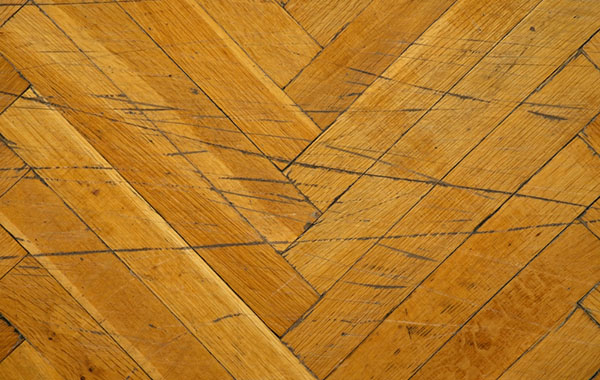
If you love your hardwood floors, you know how easily they can get scratched by chair legs. Those small marks might seem harmless at first, but over time, they can ruin the beauty of your floors.
The good news? You don’t have to accept scratches as a part of everyday life. You’ll discover simple and effective ways to protect your floors without spending a fortune or doing complicated repairs. Keep reading, and you’ll learn how to keep your chair legs—and your floors—in perfect shape.

Credit: x-protector.com
Causes Of Floor Scratches
Hardwood floors add warmth and beauty to any room. Scratches on these floors can spoil their look. Chair legs often cause these scratches. Understanding why scratches happen helps to stop them.
Common Chair Leg Materials
Chair legs come in many materials. Wood is common but can be rough or splintered. Metal legs are hard and can dig into floors. Plastic legs sometimes have sharp edges or small cracks. Each material can scratch floors differently. Hard, rough, or damaged surfaces cause more harm.
Impact Of Movement On Floors
Moving chairs put pressure on floor surfaces. Sliding or dragging legs rub against the wood. This friction removes the finish and leaves marks. Heavy chairs create deeper scratches than light ones. Repeated movement in one spot worsens damage. Sudden shifts or uneven floors increase scratch risks.

Credit: www.amazon.com
Protective Accessories
Protective accessories help stop chair legs from scratching hardwood floors. These tools act as a barrier between the chair and the floor. They reduce noise and make moving chairs easier. Using the right accessory can keep floors looking new for years.
Felt Pads Benefits
Felt pads are soft and stick to chair legs. They prevent scratches by cushioning the contact. Felt pads also make sliding chairs quieter. They come in different sizes for various chair legs. Easy to apply and replace when worn out.
Rubber Caps And Covers
Rubber caps fit over chair legs to protect floors. They absorb impact and stop marks from forming. Rubber covers work well on uneven floors. They provide good grip, preventing chairs from sliding too much. Durable and simple to use on most chair types.
Furniture Glides
Furniture glides attach under chair legs for smooth movement. They reduce friction between the chair and floor. Glides often have a plastic or metal base. They help chairs move without scratching hardwood. Available in many styles for different floors and chairs.
Diy Solutions
DIY solutions offer simple ways to stop chair legs from scratching hardwood floors. These methods use items you likely have at home. They protect your floors and save money. Easy to do and quick to apply.
Using Fabric And Tape
Cut small pieces of soft fabric to fit chair legs. Use strong tape to stick the fabric on the bottom of each leg. The fabric creates a soft barrier that stops scratches. It also reduces noise when moving chairs. Replace the fabric if it wears out.
Homemade Felt Pads
Felt pads are gentle on hardwood floors. Cut felt from old clothes or craft sheets. Make pieces that match the chair legs’ size. Glue the felt to the bottom of each leg. Felt pads slide smoothly and protect floors well. Check them often and replace if needed.
Recycling Old Socks Or Cloth
Old socks or cloth can cover chair legs easily. Cut the sock or cloth to fit the leg shape. Secure it with rubber bands or string. This soft cover prevents scratches and cushions the chair’s movement. Wash and reuse these covers to keep them clean.
Proper Chair Maintenance
Proper chair maintenance helps protect hardwood floors from scratches. Keeping chairs in good condition stops damage before it starts. Small efforts extend the life of both chairs and floors.
Regular Cleaning Tips
Dust and dirt cause scratches on hardwood floors. Clean chair legs often with a soft cloth. Avoid using harsh cleaners that can wear the chair finish. Wipe floors regularly to remove grit that sticks to chair legs.
Checking For Damage
Inspect chair legs for cracks or worn-out pads. Broken parts can scratch floors easily. Replace damaged pads or caps quickly. Catching problems early saves your floor and chair from harm.
Adjusting Chair Legs
Uneven chair legs create pressure points on floors. Check if all legs touch the ground evenly. Tighten loose screws or bolts to stabilize chairs. Add felt pads or rubber caps to protect hardwood surfaces better.
Floor Care Tips
Taking good care of hardwood floors helps keep them beautiful and scratch-free. Simple daily steps protect your floors from damage caused by chair legs. These floor care tips help maintain shine and prevent marks.
Routine Floor Cleaning
Clean floors often to remove dirt and grit. Dirt can scratch hardwood when chairs move. Use a soft broom or vacuum with a hardwood setting. Avoid wet mopping too much. Use a damp cloth or mop with a gentle cleaner made for wood floors.
Applying Floor Finishes
Use floor finishes to add a protective layer. Finishes like polyurethane guard against scratches and stains. Apply finishes as recommended by the product. This layer helps resist chair leg marks and keeps floors smooth.
Using Area Rugs
Place area rugs under chairs and tables. Rugs stop chair legs from touching the floor directly. They absorb impact and reduce scratches. Choose rugs with a soft underside to protect the floor surface. Rugs also add style and comfort to your room.
Credit: twentyandoak.com
When To Replace Chair Legs
Knowing when to replace chair legs helps protect your hardwood floors. Worn-out legs can cause scratches and damage over time. Timely replacement saves your floors from costly repairs. It also keeps your chairs stable and safe to use. Watch for signs of wear and choose the right materials for new legs.
Signs Of Excessive Wear
Look closely at your chair legs for damage. Deep scratches or cracks on the wood show wear. Worn-down tips or missing protective pads increase floor damage risk. Loose or wobbly legs mean weakened support. If you see these signs, it is time to replace the legs.
Choosing Floor-friendly Materials
Select chair legs made from soft or smooth materials. Rubber, felt, and silicone tips reduce floor scratches. Wood legs with protective caps also protect hardwood floors. Avoid metal or rough surfaces that can dig into the wood. Choose materials that slide easily without causing harm.
Frequently Asked Questions
How Can I Protect Hardwood Floors From Chair Leg Scratches?
Use felt pads under each chair leg to reduce scratches. These pads cushion the contact between legs and floors. Regularly check and replace worn pads.
What Materials Work Best For Chair Leg Protectors?
Felt and rubber are great for protecting hardwood floors. Felt pads slide easily and prevent scratches. Rubber pads provide grip and stop sliding.
How Often Should I Replace Chair Leg Floor Protectors?
Replace protectors every 6 to 12 months or when worn out. Check for tears, dirt buildup, or flattening. Worn pads lose protection and can scratch floors.
Can Rugs Help Prevent Scratches From Chair Legs?
Yes, placing rugs under chairs can protect hardwood floors. Rugs act as a barrier and absorb impact. Choose rugs with non-slip backing to keep them steady.
Conclusion
Protecting hardwood floors from chair leg scratches takes small steps. Use felt pads or rubber caps on chair legs. Clean floors regularly to remove dirt that causes scratches. Move chairs gently instead of dragging them across floors. Check pads often and replace them when worn.
These simple actions keep floors looking new longer. Enjoy your beautiful hardwood without worrying about damage. Small care makes a big difference in floor protection. Try these tips and see the results yourself.