Are you ready to transform your space with the warm, natural beauty of engineered wood flooring? Installing this type of flooring might seem tricky, but with the right steps, you can do it yourself and save money.
Imagine walking on a floor that looks stunning and feels comfortable underfoot—all without hiring a professional. In this guide, you’ll discover simple, clear instructions to help you install engineered wood flooring with confidence. Keep reading, and you’ll be surprised at how easy it can be to give your home a fresh, elegant look.
Preparation And Tools
Proper preparation is key to a smooth of engineered wood flooring. Gathering the right tools and preparing the area carefully helps avoid mistakes. This section covers the essentials before you start laying the floor.
Selecting The Right Engineered Wood
Choose engineered wood that fits your room’s style and use. Check the wood’s thickness and finish. Thicker planks last longer and handle wear better. Pick a color and texture that match your decor. Buy extra boards to cover cuts and mistakes.
Gathering Necessary Tools
Collect all tools before starting work. You will need a tape measure, saw, hammer, and spacers. A tapping block and pull bar help fit boards tightly. Have a level and chalk line for straight rows. Use safety gear like gloves and goggles.
Acclimating The Flooring
Let your wood flooring adjust to room temperature and humidity. Leave unopened boxes in the installation area for 48 to 72 hours. This prevents warping or gaps after installation. Keep the room temperature stable during this time.
Preparing The Subfloor
Check the subfloor for flatness and cleanliness. Remove old flooring, nails, and debris. Fix any bumps or holes with a leveling compound. The surface must be dry and solid. A smooth subfloor ensures a stable, long-lasting floor.

Credit: www.wagnermeters.com
Measuring And Planning
Measuring and planning are the first steps to install engineered wood flooring. Accurate measurements help avoid mistakes and save materials. A good plan ensures a smooth and a beautiful finish. Take your time to measure and plan carefully.
Calculating Floor Area
Measure the length and width of the room in feet or meters. Multiply the length by the width to get the floor area. Add 10% extra for waste and cutting mistakes. This amount covers damaged boards and odd cuts. Write down the total square footage to buy the right amount of flooring.
Planning The Layout
Decide the direction to lay the planks. Usually, run them parallel to the longest wall. Think about light sources and room shape. Plan where to start and end the rows. Avoid narrow strips along walls for a cleaner look. Visualize the pattern before you begin.
Marking Reference Lines
Snap chalk lines to mark starting points. Use a level or straight edge for accuracy. Mark a straight line parallel to the longest wall. This line guides the first row of planks. Check that lines are square to the room corners. Clear lines make installation easier and faster.
Installation Methods
Engineered wood flooring offers several methods. Each method suits different rooms and subfloors. Choosing the right one ensures a strong, lasting floor.
These methods include floating floor, glue-down, and nail-down installation. Knowing how each works helps you pick the best option for your space.
Floating Floor Installation
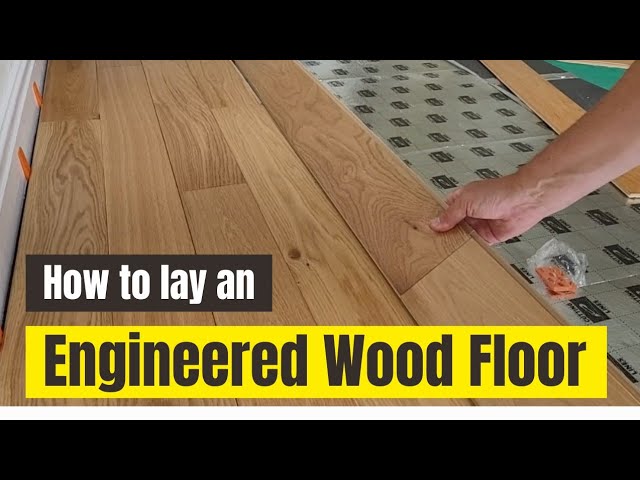
This method does not attach the floor to the subfloor. Instead, planks lock together and rest on a foam underlayment. This makes it easy and quick to install. Floating floors work well over concrete or existing floors. They allow the wood to expand and contract naturally. Great for DIY projects and rooms with moisture concerns.
Glue-down Installation
Glue-down installation sticks the planks directly to the subfloor. It provides a solid, stable feel underfoot. Best for concrete subfloors or places with high traffic. The glue helps reduce noise and keeps the floor tight. Requires careful preparation and drying time. This method suits larger rooms or commercial spaces.
Nail-down Installation
This method uses nails or staples to fasten the flooring to a wooden subfloor. It creates a secure, long-lasting bond. Ideal for hardwood subfloors and traditional homes. Nail-down floors have less movement and a classic look. Requires special tools and some skill. Best for thick engineered wood planks.
Credit: www.youtube.com
Step-by-step Installation Process
Installing engineered wood flooring is a manageable task with clear steps. Follow this guide to get a smooth, professional-looking floor. Take your time and prepare well. Each step builds on the last, so do not rush.
Laying The First Row
Start by choosing a straight wall for the first row. Place spacers between the wall and the boards to allow expansion. Lay the boards with the tongue side facing the wall. Make sure the first row is perfectly straight. This will help keep the rest of the floor aligned.
Installing Subsequent Rows
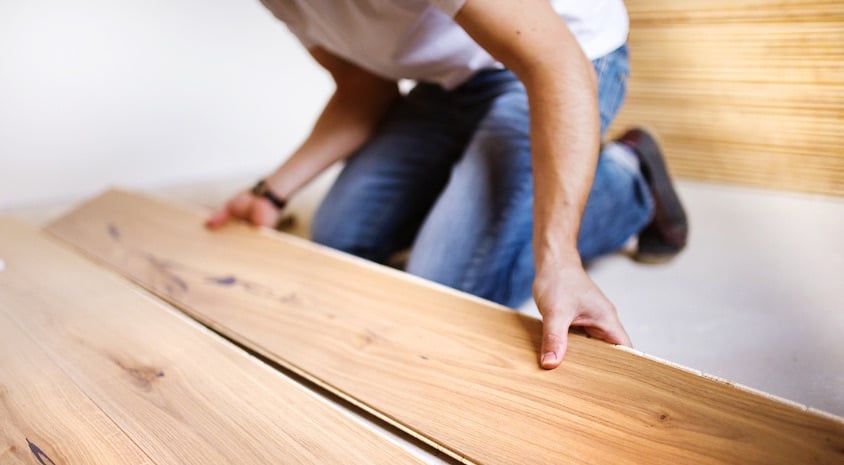
Fit the second row by locking the tongue into the groove of the first row. Use a tapping block to secure a tight fit. Stagger the end joints to create a natural look. Continue this pattern row by row across the room.
Cutting And Fitting Pieces
Measure spaces carefully before cutting boards. Use a saw to trim boards to fit around corners and obstacles. Always cut boards with the finished side facing up. Keep cuts clean for a neat appearance. Save scraps for small gaps or future repairs.
Securing The Final Row
The last row often requires trimming to fit. Leave an expansion gap between the boards and the wall. Use a pry bar to fit boards tightly into place. Secure the boards with glue or nails as needed. Cover gaps with baseboards or trim for a polished finish.
Finishing Touches
After laying your engineered wood flooring, the final steps make a big difference. Finishing touches bring a clean, polished look to your room. These steps protect the floor and improve its appearance. Proper care helps your floor look great for years.
Installing Baseboards And Molding
Baseboards cover the gap between the floor and wall. They give the room a finished look. Use a nail gun or hammer to attach baseboards carefully. Molding adds style and hides any uneven edges. Choose molding that matches your floor color for a uniform look.
Cleaning The Floor
Remove dust and dirt with a soft broom or vacuum. Avoid using wet mops that can damage the wood. Use a damp cloth for sticky spots. Clean the floor regularly to keep it looking fresh. Use cleaners made for engineered wood floors only.
Maintaining Engineered Wood Flooring
Protect the floor from scratches by using felt pads on furniture legs. Avoid walking on the floor with high heels or sharp objects. Keep pets’ nails trimmed to prevent damage. Maintain room humidity between 30% and 50% to avoid wood warping. Regular care extends the life of your floor.
Common Issues And Solutions
Installing engineered wood flooring can have some common issues. These problems might cause frustration during or after . Understanding these issues helps to fix them quickly and keep the floor looking great.
Below are some frequent problems and simple solutions for each. Follow these tips to avoid damage and ensure a smooth installation.
Dealing With Gaps
Gaps between floorboards can appear due to wood shrinking or poor fitting. Small gaps are normal but large gaps look bad and let dirt in. To fix gaps, try tapping the boards gently with a mallet and a tapping block. Use wood filler for very small spaces. Make sure to leave the correct expansion gap around the room edges to prevent future gaps.
Handling Uneven Surfaces
Uneven subfloors cause boards to sit badly and may creak. Use a level to check the floor before installation. Sand down high spots and fill low spots with floor leveling compound. A flat surface helps the flooring last longer and feel stable underfoot.
Preventing Moisture Damage
Moisture can ruin engineered wood floors by causing warping or swelling. Always check the moisture level of the subfloor before installation. Use a moisture barrier under the flooring, especially on concrete slabs. Keep the room well-ventilated and clean up spills quickly to protect the wood.
Credit: www.woodfloorwarehouse.co.uk
Frequently Asked Questions
What Tools Do I Need To Install Engineered Wood Flooring?
You will need a saw, tape measure, spacers, tapping block, and a rubber mallet. Also, a level and adhesive may be required.
Can I Install Engineered Wood Flooring Over Concrete?
Yes, but use a moisture barrier to protect the flooring from dampness in concrete. This prevents damage and warping.
How Long Does It Take To Install Engineered Wood Flooring?
Installation usually takes one to three days, depending on room size and experience. Preparation time adds to the total.
Do I Need To Acclimate Engineered Wood Before Installation?
Yes, let the flooring sit in the room for 48 to 72 hours. This helps the wood adjust to room humidity and temperature.
Conclusion
Installing engineered wood flooring can improve any room’s look and feel. Take your time and follow each step carefully. Use the right tools to make the job easier. Check your work often to ensure a smooth finish. Remember, patience leads to better results.
Enjoy the warmth and beauty of your new floor. This project adds value and comfort to your home. Simple steps, great impact. Ready to start your flooring journey?