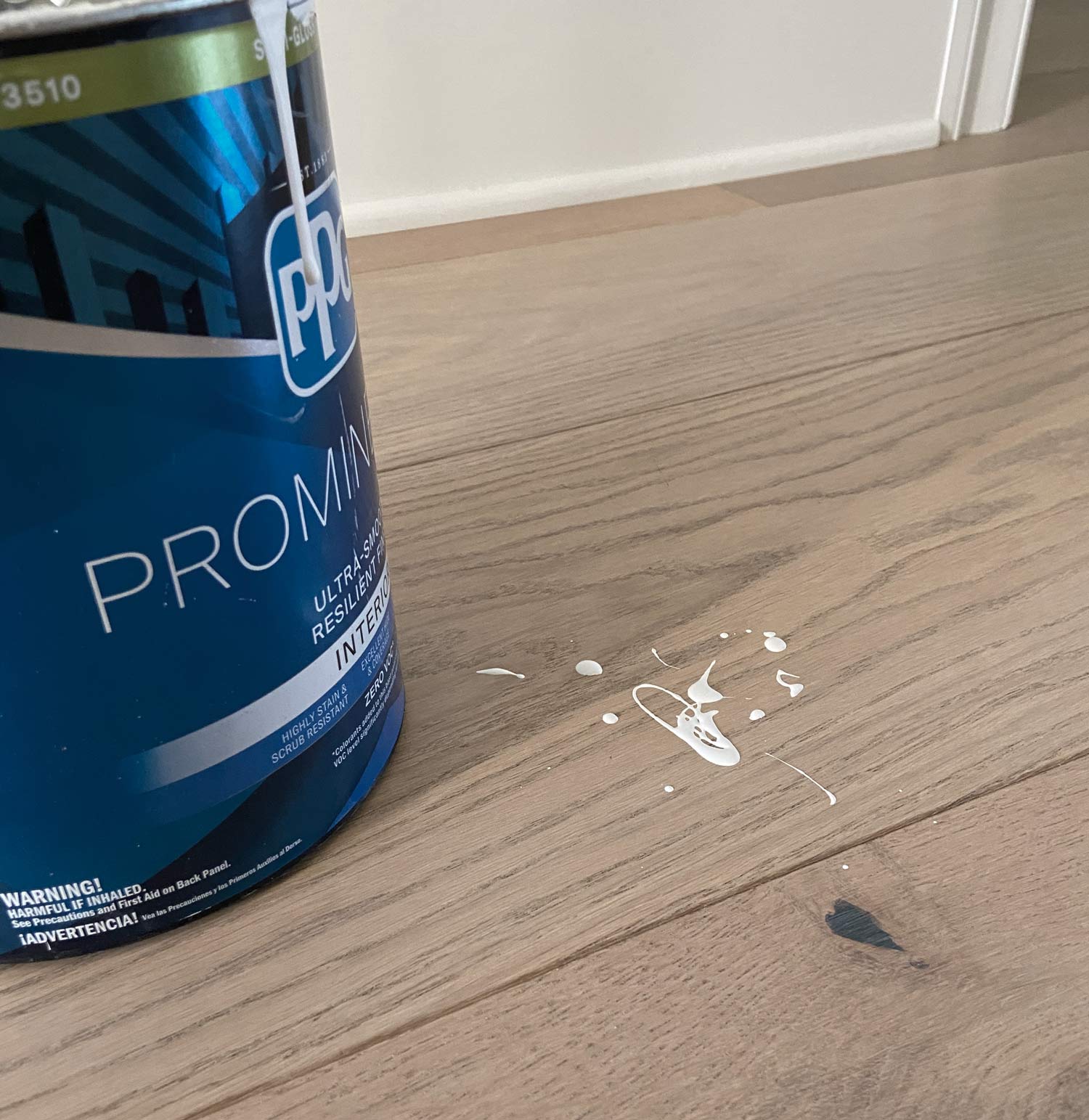
Have you ever spilled paint on your beautiful hardwood floors and felt a wave of panic? You’re not alone.
Getting paint off hardwood floors can seem tricky, but with the right steps, you can restore your floor’s natural shine without damage. In this guide, you’ll discover simple, effective ways to remove paint safely and quickly. Keep reading, and you’ll learn how to bring your floors back to life—no stress, no mess.
Your hardwood deserves the best care, and we’re here to help you make that happen.
:strip_icc()/Bhg-cleaning-paint-from-hardwood-01-2594_0-4UUHL9qQa8oXsYOCJvXZ-c9c0bb36279843b68d02adb318b0163b.jpg)
Credit: www.bhg.com
Types Of Paint On Hardwood Floors
Paint on hardwood floors comes in different types. Knowing the type helps to remove it properly. Each paint type reacts differently with cleaning methods. Understanding these types saves time and effort.
Water-based Paint
Water-based paint is common for indoor projects. It dries fast and cleans up with water. It is less toxic than other paints. Removing it from hardwood floors is easier. Warm water and mild soap often work well.
Oil-based Paint
Oil-based paint is thicker and more durable. It takes longer to dry. Cleaning needs stronger solvents like mineral spirits. This paint sticks firmly to hardwood floors. Be careful to avoid damage during removal.
Latex Paint
Latex paint is a type of water-based paint. It has good flexibility and resists cracking. It dries quickly but bonds well to wood. Soap and water help remove fresh spills. Older stains may need rubbing alcohol or paint remover.
Safety Precautions
Removing paint from hardwood floors can be tricky. Safety is the top priority during this process. Paint removers and scrapers can harm your skin, eyes, and lungs. Following safety precautions keeps you safe and protects your home.
Protective Gear
Wear gloves to protect your hands from chemicals. Use safety goggles to shield your eyes from splashes. Wear long sleeves to avoid skin contact. Use a mask to prevent inhaling fumes. Closed-toe shoes protect your feet from spills.
Ventilation Tips
Open windows to let fresh air in. Use fans to help move air out. Avoid working in small, closed rooms. Good airflow reduces harmful fumes. Take breaks outside to breathe clean air.
Testing Small Areas
Test any paint remover on a small spot first. Check for damage or discoloration. Wait a few minutes after applying. Make sure the floor finish does not peel. This step prevents costly mistakes on the whole floor.
Tools And Materials Needed
Removing paint from hardwood floors needs the right tools and materials. These help protect the wood and make the job easier. Using the correct items prevents damage and saves time.
Gathering everything before starting ensures a smooth process. Each tool has a special role to play in paint removal. Knowing what to use keeps your floors safe and clean.
Scrapers And Putty Knives
Scrapers and putty knives remove dried paint without scratching floors. Choose plastic or flexible metal blades for gentle scraping. Avoid sharp or heavy tools that can harm the wood surface.
Start with a flat blade to lift paint edges. Use slow, careful strokes to peel paint off. Small putty knives work well for tight spots and corners.
Cleaning Solutions
Cleaning solutions help soften paint for easier removal. Use mild products like warm soapy water or vinegar mixtures. Avoid harsh chemicals that can damage the floor finish.
Test any solution in a hidden area first. This prevents unexpected damage or discoloration. Apply the solution gently and wait a few minutes before scraping.
Soft Cloths And Sponges
Soft cloths and sponges clean paint residue without scratching. Use microfiber cloths or soft cotton rags for best results. Wet the cloth or sponge lightly to avoid soaking the wood.
Wipe gently to remove paint particles and cleaning solution. Change cloths often to keep the area clean. Dry the floor with a fresh cloth after cleaning.
Removing Wet Paint
Removing wet paint from hardwood floors is easier than removing dried paint. Acting fast prevents stains and damage. Wet paint is soft and can lift off with simple methods. Use gentle tools to protect the floor finish. Start with small steps before trying stronger solutions.
Blotting Techniques
Use a clean cloth or paper towel to blot the wet paint. Do not rub, as this spreads the paint. Press gently to absorb as much paint as possible. Change the cloth often to avoid reapplying paint. Blot from the outside toward the center of the stain. This keeps the stain from growing larger.
Using Warm Soapy Water
Mix warm water with a few drops of mild dish soap. Dip a soft cloth into the soapy water and wring it out. Gently wipe the paint stain to lift the paint. Rinse the cloth often to keep it clean. Avoid soaking the floor to protect the wood. Dry the area with a clean towel after cleaning.
Removing Dry Paint
Removing dry paint from hardwood floors takes patience. The paint may have hardened and bonded to the wood. Rushing can damage the floor’s finish or wood itself. Use gentle methods first. Start with scraping, then try softening paint. Solvents work as a last step. Each step helps protect your floor while cleaning it.
Gentle Scraping Methods
Use a plastic scraper or old credit card. Avoid metal tools that can scratch the wood. Gently lift the paint edges. Work slowly to peel off flakes. Keep the scraper flat against the floor. This reduces the risk of gouges. Stop if the paint resists. Move to the next method.
Using Heat To Soften Paint
Heat softens dried paint for easier removal. Use a hairdryer on low heat. Hold it close to the paint spot. Heat for a few minutes until paint feels soft. Avoid high heat; it can damage the floor. After softening, scrape gently with a plastic tool. Repeat heating and scraping as needed.
Applying Solvents Safely
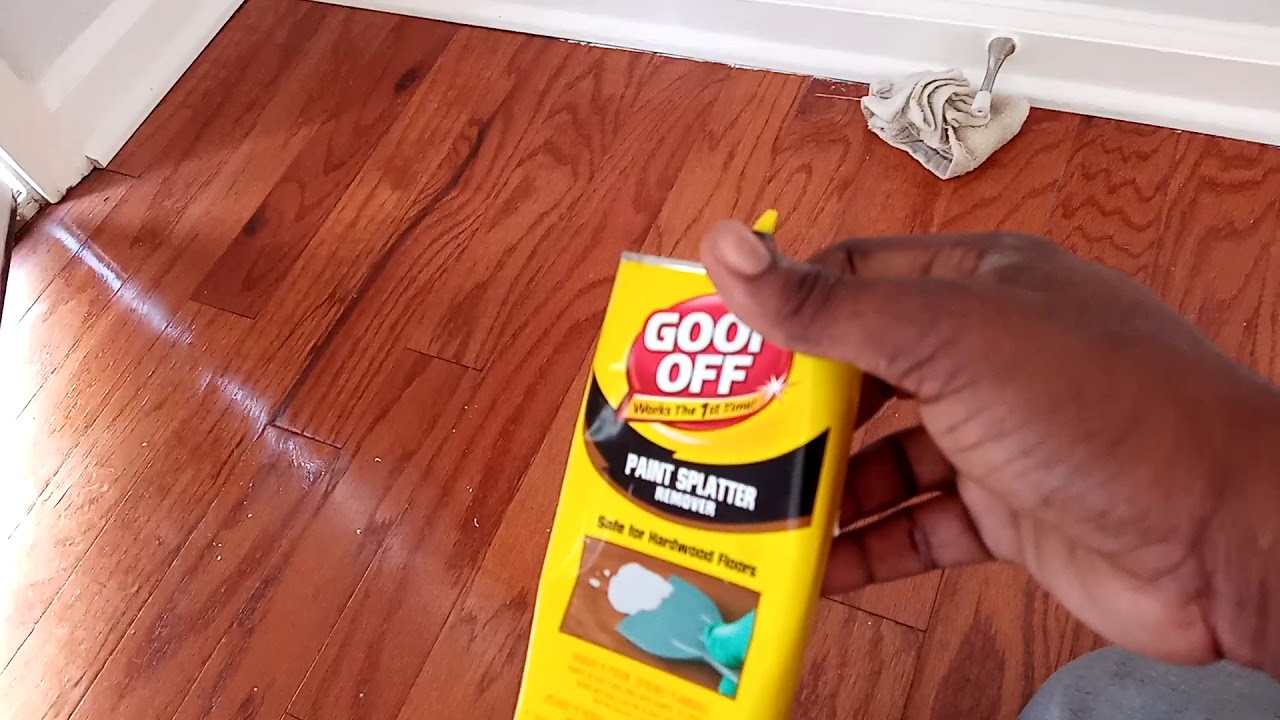
Use solvents like rubbing alcohol or nail polish remover. Test solvent on a small hidden area first. Check for any damage or discoloration. Apply solvent with a soft cloth or cotton ball. Dab gently on the paint spot. Let it sit for a minute to break down paint. Wipe paint away carefully. Clean area with water afterward. Always ensure good ventilation when using solvents.
Natural Paint Removal Alternatives
Natural paint removal alternatives offer safe and gentle ways to clean hardwood floors. These methods use common household items. They avoid harsh chemicals that can damage wood. Using natural solutions helps protect your floor’s finish and your health.
Natural options work well on small paint spots. They require some patience but give good results. Always test a small area first to check for any reaction.
Vinegar And Baking Soda
Vinegar and baking soda create a mild, natural cleaner. Mix equal parts of vinegar and water in a spray bottle. Spray the solution on the paint stain. Let it sit for a few minutes to soften the paint.
Next, sprinkle baking soda over the area. Use a soft cloth or sponge to gently scrub. The baking soda acts as a gentle abrasive, lifting paint without scratching wood. Wipe clean with a damp cloth and dry the floor.
Olive Oil Or Peanut Butter
Olive oil or peanut butter can help remove dried paint. Both contain oils that loosen paint from wood surfaces. Apply a small amount to the paint spot. Rub gently with a soft cloth in a circular motion.
Let the oil sit for about 10 minutes to soften the paint. Use a plastic scraper or cloth to remove the paint carefully. Clean the area with warm soapy water and dry thoroughly. These oils also help nourish the wood’s finish.
Post-removal Floor Care
After removing paint from hardwood floors, proper care is crucial. The floor may look clean but still need extra attention. Taking care of the floor helps keep its shine and prevents damage. This section guides you through cleaning residue, polishing, refinishing, and avoiding future stains.
Cleaning Residue
Paint removal often leaves behind residue or dust. Use a soft broom or vacuum to clear loose particles. Dampen a cloth with warm water and mild soap to wipe the floor gently. Avoid harsh chemicals that can harm the wood finish. Dry the surface with a clean cloth to stop water damage.
Polishing And Refinishing
After cleaning, the floor may look dull or scratched. Apply a wood floor polish to restore shine and protect the surface. For deeper damage, consider light sanding and refinishing. Use products designed for hardwood floors only. Follow product instructions carefully to avoid uneven color or texture.
Preventing Future Stains
Protect hardwood floors from paint spills and stains by using drop cloths during painting projects. Clean spills immediately to avoid permanent marks. Use felt pads under furniture to prevent scratches. Regularly sweep and mop with wood-safe cleaners. These steps keep floors beautiful and stain-free longer.
Credit: plankandpillow.com
Credit: www.youtube.com
Frequently Asked Questions
How Can I Remove Dried Paint From Hardwood Floors?
Use a plastic scraper gently to lift dried paint. Apply warm soapy water to soften stubborn spots. Avoid harsh tools to prevent floor damage.
What Household Items Help Clean Paint Off Hardwood Floors?
White vinegar and baking soda work well on fresh paint. Dab vinegar on the spot, then scrub lightly with a cloth. Always test in a small area first.
Is It Safe To Use Paint Thinner On Hardwood Floors?
Paint thinner can damage the floor finish. Use it only as a last option and sparingly. Always ventilate the room and wear gloves.
How To Prevent Hardwood Floor Damage While Removing Paint?
Work slowly and avoid harsh scrubbing. Use soft cloths and gentle cleaning solutions. Test any cleaner on a hidden spot before full use.
Conclusion
Removing paint from hardwood floors takes care and patience. Start with gentle methods to protect your floor’s finish. Use tools like soft cloths or plastic scrapers to avoid damage. Test any cleaner on a small spot first. Work slowly and clean as you go to prevent stains.
With the right approach, your floors will look clean again. Keep these tips handy for future paint spills. A little effort goes a long way in keeping hardwood floors beautiful.