Is your hardwood floor looking warped or uneven? Buckled hardwood floors can be frustrating to deal with, but you don’t have to live with them.
You might be wondering what caused this problem and, more importantly, how you can fix it before it gets worse. You’ll discover simple, effective steps to restore your floor’s smooth, beautiful surface. Keep reading, and you’ll learn exactly what to do to bring your hardwood floors back to life—without calling in expensive help.
Causes Of Buckled Hardwood Floors
Buckled hardwood floors can cause frustration and damage to your home’s appearance. Understanding the causes helps prevent future problems and guides proper fixes. Several factors contribute to this issue, often involving moisture, installation errors, or environmental changes.
Excess Moisture And Humidity
Wood absorbs moisture from the air and surroundings. High humidity or spills cause the wood to swell. This expansion creates pressure between boards, leading to buckling. Proper ventilation and moisture control reduce this risk.
Improper Installation
Incorrect laying of hardwood floors causes gaps or tight fits. Without enough space for wood to expand, buckling occurs. Skipping underlayment or not following manufacturer guidelines worsens the problem. Precise installation is key to avoid buckled floors.
Water Damage
Leaks from pipes, appliances, or roofs soak the hardwood. Water weakens the wood and causes it to warp and lift. Quick cleanup and repair prevent long-term damage and buckling. Protect floors by fixing leaks early.
Temperature Fluctuations
Extreme temperature changes make wood expand and contract. Rapid shifts stress the floorboards, causing them to buckle or crack. Maintaining steady indoor temperatures helps keep hardwood floors stable and smooth.

Credit: www.reddit.com
Tools And Materials Needed
Fixing a buckled hardwood floor needs specific tools and materials. Having the right items makes the repair easier and safer. The quality of tools affects the final look and durability of the floor. Below are the main tools and materials for this job.
Basic Repair Tools
Start with common tools such as a hammer and pry bar. A saw helps to cut damaged boards precisely. A tape measure ensures accurate measurements for replacements. A rubber mallet prevents damage while fitting boards. Sandpaper smooths edges and surfaces after repair.
Moisture Meter
Use a moisture meter to check the wood’s moisture level. High moisture causes buckling and damage. The meter helps find wet areas under or near the floor. This tool guides how to dry and fix the floor properly. It prevents future problems by controlling moisture.
Replacement Boards
Get replacement boards that match your existing floor. Use the same wood type, size, and finish. This keeps the floor looking uniform and natural. Cut the boards to fit the damaged sections exactly. Proper replacement boards improve the floor’s strength and look.
Adhesives And Fasteners
Choose wood glue to bond loose boards securely. Nails or flooring staples fasten boards firmly to the subfloor. Use fasteners that suit your floor type and thickness. Correct adhesives and fasteners ensure the repair lasts long. Avoid weak or incorrect materials to prevent new damage.
Preparing The Floor For Repair
Preparing the floor for repair is an important first step. It helps you see the problem clearly and work safely. Proper preparation also makes the repair last longer. Follow these simple steps before fixing your buckled hardwood floor.
Removing Furniture And Rugs
Clear the room by moving all furniture and rugs away from the damaged area. This gives you space to work freely. It also prevents damage to your belongings during repair. Avoid leaving any objects on the floor to keep the area clean.
Cleaning The Surface
Remove dust, dirt, and debris from the floor surface. Use a broom or vacuum cleaner for thorough cleaning. Wipe the floor with a damp cloth to catch fine dust. A clean surface helps you spot all buckled spots and prepares the floor for repair materials.
Checking Moisture Levels
Check the floor’s moisture level using a moisture meter. High moisture can cause wood to swell and buckle. If moisture is high, find and fix the source of dampness first. Repairing without controlling moisture may cause the problem to return.
Step-by-step Repair Process
Fixing buckled hardwood floors takes careful steps. Follow each part of the process to restore your floor properly. This guide breaks down the repair into clear, simple actions.
Identifying The Buckled Areas
Start by finding all the buckled spots. Look for raised or uneven boards. Walk over your floor slowly to feel any bumps. Mark these areas with tape or chalk. Check nearby boards for hidden damage.
Removing Damaged Boards
Use a pry bar or hammer to lift the damaged boards. Be gentle to avoid harming the surrounding wood. Remove nails or staples carefully. Dispose of the damaged pieces safely. Prepare the space for new boards.
Drying The Subfloor
Check the subfloor for moisture after removing boards. Use fans or dehumidifiers to dry the area. Let it dry completely to stop future buckling. Moisture can cause wood to swell again. Confirm dryness before moving forward.
Installing New Hardwood Planks
Choose planks that match your floor’s color and size. Lay them in the empty spots carefully. Use nails or glue to secure each plank. Make sure boards fit tightly without gaps. Leave a small space for wood to expand.
Sanding And Finishing
Sand the new planks to match the floor’s surface level. Use fine-grit sandpaper for a smooth finish. Clean dust with a vacuum or cloth. Apply stain and sealant to protect the wood. Allow enough time for drying before walking on it.
Preventing Future Buckling
Preventing future buckling is key to keeping hardwood floors beautiful and strong. Buckling happens when wood expands too much from moisture. Taking steps to control moisture and care for floors helps avoid damage. Small habits make a big difference over time.
Here are simple ways to protect your hardwood floors and stop buckling from coming back.
Controlling Indoor Humidity
Keep indoor humidity between 35% and 55%. Use a humidifier in dry months and a dehumidifier in wet months. Open windows to air out rooms when weather is dry. Avoid wet mopping floors; use a damp cloth instead. Moisture control stops wood from swelling and buckling.
Proper Installation Techniques
Leave space around floor edges for wood to expand. Use the right underlayment to absorb moisture and support planks. Install floors in rooms with stable temperature and humidity. Follow manufacturer guidelines closely. Proper installation reduces stress on wood and prevents buckling.
Regular Maintenance Tips
Clean floors with gentle, wood-safe products. Wipe spills quickly to prevent water damage. Check for leaks under sinks and near windows. Inspect floors regularly for signs of moisture or damage. Keep vents and air filters clean to help air circulation. Regular care keeps floors strong and flat.

Credit: www.uptownfloors.com
When To Call A Professional
Knowing when to call a professional can save your hardwood floor from further damage. Some problems need expert skills and tools. Trying to fix these issues alone might make them worse. Watch for signs that need a specialist’s help. This saves time, money, and stress.
Severe Water Damage
Water can cause serious harm to hardwood floors. If you see large wet spots or bubbling wood, it means water has soaked deep. Mold or a bad smell shows damage below the surface. Professionals can dry and repair floors properly. They know how to stop water from causing more harm.
Structural Issues
When the floor feels soft or uneven, structural damage may be present. This can happen if wood warps or weakens over time. Such problems affect the whole floor and the house’s stability. Experts can check the floor’s frame and fix any hidden issues. They ensure the floor is safe and strong again.
Extensive Buckling
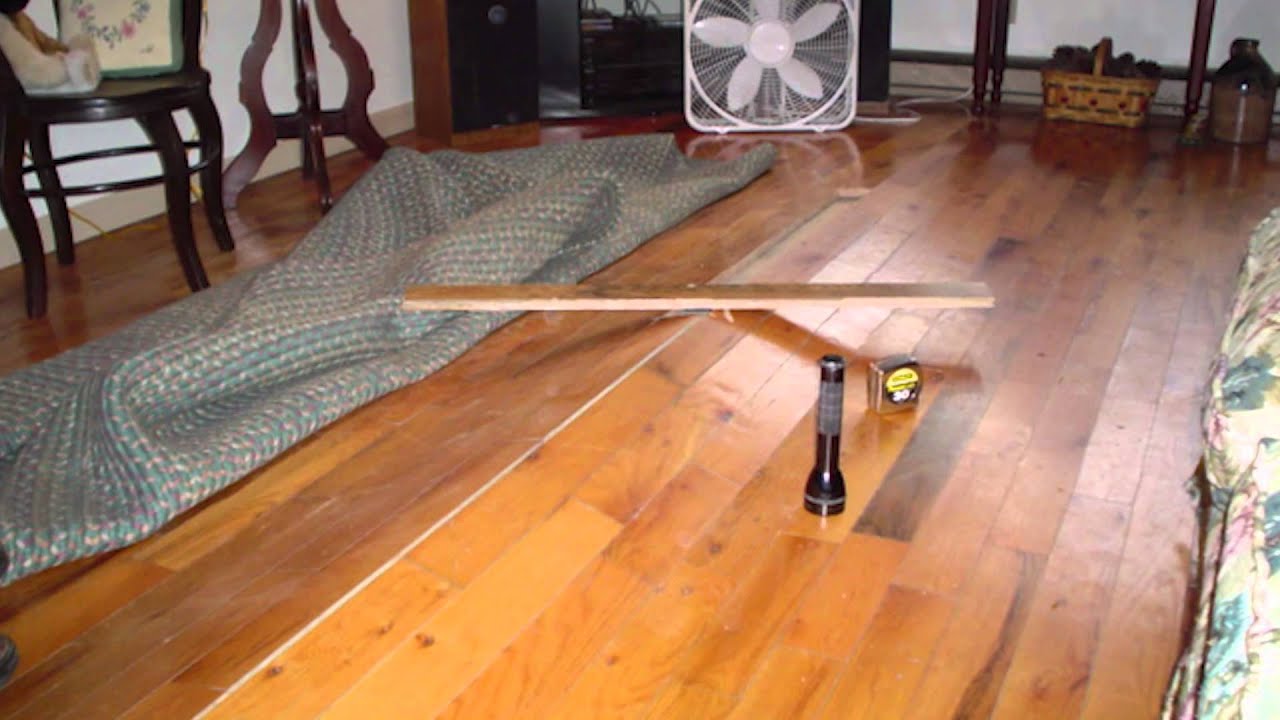
Small buckles are repairable with simple tools. Large, widespread buckles need professional care. Extensive buckling means the wood has swollen or lifted a lot. Fixing this requires removing and replacing parts of the floor. Professionals have the right tools and experience to restore the floor correctly.
Credit: www.youtube.com
Frequently Asked Questions
What Causes Hardwood Floors To Buckle?
Hardwood floors buckle mostly due to moisture or water damage. Changes in humidity cause wood to swell and lift.
How Can I Fix A Buckled Hardwood Floor Myself?
Start by drying the floor completely. Then, gently press down or replace damaged boards if needed.
How Long Does It Take For A Buckled Floor To Flatten?
Drying time varies but usually takes several days to a week. Proper airflow speeds up the process.
When Should I Call A Professional For Buckled Floors?
Call a professional if buckling is severe or covers a large area. They can safely repair or replace boards.
Conclusion
Fixing a buckled hardwood floor takes patience and care. Start by finding the cause of the problem. Dry out any moisture and remove excess water. Then, gently lift and reposition the boards to reduce buckling. Sometimes, sanding and refinishing may be needed.
Watch for signs of damage to avoid bigger issues later. Taking quick action keeps your floor strong and beautiful. Remember, regular cleaning and good ventilation help prevent buckling. Small steps can make a big difference in your hardwood floor’s life.
Stay patient and follow the process carefully. Your floor will look better soon.