Are you tired of that annoying creak every time you walk across your wooden floors? Squeaky wood floors can be more than just a minor nuisance—they can disrupt the peace of your home and even make you feel uneasy.
The good news is, you don’t have to live with the noise. You’ll discover simple, effective ways to stop those squeaks for good. Imagine walking through your home in complete silence, enjoying every step without that unwanted sound. Keep reading, because the solution is easier than you think, and your floors will thank you.
Credit: centrerest.com
Causes Of Squeaky Wood Floors
Squeaky wood floors can be annoying and distracting in any home. Understanding the causes helps to fix them properly. Various issues can cause floorboards to creak or squeak. These problems often involve the boards themselves or the structure underneath.
Loose Floorboards
Loose floorboards are a common cause of squeaky floors. When boards move slightly underfoot, they rub against nails or each other. This movement creates noise. Over time, nails can become loose or the boards may shrink, increasing the problem.
Gaps Between Boards
Gaps between floorboards cause friction and noise. Wood can shrink due to age or dryness, creating spaces. When weight is applied, the edges rub and squeak. This issue is common in older floors or floors exposed to dry air.
Subfloor Issues
The subfloor supports the floorboards above. If it becomes loose or damaged, it can cause squeaks. Nails or screws holding the subfloor may loosen. The movement between subfloor and joists results in noise when walking.
Humidity And Temperature Effects
Wood reacts to changes in humidity and temperature. It expands in high humidity and contracts in dry conditions. These changes cause boards to shift or rub against each other. Seasonal changes often increase floor squeaking.
Tools And Materials Needed
Fixing squeaky wood floors needs the right tools and materials. Having these items ready makes the job easier and faster. Each tool serves a clear purpose in stopping the noise.
This section lists the basic tools, specialized supplies, and safety equipment needed. Prepare these before starting to save time and avoid interruptions.
Basic Tools
- Hammer – for tapping nails and boards
- Screwdriver – to tighten screws
- Drill – to make holes or drive screws
- Tape measure – to check distances
- Utility knife – for cutting underlayment or shims
- Wooden shims – to fill gaps
- Nails or screws – to secure loose boards
Specialized Supplies
- Wood glue – to bond loose floorboards
- Squeak repair kit – includes special fasteners
- Powdered graphite or talcum powder – to reduce friction
- Floor leveler compound – to even out uneven areas
- Wood filler – to fill small holes or cracks
Safety Equipment
- Safety glasses – protect eyes from dust and debris
- Dust mask – prevents inhaling wood dust
- Work gloves – protect hands from splinters
- Knee pads – provide comfort when working on floors
Quick Fixes For Squeaks
Squeaky wood floors can be annoying and distracting. Quick fixes can reduce or stop the noise fast. These methods do not need special tools or skills. You can try them yourself to make your floor quiet again.
Using Talcum Powder Or Graphite
Talcum powder or graphite can reduce friction between floorboards. Sprinkle a small amount into the gaps where the boards meet. Then, gently work the powder into the cracks using a soft brush. This fills spaces that cause the squeaks when wood rubs together. It is a clean, simple way to quiet the floor without damage.
Applying Wood Lubricants
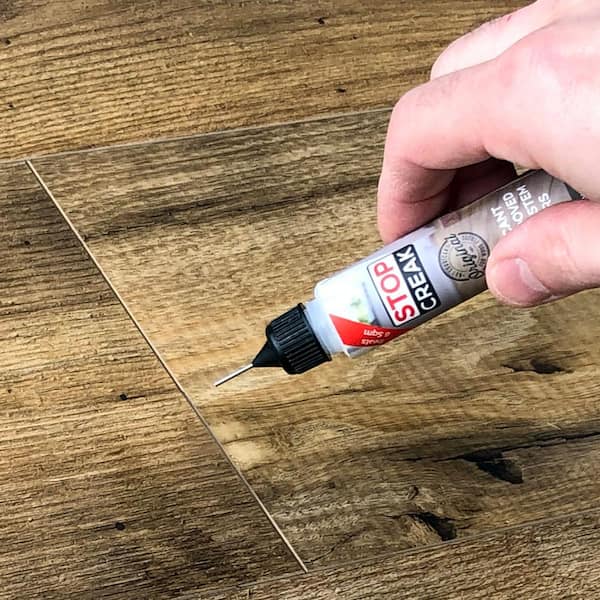
Wood lubricants help smooth the contact points of the floorboards. Use a lubricant designed for wood, like wax or silicone spray. Apply it carefully along the seams or under the boards if possible. The lubricant lowers friction and stops the floor from creaking. This method keeps the wood safe and extends its life.
Securing Loose Boards With Nails Or Screws
Loose boards often cause floor squeaks. Nail or screw these boards down to secure them tightly. Use finishing nails or wood screws that fit the floor style. Drive them at an angle to avoid splitting the wood. This fix stabilizes the floor and prevents the boards from moving and making noise.
Credit: www.homedepot.com
Permanent Repairs
Permanently fixing squeaky wood floors stops the annoying noise for good. These repairs take more effort but give lasting results. The key is to focus on the structure under the floor and the boards themselves. Fixing the base and replacing damaged parts can make your floor quiet and strong again.
Reinforcing The Subfloor
The subfloor supports the wood above. Over time, it can weaken or loosen, causing squeaks. Tightening it helps stop the noise. Use screws to secure the subfloor to the joists firmly. Add extra wood strips between joists for more strength. This keeps the floor steady and quiet.
Replacing Damaged Boards
Old or broken floorboards often cause squeaks. Replacing these boards can fix the problem. Remove the damaged boards carefully. Measure and cut new wood to fit perfectly. Nail or glue the new boards down tightly. A fresh board will not creak or move.
Installing Shims
Shims fill gaps between the floor and joists. Loose gaps create movement and noise. Gently tap wood or composite shims into these spaces. This tightens the floor without removing boards. Use care not to lift the floor too much. Shims provide a solid, silent base for the floor.
Preventive Tips
Preventing squeaky wood floors is easier than fixing them later. Small steps help keep floors quiet and strong. Follow simple tips to avoid noisy boards and enjoy peaceful floors.
Maintaining Proper Humidity Levels
Wood expands and shrinks with moisture changes. Too much dryness causes gaps and squeaks. Use a humidifier in dry months. Keep humidity between 30% and 50%. This stops wood from cracking or moving too much.
Regular Floor Inspections
Check floors often for loose boards or nails. Early fixes prevent bigger noise problems. Walk on floors and listen for creaks. Tighten screws and replace damaged parts fast. This keeps floors stable and quiet.
Choosing The Right Flooring Materials
Select wood types that handle moisture well. Engineered wood resists warping better than solid wood. Use quality nails or screws for installation. Proper materials reduce movement and squeaks over time.

Credit: www.youtube.com
Frequently Asked Questions
What Causes Wood Floors To Squeak?
Wood floors squeak when boards rub against each other or the nails loosen. Changes in humidity also cause wood to expand and contract. This movement creates noise underfoot.
How Can I Stop Squeaks Without Removing Floorboards?
Sprinkling talcum powder or graphite between floorboards reduces friction and noise. Tightening loose nails or screws also helps stop squeaks quickly. These methods work well for minor squeaks.
Is It Safe To Use Screws Instead Of Nails On Wood Floors?
Using screws can secure loose floorboards better than nails. Screws hold tighter and reduce movement that causes squeaks. Just be careful not to crack the wood when installing screws.
When Should I Call A Professional For Squeaky Floors?
Call a pro if squeaks are loud, frequent, or worsen over time. Complex fixes may need special tools or floor lifting. Professionals can find hidden issues and fix them safely.
Conclusion
Squeaky wood floors can be a real annoyance. Fixing them does not need to be hard or costly. Small steps like tightening screws or adding powder often work well. These simple fixes help quiet your floors quickly. Enjoy walking without that annoying creak again.
Keep your home peaceful and comfortable. Try these tips to stop the noise today.