Are you ready to transform your space with beautiful hardwood floors but worried about the installation process? Installing hardwood flooring on plywood doesn’t have to be complicated or stressful.
With the right steps, you can achieve a stunning, professional look without the hassle or expensive help. In this guide, you’ll discover simple, clear instructions that make the job easy—even if you’re new to flooring. Keep reading, and you’ll learn how to bring warmth and style to your home with hardwood floors you’ll be proud of.
Preparing The Subfloor
Preparing the subfloor is the first step to a smooth hardwood flooring installation. It creates a strong base for your new floor. A well-prepared subfloor helps avoid future problems like warping or squeaking.
Careful preparation saves time and money. It ensures the hardwood lays flat and lasts longer. Focus on checking the plywood, cleaning the surface, and testing for moisture.
Checking Plywood Condition
Examine the plywood for cracks, holes, or loose nails. Replace any damaged sections to keep the floor stable. Make sure the plywood is firmly attached to the joists. Loose plywood can cause uneven spots and noise.
Look for signs of rot or mold. These issues weaken the subfloor and must be fixed before installation. Use a flashlight to check dark corners and under cabinets.
Cleaning And Leveling Surface
Clear the plywood of dust, dirt, and debris. Sweep or vacuum thoroughly to remove all particles. A clean surface helps the adhesive stick better and prevents bumps.
Check for uneven areas with a straight edge or level. Sand down high spots and fill low spots with floor-leveling compound. A flat surface is crucial for the hardwood to fit tightly and look perfect.
Moisture Testing
Test the plywood for moisture before laying hardwood. Use a moisture meter to get accurate readings. High moisture can cause wood to warp or cup over time.
Ideal moisture content should be below 12%. If it is higher, wait for the plywood to dry or use a moisture barrier. Proper moisture control protects your investment and keeps floors beautiful.
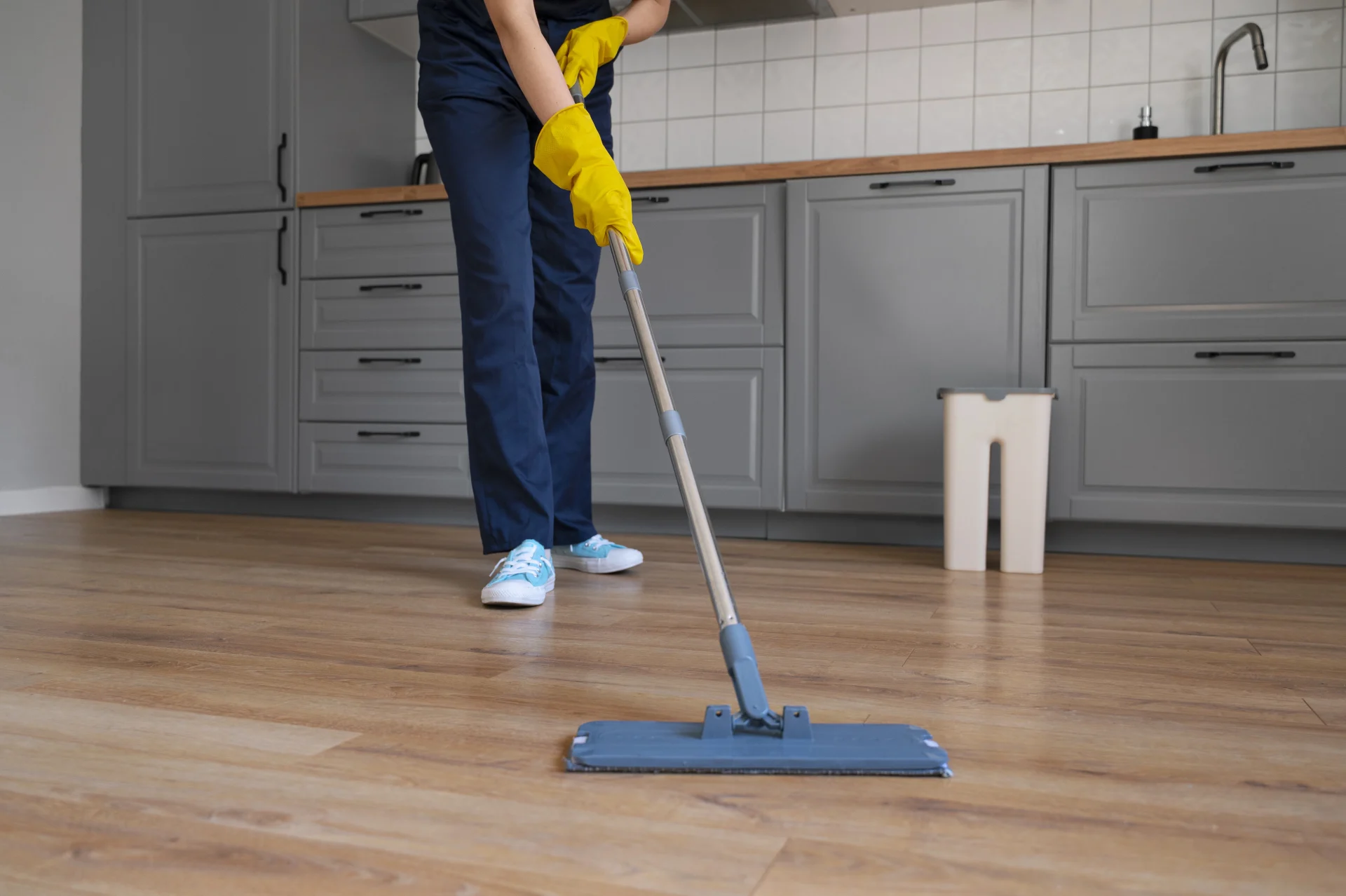
Credit: mazzconst.com
Choosing The Right Hardwood
Choosing the right hardwood is the first step to a beautiful floor. It affects the look, durability, and installation process. The right choice fits your style and the room’s use. Different hardwood types suit different needs and budgets.
Solid Vs Engineered Hardwood
Solid hardwood is made from one solid piece of wood. It offers a natural look and can be sanded many times. It works best over wood subfloors like plywood. Engineered hardwood has layers of wood pressed together. It is more stable in humid areas and over concrete. Engineered wood can be thinner and easier to install. Both types come in many styles and prices.
Wood Species And Finishes
Hardwood species vary in hardness and color. Oak is strong and common. Maple is smooth and light. Cherry has a rich, warm tone. Choose a species that fits your room’s traffic and style. Finishes protect the wood and add shine. Matte finishes hide scratches better. Glossy finishes show the wood’s grain. Pick a finish that matches your lifestyle and decor.
Acclimating The Wood
Wood needs time to adjust to room conditions. This process is called acclimating. Leave the wood in the room for 3 to 7 days. It helps prevent gaps and warping after installation. Stack the wood flat and keep it dry. Check the moisture level with a meter before starting. Proper acclimation leads to a long-lasting floor.
Gathering Necessary Tools And Materials
Before starting hardwood flooring installation on plywood, gathering the right tools and materials is key. Proper preparation saves time and avoids frustration. It also ensures a smooth, professional finish. Collect everything needed ahead to stay organized and efficient.
Essential Tools List
- Measuring tape for accurate cuts and layout
- Chalk line to mark straight guidelines
- Carpenter’s square for perfect angles
- Hand saw or miter saw to cut wood planks
- Rubber mallet to gently tap flooring into place
- Nail gun or flooring stapler for secure fastening
- Drill with screwdriver bits for screws
- Flooring spacers to maintain expansion gaps
- Utility knife for trimming underlayment
- Level to check flatness of the plywood surface
Required Materials
- Hardwood flooring boards chosen for your style
- Plywood subfloor, clean and sturdy
- Underlayment to reduce noise and cushion floor
- Wood glue or adhesive for extra stability
- Nails or staples designed for hardwood flooring
- Flooring filler to fix small gaps or holes
- Moisture barrier to protect wood from dampness
Safety Gear
- Safety goggles to shield eyes from dust and debris
- Work gloves to protect hands from splinters
- Ear protection if using loud power tools
- Knee pads for comfort during floor installation
- Dust mask to avoid inhaling sawdust
Installing The Hardwood Flooring
Installing hardwood flooring on plywood is simple with the right steps. Start with careful planning. This ensures a smooth and lasting floor.
Follow these steps to lay the boards, use proper nailing and gluing, and leave space for natural wood movement.
Laying Out The Boards
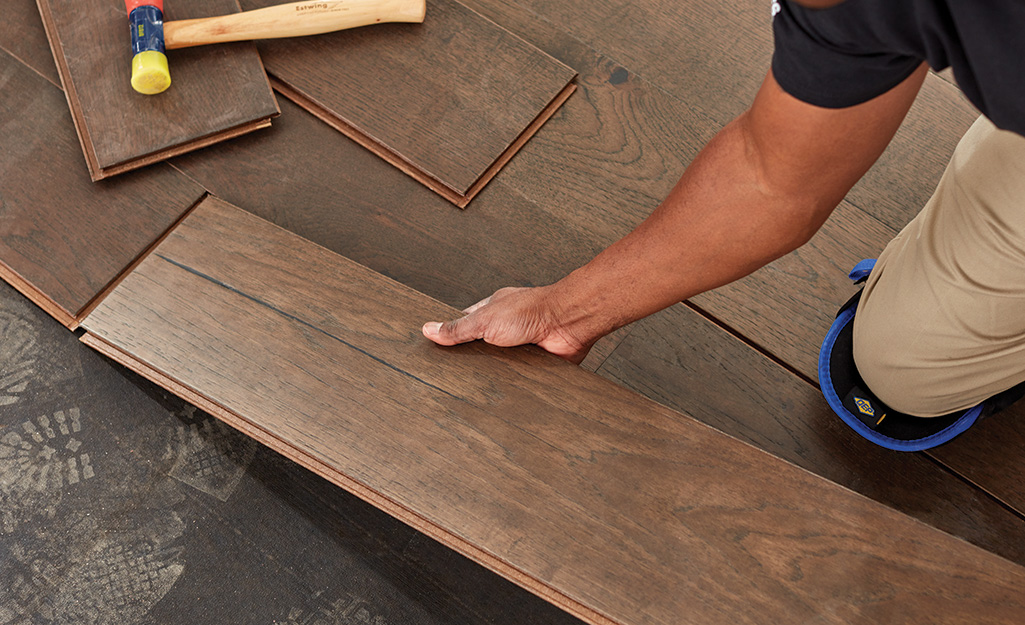
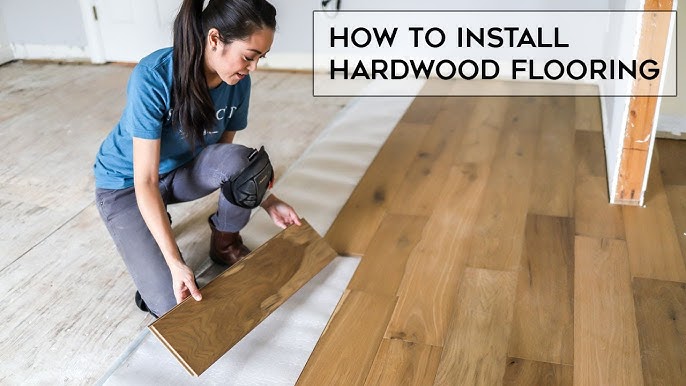
Begin by spreading the hardwood boards across the plywood. Arrange them in the pattern you prefer. This helps visualize the final look. Check for any damaged pieces and remove them. Start the first row along the longest wall. Keep boards tight together for a neat fit. Use spacers to keep gaps even between rows. Stagger the end joints for strength and style. This layout avoids weak spots in the floor.
Nailing And Gluing Techniques
Secure each board with nails and glue. Apply a thin layer of wood glue on the plywood. Press the board firmly onto the glue. Nail the boards at an angle through the tongue. Use a flooring nailer for ease and speed. Nails hold the boards while the glue dries. Clean any glue that squeezes out quickly. This method prevents movement and creaking. It also keeps the floor flat and stable.
Dealing With Expansion Gaps
Wood expands and shrinks with humidity. Leave a small gap around the room edges. About 1/4 inch works well for most hardwood. Use spacers to keep this gap while installing. This space lets the wood move without damage. Cover gaps later with baseboards or molding. This step prevents buckling and warping. Expansion gaps are vital for a long-lasting floor.
Finishing Touches
The finishing touches bring your hardwood floor to life. They protect the wood and make it look beautiful. This stage is simple but important. It creates a smooth, shiny surface that lasts for years. Follow these easy steps for a perfect finish.
Sanding And Buffing
Start by sanding the floor to smooth out any rough spots. Use a fine-grit sandpaper for a clean finish. Sand in the direction of the wood grain to avoid scratches. After sanding, buff the floor to remove dust and create a soft shine. This step helps the finish stick better.
Applying Sealant Or Finish
Choose a sealant or finish to protect the wood from damage. Use a brush or roller to apply it evenly. Let the first coat dry fully before adding a second. This layer guards against water, dirt, and wear. It also enhances the wood’s natural color and texture.
Installing Baseboards And Moldings
Baseboards and moldings cover the gaps between the floor and walls. They give a clean, polished look to the room. Nail them carefully along the edges for a tight fit. Paint or stain to match your floor color. These details complete the hardwood flooring project.
Credit: www.homedepot.com
Maintenance Tips
Maintaining hardwood flooring over plywood is simple with the right care. Good upkeep keeps floors beautiful and extends their life. Focus on cleaning, preventing damage, and fixing small issues fast. These steps help your floors stay strong and look fresh.
Regular Cleaning
Sweep or vacuum floors daily to remove dust and dirt. Use a soft broom or a vacuum with a floor-brush attachment. Mop floors weekly with a damp cloth or mop. Avoid soaking floors with water. Use a cleaner made for hardwood floors only. Clean spills right away to stop stains and warping.
Preventing Damage
Place felt pads under furniture legs to stop scratches. Use rugs at entryways to catch dirt and grit. Avoid walking on floors with high heels or heavy shoes. Keep pet nails trimmed to prevent dents. Control indoor humidity between 35% and 55% to avoid wood shrinking or swelling.
Repairing Scratches And Dents
Use a wood filler or wax stick that matches floor color for small scratches. For deeper dents, gently sand the area before applying filler. Buff lightly to blend repairs with the rest of the floor. For larger damage, consider professional refinishing to restore floor beauty.
Credit: www.youtube.com
Frequently Asked Questions
What Tools Do I Need To Install Hardwood Flooring On Plywood?
You need a tape measure, saw, hammer, nails, and flooring adhesive. A rubber mallet helps fit boards tightly. Safety gear like gloves and goggles is also important.
How Do I Prepare Plywood Before Installing Hardwood Flooring?
Ensure the plywood is clean, dry, and flat. Sand any rough spots and fill holes with wood filler. Proper preparation prevents uneven flooring and damage.
Can Hardwood Flooring Be Nailed Directly Into Plywood?
Yes, hardwood flooring can be nailed directly into plywood. Use flooring nails or staples and a nail gun for best results. This method secures the boards firmly in place.
How Long Does It Take To Install Hardwood Flooring On Plywood?
Installation time varies by room size and skill level. Small rooms may take one day; larger rooms could take two or more. Planning and preparation speed up the process.
Conclusion
Installing hardwood flooring on plywood can be simple and fast. Follow each step carefully to avoid mistakes. Prepare the plywood surface well for best results. Use the right tools and materials for a strong fit. Take your time with measurements and cuts.
Clean the area often to keep work smooth. Enjoy the new look and feel of your floor. This project adds warmth and value to any room. You can do it yourself with patience and care. Hardwood flooring on plywood can last for many years.