If you have LVP flooring in your home, you want it to look great for years to come. But how do you keep it clean and damage-free without spending hours on maintenance?
You’re about to discover simple, effective ways to care for your luxury vinyl plank flooring. These tips will help you protect your investment, keep your floors shining, and avoid costly repairs. Keep reading to learn exactly what you need to do to make your LVP flooring last longer and look better every day.
Choosing The Right Cleaning Products
Choosing the right cleaning products is key for keeping LVP flooring beautiful. The wrong products can damage its surface or dull its shine. Using safe cleaners protects your floor and extends its life. Simple choices make a big difference in care.
Safe Cleaners For Lvp
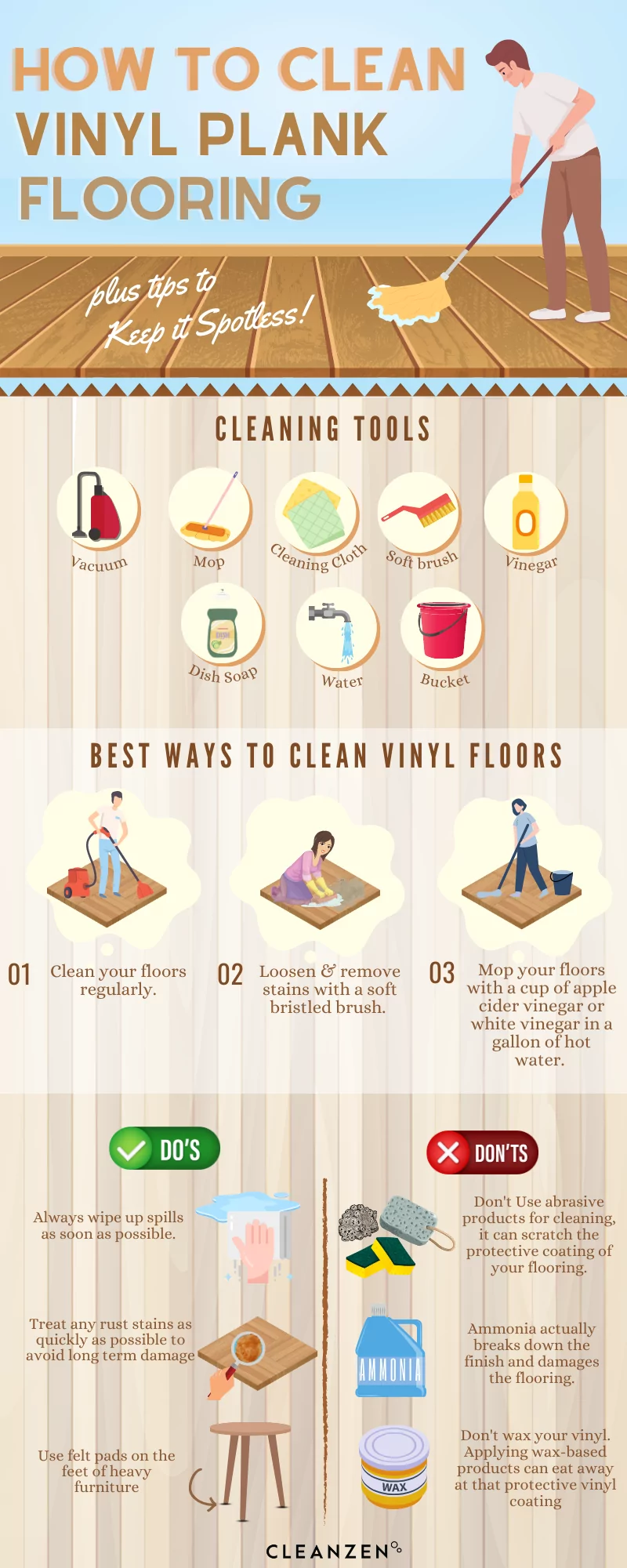
Choose cleaners made for vinyl or laminate floors. These products gently clean without harming the wear layer. Mild soap mixed with water works well too. Always dilute strong cleaners with water before use. Test new products in a small, hidden area first. Avoid oily or wax-based cleaners that leave residue.
Avoiding Harsh Chemicals
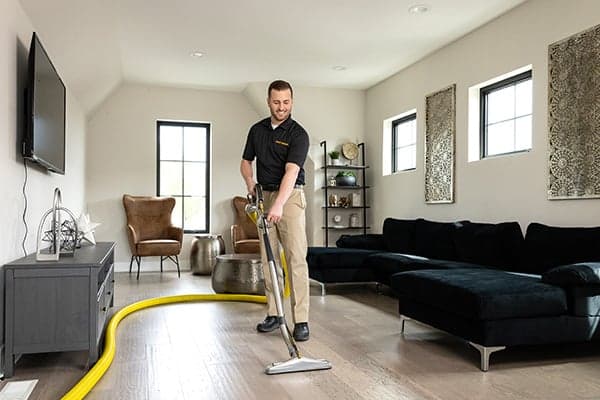
Stay away from bleach, ammonia, and abrasive cleaners. These can strip the floor’s finish and cause discoloration. Harsh chemicals also weaken the surface, making it easier to scratch. Avoid vinegar or acidic cleaners as they dull the shine. Use soft cloths or mops to prevent scratches. Protect your investment with gentle cleaning agents only.
Credit: www.stanleysteemer.com
Daily Maintenance Routines
Daily maintenance keeps LVP flooring looking fresh and lasting longer. Simple routines prevent dirt buildup and scratches. Consistent care protects the floor’s finish and beauty. Small actions each day make a big difference over time.
Sweeping And Vacuuming Tips
Use a soft-bristle broom to sweep your floor daily. It removes dust and small particles gently. Avoid stiff-bristle brooms that may scratch the surface. A vacuum cleaner with a hard floor setting works well too. Do not use a vacuum with a beater bar. Clean the vacuum filter regularly for better results.
Spot Cleaning Techniques
Wipe spills immediately with a soft cloth or paper towel. Use warm water and a mild detergent for sticky spots. Avoid harsh chemicals that can damage the floor. For tougher stains, use a cleaner made for vinyl floors. Test any cleaner on a small hidden area first. Dry the spot completely to prevent water damage.
Handling Spills And Stains
Handling spills and stains on LVP flooring is important to keep it looking new. Quick action stops damage and keeps the floor clean. Knowing how to treat different stains helps protect your flooring.
Quick Spill Response
Wipe spills immediately to prevent stains. Use a soft cloth or paper towel. Avoid rubbing hard to stop spreading the spill. Clean with warm water and mild soap if needed. Dry the area fully after cleaning. Fast care keeps the floor safe from damage.
Removing Tough Stains
For stubborn stains, use a gentle cleaner made for vinyl floors. Apply the cleaner with a soft cloth. Test it first in a small hidden spot. Avoid abrasive tools like scrub brushes or steel wool. Rinse the area with clean water and dry well. Repeat if the stain remains, but do not use harsh chemicals.
Protecting Lvp From Damage
Protecting luxury vinyl plank (LVP) flooring from damage helps keep it looking new. Small care steps stop scratches, dents, and marks. A little effort goes a long way in preserving the floor’s beauty and strength.
Using Furniture Pads
Furniture pads stop heavy items from scratching the floor. Place soft pads under chair and table legs. These pads reduce pressure and prevent dents. Use felt or rubber pads for best results. Replace pads often to keep them effective. Moving furniture becomes easier with these simple guards.
Preventing Scratches And Dents
Avoid dragging furniture or heavy objects across the floor. Lift and carry items instead. Use area rugs in busy places to protect the floor. Keep pet nails trimmed to prevent scratches. Clean dirt and grit regularly to stop tiny scratches. These steps help maintain a smooth, clean surface.
Managing Moisture And Humidity
Managing moisture and humidity is key to keeping LVP flooring in good shape. Too much moisture can cause the floor to warp or swell. Too little humidity can make it crack or separate. Balancing moisture levels helps the flooring last longer and look better.
Controlling Indoor Humidity
Keep indoor humidity between 35% and 55%. Use a humidifier in dry seasons. A dehumidifier helps in very humid areas. Open windows to allow fresh air flow. Avoid placing LVP flooring near heat sources. Proper airflow stops moisture buildup under the floor.
Dealing With Water Exposure
Clean spills immediately to avoid damage. Use a dry cloth or mop to soak up water. Avoid wet mops or steam cleaners. Water left on the floor can cause swelling. Check for leaks in pipes or appliances. Fix leaks quickly to protect your floor.
Credit: cleanzen.com
Periodic Deep Cleaning
Periodic deep cleaning keeps LVP flooring looking fresh and new. It removes dirt and grime that daily cleaning misses. This cleaning helps protect the floor’s finish and extends its life. Deep cleaning should happen every few months or as needed.
Recommended Cleaning Methods
Start by sweeping or vacuuming to remove loose dirt. Use a damp mop with warm water and a mild cleaner made for LVP floors. Avoid harsh chemicals or abrasive tools. For tough stains, gently scrub with a soft brush. Rinse the floor with clean water to remove cleaner residue. Dry the floor with a soft cloth to prevent water spots.
Tools And Equipment
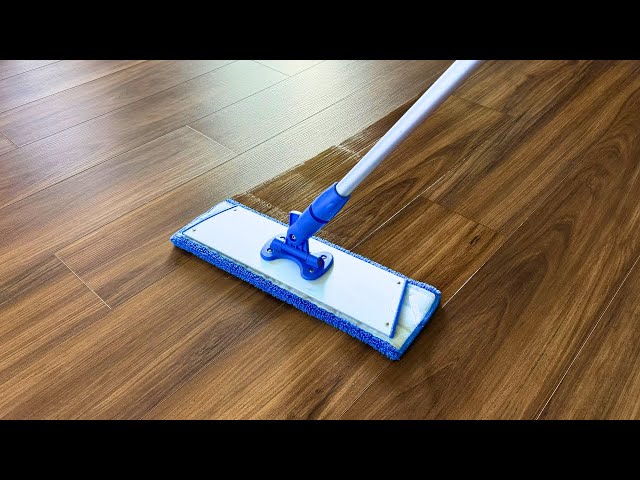
Use a vacuum with a hard floor setting to avoid scratching. Choose a microfiber mop for gentle cleaning. Soft bristle brushes work well on stubborn stains. Use mild, pH-neutral cleaners designed for vinyl flooring. Avoid steam cleaners or wet mops that leave excess water. Keep a soft cloth handy to wipe and dry the floor quickly.
Repairing Minor Damage
Minor damage to luxury vinyl plank (LVP) flooring can happen easily. Small scratches and dents can make your floor look old. Fixing these problems quickly keeps your floor looking new. Simple repairs save money and extend the life of your LVP flooring.
Fixing Scratches
Light scratches on LVP flooring are common. Use a soft cloth and some warm, soapy water to clean the area first. Dry it completely before you start repairing.
For shallow scratches, try a vinyl floor repair kit. These kits often include colored putty or markers. Match the color to your floor for the best results. Apply the putty or marker to the scratch carefully. Let it dry as the kit instructions say. Gently buff the area to blend the repair with the rest of the floor.
Deep scratches may need more care. Use a fine sandpaper lightly to smooth rough edges. Then apply the repair putty or marker. Avoid using too much water or harsh chemicals on LVP floors.
Replacing Damaged Planks
Sometimes scratches or dents are too big to fix. In these cases, replace the damaged plank. Start by finding an extra plank from your original flooring. If none is available, buy one that matches your floor.
To remove the damaged plank, lift it carefully from the floor. Use a flat tool to help lift the edges. Avoid breaking nearby planks.
Place the new plank in the empty spot. Press it firmly to fit with the surrounding planks. Check that the new plank sits level with the rest of the floor. Clean the area after replacement to remove dust and debris.
Credit: www.youtube.com
Frequently Asked Questions
How Often Should I Clean Lvp Flooring?
Clean LVP flooring weekly to keep it looking new. Use a soft broom or vacuum without a beater bar. Mop with warm water and a mild cleaner as needed.
Can I Use Water To Mop Lvp Floors?
Yes, use a damp mop with water for cleaning. Avoid soaking the floor with too much water. Excess water can damage the floor edges.
What Type Of Cleaner Is Best For Lvp Floors?
Choose a pH-neutral cleaner made for vinyl floors. Harsh chemicals can dull or damage the surface. Avoid wax or oil-based cleaners.
How Do I Prevent Scratches On Lvp Flooring?
Use furniture pads under chairs and tables. Avoid dragging heavy items across the floor. Keep pet nails trimmed to reduce scratches.
Final Words
Caring for LVP flooring is simple and keeps it looking great. Clean spills quickly to avoid stains. Use gentle cleaners and soft mops for best results. Avoid harsh tools that can scratch the surface. Regular care extends the life of your floors.
Enjoy the beauty and durability LVP flooring offers. Small efforts make a big difference in floor maintenance. Keep your home fresh and stylish with easy LVP care.