When it comes to choosing the right flooring for your space, you might be stuck deciding between HDPC and LVP. Both options offer unique benefits, but which one truly fits your needs?
If you want a floor that combines durability, style, and value, understanding the key differences is crucial. You’ll discover what sets HDPC apart from LVP, helping you make a smart choice that transforms your home or office. Keep reading to find out which flooring option matches your lifestyle perfectly.
Material Composition
The material makeup of HDPC and LVP greatly affects their durability and appearance. Understanding their components helps choose the right flooring for your needs. Each type has unique ingredients that define its strength and style.
Hdpc Components
HDPC stands for High-Density Polymer Composite. It mainly contains wood fibers mixed with plastic. This blend creates a strong, water-resistant core. The surface layer is usually a tough laminate or vinyl wear layer. It protects against scratches and stains. The backing layer adds stability and prevents moisture from seeping in. The combination makes HDPC rigid and durable.
Lvp Ingredients
LVP means Luxury Vinyl Plank. It is made mostly of vinyl materials. The core can be either solid vinyl or an enhanced composite for extra strength. A printed design layer gives LVP its wood-like look. A clear wear layer covers the top to resist damage. Some LVP includes fiberglass for added stability. The layers work together for flexibility and water resistance.
Durability And Wear
Durability and wear are key factors when choosing between HDPC and LVP flooring. Both types offer strong surfaces, but their resistance to damage differs. Understanding these differences helps pick the right floor for your needs. Let’s explore how each handles everyday wear and tear.
Scratch And Impact Resistance
HDPC flooring is made with a thick, dense core that resists dents well. It handles heavy foot traffic and dropped objects without showing marks easily. LVP has a softer core, which can dent or scratch more easily. For homes with pets or kids, HDPC often holds up better against scratches and impacts.
Water And Moisture Handling
HDPC floors resist water due to their rigid core and waterproof layers. They prevent swelling or warping from spills and humidity. LVP is fully waterproof and flexible, which makes it ideal for bathrooms and basements. Both types manage moisture well, but LVP offers more flexibility in wet areas.
Installation Process
The installation process is a key factor when choosing between HDPC and LVP flooring. Both types need specific steps and tools to fit properly. Understanding these steps helps you plan better and avoid mistakes. This section explains how to prepare and the tools you need. It also compares doing the job yourself versus hiring a pro.
Preparation And Tools
Start by cleaning the floor surface. It must be smooth, dry, and free of dust. Measure the room to know how much material you need. Gather tools like a tape measure, utility knife, spacers, and a rubber mallet. For HDPC, you may also need adhesive or underlayment. LVP usually clicks together, so it needs fewer tools. Check the product instructions for any special tools.
Diy Vs Professional Installation
Installing LVP is easier for beginners. The click-lock design fits without glue. You can complete small rooms in a day. HDPC installation takes more time and skill. It may require glue and cutting precise pieces. Mistakes can cause gaps or damage. Hiring a professional ensures the floor looks perfect and lasts longer. Professionals have experience and the right tools for both floors.

Credit: stoneandtileshoppe.com
Aesthetic Appeal
The aesthetic appeal of HDPC and LVP plays a big role in choosing flooring. Both types offer unique looks that can change a room’s style. Understanding their design and finish helps pick the best option for your space.
Design Options
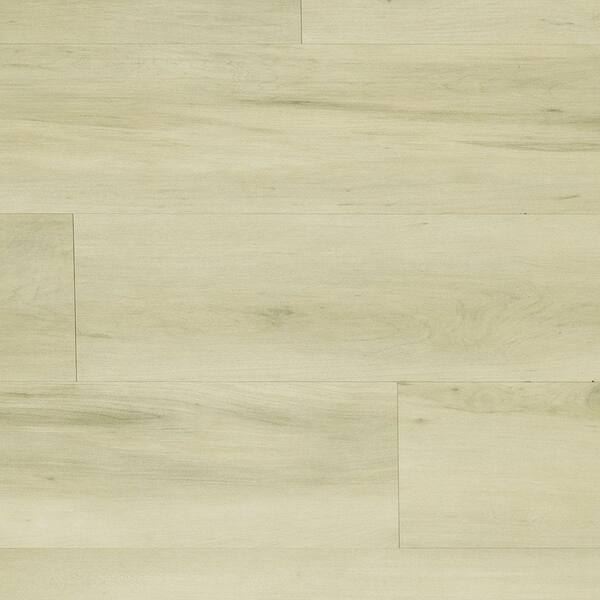
HDPC flooring offers many classic wood designs. It often mimics hardwood with natural grain patterns. The colors tend to be warm and rich. LVP comes in a wide variety of styles. It can look like wood, stone, or tile. LVP also has more modern and bold designs. This variety fits different tastes and rooms.
Texture And Finish
HDPC has a smooth finish that feels solid underfoot. It usually has a matte or satin look. This gives a natural and cozy feeling. LVP textures can be very realistic. Some have embossed surfaces that copy wood or stone grain. The finish can range from matte to glossy. This creates a more dynamic visual effect.
Maintenance Needs
Maintenance needs play a big role in choosing between HDPC and LVP flooring. Both types need care to keep them looking good and lasting long. Understanding the cleaning and upkeep helps you decide which fits your lifestyle better.
Cleaning Tips
HDPC flooring requires gentle cleaning to avoid damage. Use a soft broom or vacuum with a hard floor setting. Mop with a damp cloth, not soaking wet. Avoid harsh chemicals that can wear the surface.
LVP is easier to clean. Sweep or vacuum regularly to remove dust. Use a mild detergent and warm water for mopping. Avoid abrasive cleaners that may scratch the floor.
Longevity And Upkeep
HDPC floors last longer with regular care. They resist dents but need protection from water spills. Wipe up liquids quickly to avoid swelling or warping.
LVP floors handle moisture better. They resist stains and scratches well. Occasional polishing can keep them shiny. Replace damaged planks easily without much hassle.
Cost Comparison
Cost plays a big role in choosing between HDPC and LVP flooring. Understanding the price differences helps make a smart choice. This section breaks down the costs for you.
Initial Investment
HDPC flooring usually costs more at the start. The materials are thicker and denser. This adds to the price. Installation also takes more time. That can raise labor costs.
LVP flooring has a lower upfront cost. The materials are thinner but still strong. Installation is quicker and easier. This means you pay less for labor. For tight budgets, LVP is often the better pick.
Long-term Value
HDPC lasts longer with proper care. It resists dents and scratches well. This lowers repair and replacement costs. Over time, HDPC can save money despite a higher start price.
LVP may need more repairs or replacement over years. It can wear down faster in busy areas. Still, its low initial cost helps balance this. For short-term use, LVP offers good value.
Environmental Impact
Choosing between HDPC and LVP flooring affects the environment in several ways. Both materials have unique impacts during production, use, and disposal. Understanding these effects helps you make a greener choice for your home or business.
The environmental impact covers energy use, resource extraction, and waste generation. Each type of flooring handles these factors differently. Examining sustainability and recyclability sheds light on their true footprint.
Sustainability Factors
HDPC flooring often uses natural wood fibers mixed with plastics. This blend reduces the need for pure plastic, lowering fossil fuel use. Some HDPC products use recycled wood, which saves trees and reduces waste.
LVP flooring is mostly made from vinyl, a type of plastic. Vinyl production involves chemicals and energy that can harm the environment. Some LVP brands try to lower their impact by using less harmful substances or renewable energy.
Both floors last a long time, reducing the need for replacement. This durability helps cut down on waste and resource use over time.
Recyclability
Recycling options for HDPC flooring remain limited. The mix of wood and plastic makes it harder to separate materials. Few recycling centers accept HDPC, which often ends up in landfills.
LVP can sometimes be recycled but requires special facilities. The vinyl material is recyclable but not widely processed. Recycling rates for LVP are low due to collection and sorting challenges.
Choosing floors that support take-back or recycling programs can reduce environmental harm. Proper disposal helps keep materials out of landfills and supports reuse efforts.
Credit: www.homedepot.com
Best Use Cases
Choosing between HDPC and LVP depends on where you want to use them. Both materials have unique qualities that fit different environments well. Understanding their best use cases helps make the right choice for your space.
Residential Settings
HDPC suits homes that need strong, long-lasting floors. It handles heavy foot traffic and resists scratches well. Ideal for kitchens and hallways where durability matters most. It also offers a natural wood look, adding warmth to living rooms.
LVP works great in bedrooms and bathrooms. It feels softer underfoot and is water-resistant. Easy to clean and maintain, it fits busy family homes. LVP comes in many colors and patterns, matching various décor styles.
Commercial Applications
HDPC is perfect for offices and retail stores. It stands up to constant use without losing its charm. Its tough surface prevents damage from rolling chairs and carts. Also, HDPC resists stains, making it easier to keep clean.
LVP fits well in restaurants and healthcare facilities. Its water resistance and hygiene-friendly surface are big benefits. LVP reduces noise, creating a quieter environment. It offers flexibility in design to suit different commercial spaces.
Buyer Tips
Choosing between HDPC and LVP can be confusing. Knowing the right points helps buyers make smart choices. This section shares simple tips to guide you through the process. Focus on what fits your daily life and where to shop for the best deals.
Choosing Based On Lifestyle
Think about your home’s daily use. HDPC suits low-traffic areas with less moisture. LVP works well in busy rooms and wet spaces. Families with kids or pets benefit from LVP’s durability. If style matters, both offer many designs. Choose the one that fits your comfort and needs best.
Where To Purchase
Buy from stores with a good reputation. Check online shops for wider options and reviews. Local retailers let you see samples before buying. Compare prices to find the best value. Ask about warranties and return policies. Good customer service can save you trouble later.
Credit: fastabiqsehat.com
Frequently Asked Questions
What Is The Main Difference Between Hdpc And Lvp Flooring?
HDPC is a type of engineered wood, while LVP is luxury vinyl plank flooring. HDPC offers a natural wood look, and LVP mimics wood or stone with vinyl.
Which Flooring Is More Water-resistant, Hdpc Or Lvp?
LVP is more water-resistant because it is made from vinyl. HDPC can handle some moisture but is not fully waterproof.
Is Hdpc Or Lvp Easier To Install At Home?
LVP is usually easier to install with click-lock planks that fit together. HDPC may need more tools or professional help for installation.
Which Flooring Option Is Better For Durability, Hdpc Or Lvp?
LVP tends to be more durable and scratch-resistant than HDPC. HDPC can wear down faster in high-traffic or wet areas.
Final Words
Both HDPC and LVP offer strong options for flooring needs. HDPC provides durability and water resistance. LVP stands out with its easy installation and realistic look. Consider your budget, space, and lifestyle to choose right. Each type fits different homes and uses.
Think about what matters most for your floor. This helps you decide with confidence. Choose smartly and enjoy your new floor for years.