Are you noticing gaps forming between the planks of your hardwood floor? Those spaces can be frustrating and might make your beautiful floors look worn out or poorly maintained.
But don’t worry—understanding why hardwood flooring gaps appear and how to fix them can save you time, money, and stress. You’ll learn exactly what causes these gaps and what simple steps you can take to restore your floor’s flawless look.
Keep reading to protect your investment and enjoy your hardwood floors for years to come.
Credit: www.impressionsflooring.com
Causes Of Hardwood Floor Gaps
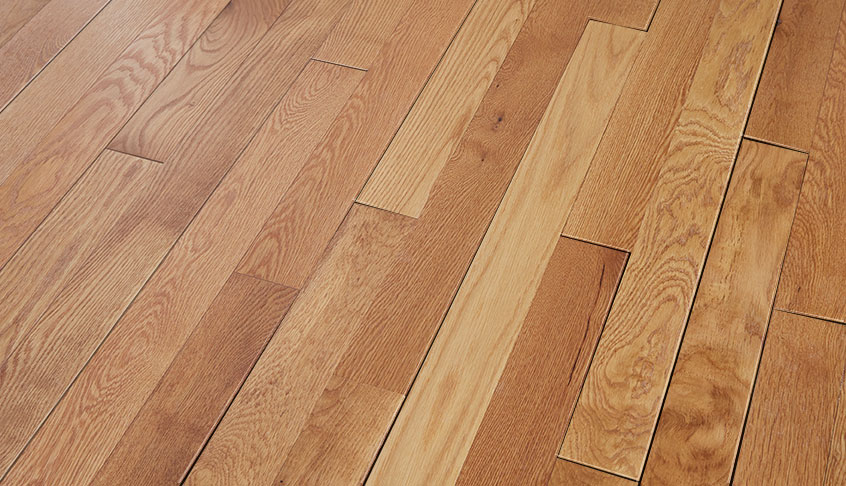
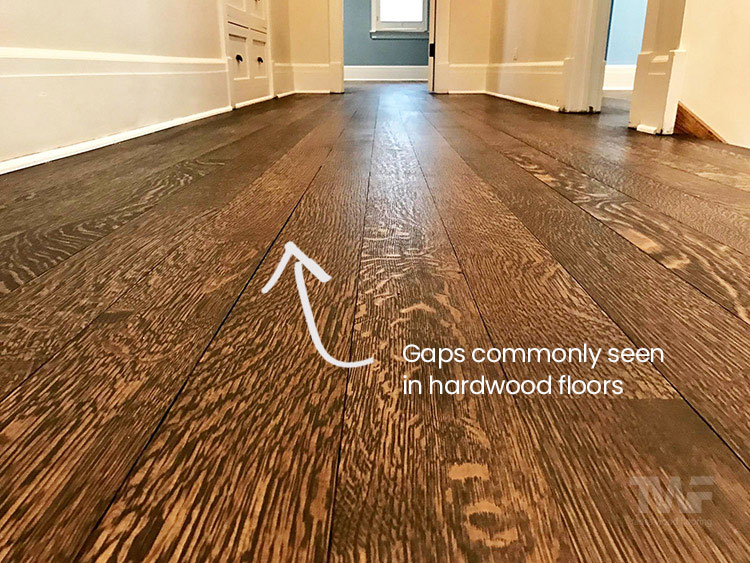
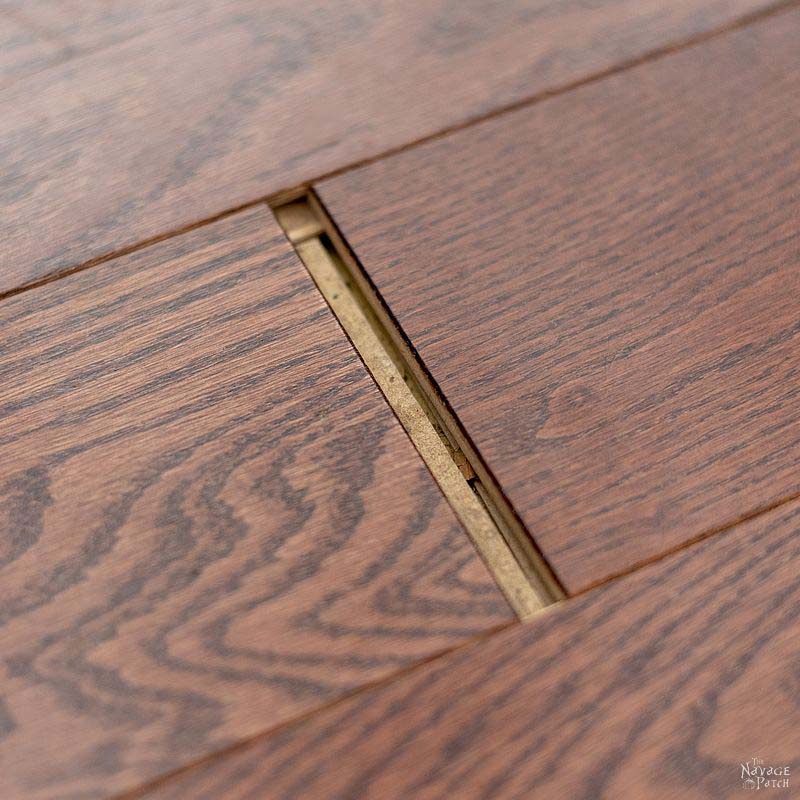
Hardwood floor gaps can be a common problem for many homeowners. These gaps appear as spaces between the wooden planks. Understanding the causes helps in preventing and fixing them. Several factors contribute to these gaps, mainly related to the wood’s natural behavior and installation issues.
Seasonal Moisture Changes
Wood is sensitive to moisture. In dry seasons, wood loses moisture and shrinks. This shrinkage causes gaps between floorboards. During wet seasons, wood absorbs moisture and expands. This natural change creates visible spaces over time.
Improper Installation
Incorrect installation often leads to gaps. If planks are not tightly placed, gaps may form quickly. Lack of proper spacing for expansion can cause boards to pull apart. Skilled installation is key to avoid these problems.
Natural Wood Expansion And Contraction
Wood expands and contracts naturally with temperature changes. This movement creates stress on joints between boards. Over time, the wood adjusts, leading to small gaps. This process is normal and expected in hardwood floors.
Humidity Levels Impact
Humidity plays a big role in floor gaps. High humidity makes wood swell. Low humidity causes wood to shrink. Maintaining stable indoor humidity helps reduce gap formation. Use humidifiers or dehumidifiers as needed.
Tools And Materials Needed
Fixing gaps in hardwood floors needs the right tools and materials. Preparing well helps the repair last longer and look better. Gather everything before starting. This saves time and avoids mistakes.
Basic Repair Tools
Start with a putty knife to apply filler smoothly. A vacuum or broom cleans dust and debris from gaps. Use a small brush to remove loose dirt inside cracks. A utility knife trims excess filler or old material. Sandpaper helps smooth the surface after filling.
Filler Options
Wood filler is common for small to medium gaps. Choose a color close to your floor for a natural look. For wider gaps, use wood strips or rope filler. These materials fit tightly and prevent movement. Some fillers dry quickly, while others need more time. Read instructions before buying.
Safety Equipment
Wear gloves to protect your hands from chemicals and splinters. Use a mask to avoid inhaling dust during sanding. Safety glasses shield your eyes from flying particles. Work in a well-ventilated area to reduce fumes. Safety first keeps the repair process smooth and safe.
Quick Diy Gap Fixes
Hardwood flooring gaps can be annoying and let cold air in. Fixing these gaps quickly can save your floor and improve comfort. Some simple methods work well for small to medium gaps. These fixes require just a few tools and materials. You can do them yourself without hiring a professional.
Using Wood Filler Or Putty
Wood filler or putty is ideal for narrow gaps. Choose a color that matches your floor. Apply the filler with a putty knife, pressing it into the gaps. Smooth the surface and remove extra filler. Let it dry fully before walking on it. This method hides gaps and blends well with the wood.
Applying Rope Or Wood Slivers
Rope or wood slivers fill wider gaps effectively. Choose a rope made for flooring or thin wood strips. Cut the material slightly longer than the gap length. Press it firmly into the gap with a putty knife. Trim excess material flush with the floor surface. This creates a neat, natural look and reduces drafts.
Caulking For Small Gaps
Caulking works best for tiny cracks and gaps. Use paintable latex caulk that matches your floor tone. Apply a thin bead along the gap using a caulking gun. Smooth it with a wet finger or tool to blend in. Allow the caulk to dry completely. This seals the gap and stops dirt buildup.
Credit: napervillehardwood.com
Advanced Repair Techniques
Hardwood flooring gaps can affect the look and feel of your home. Advanced repair techniques fix these gaps effectively. These methods go beyond simple filling. They restore the floor’s beauty and strength. Let’s explore some key ways to repair hardwood flooring gaps.
Refinishing And Sanding
Refinishing and sanding smooth the floor surface. This process removes old finishes and minor scratches. It also helps reduce small gaps. Sanding evens out the wood planks. After sanding, new finish coats protect the floor. This method improves the floor’s appearance and durability. It works best for floors with small to medium gaps.
Replacing Damaged Planks
Some gaps form because of damaged planks. Replacing these planks fixes large gaps quickly. The old plank is removed carefully. A new plank is cut to fit perfectly. This process requires precision to match the floor’s color and grain. Replacing planks restores the floor’s uniform look. It also strengthens the flooring structure.
Professional Gap Repair Methods
Professionals use special techniques to repair gaps. They may use wood fillers or flexible sealants. These materials fill gaps without cracking or shrinking. Experts also adjust humidity and temperature during repair. This prevents future gaps from forming. Professional repair ensures a long-lasting, smooth floor surface. It is ideal for floors with wide or irregular gaps.
Preventing Future Gaps
Preventing future gaps in hardwood flooring helps keep your floors beautiful and strong. Gaps can appear from changes in moisture or temperature. Taking steps to control these factors can protect your floors for years. Simple habits and smart choices make a big difference.
Maintaining Proper Humidity
Wood expands and contracts with moisture changes. Keeping indoor humidity between 30% and 50% stops wood from shrinking or swelling. Use a humidifier in dry months and a dehumidifier in wet seasons. This balance helps prevent gaps from forming in your hardwood floors.
Routine Floor Maintenance
Regular cleaning removes dirt that can damage wood surfaces. Avoid wet mops that add excess moisture. Wipe up spills quickly to stop water damage. Check for small gaps early and fill them with wood filler. This care keeps floors tight and gap-free longer.
Choosing The Right Wood Type
Some woods handle moisture changes better than others. Engineered wood is more stable than solid wood. Hardwoods like oak and maple resist shrinking and swelling. Select wood types that suit your home’s climate to reduce gap risks and increase floor durability.
Credit: www.thenavagepatch.com
Frequently Asked Questions
What Causes Gaps In Hardwood Flooring?
Gaps in hardwood flooring often appear due to changes in humidity. Wood expands when humid and shrinks when dry. Poor installation can also lead to gaps.
How Can I Fix Gaps In Hardwood Floors?
Small gaps can be filled with wood filler or putty. For larger gaps, consider adding wood strips or sanding the floor. Always match the filler color to the wood.
Are Hardwood Floor Gaps Harmful To My Home?
Gaps can let dirt and moisture enter, which may damage the floor. They can also make the floor look old and worn. Fixing gaps helps keep floors healthy and attractive.
Can I Prevent Gaps In Hardwood Flooring?
Maintaining stable indoor humidity helps prevent gaps. Use a humidifier in winter and a dehumidifier in summer. Proper installation also reduces the chance of gaps forming.
Conclusion
Gaps in hardwood floors can cause worries but are often normal. Wood expands and shrinks with changes in weather. Small gaps may close over time as humidity returns. Regular cleaning and proper care help keep floors healthy. For large or persistent gaps, seek advice from a flooring expert.
Understanding hardwood behavior helps you manage your floors better. A well-maintained floor stays beautiful and lasts longer. Simple steps make a big difference in floor care. Keep an eye on changes and act early when needed. Hardwood flooring gaps don’t have to be a big problem.