Are you noticing gaps or separations between the boards of your hardwood floor? These small spaces can catch your eye and even cause worry about the condition of your flooring.
Understanding why hardwood floor separation happens and how to fix it can save you time, money, and stress. You’ll discover simple explanations and practical tips to keep your floors looking smooth and beautiful. Keep reading to learn how to protect your investment and enjoy a flawless hardwood floor for years to come.
Credit: woodyshardwoodflooring.com
Common Causes Of Floor Separation
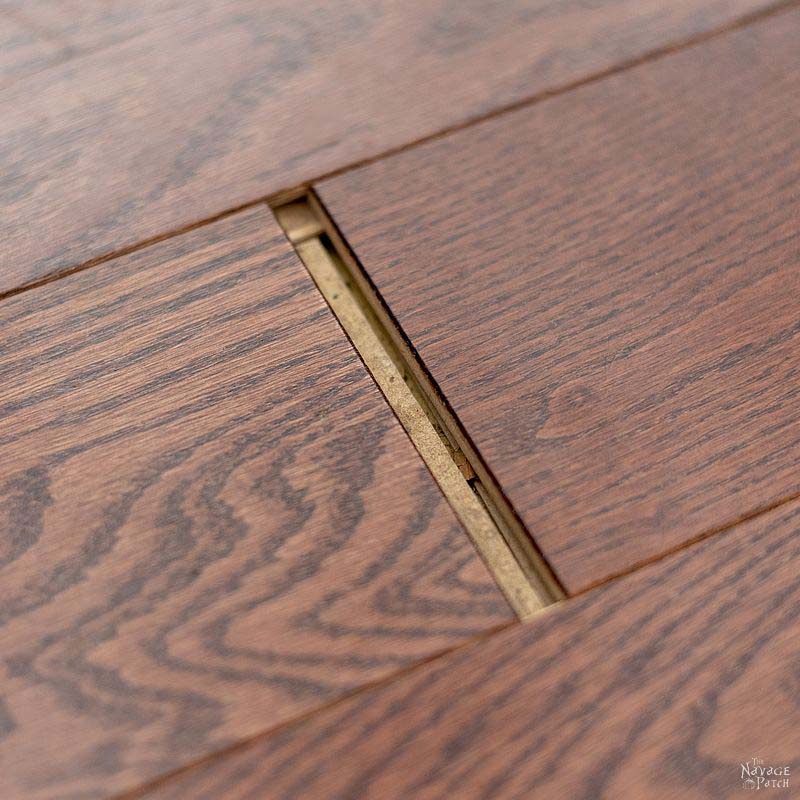
Hardwood floor separation happens when gaps appear between the boards. These gaps can be small or wide and often spoil the floor’s look. Understanding the common causes helps you prevent or fix this issue quickly. Several factors contribute to floor separation, mostly related to the wood and how it reacts to its environment.
Effects Of Humidity Changes
Wood absorbs moisture from the air. When humidity rises, wood expands and pushes boards closer. When the air is dry, wood loses moisture and shrinks. This shrinking causes gaps between the boards. Large swings in humidity make the gaps bigger and more noticeable. Proper humidity control helps reduce these changes.
Improper Installation Issues
Incorrect installation can cause floor separation. If boards are not fitted tightly, gaps form over time. Too little space for wood to expand also causes problems. Nails or glue that do not hold well allow movement. Professional installation reduces the chance of gaps appearing.
Wood Shrinkage Over Time
Wood naturally shrinks as it ages. Drying out after installation causes the boards to pull apart. This process is slow but steady. Older floors may show more gaps due to shrinkage. Regular maintenance can slow down this effect.
Structural Movement Factors
Floors rest on the house’s structure. If the foundation moves or settles, floors shift too. This movement can separate boards and create gaps. Heavy traffic or furniture can worsen the problem. Checking the home’s structure helps avoid floor issues.
Credit: www.thenavagepatch.com
Identifying Types Of Gaps
Hardwood floors add warmth and beauty to any home. Over time, small gaps may appear between the boards. These gaps can have different causes and meanings. Identifying the type of gap helps decide if action is needed. Understanding the gaps keeps your floor looking great and lasting longer.
Seasonal Expansion Gaps
Wood expands and contracts with changes in temperature and humidity. In winter, wood shrinks, causing small gaps to appear. These gaps often close up during warmer, more humid months. Seasonal gaps are normal and not a sign of damage. They help prevent the wood from buckling or warping.
Permanent Separation Signs
Permanent gaps do not close over time. They may indicate problems like poor installation or water damage. Look for wide gaps that stay open through all seasons. Cracks in the wood or uneven boards also signal permanent issues. These gaps often need professional repair to avoid further damage.
Minor Vs Major Board Gaps
Minor gaps are usually less than 1/8 inch wide and often caused by natural wood movement. They are common and generally harmless. Major gaps are wider and more noticeable. Large gaps can trap dirt and moisture, leading to floor damage. Regular checks help spot major gaps early to protect your floor.
Diy Fixes For Small Gaps
Small gaps between hardwood floor boards can be annoying. They let dirt and dust settle in. Fixing these gaps yourself saves money and keeps your floor looking neat. Several easy methods work well for minor separation. Choose one that fits your skill and the size of the gap.
Using Wood Filler
Wood filler is a common fix for small gaps. It comes in colors that match wood tones. Clean the gap before applying. Use a putty knife to press the filler into the space. Smooth the surface and let it dry fully. Sand lightly for a smooth finish. This method fills gaps and hides separation.
Applying Floor Sealants
Floor sealants protect and fill gaps at once. They come in clear or tinted options. Apply sealant with a brush or squeeze tube. Push it into the gap and wipe off excess. Sealants prevent moisture from entering gaps. They keep floors stronger and cleaner over time.
Inserting Wood Slivers
Wood slivers are thin strips cut to fit gaps. Choose a wood type similar to your floor. Cut slivers slightly larger than the gap. Tap them gently into the space using a hammer. Trim any extra wood with a knife. Sand and finish to blend with the floor. This method offers a natural, sturdy fix.
Professional Repair Techniques
Hardwood floor separation between boards is a common issue. It happens due to changes in temperature and moisture. Professional repair techniques fix these gaps effectively. Skilled technicians use methods that restore the floor’s beauty and strength. This helps maintain the floor’s value and appearance.
Board Replacement Options
Replacing damaged or warped boards is a direct solution. Experts remove the affected boards carefully. Then, they install new boards that match the existing floor. This method keeps the floor even and stable. It also prevents further separation between boards.
Refinishing And Sanding
Refinishing and sanding smooth out uneven boards. This process removes surface damage and small gaps. Professionals sand the floor to create a flat surface. After sanding, they apply a new finish. This protects the wood and enhances its look.
Humidity Control Solutions
Controlling indoor humidity prevents floor separation. Experts recommend using humidifiers or dehumidifiers. Keeping humidity levels steady stops boards from shrinking or swelling. Proper ventilation also helps maintain ideal moisture levels. This reduces the chance of future gaps forming.
Preventing Future Separation
Hardwood floor separation happens when boards shrink or move apart. Preventing this problem keeps floors looking smooth and tight. Small gaps can turn into bigger issues if not managed early. Controlling the environment and care of your floors helps avoid future separation.
Maintaining Proper Humidity Levels
Wood expands and contracts with moisture. Too dry air causes boards to shrink and separate. Keep indoor humidity between 35% and 55%. Use a humidifier in dry seasons and a dehumidifier in wet months. Monitor humidity regularly to protect your floors.
Choosing Quality Materials
Select hardwood with stable wood species. Some woods resist shrinking better than others. Engineered hardwood is often more stable than solid wood. Buy from trusted suppliers who ensure quality and proper drying. Good materials reduce the risk of separation.
Correct Installation Practices
Leave space around the room edges for wood to expand. Use the right fasteners and adhesives for your floor type. Follow manufacturer guidelines closely during installation. Proper installation allows boards to move naturally without damage.
Regular Floor Maintenance Tips
Clean floors with products made for hardwood only. Avoid excess water during cleaning to prevent wood swelling. Check for signs of separation regularly. Address small gaps quickly to stop them from growing. Routine care keeps floors strong and tight.
Credit: woodyshardwoodflooring.com
Frequently Asked Questions
Why Do Hardwood Floor Boards Separate Over Time?
Wood naturally expands and shrinks with changes in humidity. This causes gaps or separation between boards. Seasonal weather shifts make this more visible.
How Can I Fix Gaps Between Hardwood Floor Boards?
Small gaps can be filled with wood filler or putty matching your floor color. For larger gaps, professional sanding and refinishing might be needed. Regular cleaning helps prevent dirt buildup in gaps.
Does Hardwood Floor Separation Affect Home Value?
Visible gaps can lower the appearance and value of your home. Well-maintained floors show care and keep the house looking nice. Fixing gaps improves both comfort and resale appeal.
How To Prevent Hardwood Floor Boards From Separating?
Maintain steady humidity levels using humidifiers or dehumidifiers. Avoid letting floors get too dry or wet. Regular cleaning and quick spill cleanup protect the wood from damage.
Conclusion
Hardwood floor separation between boards can cause discomfort and damage. Regular cleaning and proper humidity control help reduce gaps. Small gaps may close naturally as seasons change. Larger separations need professional repair to prevent further issues. Timely care keeps floors strong and beautiful for years.
Pay attention to your floors to maintain their quality. Simple steps can protect your investment and home comfort. Don’t ignore signs of separation; act early for best results. Hardwood floors add warmth and charm to any space. Keep them looking great with good maintenance habits.