Are creaky floors making your home feel less cozy? That annoying squeak every time you step on your wood floor can drive anyone crazy.
But here’s the good news: you don’t have to live with it or call expensive professionals right away. You can fix those squeaky wood floors yourself, saving money and bringing peace back to your space. Keep reading, and you’ll discover simple, effective tricks that anyone can do to silence those squeaks for good.
Your home deserves that quiet comfort—and it’s easier to achieve than you think.
Causes Of Squeaky Floors
Squeaky wood floors can be annoying and distracting. Knowing why floors squeak helps fix the problem faster. Many causes can create those creaks underfoot. Understanding these causes is the first step.
Loose Floorboards
Loose floorboards are a common cause of squeaks. When boards move slightly against each other, they create noise. Nails or glue may no longer hold boards tight. Walking on these loose boards causes rubbing and squeaking sounds.
Subfloor Issues
The subfloor is the layer beneath the wood floors. If it is damaged or warped, squeaks can happen. Gaps between the subfloor and floorboards cause movement. This movement creates friction and results in squeaky floors.
Humidity And Temperature Effects
Wood expands and contracts with humidity changes. High humidity makes wood swell, while dry air shrinks it. These changes cause floorboards to rub against each other. Temperature shifts also affect the wood, leading to more squeaks.
Tools And Materials Needed
Fixing squeaky wood floors requires the right tools and materials. Using proper items makes the repair easier and more effective. Gather everything before starting. This saves time and reduces mistakes.
Basic Tools
Start with a hammer and nails. These help secure loose boards. A screwdriver is useful for removing or tightening screws. A pry bar can lift floorboards gently. A tape measure ensures accurate placement. A flashlight helps see under floorboards or in dark areas.
Specialty Products
Wood shims fill gaps under loose boards. Wood glue strengthens joints and stops movement. Squeak repair kits include screws and special fasteners. Powdered graphite can reduce friction and noise. Wood filler fixes small cracks or holes in the floor.
Safety Gear
Wear safety glasses to protect your eyes from dust and debris. Gloves prevent splinters and improve grip. A dust mask keeps you from breathing sawdust. Knee pads protect your knees during floor work. Proper safety gear prevents injuries during repairs.
Quick Fixes For Minor Squeaks
Squeaky wood floors can be annoying, but small noises often have simple fixes. Quick repairs stop the creaks without big work or cost. These easy methods help keep floors quiet and smooth.
Using Talcum Powder Or Graphite
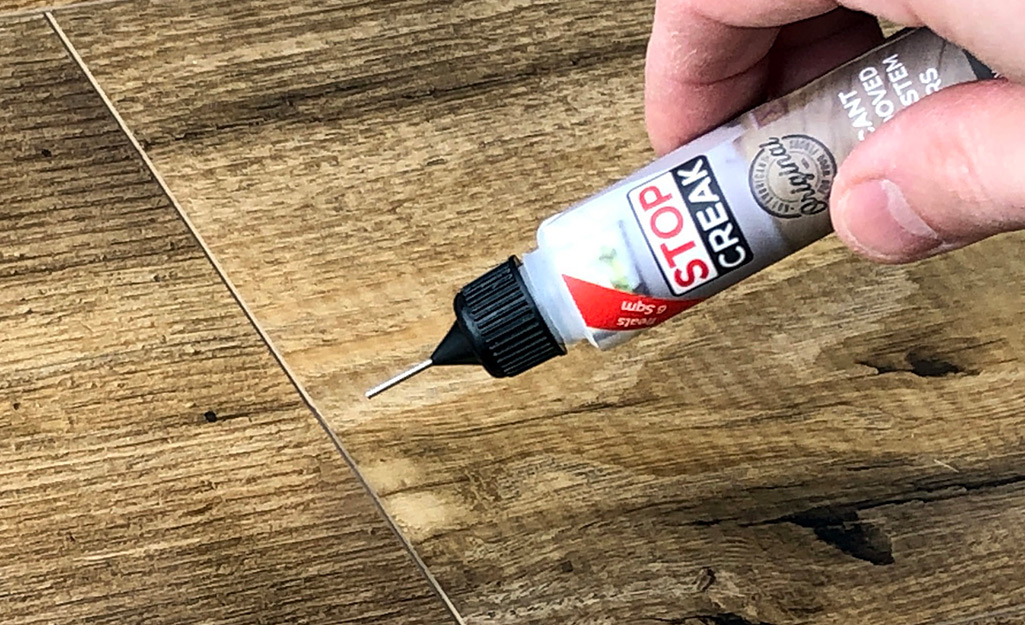
Sprinkle talcum powder or graphite between floorboards. These powders reduce friction that causes squeaks. Work the powder into gaps with a soft brush. Walk on the floor to spread it evenly. This fix is quick, clean, and mess-free.
Nailing Or Screwing Loose Boards
Loose floorboards often cause squeaks. Secure them with nails or screws. Choose finishing nails or wood screws for best hold. Drive them into joists under the floor for strong support. Countersink nails slightly and cover holes with wood filler. This method tightens the floor and stops noise fast.
Applying Wood Glue
Wood glue can bond loose boards to joists. Lift the board slightly and inject glue underneath. Press the board down firmly and wipe off excess glue. Use clamps or weights to hold the board in place while drying. This repair strengthens weak spots and reduces squeaks effectively.
Credit: blog.atlantafinehomes.com
Advanced Repairs For Persistent Noises
Sometimes, simple fixes do not stop squeaky wood floors. Persistent noises need stronger repairs. Advanced repairs target the root cause under the floor. These steps help make your floors quiet and sturdy again. Let’s explore key methods to fix tough squeaks.
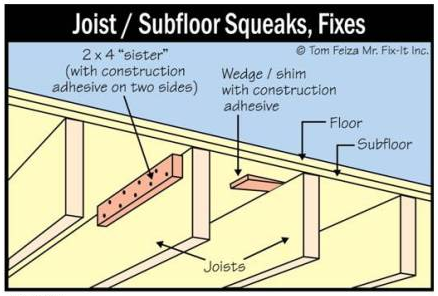
Shimming The Subfloor
Squeaks often come from gaps between the subfloor and joists. Shimming fills these gaps to stop movement. Insert thin wood or composite shims into spaces. This creates a tighter fit and reduces noise. Shimming is a low-cost way to add support under the floor.
Replacing Damaged Boards
Cracked or worn boards cause creaks and squeaks. Remove damaged boards carefully. Cut new boards to fit the same size. Secure the new boards firmly with nails or screws. This restores strength and stops the floor from shifting. Replacing boards improves the floor’s look and function.
Securing Joists
Loose joists allow the floor to move and squeak. Tighten joists by adding screws or bolts. This pulls the wood together firmly. If joists are weak or broken, replace or reinforce them. Strong joists are key to a quiet, stable floor. Secure joists keep your floors safe for years.
Preventing Future Squeaks
Stopping squeaky wood floors before they start saves time and money. Small steps help keep floors quiet and strong. This section explains how to avoid future squeaks with easy habits and smart choices.
Maintaining Proper Humidity
Wood expands and shrinks with moisture changes. Keep indoor humidity between 30% and 50% to reduce movement. Use a humidifier in dry months and a dehumidifier in wet seasons. Stable humidity stops wood from rubbing and creaking.
Regular Floor Inspections
Check floors often for loose boards or nails. Tighten or fix any parts that feel loose. Early repairs prevent bigger squeaks later. Walk on floors and listen closely for new noises. Fixing problems early keeps your floor quiet.
Choosing Quality Materials
Good wood and fasteners last longer and stay tight. Pick hardwood with stable grains to reduce shifting. Use screws instead of nails for stronger hold. Better materials mean fewer gaps and less chance of squeaks.
Credit: centrerest.com
When To Call A Professional
Squeaky wood floors can be annoying and hard to fix alone. Some problems need expert help. Knowing when to call a professional saves time and avoids damage.
Minor squeaks might be easy to fix with simple tools. But big issues need skills and special tools. A pro can find hidden problems fast.
Signs Of Structural Damage
Cracks, loose boards, or uneven floors show deeper damage. These problems affect safety and need expert repair. Professionals know how to fix these issues correctly.
Persistent Squeaks After Diy Fixes
Trying to fix squeaks yourself is good. Still, if noises stay, it means the problem is complex. Experts have experience and tools to stop the noise for good.
Large Areas Affected
If many floorboards squeak, the problem is bigger. Fixing large areas takes time and skill. Professionals can handle big jobs with care and speed.
Unknown Floor Construction
Older homes or unique floor types can be tricky. Knowing the floor’s build helps avoid damage. Experts understand different floors and use the right methods.
Time And Tool Limitations
Fixing squeaky floors can take hours and special tools. No time or tools? Call a pro. They work fast and come prepared.

Credit: www.youtube.com
Frequently Asked Questions
Why Do Wood Floors Start Squeaking Over Time?
Wood floors squeak due to loose boards or nails. Changes in temperature and humidity can also cause movement. This makes the wood rub and create noise.
How Can I Fix Squeaky Wood Floors Myself?
Identify the squeaky spots by walking on the floor. Use screws or nails to tighten loose boards. Sprinkle talcum powder to reduce friction between floorboards.
What Tools Are Needed To Repair Squeaky Wood Floors?
You need a drill or screwdriver, screws or nails, and talcum powder. A pry bar can help lift floorboards gently. Also, wood glue might be useful for some repairs.
When Should I Call A Professional For Squeaky Floors?
Call a pro if squeaks continue after simple fixes. Also, if the floor feels weak or damaged, get expert help. Complex floor systems need special tools and skills.
Conclusion
Fixing squeaky wood floors can make your home feel quieter and more comfortable. Small steps, like tightening screws or adding powder, often solve the problem. A little effort saves you from annoying noises every day. Keep your floors strong and silent by acting early.
Enjoy the peaceful sound of smooth, steady floors again. Simple fixes bring big relief. Don’t let squeaks disturb your peace. Try these tips and feel the difference under your feet.