Is your laminate floor looking uneven or wavy? Warped laminate can be frustrating and can ruin the look of your entire room.
But don’t worry—you don’t have to live with it or call a costly professional right away. You can fix warped laminate floors yourself with some simple steps. Keep reading to discover easy, practical solutions that will bring your floor back to life and make your space feel smooth and beautiful again.
Your home deserves that fresh, flawless finish!
Identify Warped Laminate Signs
Identifying warped laminate signs early can save your floor from serious damage. Warping changes the floor’s look and feel. It can also cause safety issues. Recognizing these signs helps you act fast and fix the problem before it worsens.
Common Warping Causes
Water damage is the main cause of warped laminate floors. Spills, leaks, or high humidity can soak into the boards. Poor installation may let water seep under the floor. Heat from sunlight or heaters can also bend the laminate. Heavy furniture or constant pressure can cause dents and warping. Sometimes, the floor materials expand and contract with temperature changes, leading to warps.
Visual And Tactile Indicators
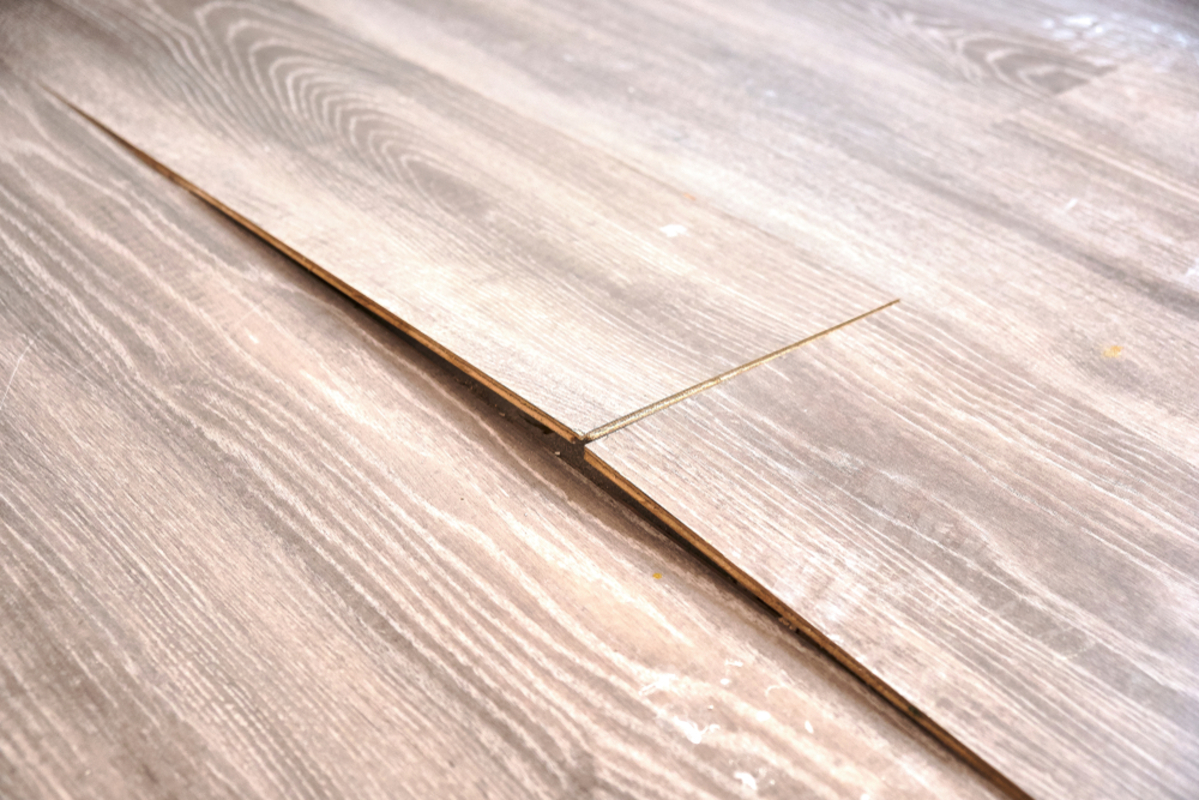
Look for gaps or cracks between the laminate planks. These often mean the boards have shifted or swollen. The floor may bulge or have raised edges you can see. You might notice uneven or wavy spots on the surface. Touch the floor to feel any bumps or soft areas. Squeaking sounds when you walk can signal loose or warped boards. These signs mean your laminate needs attention soon.

Credit: www.reddit.com
Prepare The Work Area
Preparing the work area is the first step to fix warped laminate floors. A clean, organized space helps you work safely and efficiently. Clearing the room and gathering tools saves time and reduces stress. Follow these steps to get ready.
Clear Furniture And Items
Remove all furniture from the room. Move rugs, decorations, and small items too. This gives you full access to the floor. It also prevents damage to your belongings. A clear space helps spot all warped areas easily.
Gather Essential Tools
Collect the tools needed for the repair. Common tools include a pry bar, hammer, and putty knife. You may need wood glue and clamps as well. Having everything ready keeps the work smooth. Check tools for damage before starting the repair.
Control Room Environment
Controlling the room environment is key to fixing warped laminate floors. Warping often happens because of changes in air moisture and temperature. Keeping the room stable helps the floor return to its original shape. Small steps in managing the room can stop further damage and keep the floor smooth.
Manage Humidity Levels
Humidity is one of the main causes of warped floors. Too much moisture makes laminate swell and bend. Use a dehumidifier to lower the moisture in the air. Aim for humidity between 30% and 50%. Check levels with a simple hygrometer. Keep this balance to prevent the floor from warping again.
Ensure Proper Ventilation
Good airflow helps keep the room dry. Open windows or use fans to move air inside. Avoid closed spaces where moisture can build up. Ventilation also helps dry the floor faster if it gets wet. Make sure vents and air ducts are clean and working well. This keeps air fresh and stops moisture from causing harm.
Credit: bcfloors.ca
Remove Affected Planks
Removing warped laminate planks is a key step to fix your floor. This process stops damage from spreading. It also prepares the floor for smooth, new planks. Handle each piece carefully to avoid more harm. Follow a clear method to remove the planks safely.
Unlocking Laminate Boards
Start by finding the seam where planks connect. Use a flat tool to gently lift the edge. Work slowly along the board to release the locking system. Avoid forcing the plank out to prevent cracking. Keep the tool flat to protect the floor underneath.
Once the plank loosens, slide it out carefully. If the board is glued, use heat to soften the glue. A heat gun or hairdryer works well for this. Heat the plank evenly to avoid warping it further.
Handling Damaged Pieces
Check each removed plank for damage signs. Look for warping, cracks, or swelling. Dispose of planks that are too damaged to reuse. Clean the floor area before fitting new boards. Remove old glue and dirt for a smooth surface.
Store any reusable planks flat and dry. Keep them away from moisture and heat. This prevents new warping before installation. Proper handling ensures your floor stays level and strong.
Dry And Flatten Warped Boards
Warped laminate boards lose their flat shape due to moisture. Drying and flattening them helps restore their original form. This process can save your floor without full replacement. It takes patience and the right approach.
Start by removing excess moisture from the warped boards. Then, use gentle pressure and warmth to guide them back to flatness. This method works best on small, slightly warped sections.
Use Weights And Heat
Place a flat board over the warped laminate. Add weights on top to apply steady pressure. Use books, bricks, or heavy objects as weights. Next, apply gentle heat using a hairdryer or heat gun. Keep heat moving to avoid damage. Warmth softens the laminate, making it more flexible under pressure.
Allow Adequate Drying Time
Keep the weighted board in place for several hours. This time allows moisture to evaporate and the laminate to set flat. Avoid rushing the process or removing weights too soon. Check progress periodically, but be patient. Proper drying ensures lasting results.
Replace Or Repair Boards
Warped laminate floors can cause uneven surfaces and damage the look of your room. Fixing this issue often means choosing between repairing or replacing boards. Both options have their place, depending on the damage’s extent and cause. Understanding these choices helps you restore your floor effectively and affordably.
Reinstall Flattened Planks
Sometimes, warped planks can be flattened and reinstalled. This method works well if the boards are only slightly bent. Remove the affected planks carefully to avoid further damage. Let them dry in a flat position for a day or two. After drying, reinstall the planks tightly to prevent gaps. This approach saves money and keeps your original flooring intact.
When To Use Replacement Boards
Replace boards if warping is severe or boards are cracked. Deep water damage often requires new boards to stop future problems. Also, replace boards if they no longer fit well with surrounding planks. New boards restore the floor’s smooth look and ensure stability. Always match replacement boards closely to your existing flooring for a seamless finish.
Prevent Future Warping
Preventing future warping is key to keeping your laminate floor looking great. Warping happens when the floor absorbs too much moisture or faces uneven humidity. Taking steps to control the environment around your floor helps it stay flat and strong. Small changes in your home can stop warping before it starts.
Maintain Stable Humidity
Keep your home’s humidity between 30% and 50%. Use a humidifier or dehumidifier to control moisture in the air. Sudden changes in humidity can cause laminate to expand or shrink. This makes the floor warp or buckle. Monitor humidity regularly, especially in winter and summer months.
Avoid Water Exposure
Water is the main enemy of laminate floors. Wipe spills immediately to stop water from seeping into seams. Use mats near sinks and entrances to catch water and dirt. Avoid wet mopping; use a damp mop instead. Standing water causes the floor to swell and warp quickly.

Credit: www.youtube.com
Tips For Laminate Floor Care
Taking care of laminate floors helps keep them strong and looking good. Proper care stops warping and other damage. Simple daily habits make a big difference. Follow easy tips to protect your floors and extend their life.
Regular Cleaning Practices
Sweep floors often to remove dust and dirt. Use a soft broom or vacuum with a hard floor setting. Clean spills quickly to avoid stains and water damage. Mop floors with a damp cloth or mop. Avoid soaking floors with water. Use cleaners made for laminate floors only. Harsh chemicals can damage the surface.
Protective Measures Against Damage
Place mats at entrances to catch dirt and moisture. Use felt pads under furniture legs to stop scratches. Lift furniture instead of dragging it across floors. Keep pet nails trimmed to prevent scratches. Avoid walking on floors with high heels or cleats. Control indoor humidity to prevent floor warping. Use a humidifier or dehumidifier as needed.
Frequently Asked Questions
What Causes Laminate Floors To Warp Or Buckle?
Warping often happens due to moisture under or on the laminate. Water spills, high humidity, or leaks can cause the boards to swell and lift.
How Can I Fix Small Warps In Laminate Flooring?
For small warps, try drying the floor well and using weights to flatten boards. Sometimes, applying gentle heat with a hairdryer helps the boards settle back.
Can Warped Laminate Floors Be Repaired Without Replacing?
Yes, minor warps can be fixed by drying and pressing the boards. Severe damage may need board replacement to avoid further problems.
How To Prevent Laminate Floors From Warping In Future?
Keep floors dry and clean spills quickly to avoid moisture buildup. Use a dehumidifier in humid rooms and place mats at entrances to reduce water exposure.
Final Words
Warped laminate floors can cause many problems in your home. Fixing them early stops damage from getting worse. Small warps often need simple repairs or replacement of boards. Keep your floors dry and clean to prevent warping. Use the right tools and follow clear steps for best results.
Regular care helps your floor stay smooth and strong. Taking action now saves time and money later. A neat, even floor improves your room’s look and feel.