Are you looking to create a smooth, stylish connection between rooms with laminate flooring? The doorway transition for laminate floor is more than just a finishing touch—it can make your space look polished and protect your floors from damage.
But choosing the right transition can be tricky. You’ll discover simple tips and expert advice to help you pick and install the perfect doorway transition. Keep reading to transform your floors and give your home a clean, professional look that lasts.
Choosing The Right Transition
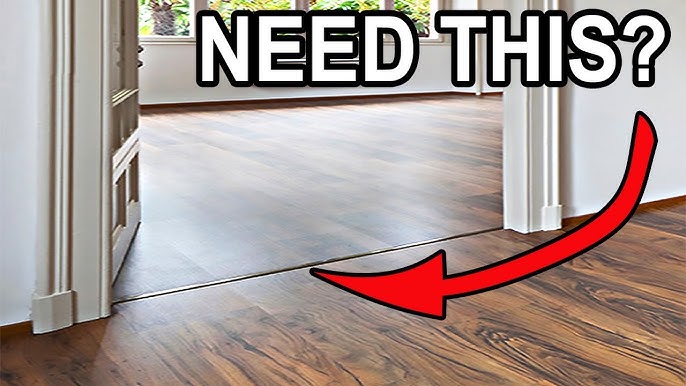
Choosing the right doorway transition for laminate flooring is important. It connects different floor areas smoothly. A good transition improves the look of your floors. It also prevents tripping and protects edges from damage. Picking the correct type depends on your floor height and style.
Types Of Doorway Transitions
There are several types of doorway transitions. T-molding fits between floors of equal height. It creates a clean line between rooms. Reducer strips work when one floor is lower. They slope down gently to the lower floor. Thresholds cover gaps and provide a solid border. They work well for doorways with different floor types.
Matching Materials And Colors
Choose transitions that match your laminate floor color. Wood-look transitions blend well with laminate floors. Metal or rubber transitions suit modern or commercial spaces. Matching materials create a smooth flow between rooms. Different colors or materials can highlight the doorway.
Considering Floor Height Differences
Measure the height difference between floors carefully. Larger gaps need reducer strips or thresholds. Small height differences can use T-molding. Proper fitting avoids tripping hazards and damage. The right transition keeps your floors safe and neat.
Tools And Materials Needed
Installing a doorway transition for laminate floors requires specific tools and materials. Having the right items makes the job easier and ensures a neat finish. This section lists everything you need to prepare before starting.
Essential Tools List
- Measuring tape for accurate length
- Utility knife to trim laminate edges
- Hammer for securing nails or fasteners
- Drill with screwdriver bits for screws
- Rubber mallet to tap transition strips gently
- Level to check evenness
- Safety glasses to protect your eyes
Selecting Quality Transition Strips
Choose transition strips that match your laminate floor color. They come in wood, metal, or vinyl materials. Pick one durable and easy to install. Check the width to fit your doorway perfectly. A good strip hides gaps and creates a smooth surface.
Preparation Supplies
- Cleaning cloth to remove dust and debris
- Wood glue or adhesive for extra hold
- Sandpaper to smooth rough edges
- Masking tape to protect floor edges
- Caulk or filler to seal gaps if needed
Preparation Before Installation
Preparing for a doorway transition in laminate flooring is key to a smooth install. Taking time before starting helps avoid problems later. Proper preparation ensures the transition fits well and looks great. Follow these simple steps to get ready.
Measuring The Doorway
Measure the width of the doorway carefully. Use a tape measure and note the exact size. Double-check the measurement for accuracy. This helps you pick the right transition strip length. Accurate measuring prevents gaps and uneven edges.
Cleaning And Clearing The Area
Clear the doorway area of all furniture and debris. Sweep or vacuum to remove dust and dirt. A clean surface helps the transition strip stick better. It also stops dirt from causing bumps under the strip.
Checking Subfloor Conditions
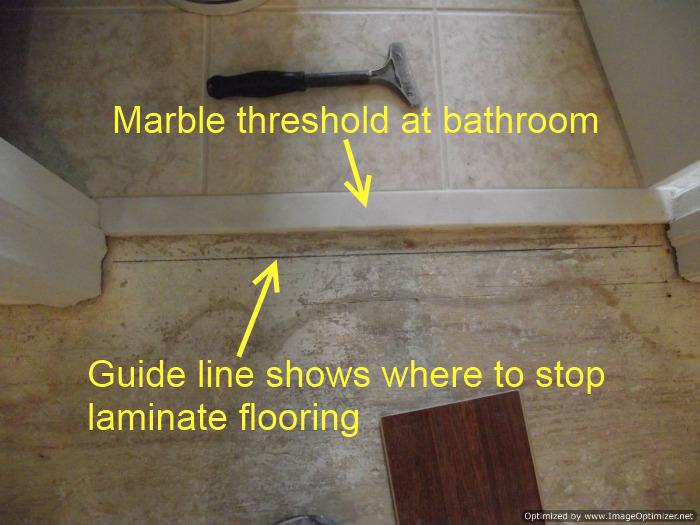
Look at the subfloor under the laminate. It should be dry, flat, and solid. Fix any uneven spots or damage before installing. A smooth subfloor prevents the transition strip from rocking or cracking. Good conditions extend the life of your flooring.
Credit: www.youtube.com
Step-by-step Installation Guide
Installing a doorway transition for laminate flooring is simple with the right steps. This guide breaks down the process into clear parts. Follow each step carefully for a neat finish. You will need basic tools and materials. Take your time to measure and cut accurately.
Cutting The Transition Strip
Start by measuring the doorway width. Use a tape measure for accuracy. Mark the transition strip with a pencil. Cut the strip with a saw or a strong cutter. Make sure the cut is straight and clean. Smooth any rough edges with sandpaper. Proper cutting ensures a perfect fit.
Securing The Strip In Place
Place the cut strip over the doorway gap. Check alignment with the laminate floor edges. Use screws or adhesive to fix the strip. If using screws, drill pilot holes first. Tighten screws until the strip is secure but not cracked. For adhesive, press the strip firmly and wait to dry. Secure fixing prevents movement and damage.
Finishing Touches For A Clean Look
Check the transition strip for gaps or uneven spots. Fill small gaps with matching wood filler or caulk. Wipe off excess filler immediately with a damp cloth. Clean the strip and floor surface for dust and debris. This step improves the appearance and durability. A clean finish gives your floor a professional look.
Common Installation Challenges
Installing a doorway transition for laminate floors can be tricky. Many challenges arise that affect the final look and function. Understanding common problems helps prepare for a smooth installation process.
Uneven floors, gaps, and door clearance are some typical issues. These problems can cause the transition to look awkward or even fail over time. Addressing each one carefully improves durability and appearance.
Dealing With Uneven Floors
Uneven floors make it hard to lay a flat transition strip. If one side is higher, the strip may rock or leave gaps. Use a leveling compound or shims to even the surface first. This creates a stable base for the transition piece.
Fixing Gaps And Alignment Issues
Gaps appear when the laminate edges do not meet properly. Poor alignment causes the transition to look unfinished. Trim the edges carefully and measure twice before cutting. Use transition strips that fit tightly to cover any small gaps.
Handling Door Clearance
Door clearance means enough space for the door to open over the transition. If the strip is too high, the door may stick or scrape. Measure the door gap before installing. Choose a low-profile transition strip or adjust the door height as needed.

Credit: www.carpetrunners.co.uk
Maintenance And Care Tips
Proper maintenance of doorway transitions for laminate floors keeps them looking good and working well. Small efforts help avoid damage and extend the life of your floors. Follow these simple care tips to keep your transition strips clean and strong.
Cleaning Transition Strips
Use a soft cloth or mop to clean transition strips. Avoid harsh chemicals that can damage the surface. Warm water and mild soap work best for regular cleaning. Dry the strip after cleaning to stop water damage. Clean strips often to stop dirt buildup.
Preventing Wear And Damage
Place mats near doorways to reduce dirt and grit on transition strips. Avoid dragging heavy furniture across the strips to prevent scratches and dents. Check for loose screws or nails and tighten them. Use felt pads under furniture legs near transitions for protection.
When To Replace Transitions
Replace transition strips if they crack, warp, or break. Loose strips that no longer fit tightly need replacement. Look for signs of heavy wear or fading. Timely replacement keeps your floor safe and looking neat.
Creative Style Ideas
Creative style ideas for doorway transitions can add charm to your laminate floors. These small details change the look of your rooms and bring a fresh feel. Using unique styles makes the transition both functional and beautiful.
Using Contrasting Materials
Choose materials that differ from your laminate floor color. Dark wood against light laminate creates a striking look. Metal strips add a modern edge and shine.
Stone or tile can also make a distinct border. This contrast draws attention and defines spaces clearly.
Incorporating Decorative Elements
Decorative elements turn simple transitions into eye-catching features. Patterns like geometric shapes or floral designs add style.
Inlays with glass or metal give a touch of elegance. Even small details can boost the room’s personality.
Customizing For Unique Spaces
Every doorway is different. Customizing transitions fits odd shapes and sizes perfectly.
Curved or angled doorways benefit from tailored strips. This approach makes the floor flow smoothly between rooms.
Custom pieces can match your home’s style and meet your needs exactly.
Credit: www.laminate-flooring-installed.com
Frequently Asked Questions
What Is A Doorway Transition For Laminate Floors?
A doorway transition is a strip that connects two different floor types. It creates a smooth, safe change between rooms. It also hides any gaps between floors.
Why Do I Need A Doorway Transition For Laminate Flooring?
Transitions prevent floor edges from damage and wear over time. They also stop tripping hazards where floors meet. Plus, they give a clean, finished look to your rooms.
How Do I Install A Doorway Transition On Laminate Floors?
First, measure the doorway width and cut the transition strip to size. Then, attach it using glue or nails made for flooring. Make sure it fits snugly without gaps.
What Types Of Doorway Transitions Work With Laminate Floors?
Common types include T-molding, reducer strips, and threshold bars. Choose based on floor height and room use. Each type helps join floors safely and looks neat.
Final Words
A doorway transition keeps your laminate floor neat and safe. It hides gaps and smooths the change between rooms. Choosing the right transition strip helps your floor last longer. Installing it is simple and saves you time later. A clean, finished look makes your home feel complete.
Take the time to pick the best style and color. Small details like this make a big difference in your space. Keep your floors looking great with proper doorway transitions. Your home deserves that extra touch of care.