Thinking about replacing your vinyl flooring but worried about the cost? You’re not alone.
Vinyl flooring is popular for its durability and style, but when it wears out or no longer fits your taste, knowing how much it will cost to replace it is crucial. Understanding the expenses involved can help you plan better and avoid surprises.
You’ll discover everything you need to know about the cost to replace vinyl flooring—so you can make smart choices and get the best value for your money. Keep reading to find out how to budget wisely and transform your space without breaking the bank.

Credit: homeguide.com
Vinyl Flooring Replacement Costs
Replacing vinyl flooring is a common home upgrade. Knowing the costs helps plan your budget well. Prices can vary based on several key factors. This section breaks down what affects the total cost. It also compares costs by different vinyl types.
Average Price Range
The average cost to replace vinyl flooring ranges from $2 to $7 per square foot. This price usually covers both materials and installation. For a 200-square-foot room, expect to pay between $400 and $1,400. Simple vinyl sheets tend to cost less. Luxury vinyl planks usually fall on the higher end.
Factors Influencing Cost
Material quality greatly impacts the price. Higher quality vinyl costs more but lasts longer. Labor fees vary by location and installer skill. Removing old flooring adds to the total cost. Floor preparation, like leveling, can increase expenses. The complexity of the room shape affects installation time and price.
Cost Comparison By Vinyl Type
Vinyl sheets are the most affordable option, costing $2 to $5 per square foot. Vinyl tiles cost between $3 and $7 per square foot. Luxury vinyl planks (LVP) are pricier, ranging from $4 to $7 per square foot. LVP offers better durability and appearance. Choose the type that fits your budget and style needs.
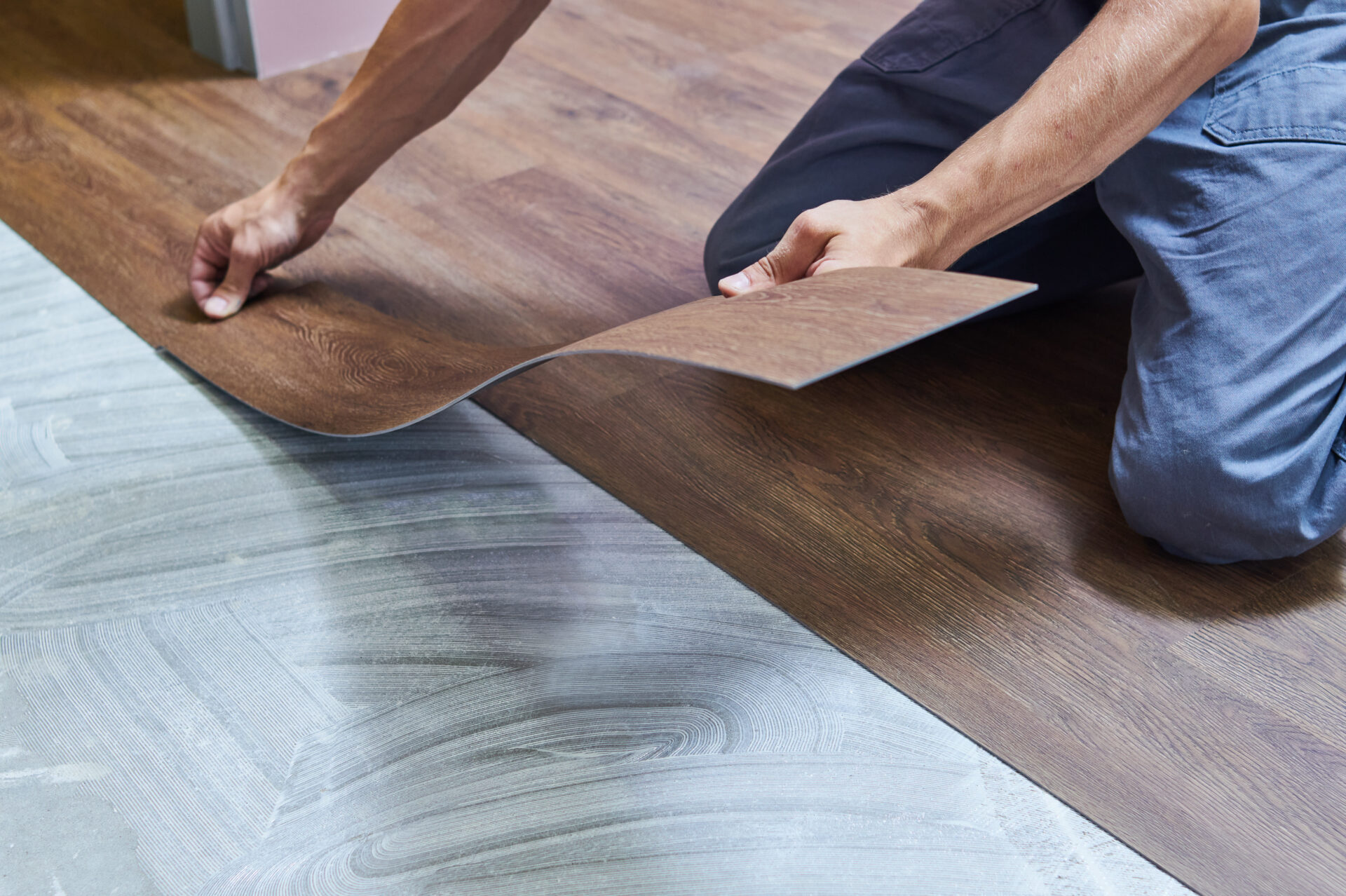
Credit: www.thisoldhouse.com
Diy Vs Professional Installation
Deciding between installing vinyl flooring yourself or hiring a professional is important. Both choices have benefits and challenges. Understanding these can help you make the right decision for your budget and skills.
DIY installation can save money but needs time and effort. Professional installation costs more but offers expert results and less stress. Below, explore the pros and cons of each option and their cost differences.
Pros And Cons Of Diy
Doing the installation yourself saves labor costs. You control the schedule and work at your own pace. It can also be a rewarding project.
DIY requires tools and some skill. Mistakes can cause damage or increase costs. It takes time to learn and complete the job properly.
Hiring A Contractor
Contractors bring experience and speed to the job. They ensure the floor is installed correctly and looks good. Professionals handle any issues that arise during installation.
Hiring help costs more upfront. Scheduling depends on the contractor’s availability. You may have less control over timing.
Cost Differences
DIY vinyl flooring typically costs $1 to $3 per square foot for materials. You avoid paying for labor, which can be $2 to $5 per square foot.
Professional installation raises the total to $3 to $8 per square foot. The price depends on floor type, room size, and job complexity.
Affordable Vinyl Flooring Options
Replacing vinyl flooring does not need to break the bank. Affordable vinyl flooring options offer style and durability without high costs. Choosing the right type and buying smart can save money. Maintaining your floors well keeps them looking good longer. These tips help you find budget-friendly choices for vinyl flooring.
Budget-friendly Vinyl Types
Luxury vinyl tile (LVT) and vinyl planks provide a stylish look at a low price. Sheet vinyl is often cheaper and covers large areas quickly. Look for vinyl with a moderate thickness for durability and cost balance. Simple designs cost less but still enhance any room’s look. Choose vinyl flooring that fits your budget and room needs.
Where To Find Deals
Check local hardware stores for clearance sales on vinyl flooring. Online retailers often offer discounts and free shipping. Warehouse clubs sometimes carry quality vinyl at lower prices. Seasonal sales, especially in spring and fall, can reduce costs. Always compare prices from different sellers before buying.
Cost-effective Maintenance Tips
Clean vinyl floors regularly with a soft broom or damp mop. Avoid harsh chemicals that can damage the surface. Use floor protectors under furniture to prevent scratches. Wipe spills immediately to avoid stains. Proper care extends the life of vinyl floors, saving money on repairs or replacement.

Credit: www.fixr.com
Estimating Total Project Cost
Estimating the total cost to replace vinyl flooring helps you plan your budget well. Knowing the expenses ahead avoids surprises. The overall cost depends on several factors like size, materials, and labor. Understanding each part makes the process easier and clearer.
Measuring Your Space
Measure the length and width of the room where you want new vinyl flooring. Multiply these two numbers to get the total square footage. Always add 10% extra for cutting and fitting. Accurate measurements ensure you buy enough material without waste.
Additional Materials Needed
Besides vinyl, you might need underlayment, adhesives, or trim pieces. These materials add to the total cost. Check if the old flooring needs removal. Removing old flooring can require tools or professional help. Small extras can increase the overall price.
Labor And Time Considerations
Labor cost varies by region and installer experience. Some jobs take longer due to room shape or floor condition. Expect higher costs if professionals handle removal and installation. DIY saves money but takes more time and effort. Plan your schedule based on these factors.
Saving Money On Vinyl Replacement
Replacing vinyl flooring can cost a lot. Saving money helps keep your budget safe. Smart choices can cut down expenses. Small steps bring big savings. Here are some ways to save on vinyl replacement.
Seasonal Discounts
Many stores offer discounts during certain seasons. Winter and summer sales often include flooring. Buying during these times means lower prices. Watch for holiday sales or clearance events. Timing your purchase can save hundreds of dollars.
Bulk Purchase Benefits
Buying vinyl flooring in large amounts lowers the cost per square foot. Retailers often give discounts for bulk buys. Plan your project size before buying. This strategy reduces overall expenses. It also cuts down trips to the store.
Reusing Existing Materials
Some parts of old vinyl flooring can be reused. Removing and cleaning old pieces is simple. It saves money on new materials. This method works well for small repairs. Reuse cuts waste and keeps costs down.
Frequently Asked Questions
How Much Does It Cost To Replace Vinyl Flooring?
Replacing vinyl flooring usually costs between $2 and $7 per square foot. This price depends on the quality of vinyl and labor charges. Simple jobs tend to be cheaper.
What Factors Affect Vinyl Flooring Replacement Cost?
The cost varies based on vinyl type, floor size, and removal difficulty. High-end vinyl and complex removal increase the price. Labor rates in your area also matter.
Can I Save Money By Replacing Vinyl Flooring Myself?
DIY replacement can save labor costs but needs skill and tools. Mistakes may lead to extra costs later. Consider your experience before choosing DIY.
How Long Does Vinyl Flooring Replacement Take?
Most vinyl flooring replacements take 1 to 3 days to finish. The size of the area and floor condition affect the time. Professional installers work faster than beginners.
Final Words
Replacing vinyl flooring costs vary by size and material choice. Plan your budget carefully to avoid surprises. Choose quality materials for better durability and comfort. Professional installation may cost more but ensures good results. Take time to compare prices and options before deciding.
A well-planned project saves money and adds value to your home. Good vinyl flooring can last many years with proper care. Think about your needs and style when selecting flooring. Simple steps lead to a successful and cost-effective floor replacement.