Are you wondering if Windex is a safe option for cleaning your wood floors? You’re not alone.
Many people reach for this popular glass cleaner because it’s convenient and effective on many surfaces. But when it comes to your beautiful wood floors, you want to be sure you’re not causing any damage. You’ll discover whether Windex can help keep your floors shining or if it’s better to avoid it altogether.
Keep reading to protect your floors and make your cleaning routine easier and safer.
Windex And Wood Floors
Windex is a popular cleaner for glass and hard surfaces. Many wonder if it works well on wood floors. Wood floors need gentle care to keep their shine and avoid damage. Using the wrong cleaner can harm the wood finish or make it dull. Understanding what Windex contains and how it interacts with wood helps decide if it is safe.
What Is Windex Made Of
Windex contains water, ammonia, and detergents. Ammonia helps remove grease and dirt quickly. The detergents break down grime and leave surfaces streak-free. Some versions also have alcohol and fragrance. These ingredients work great on glass and tile but are strong for wood. Ammonia can dry out wood and damage the finish. The cleaners are designed for non-porous surfaces.
How Windex Affects Wood Surfaces
Windex may strip the protective layer on wood floors. It can cause discoloration and dull spots. The ammonia dries out wood fibers, leading to cracks over time. Using it often can ruin the floor’s natural look. Windex does not clean wood as gently as wood-specific products. It may leave a residue that attracts dirt later. Safer choices include cleaners made for wood floors only — the same question comes up for Lysol on wood floors, which carries similar risks of damaging the wood finish.

Credit: www.reddit.com
Risks Of Using Windex On Wood
Using Windex on wood floors carries certain risks that can harm the surface. Wood floors need gentle care and specific cleaners. Chemicals in Windex may affect the wood’s look and feel.
Understanding these risks helps protect your floors and keep them looking good longer.
Potential Damage To Finish
Windex contains ammonia and other strong chemicals. These can strip away the protective finish on wood floors. Without this finish, the wood becomes vulnerable to scratches and stains. The finish also gives wood its shine. Using Windex may dull this shine quickly. Over time, repeated use can cause the finish to peel or crack. This damage is costly to repair and reduces floor lifespan.
Long-term Effects On Wood
Strong cleaners like Windex can dry out wood fibers. Dry wood may warp or crack over time. Excess moisture from Windex can seep into the wood, causing swelling. This leads to uneven surfaces and weakened boards. The chemicals may also cause discoloration. Your wood floors could lose their natural color and look faded. Protecting wood requires mild, wood-safe cleaning products instead.
Safe Alternatives For Wood Floor Cleaning
Wood floors need gentle care. Using harsh cleaners like Windex can damage them. Choose safe alternatives to keep floors clean and shiny. These options protect wood and make cleaning easy.
Recommended Cleaning Products
Use cleaners made specifically for wood floors. Look for pH-neutral formulas. They clean without stripping the wood’s finish. Products with natural oils help maintain shine. Avoid anything with ammonia or bleach. These can dull or harm wood surfaces. Always follow instructions on the label for best results.
Diy Natural Solutions
Simple ingredients can clean wood floors safely. Mix one cup of white vinegar with one gallon of warm water. Use a damp mop with this solution. Vinegar removes dirt without leaving residue. Another option: mix a few drops of mild dish soap in water. Mop gently and dry floors quickly. Avoid soaking floors with too much water. This helps prevent warping or damage.
Proper Wood Floor Cleaning Techniques
Cleaning wood floors the right way keeps them looking great for years. Wood is sensitive to water and harsh chemicals. Using the wrong cleaning method can cause damage. Follow simple steps to protect your floors and maintain their shine.
Sweeping And Dusting Tips
Regular sweeping removes dust and dirt that can scratch wood. Use a soft-bristle broom or a microfiber dust mop. Avoid stiff-bristle brooms that may leave marks. Sweep gently along the grain of the wood. Do this daily or as needed to keep floors clean.
Mopping Without Damage
Wood floors do not like too much water. Use a damp mop, not a soaking wet one. Choose a cleaner made for wood floors or mix mild soap with water. Wring the mop well before cleaning. Mop in small sections and dry the floor quickly with a soft cloth. This prevents water from seeping into the wood and causing warping.
Maintaining Wood Floor Shine
Maintaining the shine of wood floors keeps rooms bright and welcoming. Wood floors add warmth and charm to any home. Regular care helps preserve their natural beauty — there are also proven techniques to make wood floors look new again when shine fades despite cleaning.
Simple steps can bring back the shine without damaging the wood. It takes little effort to keep floors looking fresh and clean. Proper maintenance prevents dullness and scratches.
Polishing Tips
Choose a polish made for wood floors only. Test polish on a small, hidden area first. Apply polish with a soft cloth in thin layers. Buff gently to bring out the shine. Avoid using too much polish; it can build up. Polish floors every few months to maintain glow.
Avoiding Common Mistakes
Never use harsh cleaners like Windex on wood floors. They can strip the finish and cause damage. Avoid soaking floors with water or liquid cleaners. Do not use abrasive tools that scratch the surface. Clean spills quickly to prevent stains. Always follow product instructions carefully for best results.

Credit: www.reddit.com
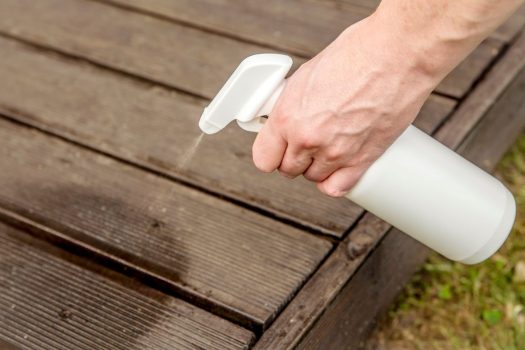
Credit: www.buildeazy.com
Frequently Asked Questions
Can Windex Damage Wood Floors?
Windex contains chemicals that can harm wood floor finishes. It may cause dullness or leave streaks. Using Windex is not safe for wood floors.
What Is The Best Cleaner For Wood Floors?
Use a cleaner made specifically for wood floors. These cleaners protect the finish and clean gently. Avoid harsh chemicals to keep floors shiny and safe.
How To Clean Wood Floors Without Windex?
Mix warm water with a few drops of mild dish soap. Use a soft mop or cloth to clean gently. Dry floors quickly to avoid water damage.
Can Windex Clean Wood Floor Stains?
Windex may not remove stains and can damage the wood finish. For stains, use a wood-safe stain remover or a homemade solution. Always test on a small area first.
Conclusion
Windex is not the best choice for wood floors. It can cause damage or leave streaks behind. Use cleaners made for wood instead. These keep floors clean and safe. Always test a small area first. Protect your floors to keep them looking nice.
Clean floors make your home feel fresh. Choose products carefully to avoid problems. Keep your wood floors shiny and healthy.