Are you thinking about updating your floors but worried about the hassle and cost of removing your old wooden floorboards? What if you could simply lay vinyl flooring right over them?
It sounds easy, right? But before you grab that roll of vinyl, there are important things you need to know to avoid costly mistakes. You’ll discover whether putting vinyl flooring over wooden floorboards is a smart choice for your home, what challenges you might face, and how to get the best results.
Keep reading to make sure your flooring project turns out just the way you want it.

Credit: honeybuilthome.com
Suitability Of Vinyl Over Wood
Vinyl flooring can be a great option over wooden floorboards, but not every wood floor suits this method. The suitability depends on the type and condition of the wooden floor underneath. Knowing these details helps ensure a smooth installation and long-lasting results.
Types Of Wooden Floorboards
Wooden floorboards vary by material and construction. Solid wood boards are thick and strong. Engineered wood boards have layers and a thin wood top. Both types can support vinyl, but solid wood offers better stability. Tongue-and-groove boards fit tightly, which helps with vinyl installation. Loose or uneven boards may cause problems later.
Condition Check For Wood Floors
The wood floor must be clean and dry. Check for warping, cracks, or loose boards. Uneven surfaces can cause vinyl to lift or bubble. Nails or screws sticking out must be fixed. Sanding the wood helps create a smooth base. Any signs of moisture damage or rot mean the floor needs repair before laying vinyl.
Benefits Of Vinyl On Wood
Vinyl flooring is easy to install over wood. It adds a fresh look without removing old boards. Vinyl is water-resistant, helping protect the wood below. It also reduces noise and feels softer underfoot. This option saves time and cost compared to removing wooden floors. Vinyl is durable and easy to clean, making it practical for many rooms.
Preparing Wooden Floorboards
Preparing wooden floorboards is an important step before installing vinyl flooring. Proper preparation helps the vinyl stick well and last longer. It also prevents problems like bumps and damage. Take time to clean, repair, and check the floor carefully.
Cleaning And Repairing
Start by removing dust, dirt, and old glue from the floorboards. Use a broom and vacuum to clear all debris. Clean the surface with a damp cloth and mild detergent. Let the floor dry completely before moving on.
Look for loose or damaged boards. Fix any nails or screws that stick out. Fill gaps, cracks, or holes with wood filler. Sand rough or uneven spots to create a smooth surface.
Ensuring Level Surface
Vinyl flooring needs a flat base to lay properly. Check the floor for bumps or dips using a level tool. Small uneven areas can cause vinyl to peel or bubble.
Use a floor leveling compound to fix low spots. Spread it evenly and let it dry well. Sand any high areas that could cause problems. Make sure the floor is smooth and even before installation.
Moisture And Temperature Considerations
Wood can absorb moisture, which harms vinyl flooring. Test the floor for moisture using a moisture meter. If moisture is high, fix the cause before installing vinyl.
Keep the room dry and well-ventilated. Avoid placing vinyl over wet or damp boards. Also, check the room temperature. Vinyl flooring performs best in stable, moderate temperatures.
Choosing The Right Vinyl Flooring
Choosing the right vinyl flooring is important for a smooth installation over wooden floorboards. The type of vinyl affects durability, comfort, and appearance. Picking the right style helps avoid problems like uneven surfaces or damage. Understanding the options makes the process easier and more successful.
Vinyl Planks Vs Sheets
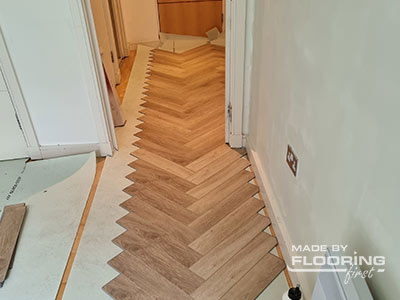
Vinyl planks look like real wood and fit together like puzzle pieces. They create a natural wood look and feel. Vinyl sheets come in large rolls and cover the floor without seams. Sheets are good for moisture resistance but may feel less like wood. Choose planks for style, sheets for smooth coverage.
Thickness And Wear Layer
Thicker vinyl feels stronger and hides small bumps under wood floors. The wear layer protects the surface from scratches and stains. A thicker wear layer means longer life and easier cleaning. Look for vinyl with at least 12 mil wear layer for busy rooms. Thin vinyl is cheaper but wears out fast.
Adhesive And Click-lock Options
Vinyl floors can stick down with glue or snap together with click-lock edges. Adhesive vinyl stays in place but takes longer to install. Click-lock vinyl is faster and can be removed later if needed. Choose glue-down for a permanent fit. Choose click-lock for easy DIY and repairs.
Credit: www.flooringfirst.co.uk
Installation Methods
Installing vinyl flooring over wooden floorboards requires choosing the right method. Each method has its own benefits and suits different floor conditions. Understanding these methods helps ensure a smooth, long-lasting finish.
Floating Installation
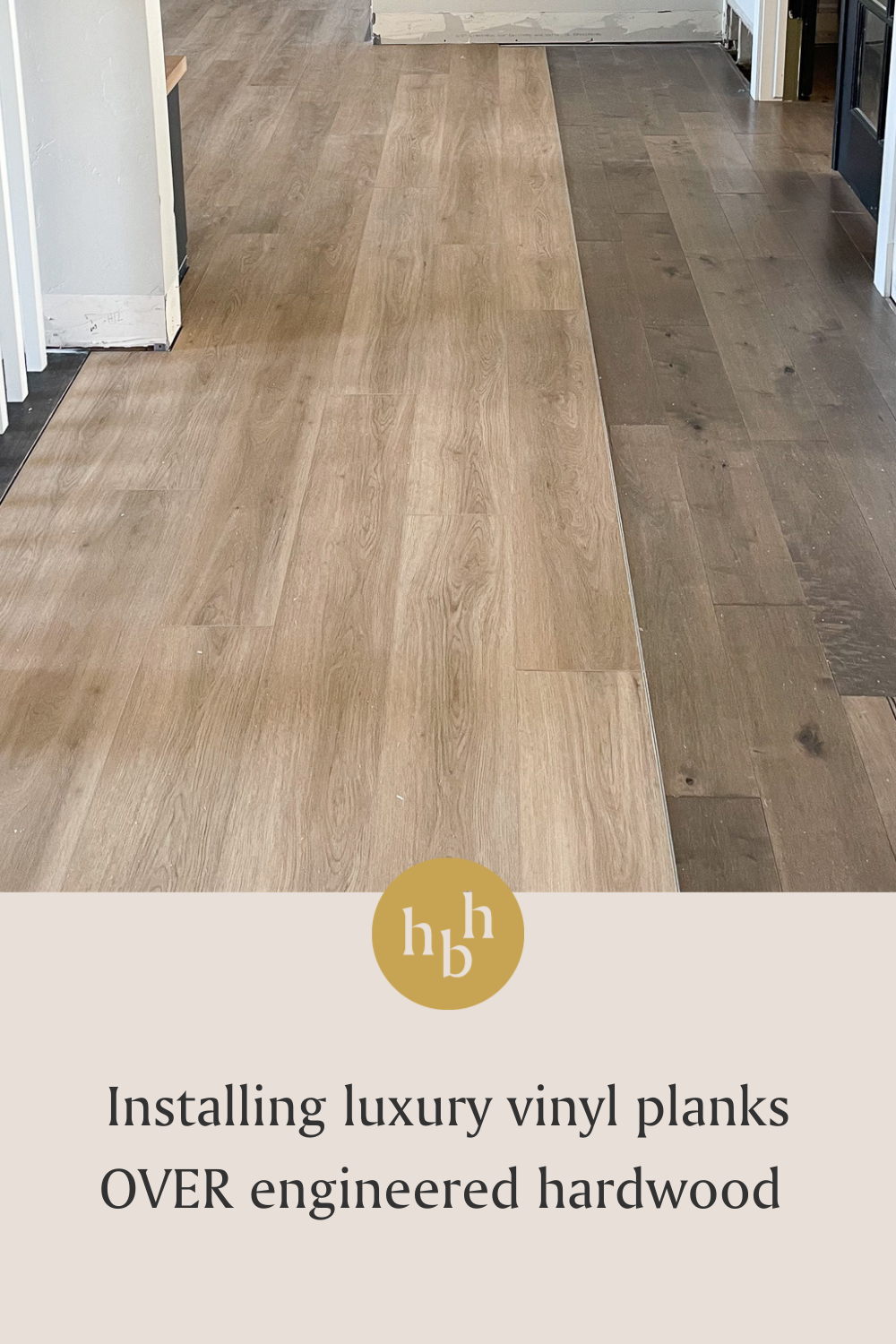
This method involves laying the vinyl planks without fixing them to the wooden floor. The planks lock together, creating a stable surface. Floating installation is quick and easy. It allows the floor to expand and contract naturally. It is ideal for uneven wooden floors. No glue or nails are needed.
Glue-down Technique
This method uses adhesive to stick the vinyl directly to the wooden floorboards. It creates a strong, permanent bond. The glue-down technique helps reduce movement and noise. The wooden floor must be clean, dry, and flat. This method works well in high-traffic areas. It requires more preparation and time than floating installation.
Using Underlayment
Underlayment is a thin layer placed between vinyl and wood floors. It offers extra cushioning and sound insulation. Underlayment can help smooth out minor imperfections. It also protects the vinyl from moisture in the wood. Some underlayments include a moisture barrier. Always choose an underlayment compatible with vinyl flooring.
Common Challenges And Solutions
Installing vinyl flooring over wooden floorboards can be tricky. Many challenges arise that can affect the look and durability of your floor. Knowing these problems helps you prepare and fix them properly. This section covers common issues and easy solutions to keep your new floor smooth and long-lasting.
Dealing With Uneven Boards
Wooden floorboards are often uneven or warped. This causes bumps under vinyl flooring. To fix this, sand down high spots. Use a leveling compound for low areas. A flat surface prevents damage and makes vinyl fit better. Always check for loose boards and secure them tightly.
Preventing Moisture Damage
Wood can trap moisture, which harms vinyl flooring. Moisture can cause bubbling or mold. Use a moisture barrier between wood and vinyl. This stops water from reaching the vinyl. Also, ensure good room ventilation. Avoid wet cleaning methods on wooden boards before installation.
Handling Expansion And Contraction
Wood expands and contracts with temperature changes. Vinyl does this too, but at different rates. Leave a small gap around room edges for movement. Use flexible adhesives or floating vinyl planks. This prevents buckling or gaps as floors shift. Monitor humidity to keep wood stable.
Maintenance Tips For Vinyl On Wood
Vinyl flooring over wooden floorboards is a popular choice for many homes. Maintaining this combination keeps your floors looking great and lasting longer. Proper care protects the vinyl surface and the wood underneath. Follow simple steps to keep your floors clean and safe from damage.
Cleaning Routine
Sweep or vacuum vinyl floors regularly to remove dirt and dust. Use a soft broom or vacuum with a hard floor setting. Mop the floor with warm water and a mild cleaner made for vinyl. Avoid harsh chemicals that can dull or damage the finish. Dry the floor quickly to prevent water from seeping into the wood below.
Protecting Against Scratches
Place felt pads under furniture legs to stop scratches. Avoid dragging heavy items across the floor. Use area rugs in high-traffic spots to reduce wear. Keep pet nails trimmed to prevent surface damage. Small scratches can be fixed with a vinyl repair kit for quick touch-ups.
Long-term Care
Check the floor regularly for signs of wear or damage. Keep humidity levels steady to protect wooden floorboards from warping. Avoid excessive water on the floor to prevent swelling or mold. Consider resealing or refinishing the vinyl every few years for extra protection. Proper care ensures your vinyl over wood floors stay beautiful for many years.
Credit: honeybuilthome.com
Frequently Asked Questions
Can Vinyl Flooring Be Installed Directly On Wooden Floorboards?
Yes, vinyl flooring can be installed over wooden floorboards if the surface is clean, dry, and level. Uneven or damaged boards should be repaired first for a smooth finish.
What Preparation Is Needed Before Laying Vinyl On Wood Floors?
You must clean the floor and fill gaps or cracks with wood filler. Sanding the surface helps vinyl stick better and ensures a flat base.
Will Vinyl Flooring Damage The Wooden Floor Underneath?
Vinyl flooring generally protects the wood beneath from scratches and moisture. It acts as a barrier but does not harm the wood if installed properly.
How Long Does Vinyl Flooring Last On Wooden Floorboards?
Vinyl flooring can last 10 to 20 years depending on quality and care. Proper installation and maintenance extend its life over wooden floors.
Final Words
Vinyl flooring can work well over wooden floorboards with care. Make sure the wood is clean, dry, and level before installing. Small gaps or uneven spots may cause problems later. A smooth surface helps vinyl stick and last longer. Choose the right underlayment for extra comfort and protection.
This upgrade can change the look of your room easily. Take time to prepare the floor properly. The result will be a neat, durable floor you can enjoy for years.