Are you thinking about upgrading your home with beautiful wood floors but worried about the cost? Knowing the average wood floor installation cost can help you plan your budget and avoid surprises.
Whether you want a classic hardwood look or something more modern, understanding the expenses involved is key to making the right choice. You’ll discover clear, simple information about prices, what affects them, and tips to get the best value. Keep reading to make confident decisions that bring your dream floors to life without breaking the bank.
Factors Influencing Wood Floor Costs
Wood floor costs depend on several important factors. Understanding these can help you plan your budget. Prices vary based on wood type, labor, materials, and location. Each element affects the final cost of your floor installation.
Types Of Wood Flooring
The type of wood greatly impacts the price. Hardwoods like oak and maple usually cost less. Exotic woods such as teak or mahogany are more expensive. Engineered wood offers a mid-range price and good durability. The wood’s quality and finish also matter.
Labor And Installation Charges
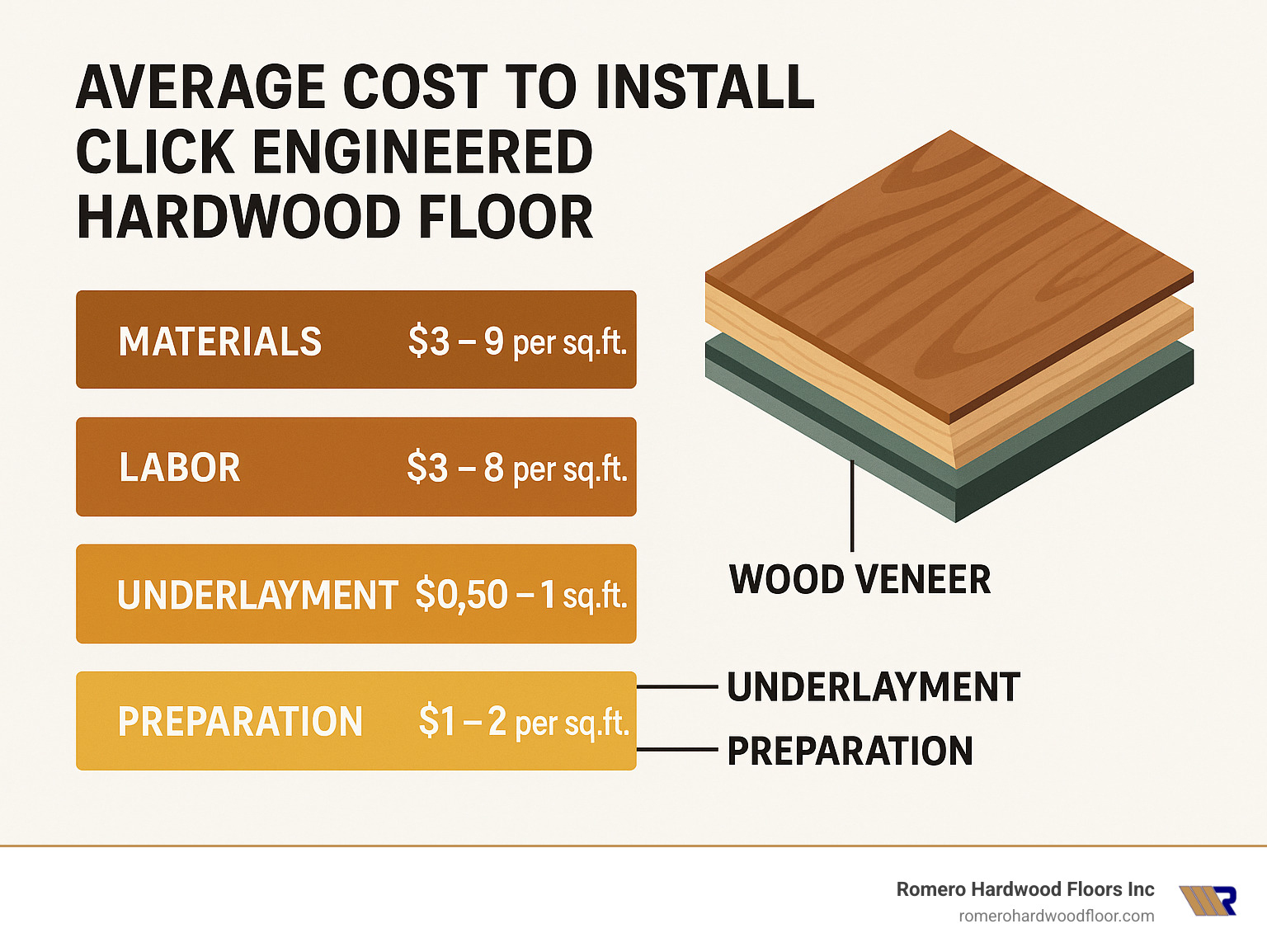
Labor costs include removing old floors and preparing the surface. Complex patterns or difficult layouts increase installation time and cost. Skilled installers charge more but ensure better results. Some jobs need extra work like sanding and finishing, adding to the price.
Additional Materials And Supplies
Materials like underlayment, adhesives, and nails add to the total cost. Moisture barriers may be needed for certain areas. Finishing materials like stains and sealants also cost extra. These supplies help protect and improve the floor’s look.
Regional Price Variations
Costs differ by location due to labor rates and wood availability. Urban areas often have higher prices than rural ones. Shipping costs for wood can affect prices in remote regions. Local demand and competition also influence installation charges.
Credit: homeguide.com
Cost Breakdown By Flooring Type
The cost of wood floor installation varies by the type of flooring chosen. Each type has unique materials and labor costs. Knowing these costs helps in planning your budget. Here is a breakdown of common wood flooring types and their typical installation expenses.
Solid Hardwood
Solid hardwood is made from a single piece of wood. It is durable and can be refinished many times. The average cost ranges from $8 to $15 per square foot. Installation involves nailing the planks to a wooden subfloor. This process can be time-consuming, adding to labor costs. Solid hardwood is often more expensive due to the quality of wood and installation method.
Engineered Wood
Engineered wood has a thin layer of real wood on top of plywood. It looks like solid wood but costs less. Installation costs range from $6 to $12 per square foot. This flooring type can be glued, nailed, or floated over many subfloors. Labor is usually faster and less costly. Engineered wood is a popular choice for durability and cost savings.
Laminate Flooring
Laminate flooring is a synthetic product that mimics wood. It is the most affordable option, costing about $3 to $8 per square foot. Installation is quick and easy because planks snap together. This lowers labor expenses significantly. Laminate is ideal for those on a tight budget or needing a fast install.
Bamboo And Exotic Woods
Bamboo and exotic woods offer a unique look. Bamboo is eco-friendly and costs around $5 to $10 per square foot. Exotic woods like Brazilian cherry or teak can cost $12 to $20 or more. Installation costs vary but are generally higher due to material handling. These floors require skilled installers to maintain their quality and appearance.
Installation Methods And Their Impact On Cost
Choosing the right installation method affects the total cost of wood floor installation. Each method uses different tools, materials, and labor. These factors change the price and the time needed for installation. Understanding these methods helps you plan your budget better.
Nail Down
This method involves nailing wood planks to a wooden subfloor. It is common for solid hardwood floors. The process takes time and skill, increasing labor costs. Nails and tools are affordable but require professional installation. Nail down floors last long and are very stable.
Glue Down
Glue down means sticking the wood directly to the subfloor. It works well on concrete or plywood bases. The glue adds extra material cost, and it takes time to dry. Labor costs can be higher because of the precise work needed. This method reduces noise and makes the floor more solid.
Floating Floors
Floating floors do not attach directly to the subfloor. The planks lock together and rest above the floor. This method is faster and often cheaper to install. It works with many wood types and is easier for DIY projects. Floating floors are flexible and good for uneven surfaces.
Credit: romerohardwoodfloor.com
Common Extra Expenses To Consider
Wood floor installation costs often go beyond just the price of the wood and labor. Several extra expenses can increase the total bill. These costs depend on the condition of your current floor and the finish you want. Being aware of these extras helps you plan your budget better.
Subfloor Preparation
Before installing wood floors, the subfloor must be ready. Uneven or damaged subfloors require fixing or replacing. This work can take time and add to the cost. Proper preparation ensures the new floor lasts longer and looks better.
Removing Old Flooring
Old floors often need removal before new wood goes down. Removing tile, carpet, or laminate can be hard and messy. This job may require special tools or extra labor. Removing old flooring raises the overall installation price.
Finishing And Sealing
Some wood floors come unfinished and need staining or sealing after installation. This step protects the wood from damage and wear. Finishing and sealing require extra materials and time. This service adds to the total cost but improves floor durability.
Baseboards And Moldings
New floors may need new baseboards or moldings for a clean look. Old moldings might not fit well with the new floor height. Installing or replacing these trim pieces adds to labor and material costs. Baseboards and moldings complete the floor’s appearance.
Tips To Save On Wood Floor Installation
Saving money on wood floor installation is possible with smart choices. Small changes can lower your costs without losing quality. These tips help you plan and spend wisely.
Focus on materials, labor, timing, and your own skills. Each part affects the total price. Understanding these can keep your budget in check.
Choosing Cost-effective Materials
Select wood types that fit your budget. Some hardwoods cost less but still look good. Engineered wood often costs less than solid wood. Check local stores for deals on flooring materials. Buying in bulk can save money.
Hiring Experienced Installers
Skilled installers work faster and make fewer mistakes. This saves money on repairs and extra work. Ask for quotes from several professionals. Read reviews to find reliable installers. Avoid the cheapest option; quality matters for durability.
Timing Your Project
Plan installation during off-peak seasons. Installers may offer discounts in slow months. Avoid holidays and busy periods for better prices. Early booking can sometimes lock in lower rates. A flexible schedule helps reduce costs.
Diy Installation Pros And Cons
Doing it yourself can save on labor costs. Basic tools and skills are necessary. Mistakes can lead to costly repairs later. Time and effort are required. Consider your ability before starting a DIY project.

Credit: homeguide.com
Estimating Total Project Cost
Estimating the total cost of wood floor installation helps avoid surprises. It ensures you plan well and manage your budget effectively. Several factors influence the final price. Understanding these steps makes the process clear and simple.
Calculating Square Footage
Measure the length and width of each room. Multiply these numbers to get the area in square feet. Add all room areas to find the total square footage. This number directly affects the material and labor costs. Accurate measurement avoids under or overestimating expenses.
Requesting Multiple Quotes
Contact different flooring companies for price estimates. Ask for detailed quotes including labor, materials, and any extra fees. Compare the offers to find the best value for your budget. Multiple quotes help you understand the market rate. They also reveal the quality and services included.
Budgeting For Contingencies
Set aside extra money for unexpected expenses. Problems like subfloor repairs or delivery delays can increase costs. A contingency fund prevents financial stress during the project. Plan for about 10-15% above the estimated total cost. This cushion keeps your project on track.
Frequently Asked Questions
What Is The Average Cost Of Wood Floor Installation?
The average cost ranges from $3 to $12 per square foot. This depends on wood type, labor, and location.
How Does Wood Type Affect Installation Cost?
Hardwoods like oak cost more than softwoods like pine. Exotic woods are usually the most expensive.
Are There Extra Costs Beyond Basic Installation?
Yes, costs may include removal of old flooring and subfloor repair. Finishing and sealing might also add to the price.
How Long Does Wood Floor Installation Usually Take?
Installation typically takes 2 to 5 days. The time varies based on room size and floor type.
Conclusion
Wood floor installation costs vary by material and labor. Choose the right wood type for your budget and style. Measure your space carefully to avoid extra expenses. Hiring a skilled installer saves time and prevents mistakes. Plan for extra costs like removal and finishing.
A well-installed floor adds value and beauty to your home. Taking time to research helps you make smart choices. Your new wood floor will bring comfort and warmth for years.