Are you thinking about upgrading your floors but unsure if engineered wood flooring is the right choice for you? You’re not alone.
Choosing the perfect flooring can feel overwhelming, especially with so many options out there. Engineered wood flooring promises beauty, durability, and ease—but does it really deliver? By the end of this article, you’ll have a clear understanding of what engineered wood flooring offers and whether it fits your lifestyle and home.
Keep reading to discover the truth behind this popular flooring option and make a confident decision for your space.
What Is Engineered Wood Flooring
Engineered wood flooring is a popular choice for many homes. It looks like solid wood but has a different structure. This type of flooring offers a balance between natural beauty and practical use.
Understanding what engineered wood flooring is helps you decide if it suits your needs. It combines layers of wood with a top layer that shows the wood grain. This design makes it more stable than solid wood in some conditions.
What Is Engineered Wood Flooring Made Of?
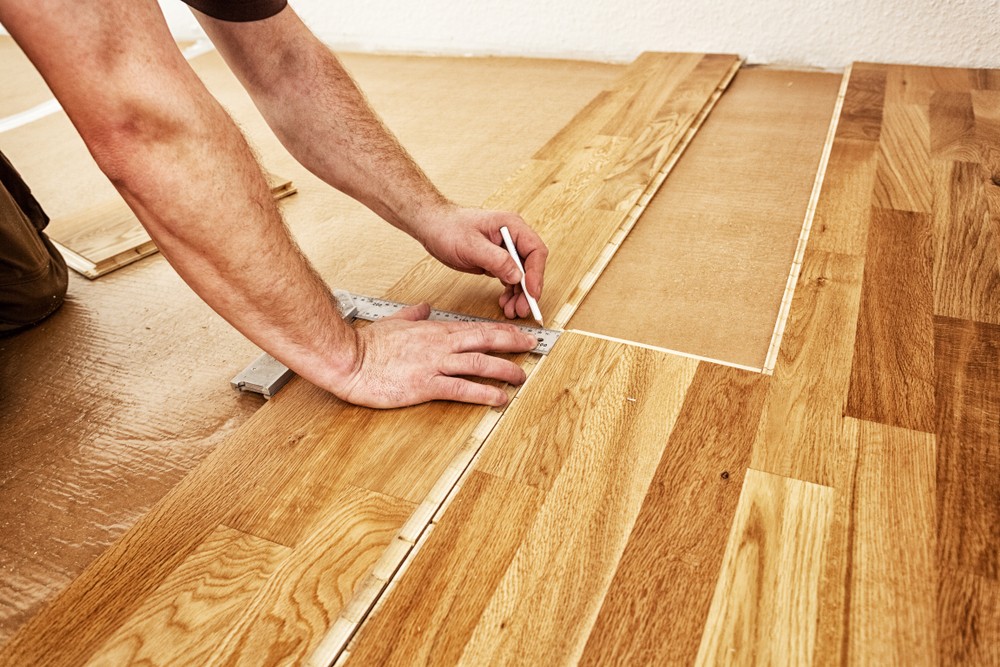
Engineered wood flooring has multiple layers. The top layer is real hardwood. It shows the natural wood look and texture.
Below the top layer, there are several layers of plywood or high-density fiberboard. These layers run in different directions. This helps the floor resist warping and bending.
How Is Engineered Wood Flooring Different From Solid Wood?
Solid wood flooring comes from one piece of wood. It is thicker and can be sanded many times. Engineered wood has a thin hardwood layer on top. It cannot be sanded as many times as solid wood.
Engineered wood is more stable in moist or changing temperatures. It fits well in basements or kitchens where solid wood might not work.
Where Can Engineered Wood Flooring Be Installed?
This flooring works in many rooms. It is good for places with some moisture. You can install it over concrete or below ground level.
It fits nicely in living rooms, bedrooms, and even kitchens. Its layered design helps it last longer in these areas.
Credit: precisionflooringservices.com
Durability And Strength
Durability and strength matter most in flooring choices. Engineered wood flooring offers a solid option. It combines natural wood beauty with enhanced toughness. This type of flooring resists wear and tear better than many alternatives. Perfect for busy homes and spaces with pets or kids.
The layered design of engineered wood adds to its strength. Thin layers of wood are glued together. This structure prevents warping and cracking over time. It holds up well against changes in temperature and moisture. Floors stay stable and strong for years.
Resistance To Scratches And Dents
Engineered wood has a tough top layer. This hardwood surface protects against scratches and dents. Daily foot traffic and moving furniture cause less damage. It keeps floors looking fresh longer. Ideal for active households and areas with heavy use.
Performance In Moist And Humid Areas
Unlike solid wood, engineered wood handles moisture well. Its layered construction reduces water absorption. Floors resist swelling and buckling in humid rooms. Suitable for kitchens, basements, and bathrooms. A smart choice where moisture may cause problems.
Long-term Stability And Maintenance
Engineered wood flooring maintains its shape over time. It resists shrinking and expanding better than solid wood. Regular cleaning keeps the surface strong and vibrant. Minimal maintenance extends the life of the floor. A durable investment for any home.
Aesthetic Appeal
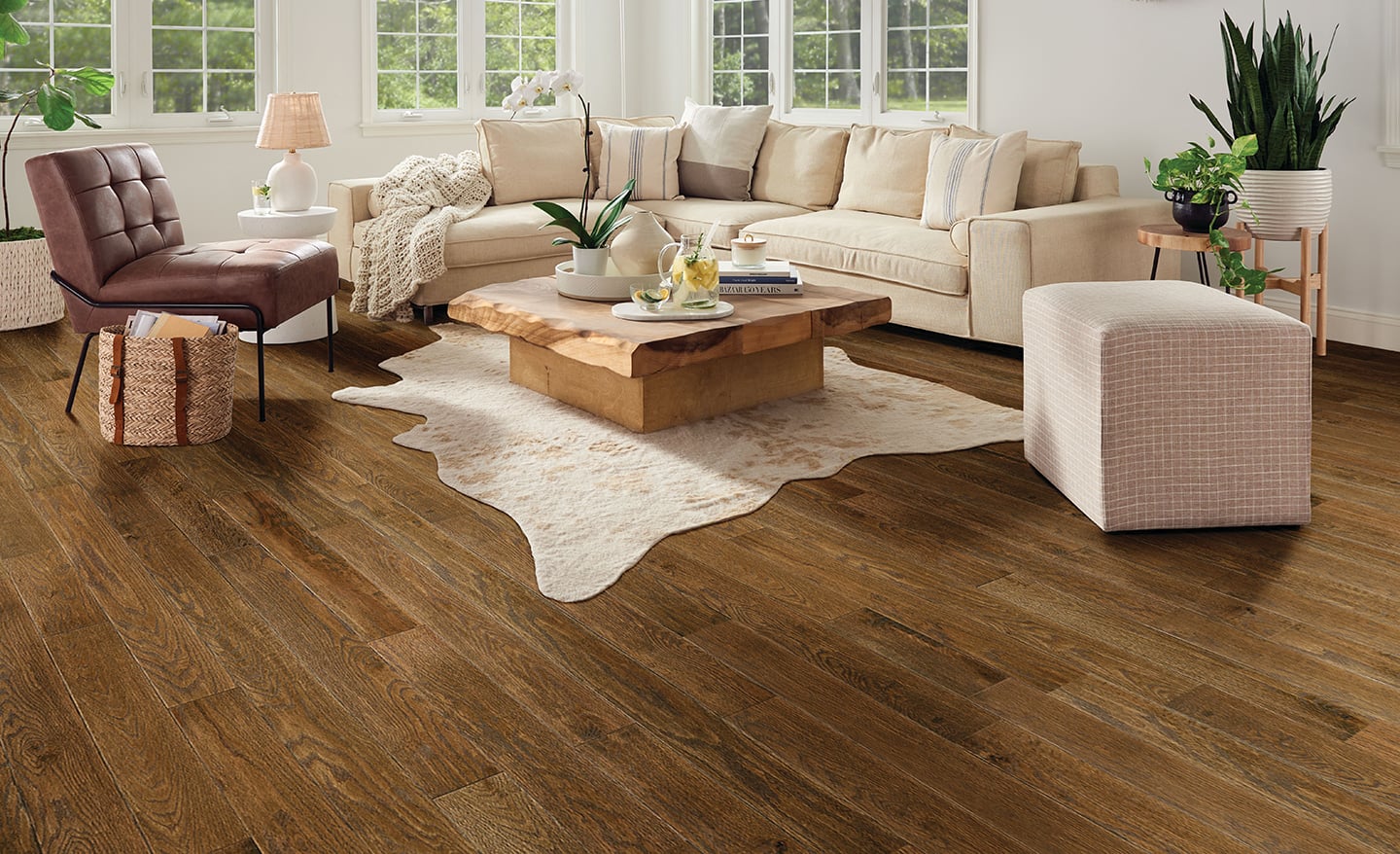
Engineered wood flooring offers a beautiful look that fits many home styles. It copies the natural charm of real wood. The surface layer is made from genuine hardwood, giving an authentic wood appearance.
This flooring adds warmth and character to any room. It comes in many colors and grain patterns. This variety helps match different furniture and decor easily.
Natural Wood Appearance
Engineered wood has a top layer of real wood. This means you get the true texture and color of wood. Each plank shows natural knots and grains. This detail makes floors unique and lively.
Variety Of Styles And Finishes
Choose from many wood types like oak, maple, or walnut. Finishes range from matte to glossy. You can find light, medium, or dark shades. This variety fits both modern and classic homes.
Consistency And Smoothness
Engineered wood planks are made with precision. This process ensures even thickness and smooth surfaces. It creates a neat and polished look. The floor feels comfortable underfoot.
Credit: www.homedepot.com
Cost-effectiveness
Cost-effectiveness is a key factor when choosing flooring. Engineered wood flooring offers a smart balance between price and quality. It gives a real wood look without the high cost of solid hardwood. This makes it popular for many homeowners.
The overall wood flooring cost varies depending on quality and thickness, but engineered wood almost always comes in lower than solid hardwood. It often costs less than solid wood but looks just as good. This makes it a budget-friendly option for those wanting a stylish floor.
Lower Initial Investment
Engineered wood costs less to buy and install. It uses fewer hardwood layers, reducing material costs. Installation is easier and faster, saving labor fees. This means you get beautiful floors for less money upfront.
Long-term Savings
Engineered wood lasts a long time with proper care. It resists moisture better than solid wood, lowering repair costs. Its durability means fewer replacements over the years. This helps save money on maintenance and upkeep.
Value For Money
The look of real wood adds value to your home. Engineered wood offers this look at a lower price. It improves your home’s appeal without breaking your budget. A smart choice for good style and cost savings.
Installation Flexibility
Engineered wood flooring offers great installation flexibility. It works well in many areas where solid wood can’t. This makes it a popular choice for homes and commercial spaces.
You can install engineered wood over concrete, plywood, or even existing floors. This saves time and effort during renovation or new builds. Its design allows it to adapt to different subfloors easily.
Suitable For Various Subfloors
Engineered wood can be placed on many surfaces. Concrete slabs, plywood, or vinyl floors work fine. This helps in rooms like basements where solid wood might warp.
Multiple Installation Methods
There are several ways to install engineered wood flooring, including nail-down, glue-down, and floating methods. You can nail, glue, or float the planks. This variety suits different skill levels and project needs.
Better Moisture Resistance
The layered construction of engineered wood resists moisture well. It can be installed in kitchens and bathrooms. This adds to its versatility compared to solid wood.
Resistance To Moisture
Resistance to moisture is a key factor when choosing flooring. Floors often face spills, humidity, and dampness. Some woods warp or swell with water exposure. Engineered wood flooring handles moisture better than solid wood. Its design helps keep the floor stable and strong.
Layered Construction For Moisture Control
Engineered wood has multiple layers of wood veneer. These layers run in different directions. This structure reduces wood movement from moisture changes. It keeps the floor flat and steady over time. The top layer looks like solid wood but is more stable.
Better Performance In Humid Areas
High humidity can damage many wooden floors. Engineered wood resists swelling and shrinking. It works well in kitchens, basements, and bathrooms. This makes it a smart choice for homes with moisture concerns. It keeps the floor safe from moisture damage.
Protection Against Spills And Dampness
The surface finish on engineered wood adds extra protection. It stops water from seeping into the wood layers. Quick cleaning of spills prevents damage. This flooring type can handle occasional wetness without warping. It stays beautiful and strong with proper care.
Maintenance And Longevity
Engineered wood flooring offers a good balance of beauty and durability. Understanding its maintenance needs helps keep it looking great for years. The lifespan depends on care and the environment.
Simple cleaning routines prevent damage and preserve the wood’s finish. Knowing how to handle spills and scratches makes a big difference. Proper maintenance extends the floor’s life and saves money.
Cleaning And Daily Care
Use a soft broom or vacuum to remove dirt and dust. Avoid harsh chemicals that can damage the wood surface. A damp mop with a gentle cleaner works best.
Wipe spills quickly to stop water from seeping in. Avoid wet mops or soaking the floor with water. Dry floors stay strong and avoid warping.
Preventing Damage
Place felt pads under furniture legs to stop scratches. Use rugs in high traffic areas to reduce wear. Avoid walking on the floor with sharp or heavy shoes.
Keep pet nails trimmed to prevent dents. Maintain stable indoor humidity to reduce wood movement. Too much moisture or dryness can cause gaps or cracks.
Longevity And Refinishing
Engineered wood floors can last 20 years or more. The top layer can be lightly sanded and refinished once or twice, refreshing the look without a full replacement. This refreshes the look and removes surface scratches.
Thicker veneer layers allow more refinishing cycles. Thin layers limit sanding options, so care is vital. Proper upkeep helps the floor stay beautiful longer.
Environmental Benefits
Engineered wood flooring offers clear environmental benefits. It uses fewer natural resources than solid wood flooring. This makes it a smart choice for eco-conscious buyers.
The production of engineered wood requires less wood from trees. Thin layers of wood are glued together, reducing the need for large timber. This helps preserve forests and reduces deforestation.
Less Wood Waste
Engineered wood uses smaller wood pieces and veneers. This lowers wood waste compared to solid wood flooring. Factories can use leftover wood that might be thrown away. This efficient use of materials supports sustainability.
Lower Carbon Footprint
Manufacturing engineered wood flooring creates less carbon pollution. It needs less energy to produce than solid hardwood. Transporting thinner wood layers also reduces fuel use. Choosing engineered wood helps cut greenhouse gas emissions.
Longer Life And Durability
Engineered wood flooring lasts a long time with proper care. Its strong design resists warping and damage. This means fewer replacements and less waste over time. Durable floors reduce the need for new materials.
Recyclable And Reusable
Old engineered wood flooring can be recycled or repurposed. It can be turned into new products or used as biomass fuel. This reduces landfill waste and supports a circular economy. Choosing engineered wood helps close the resource loop.
Comparison With Solid Wood Flooring
Engineered wood flooring and solid wood flooring are popular choices for home floors. Both have natural wood beauty but differ in structure and features. Understanding these differences helps make the right choice for your space and budget.
Construction And Material
Engineered wood has several layers of wood pressed together. The top layer is real wood, giving a natural look. Solid wood flooring is made from one solid piece of wood. This makes solid wood thicker and heavier than engineered wood.
Durability And Stability
Engineered wood handles moisture better. It resists warping and swelling in humid places. Solid wood can expand and shrink more with temperature changes. Engineered wood suits basements and kitchens well — for rooms where wood seems impractical entirely, a concrete vs wood floors comparison can help clarify the best choice.
Installation Process
Engineered wood is easier to install. It can be glued, nailed, or floated over many surfaces. Solid wood needs a wooden subfloor and is often nailed down. This means solid wood installation takes more time and skill.
Refinishing And Repair
Solid wood floors can be sanded and refinished many times. Engineered wood has a thinner top layer, limiting refinishing to fewer times. This affects the floor’s lifespan and appearance over years.
Cost And Value
Engineered wood usually costs less than solid wood. It offers good value with natural wood look and easier installation. Solid wood is more expensive but adds high value to homes. It is seen as a long-term investment.
Frequently Asked Questions
What Is Engineered Wood Flooring Made Of?
Engineered wood flooring has a top layer of real wood. Below, there are layers of plywood or high-density fiberboard. This design adds strength and stability.
How Durable Is Engineered Wood Flooring?
Engineered wood is quite strong and lasts many years. It resists moisture and temperature changes better than solid wood. This makes it good for many rooms.
Can Engineered Wood Flooring Be Refinished?
Yes, but only a few times depending on the top wood layer thickness. Thin layers allow only one or two refinishes. Thicker layers let you refinish more.
Is Engineered Wood Flooring Easy To Install?
Yes, it often comes with click-lock systems for simple installation. It can be placed over concrete or existing floors. Many homeowners can install it themselves.
Conclusion
Engineered wood flooring offers a good balance of beauty and strength. It handles moisture better than solid wood. Installation is often easier and faster. This flooring suits many rooms and styles. Costs can be lower without losing quality. Maintenance stays simple with regular care.
Choosing this option can save time and money. Think about your space and needs first. Engineered wood flooring often meets practical and style goals. A smart choice for many homeowners today.