Are you facing the challenge of removing glued wood flooring and wondering where to start? Taking up this task might seem tough at first, but with the right approach, you can make the process smoother and less stressful.
Imagine reclaiming your space without damaging your floors or spending a fortune on professional help. In this guide, you’ll discover simple, step-by-step methods to safely and effectively remove glued wood flooring. Keep reading, and you’ll gain the confidence to tackle this project on your own, saving time and money while achieving great results.
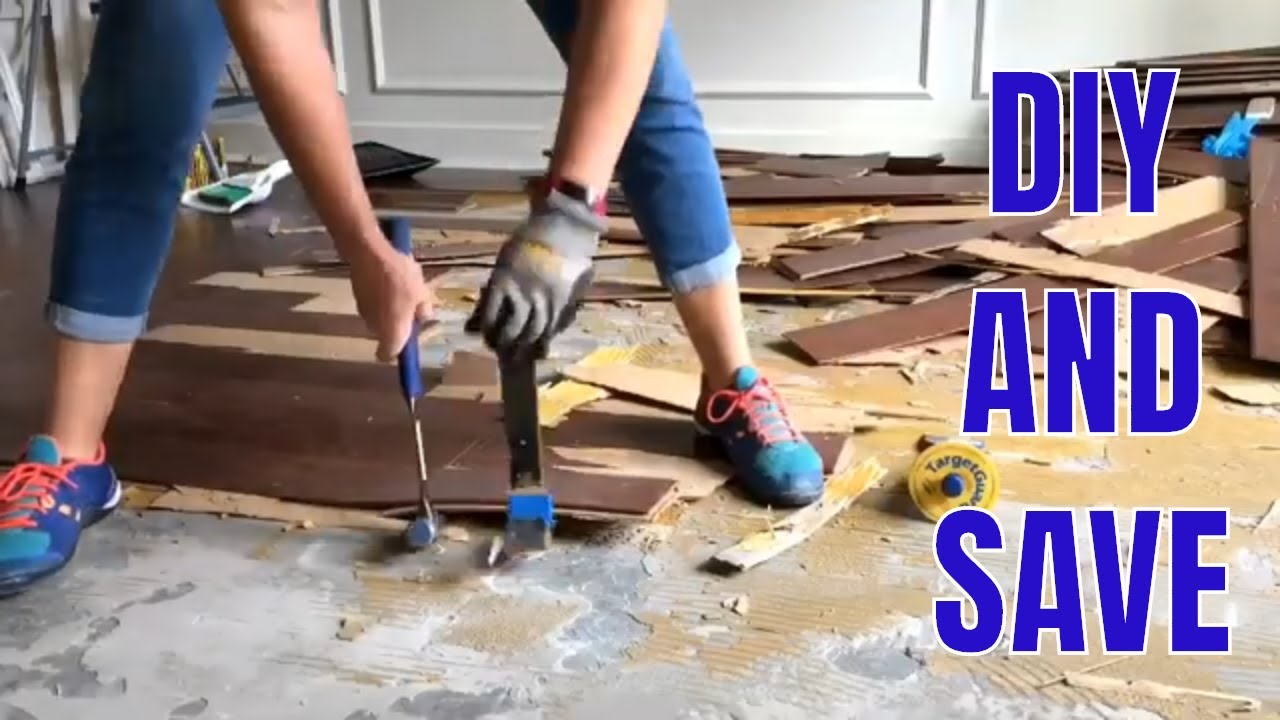
Credit: www.youtube.com
Tools And Materials Needed
Removing glued wood flooring requires specific tools and materials. Having the right items makes the job easier and safer. It also helps you avoid damage to the floor or subfloor. Prepare all necessary tools before starting the work. This saves time and effort during removal.
Essential Tools
Start with a pry bar to lift the wood planks carefully. A hammer helps to tap the pry bar under the boards. Use a floor scraper to remove leftover glue and debris. A utility knife is important for cutting through tough adhesive spots. An oscillating multi-tool with a scraper blade speeds up tough glue removal. A heat gun can soften the glue, making it easier to scrape off.
Recommended Safety Gear
Wear safety goggles to protect your eyes from flying debris. Use gloves to guard your hands against cuts and chemicals. A dust mask prevents inhaling dust and glue particles. Knee pads protect your knees while working on the floor. Proper footwear keeps your feet safe from heavy tools or dropped wood.
Adhesive Removers
Choose a commercial adhesive remover made for wood floors. These products break down glue without harming the wood. Apply remover according to the instructions on the label. Let it sit for the recommended time to soften the adhesive. Use a scraper to remove softened glue after treatment. Always test remover on a small area first to avoid damage.
Preparing The Workspace
Preparing your workspace is the first step in removing glued wood flooring. A clean and organized area makes the job easier and safer. Taking time to get ready helps avoid damage and keeps you comfortable during the process.
Clearing The Area
Remove all furniture and items from the room. Clear away rugs, curtains, and decorations. This gives you space to move and work freely. A clutter-free area reduces tripping hazards. It also prevents damage to your belongings.
Protecting Surroundings
Cover walls and baseboards with plastic sheets or painter’s tape. Use drop cloths on nearby floors not being worked on. This stops dust, glue, and debris from causing damage. Protect vents and outlets to keep them clean and safe.
Ventilation Tips
Open windows and doors to allow fresh air inside. Use fans to improve air flow and remove fumes. Wear a mask if using chemicals or glue removers. Good ventilation helps keep the air safe to breathe.
Identifying The Flooring Type
Removing glued wood flooring starts with knowing the type of floor you have. Identifying the flooring type helps choose the right tools and methods. Different wood floors require different removal approaches. This step saves time and prevents damage.
Types Of Wood Flooring
Wood flooring comes in several types. Solid hardwood is made from one piece of wood. Engineered wood has a thin wood layer over plywood. Laminate flooring looks like wood but is made of plastic layers. Each type reacts differently to removal methods. Solid wood may be harder to remove than laminate. Knowing the type helps in planning the removal process.
Adhesive Varieties
Different adhesives hold wood floors in place. Some floors use strong glue like urethane or epoxy. Others use water-based or pressure-sensitive adhesives. Some adhesives soften with heat, while others need chemicals. Identifying the adhesive helps pick the right remover. Using the wrong method can damage the floor or subfloor. Check edges or ask the installer if possible.
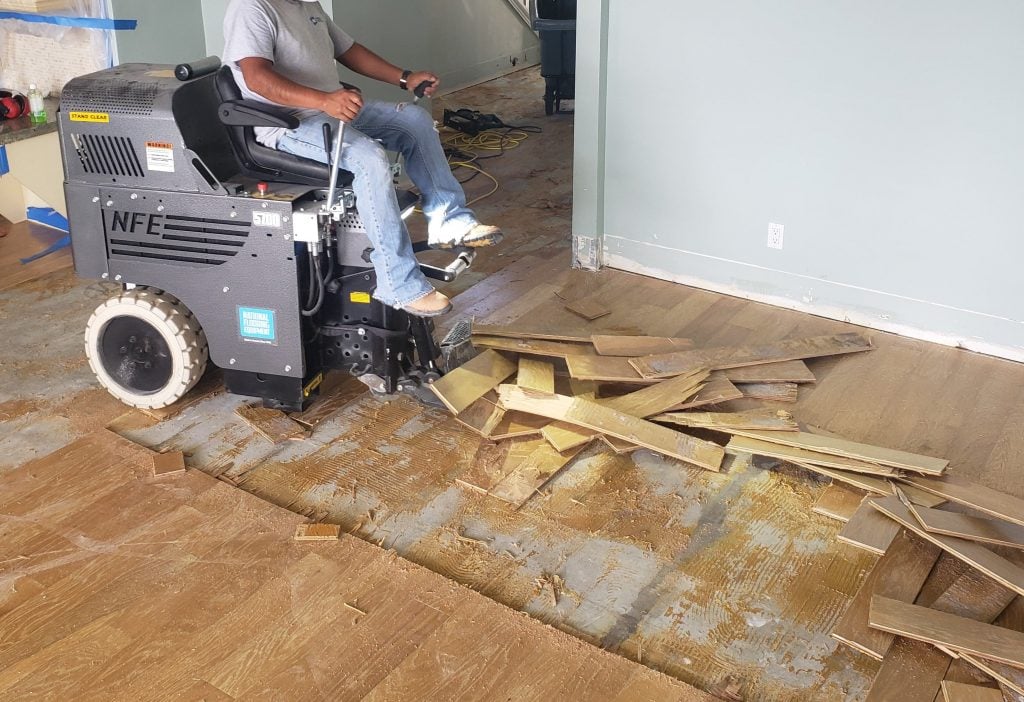
Credit: jblflooringsolutions.com
Loosening The Adhesive
Removing glued wood flooring starts with loosening the strong adhesive. This step is key to make the process easier and protect the wood underneath. Different methods help soften or break down the glue. Choose one based on the tools and materials you have.
Using Heat Methods
Heat helps soften the glue under the wood planks. A heat gun works well for this. Hold it a few inches from the floor. Move slowly to avoid burning the wood. The glue will become softer and easier to scrape off. Be careful not to overheat. This method works best for small areas.
Applying Chemical Solvents
Chemical solvents break down adhesive bonds quickly. Choose a solvent made for wood flooring glue. Test it on a small spot first. Apply with a brush or cloth. Let it sit for a few minutes. The glue will start to dissolve. Use a scraper to lift the softened glue. Always wear gloves and ensure good ventilation.
Mechanical Techniques
Mechanical tools help remove glue by force. Use a floor scraper or putty knife. For bigger jobs, a power scraper or oscillating tool works well. Move the tool carefully to avoid damaging the wood. This method is good after softening the glue. It helps clear off leftover adhesive quickly and cleanly.
Removing The Wood Planks
Removing glued wood flooring requires care and patience. The wood planks stick firmly to the floor. Pulling them off too fast can cause damage. Use the right tools and methods to lift each plank safely. This keeps the wood intact and makes the job easier.
Safe Lifting Techniques
Start by loosening the edges of the wood planks. Use a flat pry bar or putty knife. Slide the tool gently under the plank. Work slowly to avoid cracking the wood. Lift the plank carefully from one side. Support it with your other hand. Keep your back straight while lifting. Bend your knees to protect your body. Place the removed plank on a soft surface. This prevents scratches and dents.
Handling Stubborn Boards
Some boards may not lift easily. They stick tightly to the glue. Use a heat gun or hair dryer to soften the glue. Move the heat source evenly over the plank. Heat for a few minutes to loosen the glue. Try lifting again with the pry bar. Tap the tool gently with a hammer if needed. Avoid forcing the plank to prevent breaks. Repeat heating and lifting until the board comes free.
Cleaning The Subfloor
Cleaning the subfloor is a key step after removing glued wood flooring. It prepares the surface for new flooring. A clean, smooth subfloor helps new materials stick better and last longer. Dirt, glue, and damage must be removed to avoid problems later.
Removing Residual Glue
Start by scraping off leftover glue using a putty knife or scraper. Work carefully to avoid damaging the subfloor. For stubborn glue, apply a commercial adhesive remover. Let it sit a few minutes, then scrape again. Clean the area with warm water and a sponge to remove residue.
Sanding And Smoothing
Use a floor sander or sanding block to smooth rough spots. Sanding removes small glue bits and evens out the surface. Focus on high spots and edges. Wear a dust mask to protect yourself. Sweep and vacuum the dust thoroughly after sanding.
Checking For Damage
Inspect the subfloor for cracks, holes, or soft spots. These issues weaken the floor and cause problems later. Fill small holes with wood filler and let dry. Replace or repair sections with severe damage. A solid subfloor ensures a stable base for new flooring.
Disposing Of Old Flooring
Removing glued wood flooring creates a lot of waste. Proper disposal keeps your space clean and safe. It also helps the environment. Knowing how to dispose of old flooring is important. This section covers recycling options and waste disposal guidelines.
Recycling Options
Wood flooring can be recycled in many places. Some centers accept wood for reuse or chipping. Recycled wood can become mulch, compost, or new products. Check local recycling programs for wood acceptance. Some companies offer pick-up services for large amounts. Recycling saves landfill space and reduces pollution.
Waste Disposal Guidelines
Dispose of wood waste according to local rules. Some wood may contain glue or finishes. These materials can affect how you throw it away. Avoid burning glued wood; it releases harmful fumes. Use designated landfill sites for non-recyclable wood. Separate wood from other construction debris. Follow guidelines to avoid fines and environmental harm.

Credit: www.reddit.com
Tips For A Smooth Removal Process
Removing glued wood flooring can be tough and messy. A smooth process saves time and effort. Proper tools and careful steps make the task easier. Prepare the work area and protect surfaces before starting. Take breaks to avoid fatigue and keep focus.
Following these tips helps prevent damage to the subfloor and keeps the job safe. Patience is key. Work in small sections to manage the glue better. Clean the floor after removing the wood to prepare for new flooring.
Common Mistakes To Avoid
Do not rush the removal. Quick work can harm the floor underneath. Avoid using too much force; it breaks wood and tools. Skipping safety gear puts you at risk of injury. Do not ignore glue residue; it makes new flooring uneven. Using wrong tools slows down the process and causes damage.
Time-saving Hacks
Soften glue with heat before scraping. Use a floor scraper with a long handle to reduce bending. Work with a partner to speed up the removal. Keep tools close to avoid wasting time searching. Dispose of wood pieces regularly to clear the workspace. Plan the removal path to avoid repeated steps.
Frequently Asked Questions
How Do I Start Removing Glued Wood Flooring Safely?
Begin by clearing the room and wearing protective gear like gloves and goggles. Use a heat gun or floor scraper to loosen the glue gently. Work slowly to avoid damaging the subfloor.
What Tools Are Best For Removing Glued Wood Flooring?
A floor scraper, heat gun, and pry bar are essential tools. You may also need a hammer and putty knife for stubborn spots. Renting a floor buffer with a sanding pad can help with residue.
How Can I Remove Glue Residue From The Subfloor?
Use a scraper or putty knife to scrape off thick glue patches. Apply a commercial adhesive remover or warm soapy water for sticky areas. Sand lightly afterward to smooth the surface.
Can I Reuse Wood Flooring After Removing Glue?
Reusing depends on the floor’s condition and glue type. Carefully remove nails or staples and clean off glue. Inspect boards for damage before deciding to reuse or recycle.
Conclusion
Removing glued wood flooring takes patience and the right tools. Start by loosening the boards carefully to avoid damage. Use heat or solvents to soften the glue for easier removal. Clean the surface well before installing new flooring. Take breaks when needed to stay safe and focused.
Following these steps helps complete the job without stress. Your floor will look fresh and ready for the next step soon. Simple care makes a big difference in home projects.