Are your wood floors making annoying squeaky sounds every time you walk across the room? That creaking noise can be distracting and frustrating, especially when you want peace and quiet at home.
But don’t worry—you can fix it. You’ll discover simple and effective ways to stop squeaky wood floors for good. Imagine walking barefoot without hearing those irritating squeaks under your feet. Keep reading, and you’ll learn easy steps that anyone can do to bring back the calm and comfort you deserve.
Identify Squeaky Areas
Finding the exact spots of squeaky wood floors is the first step to fixing them. You need to know where the noise comes from before making any repairs. This part of the process helps you save time and effort.
Walk slowly across your floor. Pay close attention to each step. Listen carefully for any creaks or squeaks. Mark these areas so you can work on them later.
Common Causes Of Squeaks
Squeaky floors happen for a few reasons. Loose floorboards often rub against nails or wood underneath. Changes in humidity make wood expand or shrink. This movement creates gaps and friction. Old nails or missing glue can also cause noise. Understanding these causes helps you find the right fix.
Tools For Detection
A few simple tools help locate squeaky spots. A flashlight shows cracks or gaps in the floor. A screwdriver or putty knife can gently lift boards to check looseness. You can also use a rubber mallet to tap and hear where noise is loudest. These tools make finding problem areas easier and faster.
Credit: www.homedepot.com
Prepare Your Floor
Fixing squeaky wood floors starts with good preparation. This step makes the repair easier and faster. You need space to work and the right tools ready. Without preparation, you may waste time and energy.
Prepare your floor carefully. It helps you find the exact spots that make noise. Also, it keeps your floor safe during the repair. Take your time to get ready before you fix the squeaks.
Clear The Area
Remove all furniture from the squeaky floor space. Chairs, tables, and rugs can block your work. Keep the area free to move around easily. This way, you can check the floor fully for noisy spots.
Also, clear small objects like toys or shoes. A clean floor helps you avoid accidents. It makes the repair process smoother and safer for you.
Gather Necessary Supplies
Collect all tools before starting the repair. Common supplies include a screwdriver, wood glue, and talcum powder. You might need screws or nails for loose boards. A flashlight helps find hidden squeaks in dark corners.
Having everything ready saves trips to the store. It keeps your focus on fixing the floor. Check your supplies carefully to avoid delays during the work.
Fix Squeaks From Above
Fixing squeaky wood floors from above is an easy way to stop noise. You can do this without removing the floorboards. This method works well for small squeaks and keeps your floor looking great. It also saves time and effort.
Two simple ways to fix squeaks from above include using talcum powder or graphite and securing loose boards with screws. Both are effective and quick solutions you can try yourself.
Use Talcum Powder Or Graphite
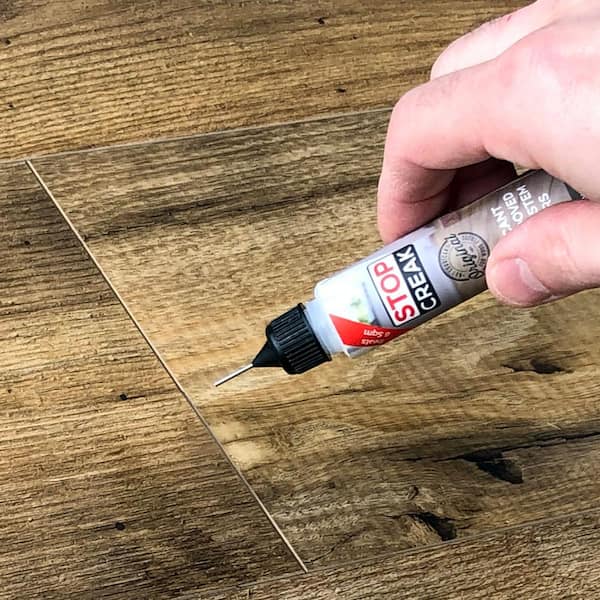
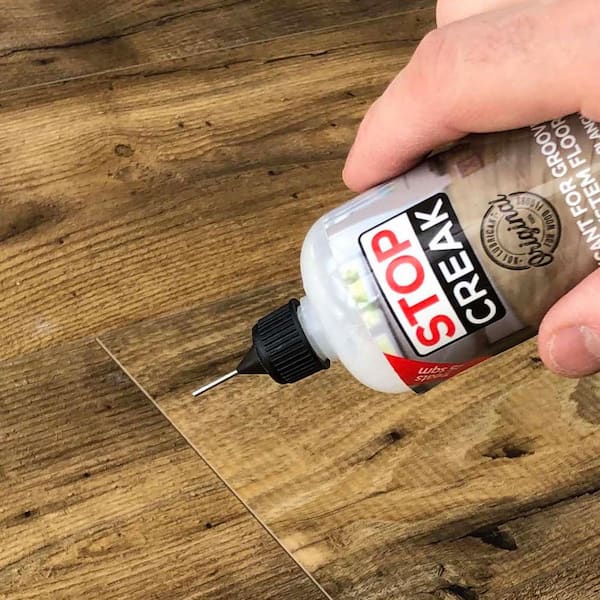
Sprinkle talcum powder or graphite between the floorboards. These powders fill gaps and reduce friction. This stops the wood from rubbing and making noise. Use a soft brush or cloth to push powder deep into cracks. Wipe away any extra powder on the surface. This method is cheap and safe for your floors.
Secure Loose Boards With Screws
Find the loose floorboards by walking over the squeaky spots. Use a drill to drive screws through the boards into the joists below. This tightens the boards and stops movement. Make sure to countersink the screws to avoid damage. Cover screw heads with wood filler or putty for a smooth finish. This method gives a strong, long-lasting fix.

Credit: www.youtube.com
Fix Squeaks From Below
Fixing squeaky wood floors from below is a solid way to stop annoying noises. This method targets the source of the squeak under the floorboards. It often gives longer-lasting results than fixing from above. The key is to secure the floorboards to the joists below tightly.
Many squeaks happen because the floorboards move slightly on the joists. Tightening this connection stops the movement and the noise. Accessing the space below your floor is the first step. After that, you can add shims or adhesive to hold everything firmly in place.
Access The Crawl Space Or Basement
Find a way to get under the squeaky floor. Crawl spaces or basements usually provide access. Make sure the area is safe and clear of obstacles. Use a flashlight to see the joists and floorboards above. Check for any signs of damage or loose boards.
Add Shims Between Joists
Shims are thin pieces of wood or plastic. Insert them between the joists and the subfloor to fill gaps. Gently tap the shims until they fit tight. This stops floorboards from moving and rubbing. Avoid forcing shims too hard to prevent damage.
Use Construction Adhesive
Apply construction adhesive along the joists where the floor squeaks. Use a caulking gun for even application. Press the floorboards down to spread the glue. This bonds the floorboards to the joists firmly. Let the adhesive dry fully before walking on the floor.
Alternative Solutions
Sometimes, simple fixes do not stop squeaky wood floors. Alternative solutions can help when basic steps fail. These methods address deeper issues in the floor’s structure. They are effective and often last longer.
Install Squeak-relief Kits
Squeak-relief kits offer a practical way to fix noisy floors. These kits include special screws and brackets. They attach the subfloor tightly to the joists. This reduces movement, which causes the squeaks. Installation is quick and does not need removing boards. Kits work well for many types of wood floors.
Replace Damaged Boards
Damaged or warped boards can cause persistent squeaks. Replacing these boards removes the source of noise. This solution requires removing old boards carefully. New boards are installed to fit perfectly. This stops gaps and loose spots that create sounds. Replacing boards improves both floor strength and appearance.
Credit: www.homedepot.com
Prevent Future Squeaks
Stopping squeaky wood floors is not just about fixing noises now. Preventing future squeaks keeps your floors quiet for years. Small habits and checks make a big difference in floor health. Taking care early avoids bigger problems later.
Maintain Proper Humidity
Wood reacts to moisture in the air. Too much or too little humidity makes wood expand or shrink. This change causes gaps and squeaks between floorboards. Use a humidifier in dry months and a dehumidifier in wet months. Aim to keep indoor humidity between 30% and 50%. This balance helps wood stay stable and quiet.
Regular Floor Inspections
Check your floors often for loose or damaged boards. Walk slowly and listen for any new squeaks. Tighten nails or screws if you find loose boards. Replace damaged pieces quickly to stop noise spread. Early fixes save time and money. Inspect corners and high-traffic areas more carefully. Regular checks keep floors strong and silent.
Frequently Asked Questions
Why Do Wood Floors Start To Squeak Over Time?
Wood floors squeak because wood moves and rubs against nails or joists. Changes in humidity make wood expand or shrink, causing noise. Loose boards or fasteners also create squeaks.
What Tools Are Needed To Fix Squeaky Wood Floors?
Basic tools include a hammer, nails or screws, and a drill. You might also need wood glue and a screwdriver. Some fixes require special kits for floor squeaks.
Can I Stop Floor Squeaks Without Removing The Wood Boards?
Yes, using special screws or shims can tighten loose boards from below. Lubricants like talcum powder can reduce friction between boards. These methods work well for minor squeaks.
How Long Does It Take To Fix Squeaky Wood Floors?
Small squeaks can be fixed in 30 minutes to an hour. Larger issues might take a few hours or a day. Time depends on floor size and squeak severity.
Conclusion
Squeaky wood floors can be annoying and distracting. Fixing them does not need to be hard. Small steps like tightening nails or adding powder help a lot. Take your time and check each noisy spot. Quiet floors make your home feel calm and cozy.
Enjoy walking without any creaks underfoot. With a little effort, you can stop those squeaks today. Keep your floors smooth and peaceful for years to come.