Are you torn between choosing concrete or wood floors for your space? The decision isn’t just about looks—it affects your comfort, style, and even your budget.
Imagine walking barefoot on a cool, smooth surface versus the warm, natural feel beneath your feet. Which one suits your lifestyle better? You’ll discover the key differences, benefits, and drawbacks of concrete and wood floors, helping you make the best choice for your home or office.
Keep reading to find out which flooring option matches your needs perfectly.

Credit: www.concretecraft.com
Benefits Of Concrete Floors
Concrete floors offer many benefits that make them a smart choice for homes and businesses. They provide strength and style that last for years. Concrete is not just plain gray anymore. It can be polished, stained, or textured to suit any space.
These floors handle wear and tear better than many other options. They also need less care, saving time and money. Concrete floors work well in modern and traditional designs. They fit different budgets, making them a flexible flooring choice.
Durability And Longevity
Concrete floors are very strong. They resist cracks, dents, and scratches. Heavy foot traffic or furniture won’t damage them easily. These floors can last for decades without needing replacement. Their hard surface holds up against daily use well.
Low Maintenance Needs
Concrete floors are easy to clean. Sweeping and mopping keep them looking good. They don’t need waxing or polishing often. Stains and spills wipe away quickly. No special cleaners are required for regular care.
Design Flexibility
Concrete floors come in many styles. They can be colored or stained to match any decor. Polished concrete offers a shiny, modern look. Textured or stamped concrete adds unique patterns. This flooring suits both simple and fancy designs.
Cost Considerations
Concrete floors are affordable to install. They require less material compared to wood floors. Long-term costs are low due to durability and low upkeep. Repairs are rare and inexpensive. This makes concrete a cost-effective choice overall.

Credit: www.polarwall.co.uk
Advantages Of Wood Floors
Wood floors offer many benefits that make them popular in homes. They bring a natural feel and a classic look. Wood floors suit different styles and can improve comfort in rooms. They also add value to your home over time.
Natural Warmth And Beauty
Wood floors have a warm, inviting look. Each plank shows unique grains and colors. This natural beauty cannot be copied by other materials. Wood adds a cozy feeling to any space.
Variety Of Styles And Finishes
Wood floors come in many types, from oak to maple. You can choose different colors and finishes. Options include matte, glossy, or distressed looks. This variety fits many decorating tastes and room designs.
Comfort And Insulation
Wood floors are softer than concrete and feel better underfoot. They provide some insulation, helping keep rooms warmer. Wood helps reduce noise, making homes quieter. This adds comfort to daily living.
Resale Value Impact
Homes with wood floors often sell faster and for higher prices. Buyers see wood as a sign of quality and care. Wood floors can make your home more attractive to buyers. They are a smart investment for your property.
Installation Process Comparison
Choosing between concrete and wood floors often depends on how they are installed. The installation process affects cost, time, and final look. Understanding these differences helps make a smart choice.
Preparation And Time
Concrete floors need a smooth, clean base before pouring. It must dry fully, which can take days or weeks. Wood floors require a flat, dry subfloor. Installation is faster than concrete. Wood can be nailed or glued down. Concrete takes longer to set and cure.
Skill Requirements
Concrete installation demands special skills. Workers must know how to mix, pour, and finish properly. Mistakes can cause cracks or uneven surfaces. Wood floor installers need carpentry skills. Cutting and fitting planks require precision. Both need experience but concrete is harder for beginners.
Common Challenges
Concrete can crack if not mixed or poured right. It may need sealing to avoid stains and moisture. Wood floors can warp or gap with moisture changes. Proper acclimation before installation is key. Both require care but have different risks during and after installation.
Maintenance And Upkeep
Concrete and wood floors need care to stay in good shape. Each type has different needs for cleaning and repairs. Understanding these needs helps keep floors looking fresh and lasting longer. Proper maintenance saves money and effort over time.
Cleaning Tips
Concrete floors clean easily with a broom or vacuum. Use a damp mop and mild soap for stains. Avoid harsh chemicals that can damage the surface.
Wood floors need gentle cleaning. Use a soft broom or vacuum with a floor brush. Clean spills quickly to prevent damage. Use a wood floor cleaner for best results.
Repairs And Refinishing
Concrete floors can develop cracks. Small cracks fill with epoxy or concrete filler. Large cracks may need professional repair.
Wood floors can scratch or dent. Sanding and refinishing restore the surface. Refinishing removes old finish and adds a new coat. This process keeps wood floors looking new.
Longevity With Proper Care
Concrete floors last many years with simple care. Sealing concrete protects it from stains and damage.
Wood floors last longer with regular cleaning and refinishing. Avoid excess water to prevent warping. Proper care keeps wood strong and beautiful.
Environmental Impact
Choosing the right flooring affects the environment in many ways. Concrete and wood floors have different impacts on nature. Understanding these differences helps make smarter choices for homes and buildings.
Sustainability Of Materials
Wood comes from trees, a natural resource. Sustainable wood comes from well-managed forests. These forests are replanted and cared for. Concrete uses cement, made by burning limestone and clay. This process releases carbon dioxide, a greenhouse gas. Wood can be renewable, while concrete is less so.
Energy Efficiency
Concrete floors absorb and store heat well. This helps keep homes warm in winter and cool in summer. It can reduce energy use for heating and cooling. Wood floors do not store heat as well. Wood feels warm underfoot but loses heat faster. Concrete can lower energy bills by improving insulation.
Recyclability And Disposal
Wood floors can be reused or recycled into other products. Old wood can become mulch or biofuel. Concrete is harder to recycle. Broken concrete often ends in landfills or is crushed for road base. Recycling concrete saves natural resources but is less common. Wood generally has less waste impact than concrete.
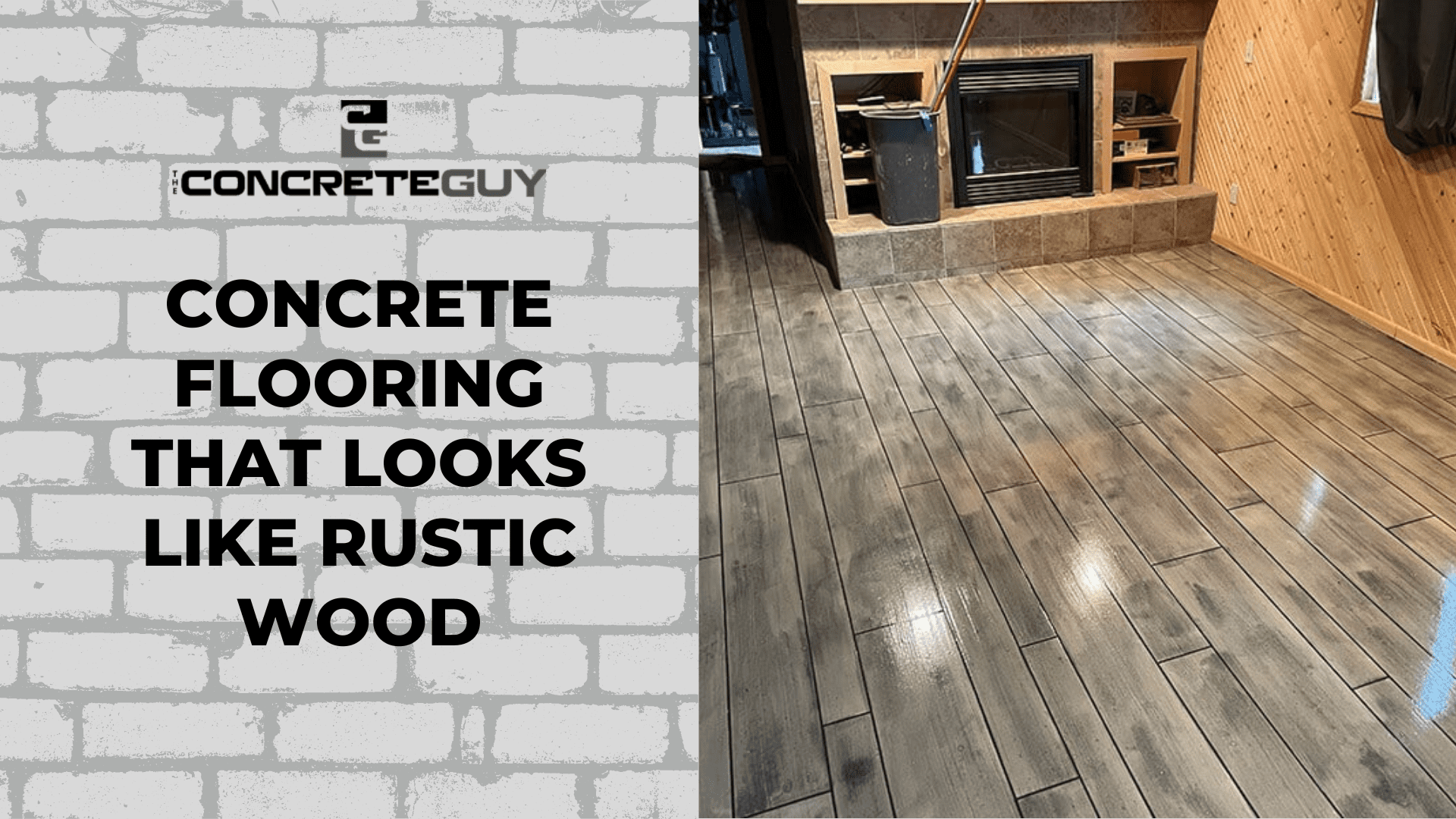
Credit: concreteguymn.com
Suitability For Different Spaces
Choosing between concrete and wood floors depends on the space they will be in. Each material offers unique benefits and fits better in certain areas. Understanding their suitability helps pick the right floor for your needs.
Residential Settings
Wood floors bring warmth and comfort to homes. They feel soft underfoot and create a cozy atmosphere. Bedrooms and living rooms benefit from wood’s natural look. Concrete floors work well in kitchens and basements. They are strong and easy to clean. Concrete can also be finished with designs for style.
Commercial Areas
Concrete floors suit busy commercial spaces. They handle heavy foot traffic without damage. Many stores and offices choose concrete for durability. Wood floors appear elegant but need more care. They may wear out faster in high-traffic zones. Businesses often select floors based on use and maintenance needs.
Climate Considerations
Concrete floors stay cool in hot climates. This helps keep indoor temperatures low. Wood floors offer better insulation in cold areas. They hold heat and feel warmer to walk on. Moist environments can damage wood over time. Concrete resists moisture and molds easily.
Cost Comparison And Budgeting
Choosing between concrete and wood floors often depends on budget. Understanding costs helps make smart decisions. This section breaks down the costs of each option.
Initial Investment
Concrete floors usually cost less to install. The material is affordable and durable. Installation is quick, saving labor costs. Wood floors have higher upfront costs. Hardwood planks and installation take more time. Some wood types are expensive, raising the price.
Long-term Expenses
Concrete needs little upkeep. Occasional sealing keeps it strong and clean. Wood floors may need refinishing every few years. They can scratch or warp, needing repairs. Wood floors might increase heating costs. Concrete can feel cold without insulation.
Value For Money
Concrete offers great durability for the price. It suits high-traffic areas well. Wood floors add warmth and style. They can raise home resale value. Consider how long you plan to stay. Balance appearance with maintenance and cost.
Design Trends And Aesthetic Appeal
Choosing between concrete and wood floors affects the style of any space. Both materials offer unique looks and charm. Design trends show how each floor type brings different feelings and character. Understanding their aesthetic appeal helps create the right atmosphere for homes or offices.
Modern Looks With Concrete
Concrete floors give a sleek, modern vibe. They reflect light well and make rooms look bigger. Many designers prefer concrete for minimalist and industrial styles. Polished concrete adds shine and smoothness. It matches well with metal and glass decor. Concrete can also be colored or stamped to add texture.
Timeless Appeal Of Wood
Wood floors bring warmth and natural beauty. Their grain patterns and colors add richness to any room. Wood suits both traditional and modern interiors. It ages well, gaining character over time. Many people choose wood for its cozy and inviting feel. Wood floors also offer a classic look that never fades.
Mixing Materials Creatively
Combining concrete and wood floors creates unique designs. Using wood accents on concrete floors softens the space. Concrete borders around wood add contrast and interest. Mixing these materials highlights the best features of each. Creative blends add depth and style to rooms. This mix suits many design preferences and budgets.
Frequently Asked Questions
What Are The Main Differences Between Concrete And Wood Floors?
Concrete floors are hard, cold, and durable, while wood floors feel warm and natural. Concrete lasts longer but can be tougher to change. Wood offers more style options and comfort.
Which Flooring Is Better For Homes With Pets?
Wood floors can scratch easily from pet claws, needing more care. Concrete is strong and resists damage but can be cold for pets. Consider comfort and maintenance when choosing.
How Do Concrete And Wood Floors Compare In Cost?
Concrete floors usually cost less to install but may need sealing over time. Wood floors are pricier upfront but add value and warmth to homes. Budget and style matter here.
Which Flooring Type Is Easier To Clean And Maintain?
Concrete floors are simple to clean with a mop and don’t trap dust. Wood floors need special cleaners and can get scratched or stained. Cleaning ease depends on your routine.
Conclusion
Choosing between concrete and wood floors depends on your needs and style. Concrete offers strength and easy care. Wood brings warmth and a classic look. Think about your budget, room use, and how much maintenance you want. Both floors have their own charm and benefits.
Take your time to decide what fits your home best. The right choice can improve your space’s feel and value.