Have you noticed a stubborn urine smell lingering on your wood floors? It can be frustrating and embarrassing, especially when you want your home to feel fresh and clean.
The good news is, you don’t have to live with that odor or worry about damaging your beautiful floors. You’ll discover simple, effective ways to remove urine odor from wood floors and keep your space smelling fresh. Keep reading—your floors will thank you!
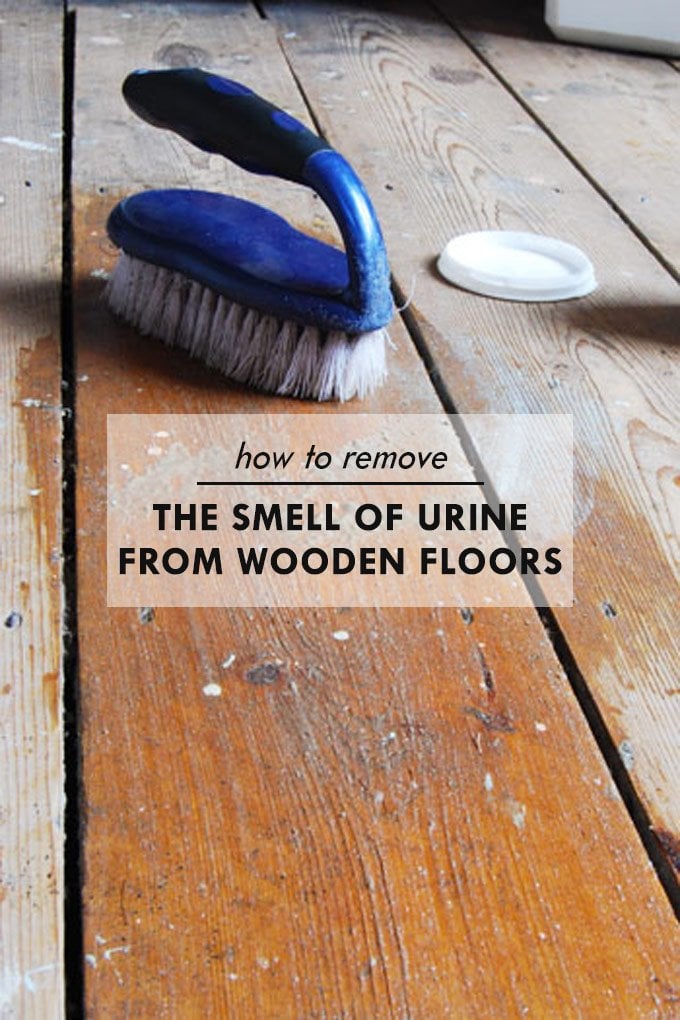
Credit: www.esseg.eu
Sources Of Urine Odor
Urine odor on wood floors can be a common problem in many homes. Understanding the sources of this odor helps to tackle it effectively. The smell often comes from specific causes and affects wood floors in certain ways. Identifying these factors is key to removing the odor completely.
Common Causes
Pet accidents are the most frequent source of urine odor on wood floors. Dogs and cats may urinate indoors due to health issues or lack of training. Children can also cause accidents, especially during potty training. Sometimes, leaks from plumbing or toilets can create a urine smell. These sources leave behind urine that seeps into the wood and causes odor.
Impact On Wood Floors
Urine can damage wood floors in several ways. The liquid seeps into the wood grain and finishes, causing stains. It can also break down the finish, making the floor dull and rough. Over time, the smell gets trapped deep inside the wood, making it hard to remove. If left untreated, urine can cause wood to warp or rot. This damage lowers the floor’s lifespan and beauty.
Immediate Actions After Spills
Dealing with urine spills on wood floors requires quick action. The longer the spill stays, the harder it becomes to remove the smell. Acting fast helps protect your floor from stains and damage. Follow simple steps right after the spill to keep your wood floor clean and fresh.
Blotting Techniques
Start by blotting the spill with a clean cloth or paper towel. Press gently to soak up the urine. Avoid rubbing, as it spreads the liquid and pushes it deeper. Change cloths often to absorb more. Keep blotting until no more liquid comes up.
Use a dry cloth for the final blot. This step removes leftover moisture. The less wet the floor, the less chance of odor and damage.
Avoiding Damage
Never use harsh chemicals or bleach on wood floors. These can ruin the finish and wood itself. Avoid soaking the floor with water. Too much moisture causes warping or swelling.
Work in a well-ventilated area to help dry the floor faster. Use fans or open windows if possible. Quick drying keeps wood strong and odor-free.
Cleaning Solutions That Work
Removing urine odor from wood floors requires effective cleaning solutions. The right products can neutralize smells and protect your floors. Choose between homemade remedies and commercial products based on your needs and preferences.
Homemade Remedies
Homemade remedies use simple ingredients found at home. White vinegar and water mix is a popular choice. Vinegar breaks down urine acids and removes odors. Baking soda also works well to absorb smells. Sprinkle it on the floor, leave for a few hours, then vacuum. Another solution is hydrogen peroxide combined with a drop of dish soap. This mix cleans and disinfects the area. Always test on a small spot first. Homemade remedies are safe and budget-friendly.
Commercial Products
Commercial products are designed specifically for urine odor removal. Enzyme cleaners are very effective. They break down urine molecules at a microscopic level. These products are safe for wood floors and pets. Some sprays provide a fresh scent after cleaning. Look for products labeled for hardwood or wood floors. Follow the instructions carefully for the best results. Commercial cleaners save time and effort.
:max_bytes(150000):strip_icc()/remove-cat-urine-odor-from-wood-floors-1821892-03-55a5bd3ed3e541418772b7d327ea3f53.jpg "How to Remove Urine Odor from Wood Floors: Easy & Effective Tips")
Credit: www.shoshitamam.com
Step-by-step Cleaning Process
Removing urine odor from wood floors requires a careful cleaning process. Follow these clear steps to clean the floor deeply and safely. Each step helps remove stains and smells without harming the wood.
Prepping The Floor
First, clear the area of rugs and furniture. Sweep or vacuum the floor to remove dust and dirt. Use a dry cloth to blot any fresh urine spots. Avoid rubbing as it can spread the stain. Protect yourself with gloves before starting the cleaning.
Applying Cleaners
Use a cleaner made for wood floors or a mild solution of vinegar and water. Spray or gently pour the cleaner on the stained spots. Let the cleaner sit for 5 to 10 minutes to break down the odor. Use a soft brush or cloth to scrub the area softly. Avoid harsh scrubbing to protect the wood surface.
Rinsing And Drying
Wipe the cleaned area with a damp cloth to remove residue. Use plain water on the cloth for rinsing. Dry the floor with a clean towel or microfiber cloth. Open windows or use a fan to speed up drying. Make sure the floor is fully dry to prevent damage and mold.
Deodorizing Tips
Removing urine odor from wood floors requires more than just cleaning. Deodorizing is key to stopping smells from returning. Using the right products helps keep your floors fresh and odor-free. Below are simple tips to deodorize effectively and safely.
Natural Deodorizers
Baking soda is a popular natural deodorizer. Sprinkle it over the affected area and let it sit for several hours. It absorbs odors and moisture. Afterward, sweep or vacuum the powder away.
White vinegar also works well. Mix equal parts of water and vinegar in a spray bottle. Lightly spray the wood floor and let it dry. Vinegar neutralizes bad smells without harming wood.
Activated charcoal is another option. Place small bags near the smelly spots. Charcoal traps odor molecules and freshens the air around your floors.
Using Enzymatic Cleaners
Enzymatic cleaners break down urine molecules that cause odors. They are especially useful for deep cleaning wood floors. Apply the cleaner directly to the urine stain.
Let the product sit for 10 to 15 minutes. This allows enzymes to work fully. Afterward, wipe the area with a clean cloth or paper towel.
Choose cleaners labeled safe for wood floors. This prevents damage while removing odors effectively. Enzymatic cleaners tackle the root cause of urine smells, not just the surface.
Preventing Future Odors
Stopping urine odor before it starts saves time and keeps wood floors fresh. Preventing future smells means caring for floors and pets daily. Small habits make a big difference in maintaining a clean home.
Regular Maintenance
Clean wood floors often using a gentle cleaner. Avoid harsh chemicals that damage wood or finish. Wipe spills quickly to stop stains and smells. Use a soft cloth or mop for cleaning. Keep floors dry to prevent odor buildup. Regular care keeps floors looking and smelling good.
Training Pets
Teach pets to use a specific bathroom spot outside. Reward them for going in the right place. Clean accidents immediately with an enzyme cleaner. Avoid scolding pets harshly to prevent stress. Consistent training reduces accidents on wood floors. Happy pets and clean floors go hand in hand.
When To Call A Professional
Urine odor on wood floors can be tough to handle. Sometimes, home remedies do not fully remove the smell. Knowing when to call a professional can save time and protect your floors. Professionals have tools and skills to treat stubborn odors and damage.
Persistent Odors
Odors that stay after cleaning need expert help. Professionals use special cleaners that reach deep into the wood. They can find hidden urine spots under floorboards. This stops the smell from coming back. Trying to fix strong odors alone may not work well.
Floor Damage Concerns
Urine can damage wood floors by causing stains and warping. If floors look swollen, cracked, or discolored, call a professional. They can assess the damage and suggest the best repair. Early action prevents more costly fixes later. Professionals also know how to protect floors during cleaning.

Credit: www.esseg.eu
Frequently Asked Questions
How Do I Clean Urine From Wood Floors Safely?
Use a mixture of white vinegar and water to clean the spot gently. Avoid harsh chemicals that can damage the wood finish. Wipe with a soft cloth and dry completely.
What Removes Urine Smell From Hardwood Floors Effectively?
Baking soda is great for absorbing odors. Sprinkle it on the area, let it sit for hours, then vacuum it up. Enzyme cleaners also break down urine molecules and remove smells.
Can Urine Damage Wood Floors Permanently?
Yes, urine can stain and weaken wood if left too long. It can cause discoloration and make the wood warp. Quick cleaning helps prevent lasting damage.
How To Prevent Urine Odor From Returning On Wood Floors?
Clean spills immediately and keep the floor dry. Use pet training pads or mats in problem areas. Regular cleaning stops smells from coming back.
Conclusion
Removing urine odor from wood floors takes patience and the right steps. Act quickly to clean the area and stop the smell. Use gentle cleaners that protect your wood’s finish. Regular care keeps floors fresh and looking good. Small spills can cause big problems if ignored.
You can enjoy a clean, odor-free home with simple actions. Keep your floors safe and your home smelling nice. Remember, consistent cleaning works best to prevent odors.